Basement Waterproofing Paint: What Masonry Coatings Can Do
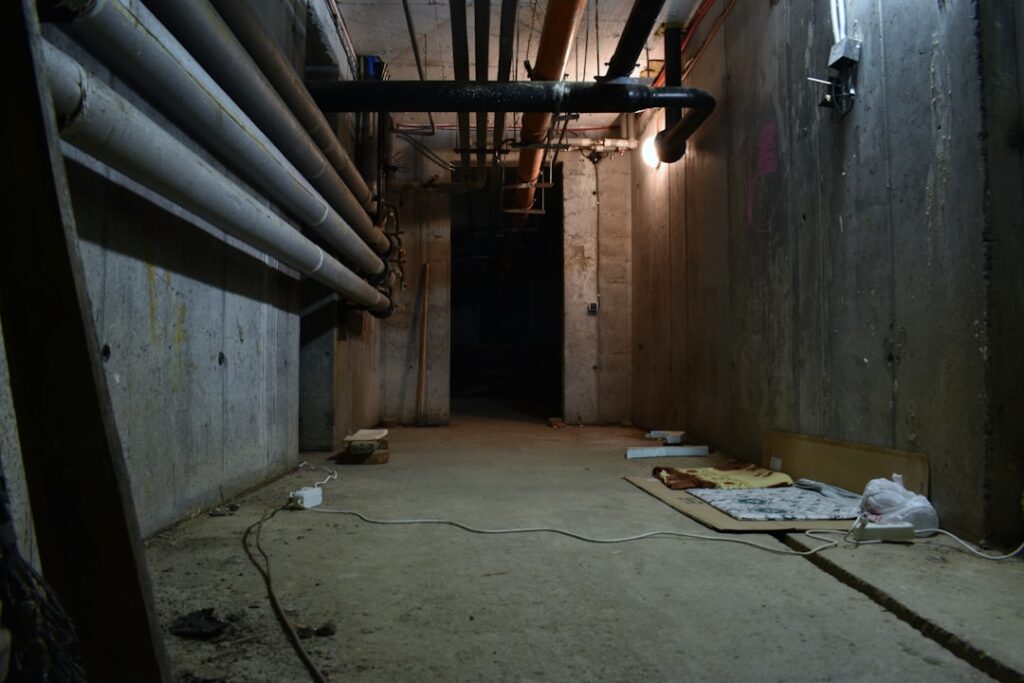
A can of basement waterproofing paint looks like an easy answer to a damp, musty basement. Roll it on the concrete walls, let it cure, and the problem is solved. Sometimes these masonry coatings do help, especially with minor dampness that wicks through porous block or poured concrete. But a coating sits on the inside of the wall, facing the room, while the water is pushing from the outside. That basic geometry limits what any interior product can do. This guide explains what waterproofing coatings are, which problems they can and cannot address, how to prepare a wall properly, why drainage and grading come first, and how coatings relate to humidity, mold, VOC exposure and radon. It summarizes EPA guidance current as of 2026; costs are hedged estimates, and persistent water, mold or radon concerns warrant a qualified professional.
Part of our Crawl Space & Attic Guide guide — start there for the full picture →
What Basement Waterproofing Paint Can and Cannot Do
Interior masonry waterproofing coatings are thick, specialized paints designed to bond with concrete or concrete block and resist moisture moving through the wall. Common types include:
- Cementitious coatings. Portland cement-based products, sometimes with additives, that are brushed or troweled onto bare masonry and bond into its pores.
- Acrylic and latex masonry waterproofers. Heavy-bodied, water-based coatings that are rolled or brushed on, often in two coats.
- Oil- or solvent-based masonry sealers. Less common for DIY use today, with higher solvent content.
- Penetrating sealers. Silicate or silane/siloxane products that soak into the concrete rather than forming a film.
What coatings can help with
- Minor dampness from moisture wicking through porous concrete or block walls.
- Reducing dusting of old concrete and giving a cleaner, brighter surface.
- Slowing vapor movement through the wall, which can help in a basement that is otherwise dry.
What coatings cannot fix
- Hydrostatic pressure. When soil outside the wall is saturated, water pushes against the foundation. An interior coating may blister, peel or simply be bypassed as water finds cracks, joints and the floor-wall seam.
- Active leaks and running water. Water entering through cracks, tie holes, window wells or the cove joint needs repair at its source.
- Structural cracks. A coating does not bridge moving cracks or address why the wall cracked.
- Grading and gutter problems. If roof water is dumped beside the foundation, no paint will keep up.
- High basement humidity from the air. Summer condensation on cool walls is an air-moisture problem, not a wall-leak problem.
In short, a waterproofing coating is a finishing step for a wall that is already mostly dry, not a substitute for drainage or repair.
Diagnose the Water Source First
Before buying any coating, it helps to figure out whether moisture is coming through the wall or condensing from the air. One common homeowner test is to tape a square of plastic sheeting tightly to the wall and check it after a day or two. Moisture on the wall side suggests water moving through the concrete; moisture on the room side suggests condensation from humid indoor air. The test is a rough indicator, not a definitive diagnosis, and results can change with season and weather.
Other clues worth noting:
- Timing. Water that appears after storms or snowmelt points to exterior drainage. Dampness during humid summer weather with no rain points toward condensation.
- Location. Water at the floor-wall joint, around pipe penetrations or below window wells usually has a specific entry path.
- Stains and tide lines. Horizontal staining at a consistent height may indicate past standing water.
- White deposits. Powdery or crusty white residue shows water has been moving through the masonry.
Front Range basements present a particular mix. The semi-arid climate means many basements are dry most of the year, but expansive clay soils common along the Front Range, spring snowmelt, poorly directed downspouts and irrigation near foundations can all push water toward walls. Sprinkler heads spraying against the foundation are a surprisingly common culprit.
Surface Preparation and Efflorescence
Coating manufacturers are consistent on one point: adhesion depends on preparation. Paint applied over dirt, old flaking paint or mineral deposits tends to fail.
Efflorescence must come off
Efflorescence is the white, chalky deposit left when water moving through masonry evaporates and leaves dissolved salts behind. It is a sign that water has been passing through the wall, and it is also a poor surface for a coating. Most product instructions call for removing it completely, often with a stiff wire brush and a masonry cleaner or a product specified by the coating manufacturer, followed by thorough rinsing and drying. If efflorescence returns quickly after cleaning, water is still moving through the wall, and a coating may be pushed off by the same process. Our guide to efflorescence on basement walls explains what the deposits mean and how to clean them.
Typical prep steps
- Remove loose and flaking paint, dirt, dust and grease.
- Clean off efflorescence and any mold growth, following the cleaning guidance below.
- Repair holes, tie holes and small non-structural cracks with a compatible patching or hydraulic cement product.
- Allow the wall to dry as specified by the manufacturer.
- Apply the coating at the coverage rate on the label, often two coats, working it into block pores.
Many products are not intended to go over previously painted surfaces unless the old paint is removed or is a compatible coating, so reading the label before buying avoids a common failure.
Application, curing and lifespan
Temperature and humidity during application matter. Most labels list a minimum surface and air temperature and warn against coating walls that are wet to the touch or sweating. In Front Range basements, late spring and early fall often offer moderate temperatures, but a cold winter wall may be below the minimum. Thick block walls absorb a lot of product on the first coat, so coverage can be lower than the label’s best-case figure; buying a little extra avoids running short mid-wall.
Work the coating into mortar joints and block pores with a stiff brush or a heavy-nap roller, then back-brush to close pinholes. Pinholes are small but they are exactly where moisture finds a path. Allow the full recoat time between coats, and keep the basement ventilated while the coating cures.
No coating lasts forever. Interior film-forming products can blister, chalk or peel over the years, particularly where moisture pressure is high. Checking walls each spring for new stains, bubbles or white deposits gives early warning that conditions behind the coating have changed.
Cracks, Grading and Exterior Drainage Come First
Waterproofing professionals and building scientists generally agree that keeping water away from the foundation is the first and most effective step. EPA’s mold and moisture guide makes the same basic point for homeowners: it advises keeping gutters clean and repaired and making sure the ground slopes away from the foundation so water does not enter or collect around it.
Exterior fixes to consider
- Gutters and downspouts. Clean gutters and extend downspouts well away from the foundation. Splash blocks that dump water at the corner of the house are a frequent cause of corner leaks.
- Grading. Soil should slope away from the house. Settled backfill, landscape beds built up against siding and patios that slope toward the house all direct water inward.
- Window wells. Wells should have drainage and covers where appropriate, and their bottoms should not sit level with or above the window sill.
- Irrigation. Keep sprinklers and drip lines from soaking soil next to the foundation.
When drainage systems are needed
If exterior fixes do not stop water, interior perimeter drains, exterior membranes or a sump system may be needed. Our guide to basement waterproofing methods and costs compares interior and exterior systems, and our guide to sump pump installation explains when a pump makes sense.
Cracks deserve their own evaluation
Painting over cracks hides them from future buyers and inspectors without addressing the cause. Hairline shrinkage cracks are common in poured concrete, but horizontal cracks, stair-step cracks in block, widening cracks or walls that bow inward warrant evaluation, sometimes by a structural engineer. See our guides to foundation cracks and what they mean and basement floor cracks for the differences between cosmetic and structural cracking.
Humidity, Mold and Coatings
A basement can feel damp and smell musty even when the walls are not leaking. Cool concrete surfaces and high indoor humidity lead to condensation, and condensation feeds mold growth on stored items, drywall and wood.
EPA’s Brief Guide to Mold, Moisture and Your Home states that the key to mold control is moisture control and that mold will not grow without water or moisture. It recommends keeping indoor humidity below 60 percent, ideally between 30 and 50 percent, and notes that relative humidity can be measured with an inexpensive meter. It also advises drying water-damaged areas and items within 24 to 48 hours to prevent mold growth. Our guide to basement humidity levels and dehumidifying covers practical ways to hit those targets.
Do not paint over mold
EPA’s mold guide is direct on this point: it says not to paint or caulk moldy surfaces, to clean up the mold and dry the surfaces before painting, and that paint applied over moldy surfaces is likely to peel. EPA also notes that if mold is cleaned up but the water problem is not fixed, the mold problem will most likely come back. The guide suggests that homeowners can often handle cleanup of moldy areas smaller than about 10 square feet, while larger areas or significant water damage call for professional guidance. If mold followed a leak or flood, our guide to mold after water damage explains next steps.
Some waterproofing coatings advertise mold- or mildew-resistant additives. Those additives may help resist growth on the coating surface, but they do not remove existing mold or the moisture source behind it.
VOCs, Ventilation and Product Safety
Basement coatings are applied in enclosed, often poorly ventilated spaces. EPA’s page on volatile organic compounds and indoor air quality explains that paints, varnishes and many related products contain organic solvents that can release VOCs during use and, to some degree, while stored. EPA notes that concentrations of many VOCs are consistently higher indoors, up to ten times higher, than outdoors, and that some VOCs may have short- and long-term adverse health effects.
EPA’s suggested steps to reduce exposure include increasing ventilation when using products that emit VOCs, meeting or exceeding label precautions, following manufacturers’ directions, and safely disposing of partially full containers of unneeded products. For a basement coating project, that can mean:
- Choosing water-based or low-VOC products where they suit the job.
- Using fans to exhaust air to the outdoors and opening windows or doors where possible.
- Wearing the gloves, eye protection and respiratory protection the label specifies.
- Keeping children, pets and people with respiratory conditions away until the coating cures and odors dissipate.
- Turning off pilot lights and ignition sources near solvent-based products if the label requires it.
Product safety data sheets, usually available from the manufacturer, list specific hazards and protective equipment.
Radon: Coatings Are Not Mitigation
Colorado is known for elevated radon levels, and basements are where soil gas most directly contacts the home. It is tempting to assume that a coating that keeps out water will also keep out radon. That assumption is not safe.
EPA describes radon as a naturally occurring radioactive gas that cannot be seen or smelled, states that testing is the only way to know a home’s level of exposure, and recommends that all homes be tested. A wall coating does not address soil gas entering through the floor slab, the floor-wall joint, sump pits, utility penetrations and cracks, and a coating can crack or debond over time. Sealing openings can be one part of a professionally designed mitigation system, but radon reduction usually relies on an active system such as sub-slab depressurization that draws soil gas from beneath the home and vents it outside.
A sensible sequence is to test before and after any significant basement work, and to treat radon as a separate issue from water. Our radon testing guide for Colorado homeowners explains test types, timing and what results mean.
Costs and When to Call a Professional
All figures are hedged estimates that vary by product, wall area, condition and local labor rates.
- DIY coatings. Masonry waterproofing paints are typically sold by the gallon or in multi-gallon pails, and covering a basement often takes several gallons for two coats. Material costs for a typical basement may range from under a hundred dollars to several hundred dollars, plus brushes, rollers, cleaners and patching compound.
- Professional application. Hiring a painter or waterproofing contractor to prepare and coat walls adds labor, which can exceed material cost, especially if old paint or efflorescence must be removed.
- Exterior drainage fixes. Downspout extensions and minor regrading can be inexpensive; extensive regrading or landscape changes cost more.
- Interior or exterior drainage systems. Perimeter drains, sump systems and exterior membranes generally cost far more than coatings, often in the thousands of dollars, because they involve excavation or cutting the slab.
- Crack repair and structural work. Injection repairs for individual cracks may be moderate in cost; structural repairs for bowing or failing walls can be substantial.
Signs a coating is the wrong tool
- Standing water or puddles after storms.
- Water entering at the floor-wall joint.
- Cracks that are horizontal, stair-stepped, widening or offset.
- Efflorescence that returns within weeks of cleaning.
- Previous coatings that are blistered, peeling or bubbling.
Inspections and finished basements
The ASHI Standard of Practice directs home inspectors to inspect structural components, including the foundation, and to inspect sump pumps and related piping. Inspectors can only see what is visible, so freshly coated walls may hide earlier stains or cracks. Buyers can ask sellers about past water, request receipts for waterproofing work and review disclosures. For more on how basements and crawl spaces fit into energy and moisture control, see our crawl space and basement insulation guide and the crawl space moisture and encapsulation hub.
Basement waterproofing paint has a real but limited role: it can tidy and modestly protect a wall that is already dry. Water management outside, crack evaluation, humidity control, mold cleanup and radon testing each do jobs a coating cannot.
References
- A Brief Guide to Mold, Moisture and Your Home — U.S. Environmental Protection Agency
- Volatile Organic Compounds’ Impact on Indoor Air Quality — U.S. Environmental Protection Agency
- Radon — U.S. Environmental Protection Agency
- ASHI Standard of Practice for Home Inspection — American Society of Home Inspectors
Frequently asked questions
Does basement waterproofing paint really work?
It can reduce minor dampness through porous concrete or block and improve appearance. It does not stop water under hydrostatic pressure, active leaks or water entering at cracks and the floor-wall joint, which need drainage or repair.
Can waterproofing paint be applied over efflorescence?
Most manufacturers say no. Efflorescence should be removed and the wall cleaned and dried first. If the white deposits return quickly, water is still moving through the wall and a coating may fail.
Can you paint over mold on basement walls?
EPA advises against painting or caulking moldy surfaces. Clean up the mold and dry the surface first, because paint over mold is likely to peel, and fix the moisture source so the mold does not return.
Will sealing basement walls reduce radon?
Not reliably. EPA says testing is the only way to know radon levels. A wall coating does not address soil gas entering through the slab, joints and penetrations; mitigation usually requires an active system designed by a qualified professional.
Is waterproofing paint safe to use indoors?
Many products release VOCs, and EPA recommends increasing ventilation and following label precautions. Choosing low-VOC water-based products, exhausting air outdoors and wearing recommended protective equipment reduce exposure.
Shopping for a Front Range home with a freshly painted basement or a history of water? Reach out to us and we can help you connect with a vetted local inspector for a closer look at the foundation, drainage and radon testing options.