Mold After Water Damage: The 48-Hour Prevention Window
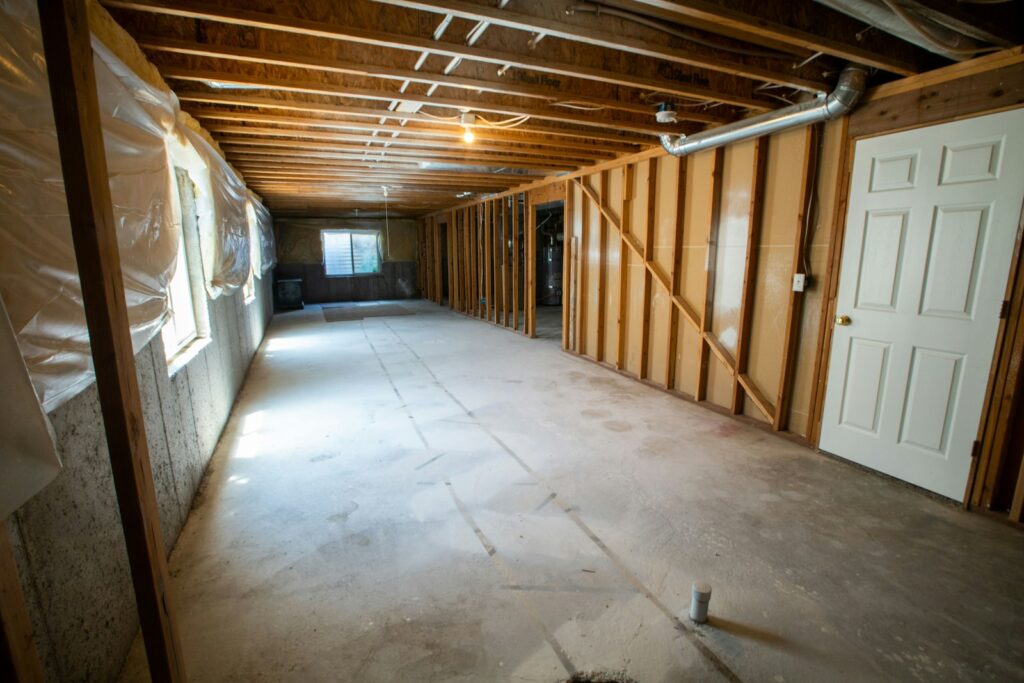
Whether water damage turns into a mold problem is usually decided in the first two days. The EPA is blunt about the deadline: mold will begin to grow on damp materials within 24 to 48 hours. Dry the materials completely inside that window and you likely have a plumbing repair. Miss it, and a straightforward drying job becomes a remediation job that costs several times more and can affect the health of everyone in the house. This page covers how fast mold actually establishes, exactly what to do in the first 24 hours, and how to tell whether you have already crossed the line.
Part of our Moisture Meters & Water Damage Detection guide — start there for the full picture →
Is this mold, asbestos, or water damage? Get a free instant screen
Upload a clear photo of the suspect area. You'll get an instant AI screening opinion and what to do next. This is screening guidance, not a professional determination.
Screening guidance only. AI can be wrong. Confirm asbestos, mold type, or lead with lab testing or a licensed professional before acting.
How fast does mold actually grow on wet materials?
Mold spores are present in essentially all indoor air already. They do not need to arrive from somewhere; they only need moisture, a food source, and time. Most of what a house is built and finished with is food: the paper facing on drywall, wood framing, paper-faced insulation, and ordinary settled dust all feed mold. Once those materials stay wet, the clock the EPA describes starts running.
Growth speed depends on the organism and the material:
- Aspergillus and Penicillium (reported together as “Asp/Pen” on lab results) are the most common indoor genera and begin colonizing saturated cellulose within 24 to 48 hours at room temperature.
- Cladosporium, another near-universal indoor and outdoor mold, colonizes on a similar timeline and is a frequent finding after leaks.
- Stachybotrys chartarum, the greenish-black mold that gets called “toxic black mold,” is slower and pickier. It needs cellulose that stays consistently wet for one to three weeks, which is why it is a signature of leaks that were ignored, not of a single overnight spill.
The practical takeaway: colonies are forming underneath the surface days before you can see them. By the time a patch is visible, it has usually been growing for the better part of a week.
The first 24 hours: what to do right now
If water damage just happened, work through this in order:
- Stop the source. Shut off the supply valve to a leaking fixture, close the main if you cannot find it, or tarp a roof leak. Nothing else matters until the water stops.
- Photograph everything with timestamps. Take phone photos before you move anything; the embedded date and time establish when the damage was discovered, which matters for an insurance claim.
- Pull out saturated porous materials. Soaked drywall, carpet padding, and paper-faced insulation rarely recover and hold water against framing. Removing them is the fastest way to stop the moisture feeding a colony.
- Move contents off the wet floor. Wood furniture legs wick water upward and upholstery pulls moisture into fabric that then grows its own mold.
- Dry aggressively and measure humidity. Run box fans and a dehumidifier continuously and aim to hold indoor relative humidity below 60 percent, which the EPA identifies as the ceiling where mold growth is discouraged. A cheap hygrometer tells you whether the room is actually drying or just feels dry.
- Call for professional drying on anything beyond a small spill. Commercial air movers and desiccant dehumidifiers pull water out of framing and subfloor far faster than household fans, and this work is frequently covered when the underlying peril is covered.
Speed is the entire strategy. As the EPA’s home mold-cleanup guidance puts it, the surest way to control mold is to control moisture and dry wet materials within 24 to 48 hours.
Best At Home Mold Test Kit: our top 3 picks
| Product | Best for | Key features | Price | Buy |
|---|---|---|---|---|
| Varify 6-Pack | All-round DIY plate kit |
| $13.39as of Nov 25, 2026 9:07 pm GMT+0000 | Buy now →Check current price |
| KAYENQO 12-Test | Testing many rooms |
| $21.65as of Nov 25, 2026 9:07 pm GMT+0000 | Buy now →Check current price |
| Detekt Indoor Air Quality Kit | HVAC vents |
| $36.99as of Nov 25, 2026 9:07 pm GMT+0000 | Buy now →Check current price |


Prices are Amazon’s listed prices as of the time shown and change often; check Amazon for today’s price. As an Amazon Associate we earn from qualifying purchases.
Why the Front Range climate can fool you
Colorado’s dry air is a double-edged advantage. Low ambient humidity does slow surface mold, which is why the Front Range sees less bathroom-and-window mold than the humid Southeast. But the same dry air evaporates surface moisture quickly and makes a wall look dry while the cavity behind it, the subfloor, or the sill plate stays saturated for days. Homeowners here routinely assume a leak “dried on its own” because the visible surface felt fine, while a hidden pocket kept a colony fed. If a wall got genuinely wet, confirm it is dry inside the cavity, not just on the paint. Our guide on how to detect mold inside walls covers moisture meters and where hidden growth hides.
When can you clean it yourself, and when do you call a pro?
The EPA gives a usable size rule: if mold covers less than about 10 square feet, a roughly 3-by-3-foot patch, most people can clean it themselves with proper precautions. Above that, or if the water came from a source you cannot identify, the agency recommends following larger-scale remediation practices or hiring a contractor. A few things override the size rule entirely and mean you should stop and bring in a professional: mold in the HVAC system, sewage or other contaminated water, or growth returning after you have cleaned it.
Two cautions the EPA and CDC both make: never mix bleach with ammonia or other cleaners, because the combination produces toxic gases, and understand that killing mold is not the same as removing it. Dead spores still trigger allergic reactions, so porous material that grew mold generally has to be thrown out, not just wiped. If you are past the size threshold, start with a mold inspection to map the full extent before anyone starts tearing out drywall, and see our walkthrough on removing mold caused by water damage.
Signs mold has already taken hold
If the water sat for more than 48 hours before you found it, assume colonization has started even without visible proof, and look for these confirmations:
- A musty, earthy odor. Often the first detectable sign, appearing before anything is visible. It is the smell of mold metabolism inside a wall or under flooring.
- Visible patches. White, gray, green, or black specks, films, or fuzzy spots. Visible growth means the colony is days old, not hours.
- Soft or spongy drywall paper. Active mold breaks down the cellulose facing, so the paper loses its stiffness.
- Discoloration creeping past the original wet line. Colonies expand outward from where they started.
- New or worsening symptoms in occupants. The CDC links indoor mold exposure to stuffy nose, wheezing, coughing, and red or itchy eyes, with stronger reactions in people who have asthma or allergies. Symptoms that started after the leak are a signal worth taking seriously.
Once any of these are present, this is no longer a drying job. It is remediation, and the person you hire should be set up for mold containment and post-cleanup verification, not just water extraction. If black mold specifically is involved, our page on whether black mold from water damage is dangerous puts the health risk in context.
What a fast response actually saves
The economic case for moving fast is at least as strong as the health case. A same-day response to a clean-water leak is a drying-and-patch job. Let the same water sit until colonies establish and you add containment, material removal, and verification testing on top of the original repair, and insurers often cap mold payouts under a separate sub-limit or deny them outright as a maintenance issue when a leak went unaddressed. The square footage of damage is identical in both cases; the only variable is how many hours passed. That is why documenting the discovery date with timestamped photos and starting to dry immediately protects both your health and your claim.
More Questions About Mold After Water Damage
What types of mold grow after water damage?
Several common indoor molds grow after water damage, including Cladosporium, Penicillium and Aspergillus, which appear early on damp materials, and Stachybotrys, often called black mold, which typically appears on materials that stay very wet for longer periods. Mold color does not reliably identify species. Guidance from the EPA and CDC treats all indoor mold growth as something to remove, regardless of type. Testing is usually unnecessary when mold is visible and the water source is known.
Can mold grow after water damage dries out?
Mold that started growing during a water event can stay dormant after materials dry and resume growing if moisture returns. Materials that dried within about 24 to 48 hours usually avoid significant growth, but slow drying gives mold time to start. Dormant mold can still release allergens. After drying, inspect for staining, odors and soft spots, and remove or clean any visible growth. Monitoring with a moisture meter confirms that materials stay dry.
Is mold after flood water different from mold after a pipe leak?
Mold after floodwater is typically handled more aggressively than mold after a clean pipe leak, because floodwater carries sewage, bacteria and soil that contaminate porous materials. Drywall, insulation, carpet and padding soaked by floodwater are generally discarded, even if they dry quickly. Clean-water leaks from supply lines can sometimes be dried in place if handled fast. Restoration professionals classify water by category, and contaminated water requires protective equipment and professional cleanup.
Can I stay in a house with mold after water damage?
Staying in a house with mold after water damage is often possible if the affected area is small and closed off, but people with asthma, allergies, weakened immune systems, infants and older adults may need to stay elsewhere until cleanup is complete. Large areas of mold, contaminated floodwater, sewage backups and damaged HVAC systems are stronger reasons to leave. Close off affected rooms, avoid running HVAC through contaminated areas, and ask a doctor about any symptoms.
Frequently asked questions
How fast does mold grow after water damage?
The EPA states that mold begins growing on damp materials within 24 to 48 hours. Common indoor molds like Aspergillus and Penicillium colonize wet drywall paper, wood, and paper-faced insulation in that window at room temperature, though visible growth usually takes a week or more. Drying materials completely within 24 to 48 hours is the single most reliable way to prevent it.
Can I clean up water-damage mold myself?
The EPA's rule of thumb is that you can usually handle mold covering less than about 10 square feet (a 3-by-3-foot patch) yourself with gloves, an N95 respirator, and eye protection. Above that size, or if the water was contaminated (sewage, floodwater) or the mold is in your HVAC system, follow larger-scale remediation guidance or hire a contractor. Porous materials that grew mold generally must be discarded, since dead spores still cause reactions.
Should I use bleach on mold from water damage?
For a small area on a hard, non-porous surface, detergent and water is usually enough, and the mold must be physically removed rather than just killed. If you use bleach, never mix it with ammonia or other cleaners, because the combination releases toxic gases, and ventilate the area. Bleach does not restore porous materials like drywall or carpet padding, which need to be removed and replaced.
How do I know if mold started growing behind a wall?
A persistent musty odor is often the first sign, appearing before any visible growth. Other indicators are soft or spongy drywall paper, discoloration spreading past the original wet area, and new respiratory symptoms in occupants. In Colorado's dry climate a wall surface can feel dry while the cavity stays wet, so use a moisture meter to confirm the material is dry on the inside, not just the surface.
Does homeowners insurance cover mold after water damage?
It depends on the cause. Sudden, accidental water damage from a covered peril such as a burst pipe or appliance failure is typically covered, and resulting mold may be covered up to a separate sub-limit unless you carry a mold endorsement. Slow leaks discovered late, seepage, and groundwater flooding are commonly excluded. Photograph the damage with timestamps and open a claim promptly to protect coverage.
Does water damage restoration include mold removal?
Water damage restoration often includes mold removal when growth is present, but some restoration contracts cover only drying. Confirm in writing whether mold cleanup, containment and clearance are included. If mold appears after drying, ask the restoration company whether follow-up work is covered under the original job.
How soon should a mold inspection be done after water damage?
A mold inspection is useful after drying is complete, or sooner if there is a musty odor, visible growth or materials stayed wet more than 48 hours. Hidden mold inside walls may need inspection with moisture readings or sampling.
Can mold from water damage spread to other rooms?
Mold spores from water-damaged areas can spread to other rooms through air movement and HVAC systems, especially during demolition. Containment, closing doors and turning off HVAC in affected zones help limit spread during cleanup. Clean floors and surfaces in neighboring rooms with a HEPA vacuum and damp wiping after the work.
InspectandTest is an independent editorial team, not a licensed restoration or remediation contractor. This guidance summarizes EPA and CDC recommendations; for a significant water event, hire a qualified professional.