Water Damage Mold Clean Up: What Homeowners Need to Know
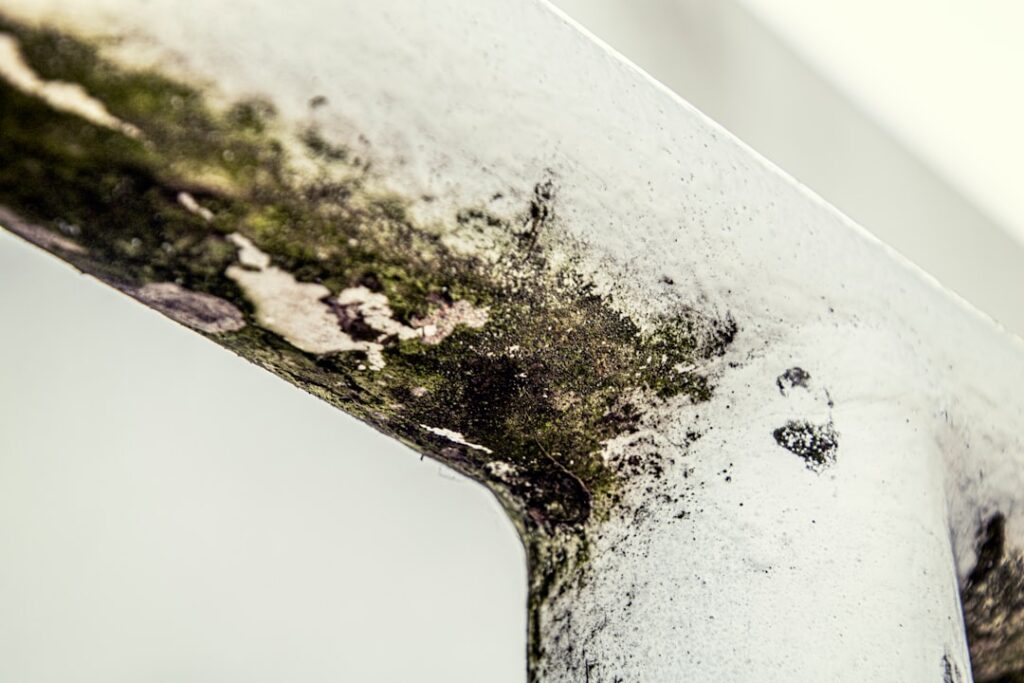
Water damage mold clean up is a different problem from cosmetic mold cleanup because the clock matters. The CDC and EPA both emphasize that wet building materials grow visible mold within 24 to 48 hours when temperatures and humidity are typical. Anything past that window has likely already started colonizing, and the cleanup expands from a simple drying job to a remediation scope. This guide summarizes EPA and CDC guidance current as of 2026 for the water-damage-driven cleanup pathway. Consult a physician for health symptoms and a certified remediator for losses larger than a small room.
Part of our Moisture Meters & Water Damage Detection guide — start there for the full picture →
Is this mold, asbestos, or water damage? Get a free instant screen
Upload a clear photo of the suspect area. You'll get an instant AI screening opinion and what to do next. This is screening guidance, not a professional determination.
Screening guidance only. AI can be wrong. Confirm asbestos, mold type, or lead with lab testing or a licensed professional before acting.
The 24 to 48 Hour Drying Window
Mold spores are present in essentially all indoor environments. When building materials stay wet beyond 24 to 48 hours, spores germinate and visible colonies appear within days. The single most effective action after a water event is to dry the affected area within that window — not to apply chemicals.
Water Categories Matter
The IICRC defines three water categories. Category 1 is clean water from a supply line. Category 2 is gray water with some contamination, such as a washing machine overflow. Category 3 is black water from sewage, flooding, or stagnant standing water. The category drives the scope: Category 3 jobs almost always require professional remediation and material disposal.
First 60 Minutes After Discovery
Stop the water source if possible — turn off the supply, kill power to affected circuits if water touches electrical, and document the damage with photos and video before moving anything. Insurance claims start with documentation. Then extract standing water with a wet vacuum or pump.
First 24 Hours
Remove saturated soft goods such as area rugs and upholstered cushions to a dry area. Open windows if outdoor air is drier than indoor. Move air with fans and pull moisture with dehumidifiers. Lift wet carpet edges to dry both sides.
What to Throw Out Immediately
Anything porous saturated with Category 2 or Category 3 water should be discarded rather than dried. Drywall below the waterline that has wicked moisture, soaked fiberglass insulation, particle-board cabinet bases, and upholstered furniture with prolonged contact are typical losses. Saving them rarely succeeds.
Structural Drying Equipment
Professional water-damage restoration uses high-velocity air movers, low-grain refrigerant or desiccant dehumidifiers, and continuous moisture monitoring. Equipment runs three to seven days typically. Renting consumer-grade fans and a single dehumidifier may not deliver enough air change for an aggressive dry-down.
Cutting Out Wet Drywall
For Category 2 and 3 events, cut drywall at least 12 inches above the high water mark. This removes wicked moisture and exposes wall cavities for drying and inspection. Bag the cut sections in 6-mil polyethylene as mold debris before disposal.
Inspecting the Wall Cavity
Open cavities lets you confirm wood framing moisture content, check for hidden mold growth, and verify insulation condition. A pin-type moisture meter reading framing lumber should fall under 16 percent before close-up. Use the opportunity to spot-treat any visible colonies on framing with HEPA vacuuming and damp wiping.
Subfloor and Hardwood Floor Considerations
Hardwood floors with prolonged saturation often cup or crown beyond what drying can correct. OSB or plywood subfloor that delaminates is structurally compromised and gets replaced. Some hardwoods can be saved with controlled drying followed by sanding and refinish, but the success rate drops fast past 72 hours.
HVAC System Considerations
If water reached ductwork or air handlers, the HVAC system gets inspected before being run again. Running a contaminated system distributes spores throughout the house. The EPA recommends careful evaluation before any cleaning, and avoiding chemical biocides sprayed into ducts as a primary solution.
When the Job Becomes Remediation
If visible mold appears or the dry-down extends past several days with porous materials still in place, the project transitions from water mitigation to mold remediation. That triggers IICRC S520 protocols including containment, negative air, and PPE for workers. The contractor may need to expand the scope.
PPE for Water Damage Cleanup
For Category 1 events the minimum is gloves and waterproof boots. For Category 2 add an N95 respirator and eye protection. Category 3 raises the floor to half-face respirator with P100 cartridges, full coverall, gloves, and rubber boots. Sewage exposure is a public health risk independent of mold.
Documenting for Insurance
Photograph everything in stages — initial damage, equipment in place, materials removed, dry readings achieved, and reconstruction. Keep all receipts. Insurers may request equipment placement logs and daily moisture readings from a professional restoration contractor.
What Homeowners Insurance Usually Covers
Sudden and accidental water events from internal plumbing failures, appliance failures, and storm damage are typically covered. Flood from rising surface water requires separate flood insurance. Long-term seepage and deferred maintenance are excluded. Read the declarations page and any mold endorsement carefully.
The Mold Endorsement
Most standard homeowners policies include limited mold coverage, often capped at 10,000 dollars per claim, with optional endorsements available for higher limits. Knowing your cap before a water event helps you decide how much of the remediation scope to push toward your insurer versus pay out of pocket.
Common Hidden Damage
Water travels horizontally along the bottom of walls, vertically through wall cavities by capillary action, and can collect in remote spots like under stairs and behind cabinets. A thermal imaging camera and moisture meter find hidden moisture that visual inspection misses.
Front Range Water Damage Patterns
The Denver metro and Front Range see specific water-event patterns: hailstorm roof penetrations, evaporative cooler leaks in summer, frozen pipe bursts in basement crawlspaces, and ice dam backups on north-facing roofs. Each has its own typical mold-after-water cleanup pathway.
Reconstruction Considerations
Rebuild with moisture-resistant drywall in any below-grade or routinely wet area. Replace insulation with new material rather than reused. Use mold-resistant primer on framing before drywall installation, and ensure the cavity dried to spec before close-up.
The Restoration Contractor’s Equipment Log
Professional water restoration contractors typically maintain a daily equipment placement log documenting air mover and dehumidifier locations, moisture meter readings on tracked materials, and the ambient psychrometric readings. Insurers often request these logs as part of claim processing. Ask the contractor to share copies as the project progresses.
Psychrometric Readings Explained
Restoration contractors monitor grains per pound of moisture in air, dew point, and relative humidity at both the work area and exterior reference points. The goal during structural drying is to keep the work-area dew point below the surface temperature of wet materials so evaporation continues. Numbers tell the contractor when to add equipment and when to remove it.
Antimicrobial Application Decisions
Some restoration contractors apply an EPA-registered antimicrobial to cleaned framing as a residual measure. The EPA’s framework treats this as optional rather than essential; the actual mold prevention comes from drying. Antimicrobial application is appropriate in some cases but is not a substitute for source control and structural drying.
Crawlspace and Basement Specifics
Crawlspaces flooded during storms or plumbing events require their own drying scope. Encapsulation with a sealed vapor barrier on the ground combined with a dedicated dehumidifier is the long-term post-flood approach. Basement floods typically require removing soaked carpet pad, insulation, and lower drywall, with structural drying running longer due to slab-thermal mass.
Roof Leak vs Plumbing Leak Source Identification
Wet patterns from above suggest roof penetration, missing flashing, or ice dam backup. Wet patterns at floor level point to plumbing or appliance failures. Wet patterns at the bottom of basement walls suggest foundation or window-well intrusion. The pattern of moisture localization usually identifies the source category before any forensic plumbing investigation.
Documentation Practices That Pay Off Later
Photograph every stage with the date visible. Save invoices from the plumber, roofer, or HVAC technician who closed the source. Save the restoration contractor’s daily equipment logs and final drying readings. Save the mold inspector’s pre and post-remediation reports. Save the clearance letter. Future buyers, future insurers, and future inspectors may ask years later.
The 24-Hour Decision Tree
Within 24 hours of a water event, key decisions get made. Is this a Category 1, 2, or 3 event? Has the water source been stopped? Has standing water been extracted? Is structural drying underway? Are porous materials being saved or discarded? Each decision affects the trajectory of the next 72 hours and whether mold becomes part of the story.
Why Some Materials Cup or Crown
Hardwood floors with prolonged saturation often cup (edges higher than center) during drying and may crown (center higher than edges) after over-drying. Engineered wood typically delaminates rather than cups. Subfloor OSB can swell, especially at edges. These deformations dictate whether material can be saved or must be replaced.
Why Carpet Pad Almost Always Gets Replaced
Carpet pad acts as a sponge during a water event, holding water against the subfloor for days. Even when dried, the foam structure often breaks down and the pad develops a permanent musty odor. Replacement pad is inexpensive compared to ongoing odor and potential mold problems.
What Restoration Contractors Carry
Professional restoration crews show up with multiple high-velocity air movers, low-grain refrigerant or desiccant dehumidifiers, HEPA air scrubbers, moisture meters, thermal imaging cameras, and a generator if needed. The equipment investment matters as much as the labor. Homeowners trying to dry a flood with consumer-grade fans rarely match this capability.
Knowing When the Dry-Down Is Complete
Restoration contractors target specific moisture content readings on tracked materials before declaring the dry-down complete. Framing lumber should read under 16 percent. Concrete and masonry have their own targets. Walking away before these targets are hit is the most common path to mold post-flood.
Why Speed Beats Chemistry
The single most effective post-water action is fast drying, not aggressive chemical application. The 24-48 hour window for preventing mold growth is the most important variable. Restoration contractors who arrive within 12 hours of a water event give the project a much better chance than those who arrive 72 hours in.
Choosing a Restoration Contractor at 2 AM
Many water events happen at inconvenient times. Restoration contractors operating 24/7 are accessible by phone for emergency response. Verify IICRC certification, current liability insurance, and recent client references during business hours when possible. For middle-of-the-night events, prioritize speed of response and verify credentials the next day.
Spillage Beyond the Visible Area
Water travels horizontally along the bottom of walls, vertically through wall cavities by capillary action, and can collect in remote spots like under stairs and behind cabinets. A thermal imaging camera and moisture meter help find hidden moisture that visual inspection misses. The restoration scope often expands as hidden moisture is discovered.
Why You Should Not Run the HVAC After a Flood
Running the HVAC during or immediately after a water event distributes moisture and potentially contaminated air throughout the house. The system itself may have absorbed moisture inside ductwork or at the air handler. Keep the system off or in fan-only mode with the fan circuit set to off until the situation is assessed.
When to Call a Professional
Call a licensed water damage restoration contractor for any Category 3 event, any flood greater than one room, and any event where the dry-down has not been achieved within 48 hours. The mold inspection and testing hub gives the full landscape, and our water and mold remediation guide walks through the IICRC framework. For post-flood-specific cleaning, see what kills mold after a flood.
References
- Flood Cleanup and Indoor Air Quality — U.S. Environmental Protection Agency
- Cleaning Up After a Flood — Centers for Disease Control and Prevention
- Healthy Homes Program — U.S. Department of Housing and Urban Development
- Water Damage Inspection — InterNACHI
- Flood Cleanup Hazards — Occupational Safety and Health Administration
Frequently asked questions
How quickly does mold grow after water damage?
Visible growth typically appears within 24 to 48 hours when wet materials remain at room temperature with normal humidity. The 24-48 hour window is the practical cutoff for preventing remediation by aggressive drying.
Can wet drywall be saved?
Sometimes, if it was clean water (Category 1) and dried within 24-48 hours. Drywall soaked by gray water (Category 2) or sewage (Category 3) is generally cut out at least 12 inches above the water line and replaced.
Do I need to leave the house after water damage?
For small Category 1 events no, though anyone with respiratory conditions should be elsewhere during demolition. For Category 3 (sewage) or extensive Category 2 events, temporary relocation is often recommended until containment is in place.
What does insurance cover for water and mold?
Sudden, accidental water events are typically covered, including reasonable mold cleanup that follows. Standard policies often cap mold remediation at 10,000 dollars unless an endorsement raises it. Flood from rising surface water requires separate flood insurance.
Front Range homeowners dealing with a fresh water event can connect with a vetted local inspector through our contact page for a second opinion on scope.