Water Damage Mold: What Homeowners Need to Know
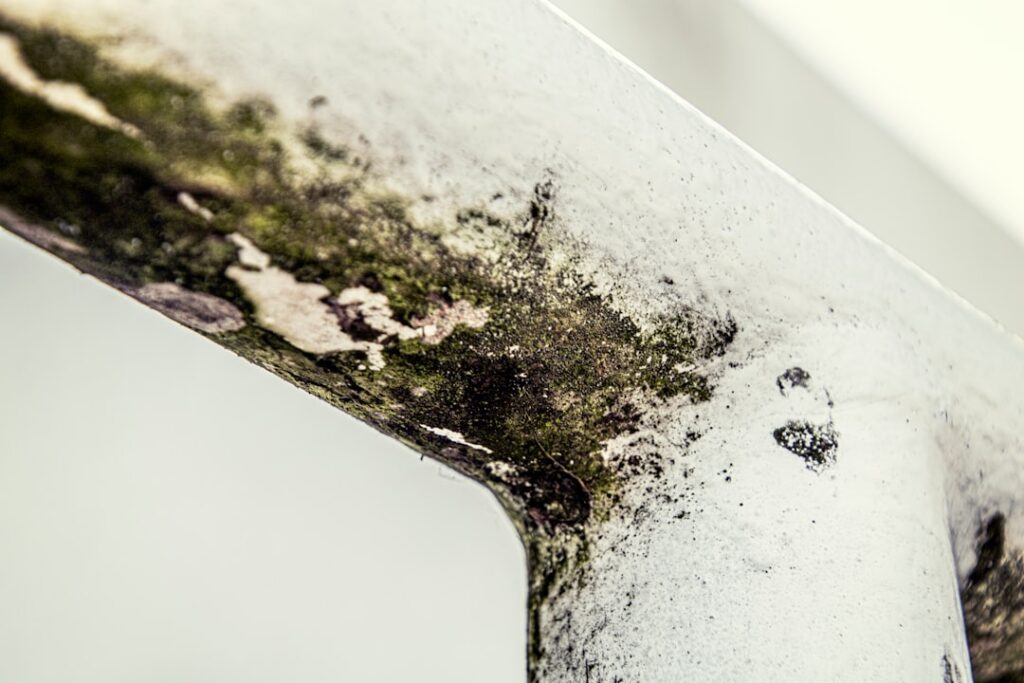
A burst pipe, an overflowing washer, or a roof leak can leave more than a stain behind. Water damage mold is the predictable follow-on when wet materials are not dried quickly, and it can begin growing within a day or two of the original event. Understanding how fast it develops, where it takes hold, and how to respond helps homeowners limit both health risk and structural damage. This guide summarizes EPA and CDC guidance current as of 2026; consult your physician for symptoms and a certified professional for testing and remediation decisions in your home.
Is this mold, asbestos, or water damage? Get a free instant screen
Upload a clear photo of the suspect area. You'll get an instant AI screening opinion and what to do next. This is screening guidance, not a professional determination.
Screening guidance only. AI can be wrong. Confirm asbestos, mold type, or lead with lab testing or a licensed professional before acting.
How Water Damage Leads to Mold
Mold spores are present in virtually every home, lying dormant until moisture activates them. When water saturates drywall, carpet, insulation, or wood, those spores have everything they need: water, organic food, and a comfortable temperature. The EPA notes that mold can begin growing on wet materials within 24 to 48 hours, which is why speed of drying matters more than almost anything else after a water event.
The category of water also matters. Clean water from a supply line is the least hazardous; gray water from appliances carries contaminants; and black water from sewage or flooding is the most dangerous and usually requires professional handling. Regardless of source, materials left wet beyond two days are at high risk of colonization.
How Fast Does Mold Grow After Water Damage?
The 24-to-48-hour window is the figure homeowners should remember. Within that period, prompt drying often prevents mold entirely. Past it, the odds of growth climb sharply, especially in warm, humid, poorly ventilated spaces.
Several factors influence the timeline:
- Material type: paper-faced drywall, carpet padding, and insulation absorb and hold water, growing mold fast; sealed concrete and metal resist it.
- Temperature and humidity: warmer, more humid conditions accelerate growth.
- Airflow: still air in a closed wall cavity or under carpet speeds colonization.
This is why emergency drying, fans, dehumidifiers, and removing saturated materials, is the priority in the first hours, not later cleanup.
Where Water Damage Mold Hides
The most dangerous water-damage mold is the kind you cannot see. Water travels along framing and wicks into porous materials, so growth often starts inside the structure:
- Inside wall cavities behind soaked drywall.
- Under carpet and within padding.
- Beneath flooring and subfloor.
- In insulation within walls and ceilings.
- Around HVAC ducts and the air handler.
- In basement and crawl-space framing after seepage.
In Colorado homes, spring snowmelt and ice-dam roof leaks are frequent triggers, and the resulting moisture can sit hidden for weeks. A musty smell with no visible growth is often the first clue. A structured search, like the one in our guide on checking for mold in the home, helps you reach these concealed areas.
The Critical First 48 Hours
No single factor determines whether water damage becomes a mold problem more than how quickly the affected area dries. The EPA’s 24-to-48-hour window is not arbitrary; it reflects how fast dormant spores activate and colonize once they have moisture. What you do in those first two days largely decides the outcome.
Acting fast means moving immediately rather than waiting to assess. Stop the water source, ensure the area is electrically safe, and begin extracting standing water without delay. Fans and dehumidifiers should run continuously, not intermittently, to pull moisture out of materials before mold can establish. Saturated porous items, soaked carpet padding, wet insulation, waterlogged drywall, often cannot be dried fast enough and are better removed early than left in place hoping they dry.
The temptation to delay, to wait until the weekend, to see if it dries on its own, is exactly what allows mold to take hold. By the time visible growth or a musty smell appears, the window has usually passed and the problem has moved from prevention to remediation. Treating every significant water event with same-day urgency, even when the damage looks minor, is the most effective and least expensive defense against water damage mold. This is why restoration professionals emphasize rapid response above all else.
Signs of Mold After Water Damage
Watch for these indicators in the days and weeks after a water event:
- A persistent musty or earthy smell.
- Discoloration spreading on walls, ceilings, or baseboards.
- Warping, bubbling paint, or soft spots in drywall and flooring.
- Visible growth on or behind materials.
- Worsening allergy or respiratory symptoms indoors.
Even after surfaces look dry, trapped moisture inside walls and under floors can feed hidden growth. Confirming materials are truly dry with a moisture meter, not just dry to the touch, is the only reliable way to rule out a developing problem. Our overview of water-related mold covers how moisture and growth interact.
Which Materials to Save and Which to Discard
A recurring decision after water damage is whether a given material can be dried and saved or must be discarded, and getting it right prevents both unnecessary waste and hidden regrowth. The deciding factor is porosity, how readily the material absorbs and holds water, combined with the water category and how long it stayed wet.
Nonporous and semi-porous materials usually survive. Sealed concrete, metal, glass, hard plastics, and solid wood can typically be cleaned and dried if addressed promptly, since they do not harbor mold deep within. Tile and finished hardwood often recover with quick drying, though prolonged saturation can still cause problems with wood.
Porous materials are the ones most often lost. Drywall, carpet padding, fiberglass and cellulose insulation, ceiling tiles, and upholstered items absorb water throughout their structure and dry slowly from the inside, making them prime sites for hidden growth. When these have been wet for more than 48 hours, or contacted by gray or black water, removal is usually the safe choice regardless of how the surface looks. Trying to save heavily saturated porous material is a common cause of recurring mold weeks later. When in doubt, the cost of replacing drywall or padding is small compared with remediating a colony that grows inside it. A dehumidifier helps protect the materials worth saving; our guide on a basement dehumidifier covers sizing for the spaces most prone to lingering moisture.
Health Considerations
The CDC reports that exposure to damp, moldy environments can cause upper-respiratory symptoms in some people, including congestion, coughing, wheezing, and eye irritation, with stronger reactions among those who have asthma, allergies, or weakened immunity. Water damage involving sewage or contaminated water raises additional concerns beyond mold, including bacteria.
These symptoms are nonspecific and overlap with other causes, and the CDC cautions against attributing serious illness to household mold without medical evidence. Anyone with persistent symptoms after water damage should consult a physician. When contaminated water is involved, professional handling protects both the structure and your health.
How to Respond to Water Damage and Prevent Mold
The first 48 hours decide the outcome. Move quickly:
- Stop the water source and ensure the area is electrically safe.
- Remove standing water and extract moisture from carpets.
- Run fans and dehumidifiers continuously to dry the structure.
- Remove and discard saturated porous materials, drywall, padding, insulation, that cannot be fully dried.
- Keep indoor humidity below 50 percent during and after drying.
- Verify dryness with a moisture meter before closing walls or replacing flooring.
A dehumidifier is a core tool for both emergency drying and long-term moisture control. Our guide on choosing a basement dehumidifier covers sizing for the spaces most prone to post-leak growth.
Categories of Water and Why They Matter
Not all water damage is equal, and the restoration industry classifies water into categories that determine how aggressively a homeowner should respond. Knowing which category you are dealing with shapes both the cleanup method and the decision about whether to call professionals.
- Category 1 (clean water): from a supply line, faucet, or rainwater. The least hazardous, but it can degrade to a worse category if left standing, since materials soak and bacteria grow over time.
- Category 2 (gray water): from appliances like dishwashers and washing machines, or overflow with some contamination. It carries more risk and requires more caution.
- Category 3 (black water): from sewage, ground flooding, or any grossly contaminated source. The most dangerous, requiring professional handling and often the disposal of contacted porous materials.
The category interacts with time. Clean water left wet for days can support the same mold growth as a worse category, which is why the 24-to-48-hour drying window applies regardless of source. For contaminated water, the concern goes beyond mold to bacteria and pathogens, making professional remediation the safer route even for smaller areas.
Hidden Damage and Long-Term Consequences
The most expensive water-damage mold problems are the ones that develop out of sight and go unaddressed for weeks or months. Water travels along framing and wicks into materials far from the original leak, so growth often establishes inside walls, under subflooring, and in insulation while the visible surfaces look dry and normal.
Left untreated, this hidden growth has compounding consequences. It can spread through wall cavities into adjacent rooms, contaminate HVAC systems that then distribute spores throughout the house, and feed wood-decay fungi that compromise structural members. What began as a contained leak becomes a whole-home issue that is far costlier to remediate than the original repair would have been. Persistent musty odors, recurring allergy symptoms indoors, and staining that returns after painting are all signs of an unresolved hidden problem.
This is why verifying true dryness, not just surface dryness, matters so much after any water event. A moisture meter that reads elevated inside a wall, even when the surface feels dry, is telling you the problem is not over. Catching hidden moisture early, with measurement rather than assumption, is the difference between a quick dry-out and a major remediation. Our overview of water-related mold covers how moisture and growth feed each other over time.
When to Call a Professional
Handle small, clean-water events yourself if you can dry them within two days. Call a professional when:
- The affected area exceeds about 10 square feet.
- Water was contaminated (sewage, flooding, gray water).
- Materials stayed wet longer than 48 hours.
- Mold has reached HVAC systems or hidden cavities.
- You cannot confirm the structure is fully dry.
Professional remediation and restoration firms have commercial drying equipment and can document the work for insurance. Because mold from water damage so often hides inside the structure, an independent assessment is worthwhile when the extent is unclear. Water damage mold is a recurring theme across the mold inspection and testing hub.
Insurance is worth understanding before a water event rather than after. Many policies cover sudden, accidental water damage, such as a burst pipe, while excluding gradual leaks and the mold that results from delayed response. This makes prompt action doubly important: it limits the damage and strengthens any claim by showing you mitigated quickly. Documenting the event with dated photos, keeping receipts for emergency drying, and recording the source all support the process. Reviewing your coverage now, so you know what is and is not included, prevents an unwelcome surprise when you are already dealing with a flooded room.
References
- Mold Cleanup in Your Home — U.S. Environmental Protection Agency
- A Brief Guide to Mold, Moisture and Your Home — U.S. Environmental Protection Agency
- About Mold and Health — Centers for Disease Control and Prevention
- Mold and Dampness — American Lung Association
If water damage has left you unsure whether mold is growing out of sight, Front Range homeowners can reach a vetted local inspector through our contact page for an independent moisture assessment.