Brick Sealing: Breathable Sealers, Efflorescence and Spalling
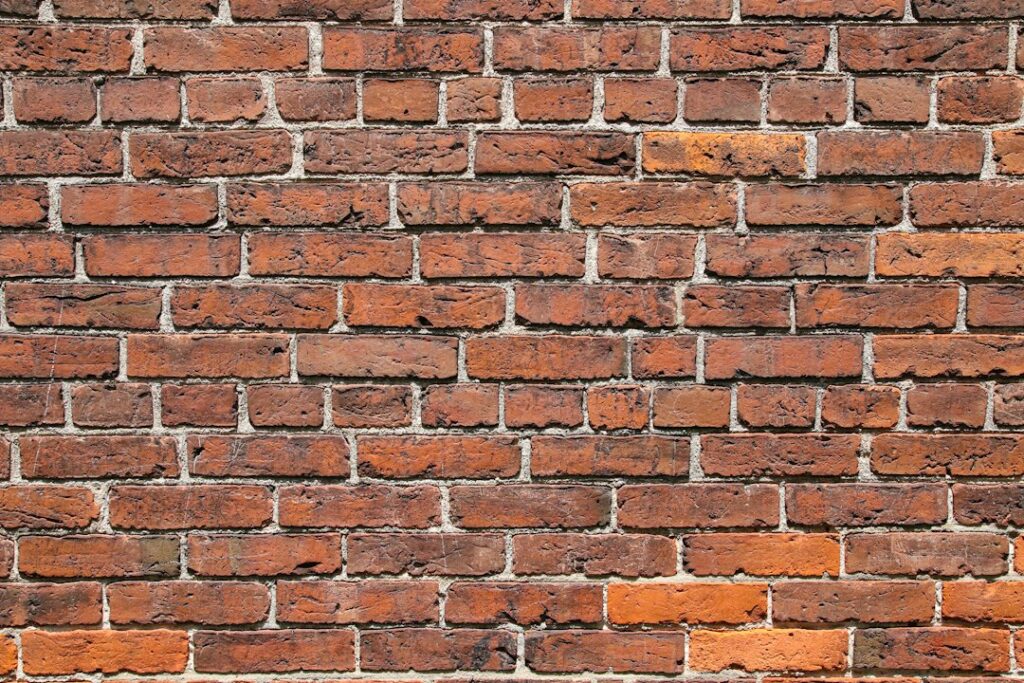
Brick has protected houses for centuries without any coating at all. It is porous by nature: it absorbs rain, then releases that water as vapor when the weather dries out. Problems start when water gets in faster than it can get out, or when something on the surface stops it from leaving. Brick sealing sits right on that line. The right product, applied to sound masonry for the right reason, can reduce water absorption and staining. The wrong product, or any product applied over cracked mortar or wet walls, can trap moisture inside the brick, where freeze-thaw cycles break the face off in flakes and chunks. On the Front Range, where winter days routinely swing above and below freezing, that distinction matters. This guide explains when sealing helps and when it harms, the difference between breathable repellents and film-forming sealers, what efflorescence is telling you, why repointing comes first, how chimneys, veneer and foundations differ, safety considerations for dust and solvents, and what the work may cost. Cost figures are hedged ranges, not quotes.
Part of our Structure & Exterior guide — start there for the full picture →
Does Brick Need Sealing at All?
Most brick walls do not need a sealer. Well-fired brick laid with sound mortar, with good roof overhangs, gutters, flashing and grading, usually manages water on its own for decades. The wall gets wet in storms and dries out afterward, and that wetting and drying cycle is normal.
Sealing tends to come up for specific reasons:
- A wall that is exposed to wind-driven rain with little overhang and shows damp spots inside.
- Soft, older or highly absorbent brick that stays dark for days after rain.
- Chimneys, parapets and garden walls exposed on several sides.
- Persistent efflorescence or staining after the underlying water source has been addressed.
- Brick near sprinklers, downspouts or splash zones that stays wet.
Before sealing, it is worth asking why the brick is getting so wet. Missing flashing, clogged gutters, failed chimney crowns, sprinklers aimed at the wall and cracked mortar joints are all more common causes of water problems than the brick itself. Fixing the source is usually more effective than coating the symptom. The EPA’s Moisture Control Guidance for Building Design, Construction and Maintenance emphasizes controlling rain entry and allowing assemblies to dry, which is the same logic that applies here.
When Brick Sealing Helps and When It Harms
Sealing can help when brick is sound, the mortar is intact, the source of excess water has been dealt with, and the product lets water vapor escape. In that situation a water repellent can reduce how much rain the face absorbs, which may reduce staining, freeze-thaw stress and the amount of water reaching the wall behind.
Sealing can harm when:
- The product forms a film that blocks vapor. Water that gets into the brick from behind, from below or through cracks cannot evaporate through the face. It collects just behind the coating.
- The mortar is cracked or missing. Water continues to enter through the joints, and the sealed face slows drying.
- The wall is wet when sealed. Moisture is locked in from the start.
- Rising damp or ground moisture is present. Sealing the lower courses of a foundation wall can drive moisture higher or trap it.
Spalling and Freeze-Thaw
Spalling is when the face of a brick flakes, pops or breaks off. It happens when water inside the brick freezes and expands near the surface. Brick that holds more water, and stays wet longer, is more vulnerable. When a non-breathable coating keeps water inside the outer layer of brick, each freeze can push the face outward. Many masons have seen walls where a glossy sealer was applied and, within a few winters, the faces of bricks began to shear off just behind the coating. Climates with frequent freeze-thaw cycles, including much of Colorado, magnify this risk.
Front Range Considerations
Colorado’s Front Range climate is dry overall, but that does not make brick immune. Strong sun can heat south- and west-facing walls during the day, followed by sharp drops at night. Spring snow often melts against walls and foundations, and sprinkler systems run all summer in many neighborhoods. The result is that some walls stay dry most of the year while specific spots, such as the base of a wall beside a downspout, the brick under a leaky window sill or the north side of a chimney, stay wet and freeze repeatedly. Those localized wet zones are where spalling and efflorescence usually show up first.
Signs Brick Is Holding Too Much Water
- Brick that stays darker than surrounding areas for days after rain or snowmelt.
- Green or black biological growth on shaded walls.
- White deposits that return after cleaning.
- Faces of bricks flaking or popping off, especially near the ground or below sills.
- Mortar that crumbles when scraped with a key or screwdriver.
- Peeling paint or damp stains on interior walls behind the brick.
Spalling that is already present is a sign of a moisture problem, not a reason to add a sealer. Damaged brick usually needs to be replaced and the water source corrected first.
Breathable Repellents vs Film-Forming Sealers
Not all “brick sealers” work the same way. The two broad categories behave very differently.
Penetrating Water Repellents: Silane and Siloxane
Silane, siloxane and blended silane-siloxane products soak into the pores of the brick and mortar and react to make the pore walls water-repellent. They do not form a continuous film on the surface. Liquid water beads up and runs off, but water vapor can still pass through the pores, so the wall can dry. These are the products most masonry professionals mean when they recommend sealing brick at all.
- Silanes have very small molecules that penetrate deeply and work well on dense materials, including concrete and some hard brick.
- Siloxanes have larger molecules that work well on more porous brick and block.
- Blends aim to cover a range of substrates.
A good penetrating repellent should not noticeably change the look of the brick, though some may darken it slightly. Products are available in water-based and solvent-based formulas.
Film-Forming Sealers
Acrylic sealers, many “wet look” coatings, paints and elastomeric coatings sit on top of the brick and form a film. They can give a glossy or darkened appearance and resist stains. On interior brick, pavers or decorative surfaces they may be acceptable. On exterior walls that need to dry outward, many masons avoid them because they can reduce vapor permeability and trap moisture. They also tend to peel or whiten as they age, and removing them is harder than applying them.
Reading the Label
When comparing products, look for clear statements about vapor permeability or “breathability,” the substrates the product is approved for, whether it is intended for vertical above-grade masonry, and how long it is expected to last before reapplication. Ask whether the product can be applied to new mortar, and how long to wait after repointing.
Efflorescence: What the White Deposits Mean
Efflorescence is the white, powdery or crystalline deposit that appears on brick and mortar surfaces. It forms when water dissolves soluble salts inside the masonry, carries them to the surface and evaporates, leaving the salts behind. It is not usually harmful by itself, but it is evidence that water is moving through the wall.
New brick walls often show some efflorescence in the first year as construction moisture dries out, and that typically fades. Persistent or worsening efflorescence on an older wall points to an ongoing water source, such as a failed cap, a leaking gutter or a missing flashing.
Sealing over efflorescence is a common mistake. If the salts can no longer reach the surface, they may crystallize inside the brick instead, a process sometimes called subflorescence, which can break the brick from within. The usual order is to fix the water source, let the wall dry, remove the deposits with a dry brush or methods recommended by the brick manufacturer, and then decide whether a repellent is still needed.
Repoint First, Seal Second
Mortar joints are where most water enters a brick wall. Cracked, recessed or missing mortar lets rain run straight into the wall, and no surface treatment can bridge an open joint. If the mortar is deteriorated, repointing (raking out damaged mortar and packing in new mortar) comes before any repellent.
The new mortar should be compatible with the old. Older brick laid in soft, lime-rich mortar can be damaged by modern hard cement mortar, because the hard mortar does not flex and may force movement and moisture into the brick. Our guide to brick repointing covers mortar matching, joint profiles and how to judge when repointing is due. Most repellent manufacturers specify a curing period after repointing before application.
Chimneys, Veneer and Foundation Brick
Chimney Masonry
Chimneys take more weather than almost any other masonry on a house. They are exposed on all sides, sit above the roofline and are capped by a crown that sheds water. Many chimney leaks blamed on brick actually come from a cracked crown, a missing cap or failed flashing at the roof. Our guides to chimney crown repair and the chimney cap explain those components. Once they are sound, a breathable water repellent is sometimes used on chimney brick, but film-forming coatings are generally avoided because a chimney also needs to release moisture from flue gases and rain that gets inside.
Adhered Veneer and Thin Brick
Traditional brick veneer is a full-thickness brick wall standing in front of a framed wall, with an air space, weep holes and flashing behind it. Adhered veneer, including thin brick and manufactured stone, is bonded directly to a backing over a water-resistive barrier. The moisture behavior is different: water that gets behind adhered veneer depends on the barrier and drainage details to escape. Sealing the face does not fix poor detailing behind it and may slow drying. Our guide to stone veneer covers the common failure points for adhered products.
Foundation Brick
Brick used in foundations or below grade faces ground moisture from behind. Sealing the exterior face of a foundation wall rarely addresses that moisture and can trap it. Cracks, bowing or displaced brick in a foundation raise structural questions that sealing will not answer. Our guide to foundation cracks explains how to tell cosmetic cracking from movement that needs an engineer.
Safety: Silica Dust and Sealer Fumes
Preparing masonry for sealing often involves cutting, grinding or raking mortar joints, and those tasks create dust containing respirable crystalline silica. OSHA’s construction silica standard addresses this hazard, and OSHA notes that applying water to a saw blade when cutting materials such as brick, block, stone and concrete substantially reduces the dust created. OSHA’s Table 1 lists specific dust controls for tasks including handheld grinders used for mortar removal (tuckpointing) and stationary masonry saws. Homeowners doing small repairs can borrow the same ideas: wet methods, tools with dust collection and appropriate respiratory protection.
Solvent-based sealers can release volatile organic compounds. The EPA lists paints, solvents and wood preservatives among household sources of VOCs and recommends increasing ventilation when using products that emit them and following label instructions carefully. Outdoor application reduces indoor exposure, but vapors can still enter through open windows and doors, so close nearby openings during application. Water-based products generally have lower odor, but always check the label and safety data sheet.
Application Basics
For a penetrating repellent on sound, repointed and dry brick, typical steps include:
- Clean the surface of dirt, efflorescence, mildew and old coatings using methods approved for the brick.
- Allow the wall to dry for the period the manufacturer specifies, often several dry days.
- Protect windows, plants, trim and adjacent surfaces.
- Test the product on a small inconspicuous area to check appearance and absorption.
- Apply with a low-pressure sprayer or roller from the bottom up, in the number of coats specified, until the surface is saturated without runs.
- Avoid application in rain, freezing conditions or extreme heat.
Reapplication is typically needed every several years, depending on the product and exposure. A simple test is to splash water on the wall: if it beads and runs off, the repellent is still working; if it soaks in and darkens the brick, it may be time to reassess.
Single-story walls are often within reach of a careful homeowner. Two-story walls, chimneys and anything requiring roof access involve ladder and fall risks, and they are usually better left to a mason or contractor with proper equipment. Hiring a mason also brings an experienced eye to mortar condition, flashing and drainage details that a sealer cannot fix.
What a Home Inspection Covers
The ASHI Standard of Practice lists exterior wall coverings, flashing and trim, along with chimneys, among the items a home inspector inspects. An inspector typically notes spalling brick, efflorescence, deteriorated mortar, missing weep holes, cracked crowns and signs of moisture entry, and may recommend further evaluation by a mason. An inspector generally will not identify which coating, if any, has been applied to the brick. Our guide to hiring a home inspector explains the scope of a standard inspection, and the structure and exterior hub links to more guides on masonry and exterior systems.
Brick Sealing Costs
These are rough industry estimates, not quotes. Pricing depends on wall height, access, brick condition and product choice.
- DIY penetrating repellent: commonly about $30 to $100 or more per gallon, with coverage varying by brick porosity.
- Professional application on a house wall: often roughly $1 to $3 per square foot, including cleaning and protection.
- Chimney sealing only: frequently a few hundred dollars, often combined with crown or cap work.
- Repointing before sealing: typically far more than the sealing itself, priced per square foot of wall.
- Removing a failed film-forming sealer: can be costly and may require chemical strippers or specialized cleaning.
When comparing contractors, ask which product they intend to use, whether it is vapor-permeable, how they will prepare the surface, and whether they will repair mortar and fix water sources first. A contractor who recommends a glossy coating on an exterior wall without asking why it gets wet is worth questioning.
References
- Moisture Control Guidance for Building Design, Construction and Maintenance — U.S. Environmental Protection Agency
- Silica, Crystalline: Construction — Occupational Safety and Health Administration
- Volatile Organic Compounds’ Impact on Indoor Air Quality — U.S. Environmental Protection Agency
- ASHI Standard of Practice for Home Inspections — American Society of Home Inspectors
Frequently asked questions
Is it a good idea to seal brick?
Often it is unnecessary. Sound brick with intact mortar and good water management usually performs well uncoated. Sealing can help in specific exposed areas, but only with a breathable penetrating repellent applied after water sources and mortar problems are fixed.
Can sealing brick cause spalling?
Yes, especially with film-forming coatings. If a sealer blocks water vapor, moisture can collect behind the surface, and freeze-thaw cycles can break off the face of the brick. Breathable silane or siloxane repellents reduce that risk.
What is the difference between silane and siloxane?
Both are penetrating water repellents. Silanes have smaller molecules that penetrate deeper into dense materials, while siloxanes have larger molecules suited to more porous brick and block. Blends combine both.
Should I seal brick with efflorescence?
Not until the water source is fixed and the wall has dried. Sealing over efflorescence can trap salts inside the brick, where crystallization can damage it from within.
How much does it cost to seal brick?
Rough industry estimates for professional application of a penetrating repellent are often about $1 to $3 per square foot. Repointing, cleaning or removing old coatings can add substantially to the total.
Seeing flaking brick or white streaks on a house you are thinking of buying? Send us a message and we can connect you with a Front Range inspector who can help sort cosmetic masonry issues from water problems.