Roof Replacement Cost: Materials, Hail Claims and Timing
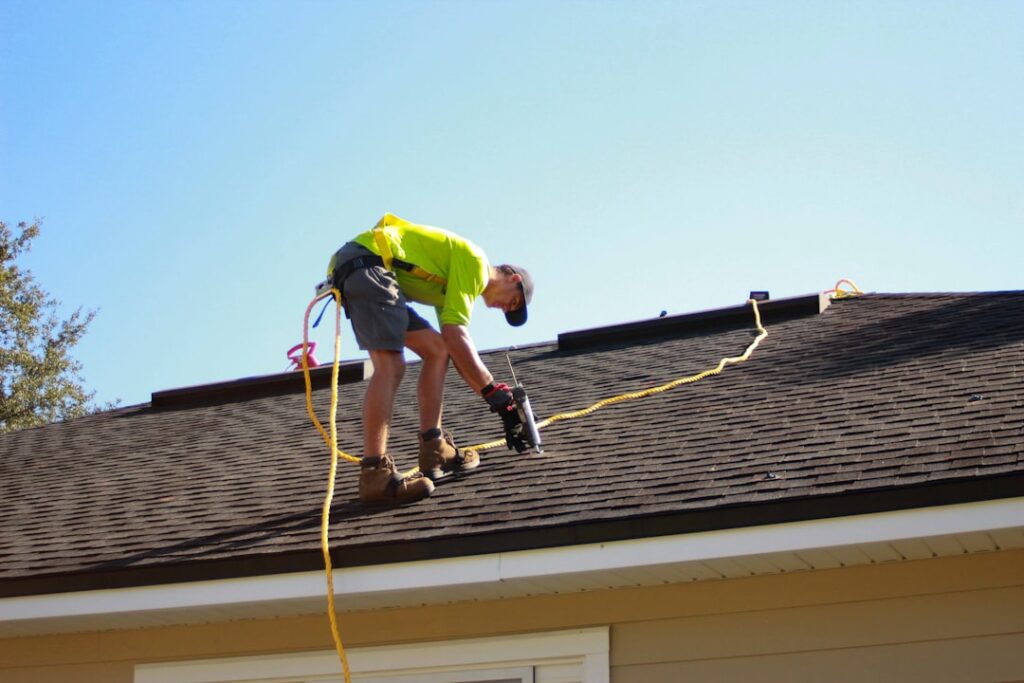
A new roof is one of the largest maintenance bills a homeowner faces, and on the Colorado Front Range it often arrives on hail’s schedule rather than the owner’s. Knowing what drives roof replacement cost makes it easier to read bids, talk with an insurance adjuster and avoid paying for the wrong things. Prices swing widely by material, roof size and pitch, how many old layers must come off, how much decking is damaged, and whether ventilation or flashing needs to be brought up to current standards. This guide breaks down typical cost ranges by material, the factors that push a bid up or down, how hail claims commonly work, signs a roof needs replacement rather than repair, expected lifespans, timing and bidding, and how to avoid storm-chaser contractors. All figures are general industry estimates, not quotes; local labor, material prices and insurance terms vary.
Part of our Structure & Exterior guide — start there for the full picture →
Roof damage or a roof replacement? Get a local roofer on the phone.
📞 Call (833) 850-2469How Much Does a Roof Replacement Cost?
Roofers price work by the “square,” which is 100 square feet of roof surface. A typical Front Range single-family home might have somewhere around 20 to 35 squares of roofing, depending on footprint, pitch and complexity. That roof area is larger than the home’s floor area because of slope and overhangs.
As broad installed estimates including tear-off of one layer:
- Architectural asphalt shingles: often roughly $450 to $750 per square, putting many full replacements somewhere in the range of about $10,000 to $25,000.
- Impact-resistant (Class 4) asphalt shingles: often a premium of roughly 10 to 30 percent over standard architectural shingles, depending on product and supplier.
- Standing-seam metal: commonly $900 to $1,600 or more per square, so totals frequently land around $25,000 to $50,000 or more.
- Stamped metal shingles or panels: often between asphalt and standing-seam pricing.
- Concrete tile: often $900 to $1,500 or more per square, plus possible structural evaluation for the added weight.
- Clay tile and slate: frequently well above those ranges and specialized enough that bids vary greatly.
- Synthetic or composite shakes and slate: commonly priced between premium asphalt and natural slate.
Most Front Range homes are roofed with asphalt shingles, so the first two lines cover the majority of replacements. A simple, low-pitch ranch might fall at the low end, while a steep, cut-up two-story home with dormers, valleys and skylights can exceed the high end.
What Drives Roof Replacement Cost
Size, Pitch and Complexity
More squares means more material and labor, but pitch and shape matter almost as much. Steep roofs require extra safety equipment and slower work, and many roofers add a steep-slope charge beyond a certain pitch. Hips, valleys, dormers, chimneys and skylights each add cutting, flashing and time.
Layers to Tear Off
Older homes sometimes have two layers of shingles. Each extra layer adds disposal weight and labor. Many building codes limit how many layers are allowed, and most roofers recommend a full tear-off so the decking can be inspected, which is also typically required when the existing roof has two layers.
Decking Repair
Once shingles are off, soft, rotted or delaminated plywood or OSB must be replaced. Bids often list a per-sheet price for decking so the homeowner knows the cost if damage is found. Homes with older plank decking may need new sheathing over the top before shingles can be installed.
Flashing, Underlayment and Ice Barrier
Replacement usually includes new synthetic underlayment, drip edge, step and counter flashing, pipe boots and ice-and-water shield at eaves and valleys where required. Reusing old flashing around chimneys or walls is a common corner that gets cut. Skylights are often reflashed or replaced during reroofing, and the guide to a skylight leak explains why that matters.
Ventilation Upgrades
Many roofs are under-ventilated. Adding ridge vent, intake vents or baffles can raise the bid modestly but helps shingle life and reduces moisture and ice problems. ENERGY STAR lists ice dams among the attic problems that air sealing and insulation projects may help address, so ventilation, sealing and insulation work together. The guide to attic ventilation explains balanced intake and exhaust, and the guide to ice dams covers the cold-weather side.
Permits, Disposal and Access
Most Front Range jurisdictions require a permit for reroofing, and many require a final inspection. Permit fees, dumpster and landfill costs, and difficult access, such as tight lots or no driveway space for a dumpster, all show up in the price.
Gutters and Extras
Gutters are sometimes removed and reset or replaced alongside a roof, especially after hail. If guards are being considered, it is efficient to coordinate them with the roof; see the guide to gutter guards.
Choosing a Roofing Material for the Front Range
Price per square is only one part of the decision. Front Range roofs deal with hail, intense high-altitude ultraviolet light, big temperature swings, chinook winds along the foothills and, in some areas, wildfire risk. Each material handles those differently.
Standard Architectural Shingles
The default choice for most homes: widely available, familiar to every roofer and the least expensive up front. Their main weakness locally is hail; a severe storm can mean a full replacement after only a few years.
Class 4 Impact-Resistant Shingles
These have become common on the Front Range because they are designed to hold up better against hail. Some use a rubberized (SBS-modified) asphalt that stays more flexible, others rely on a reinforced mat. The premium over standard shingles can be partly offset if an insurer offers a discount, and owners may avoid some cosmetic claims, but hail resistance still has limits.
Metal
Standing-seam and stamped metal roofs last a long time and shed snow well, which also means snow can slide off in sheets, so snow guards above entries and walkways are worth discussing. Hail can dent some metal panels; thicker gauges and textured finishes hide dents better. Many policies treat cosmetic denting differently from functional damage, so ask how your insurer handles it.
Tile and Synthetic Products
Concrete tile is heavy and may require a structural check, and individual tiles can crack under hail or foot traffic. Synthetic shakes and slates are lighter and often carry impact ratings, though long-term track records vary by product.
Wildfire-Prone Areas
Homes in the wildland-urban interface, including many foothills communities, may face local requirements for fire-resistant roof coverings. Most asphalt shingles, metal and tile can achieve a Class A fire rating when installed as tested, while untreated wood shakes generally cannot. Check local rules before choosing.
Ways to Manage the Cost
- Plan before you are forced to. An aging roof replaced on your own timeline usually allows more bids and better scheduling than an emergency.
- Ask about material tiers. Many manufacturers offer several product lines at different price points.
- Bundle related work. Gutters, skylights and attic insulation are often cheaper to address while crews and equipment are already on site.
- Check insurer incentives. Confirm whether impact-resistant materials would change your premium before deciding.
- Avoid layering over old shingles just to save on tear-off; it hides decking problems and can shorten the new roof’s life.
Hail Damage and Insurance Claims
The Front Range sits in one of the most active hail regions in the country, and many roofs in Denver, Aurora, Colorado Springs and surrounding suburbs are replaced through insurance claims. How a claim plays out depends on the policy, the insurer and the extent of damage, so treat the points below as general background rather than coverage advice.
RCV vs ACV
Policies that pay replacement cost value (RCV) generally cover the cost of replacing the roof with similar materials, minus the deductible, often in two payments: an initial actual-cash-value check, then the withheld depreciation once the work is completed and documented. Policies that pay actual cash value (ACV) deduct depreciation based on the roof’s age, so an older roof may yield a much smaller payment. Some policies apply ACV to roofs only, or switch to ACV once a roof reaches a certain age. Read the declarations page and roof-related endorsements.
Deductibles
Many Colorado policies use a separate wind and hail deductible, sometimes expressed as a percentage of the dwelling coverage rather than a flat dollar amount. A 1 or 2 percent deductible on a home insured for several hundred thousand dollars can be several thousand dollars out of pocket.
Class 4 Shingles and Possible Discounts
Impact-resistant shingles rated Class 4 under the UL 2218 test are designed to resist damage from hailstones better than standard shingles. Some insurers offer premium discounts for qualifying impact-resistant roofs, but availability and amounts vary by company and change over time. Ask your insurer before choosing materials, and keep the product documentation and invoice. Class 4 does not mean hail-proof; large hail can still damage these roofs.
The Claim Process
- Photograph damage from the ground and note the storm date.
- Contact the insurer to open a claim and schedule an adjuster.
- Consider having your own roofer or an independent inspector present during the adjuster’s visit.
- Review the adjuster’s scope line by line, including items such as drip edge, vents, flashing and gutters.
- Keep copies of the final invoice and completion photos for any depreciation release.
Repair or Replace? Signs You Need a New Roof
A roof with a single leak or a few missing shingles often just needs a repair. Replacement becomes more likely when problems are widespread or the roof is near the end of its life.
- Age: asphalt roofs approaching their expected lifespan, especially in strong high-altitude sun.
- Granule loss: bald spots, heavy granules in gutters, or exposed fiberglass mat.
- Curling, cupping or cracking shingles across large areas.
- Widespread hail bruising or fractured mats.
- Sagging decking or soft spots underfoot, which can signal long-term moisture.
- Repeated leaks in different areas.
- Interior signs such as ceiling stains, damp attic sheathing or daylight through the roof boards.
The guide to a roof leak explains how to trace and stop a leak, and the EPA’s mold and moisture guide advises acting quickly when leaks occur, because wet materials dried within 24 to 48 hours usually will not grow mold. For an independent opinion on repair versus replacement, the guide to a roof inspector covers what a dedicated roof evaluation includes.
How Long Do Roofs Last?
Lifespan depends on material quality, installation, ventilation, sun exposure and hail. As general industry expectations rather than guarantees:
- Architectural asphalt shingles: often around 20 to 30 years, sometimes less in intense sun or after repeated hail.
- Impact-resistant asphalt: similar baseline life, with better resistance to hail damage.
- Metal: commonly 40 to 70 years.
- Concrete and clay tile: often 50 years or more for the tile itself, though underlayment may need replacement sooner.
- Slate: can last many decades when properly installed.
Manufacturer warranties often run longer than real-world lifespans and usually require proper installation and ventilation to remain valid. Workmanship warranties from the roofer cover installation errors and vary widely in length. Standard home warranty plans typically exclude roof replacement or cover only limited leak repairs; the guide to home warranty plans explains common exclusions.
Timing and Getting Multiple Bids
Roofers along the Front Range are busiest after major hailstorms, and lead times can stretch for weeks or months. Off-peak periods, such as late fall or dry winter stretches, may offer more scheduling flexibility, though asphalt shingles need adequate temperatures to seal properly and some manufacturers specify cold-weather installation procedures.
If a hail claim is involved, check the policy for deadlines. Many insurers set time limits for reporting damage and for completing repairs to collect withheld depreciation, and waiting until the next storm season can blur which storm caused which damage. Photograph the roof and gutters after every significant storm, even when nothing looks wrong from the ground.
Getting at least three written bids is a common recommendation. To compare them fairly, make sure each one specifies:
- Shingle brand, product line and impact rating.
- Number of layers to be removed and whether a full tear-off is included.
- Underlayment type, ice-and-water shield locations and drip edge.
- Flashing replacement, pipe boots and ventilation changes.
- Decking replacement price per sheet.
- Permit, disposal and cleanup, including magnetic nail sweeps.
- Workmanship warranty length and any manufacturer warranty registration.
Roofing is dangerous work. OSHA’s construction fall prevention campaign identifies falls, including falls from roofs and ladders, as the leading cause of death in construction and emphasizes planning, proper equipment and training. Ask how the crew handles fall protection; a contractor who takes safety seriously is often careful elsewhere too.
Avoiding Storm-Chaser Contractors
After big hail events, out-of-area crews often arrive, knock on doors and offer free inspections. Many are legitimate, but some disappear before warranty issues surface. Colorado has adopted specific consumer-protection rules for residential roofing contracts in recent years, covering items such as written contract terms and cancellation rights after an insurance claim is denied. Details can change, so check current Colorado guidance or ask a local attorney if something in a contract seems unusual.
Red flags include:
- Pressure to sign immediately, especially before an adjuster has visited.
- Offers to “cover” or waive the deductible, which can raise legal and insurance problems.
- Large upfront payments before materials are delivered.
- No local address, no references from recent nearby jobs, or out-of-state plates with no local presence.
- Contracts that assign insurance benefits to the contractor without clear explanation.
- Reluctance to pull a permit.
Verify licensing where your city or county requires it, confirm liability and workers’ compensation insurance, and look for a roofer who will still be around to honor a workmanship warranty years later.
Roofs and Home Inspections
For buyers, the roof is often the single biggest near-term expense uncovered during an inspection. Under the ASHI Standard of Practice, home inspectors inspect roofing materials, roof drainage systems, flashing, and skylights, chimneys and roof penetrations, and describe the roofing materials and the method used to inspect the roof. An inspector may walk the roof, view it from a ladder or use binoculars or a drone, depending on safety and access. The guide to hiring a home inspector explains how to add a dedicated roof evaluation when the main inspection raises questions, such as possible hail damage or an aging roof on an otherwise attractive home.
More Questions About Roof Replacement Cost
How long does a roof replacement take?
Most asphalt shingle roof replacements on a typical home take one to three days. Larger, steeper, or more complex roofs, multiple tear-off layers, and decking repairs can stretch the job to a week.
Metal, tile, and specialty roofs often take longer than shingles. Weather delays are common, and crews generally will not leave the roof open overnight in wet weather. Permit inspections, material deliveries, and cleanup can add time before and after the main work.
Does a home warranty cover roof replacement?
No. Home warranties almost never cover roof replacement. Some plans offer limited roof leak repair as an add-on, with low caps and many exclusions.
Roof replacement after hail, wind, or other sudden damage is typically a homeowners insurance matter, while replacement due to age and wear is usually the owner’s expense. Read the warranty and insurance policy before assuming coverage, and keep records of maintenance and repairs in case of a claim.
Does a new roof increase home value?
A new roof often helps a home sell faster and can support the asking price, but it rarely returns its full cost in added value. Industry estimates commonly place roof replacement recovery at a portion of the project cost.
The bigger benefit is often avoiding a price reduction or failed sale. Buyers, lenders, and insurers may balk at a roof near the end of its life, and a new roof with transferable warranties removes that objection. Impact-resistant roofing can also help with insurance pricing in hail-prone areas.
Can you finance a roof replacement?
Yes. Roof replacements are commonly financed through contractor financing programs, home equity loans or lines of credit, personal loans, or credit cards. Interest rates and terms vary widely, so compare offers.
Some utilities and local programs may offer financing for energy-related upgrades, such as ventilation or reflective roofing. Watch for dealer fees in promotional financing and confirm the total cost of the loan, not just the monthly payment, before signing.
Do you need to be home during a roof replacement?
You do not need to be home during a roof replacement, but someone should be reachable to answer questions, approve change orders for damaged decking, and confirm details such as vent placement.
The work is loud, and nails and debris can fall around the house, so move vehicles, outdoor furniture, and potted plants, and keep pets and children away from the work area. Wall hangings on upper floors can vibrate loose, so taking them down is a sensible precaution.
References
- ASHI Standard of Practice for Home Inspections — American Society of Home Inspectors
- Identify the Problems You Want to Fix — ENERGY STAR
- Fall Prevention Campaign — Occupational Safety and Health Administration
- A Brief Guide to Mold, Moisture and Your Home — U.S. Environmental Protection Agency
Frequently asked questions
How much does it cost to replace a roof?
As rough estimates, architectural asphalt shingles often run about $450 to $750 per square installed, with many full replacements around $10,000 to $25,000. Impact-resistant shingles add a premium, and metal or tile roofs commonly cost two to three times as much or more.
Does homeowners insurance pay for hail damage to a roof?
Many policies cover hail damage, but the payout depends on the policy. Replacement cost policies generally pay to replace the roof minus the deductible, while actual cash value policies deduct depreciation. Colorado policies often have separate wind and hail deductibles.
Are Class 4 shingles worth it in Colorado?
Class 4 impact-resistant shingles are designed to resist hail damage better than standard shingles and cost somewhat more. Some insurers offer discounts for qualifying roofs, but this varies, so ask your insurer before choosing. They are not hail-proof.
How do I know if I need a new roof or just a repair?
Isolated leaks or a few missing shingles often need only repair. Widespread granule loss, curling or cracked shingles, hail bruising, soft decking, repeated leaks or a roof near the end of its lifespan point toward replacement. A roof inspection can help decide.
How many bids should I get for a roof replacement?
At least three written bids is a common recommendation. Make sure each specifies the shingle product, tear-off, underlayment, flashing, ventilation, decking price per sheet, permit, cleanup and warranty terms so the bids can be compared fairly.
Do you need a permit to replace a roof?
Most cities and counties require a building permit for a roof replacement, especially when decking is replaced or the roof covering changes. The roofer usually pulls the permit and schedules inspections. Unpermitted roof work can cause problems with insurance claims and when the home is sold.
What happens to gutters during a roof replacement?
Gutters usually stay in place during a roof replacement, but they can be damaged by ladders, debris, or new drip edge installation. Some owners replace old gutters at the same time to save labor and ensure proper fit. Ask the roofer how gutters will be protected and whether any are included in the bid.
Should a roof be replaced before selling a house?
Replacing a roof before selling makes sense when the roof is leaking or clearly at the end of its life, since that can derail financing and insurance. For an older but functional roof, offering a credit or price adjustment may cost less than a full replacement. A pre-listing inspection helps decide.
Shopping for a Front Range home with an older or hail-worn roof? Let us know and we can connect you with a local inspector who can document the roof’s condition before you negotiate.