Garage Door Replacement Cost: 2026 Prices by Size and Type
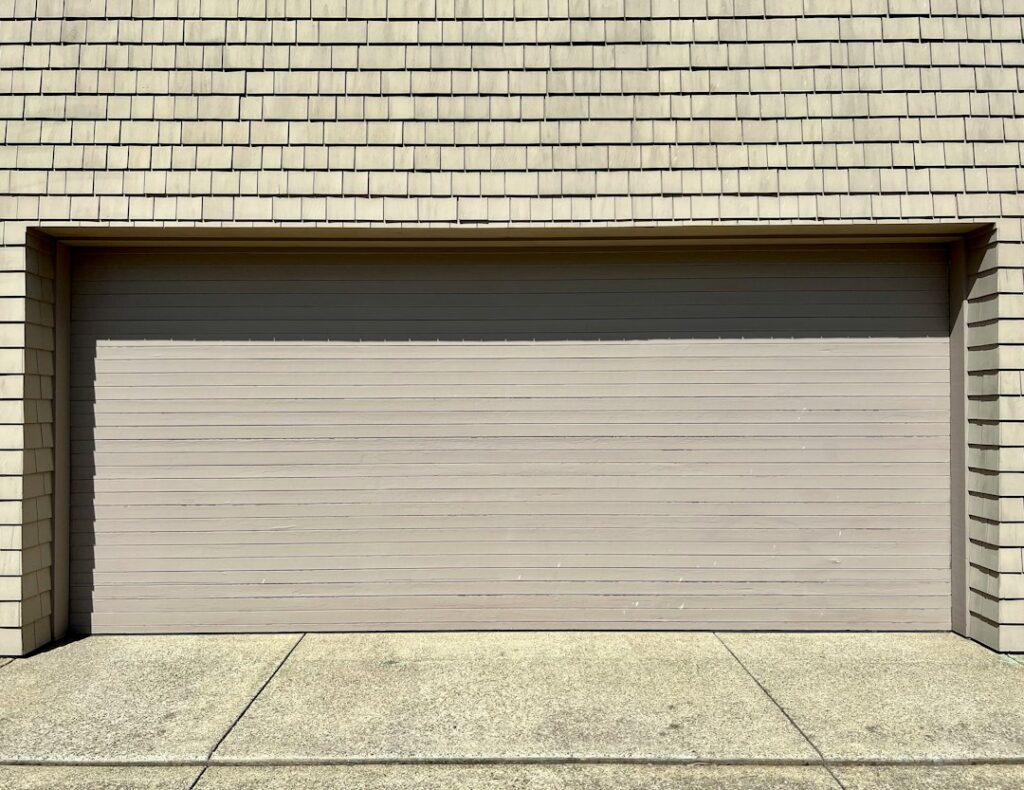
The typical cost to install garage door replacements in 2026 runs from roughly $900 to $2,000 for a basic single steel door and from roughly $1,500 to $4,500 for an insulated double steel door, installed, with wood, glass and custom doors climbing well past $5,000. Those are typical national ranges, not quotes: door size, material, insulation, wind rating, local labor rates and whether the price includes new tracks, springs and haul-away all move the number. This guide breaks down what each line on a quote should cover, how to decide between repairing and replacing, what matters for doors on the Colorado Front Range, and how to tell a fair bid from a padded one. If the door is part of a home purchase, the inspection report is often where the conversation starts, and our overview of garage door installation explains what a proper install involves before you compare prices.
Part of our Structure & Exterior guide — start there for the full picture →
Typical Garage Door Installation Cost at a Glance
Most residential garage doors are sectional overhead doors: four or five horizontal panels that roll up on tracks and are counterbalanced by springs. Installers usually price them as a package that includes the door, the track, the springs and the labor. The table below shows typical installed ranges for common configurations.
| Door type (installed) | Typical national range, 2026 — get local quotes | Notes |
|---|---|---|
| Single (8×7 or 9×7), non-insulated steel | $900–$1,800 | Thin single-layer steel; entry-level builder grade |
| Single, insulated steel (two- or three-layer) | $1,200–$2,800 | Polystyrene or polyurethane core; quieter and stiffer |
| Double (16×7), non-insulated steel | $1,300–$2,800 | Most common replacement on two-car garages |
| Double, insulated steel | $1,800–$4,500 | Higher-gauge skins and polyurethane cores at the top end |
| Wood or wood-look composite (carriage style) | $2,800–$8,000+ | Real wood needs refinishing; composites cost less upkeep |
| Aluminum and glass (full-view) | $2,800–$7,000+ | Glazing type and frame finish drive price |
| Wind-load-rated or impact-rated steel | Add roughly 10–30% over a comparable standard door | Heavier struts, reinforced hardware, labeled design pressures |
| Old-door removal and disposal | $0–$300 | Often bundled; confirm in writing |
| New opener added to the job | $350–$900 | Varies with drive type and smart features |
Two things explain most of the spread inside each row. The first is the door itself: the same size door can come in a thin 25-gauge single skin or a heavier 24-gauge sandwich panel with a foam core, and the price difference between them is real. The second is the scope of the job. A “door only” price that reuses old track and springs looks cheaper on paper than a full system replacement, but it is rarely a like-for-like comparison.
What Drives the Price of a New Garage Door
Every quote is a combination of materials, labor and the condition of the opening. Knowing which lever is doing the work helps you compare bids that look nothing alike.
Size and configuration
A double door uses roughly twice the panel area of a single door, but it does not cost twice as much to install, because one crew, one set of tracks and one spring system handle it. Two single doors on a two-car garage usually cost more than one double door because they need two of everything. Non-standard heights (8 feet tall for trucks or vans) and custom widths push the price up and can add lead time.
Material and construction
- Steel is the default. Thin single-layer doors are the least expensive and dent the easiest. Two-layer doors add a foam layer behind the steel; three-layer doors sandwich the foam between two steel skins.
- Wood looks premium and costs more to buy and maintain. It is heavy, which affects spring sizing and opener choice.
- Wood-look composite and fiberglass overlays give a carriage-house appearance with less refinishing.
- Aluminum and glass doors are popular on modern homes. Clear or tempered glass, frosted glass and insulated glazing units each change the price and the heat loss.
Insulation and R-value
Manufacturers publish an R-value for insulated doors. ENERGY STAR describes R-value as “a measure of insulation’s ability to resist heat traveling through it,” with higher numbers meaning better thermal performance. Garage door R-values are stated by the maker, and not every manufacturer calculates them the same way, so treat comparisons across brands with caution and look at core type (polyurethane foam is usually stiffer and higher-rated per inch than polystyrene) and the quality of the perimeter seals. A well-insulated door with a gap under it still leaks cold air. Our guide to insulated garage doors covers the construction differences in more detail.
Wind-load and impact ratings
FEMA notes that failure of a garage door on an attached garage “can result in rapid pressurization of the house, potentially leading to failure of roof and wall elements.” Its windstorm guidance explains that, under the 2021 International Residential Code, garage doors are tested to recognized standards and labeled with the manufacturer, model and positive and negative design wind pressure ratings. Wind-rated doors use heavier struts and reinforced hinges and track, and they cost more. Whether a specific rating is required where you live is a question for your city or county building department.
Labor, access and the opening itself
Standard installs on a clean, square opening are the baseline. Costs rise when the crew finds rotted jambs or headers, an out-of-level slab, low headroom that needs a special track, or a detached garage without power. Repairing framing around the opening is usually priced separately, and it should be. Removal of the old door is typically one to two hours of labor plus disposal.
Hardware, springs and the opener
A full replacement normally includes new vertical and horizontal track, new springs sized to the new door’s weight, new cables, rollers, hinges and a new bottom seal. Ask whether the springs are standard-cycle or high-cycle (rated for more open-close cycles), since that changes the price and how long until the next spring service. Our breakdown of garage door spring replacement cost shows what spring work costs on its own, which is useful if a bid lists it separately. If the opener is old, noisy or lacks modern safety reversing, adding a new one during the door install is usually cheaper than a separate service call later; our roundup of the best garage door openers is a starting point for choosing a model.
Timing and permits
Some jurisdictions require a permit for garage door replacement, especially when the opening size changes, framing is altered or a wind-rated door is required. Many simple like-for-like swaps do not. Check with your city or county building department rather than relying on the installer’s assumption. Rush jobs, custom orders and peak-season demand (often late fall, when people notice the cold) can also affect price and lead time.
Repair or Replace: How to Decide
Not every tired door needs to come out. Springs, cables, rollers and openers are all replaceable parts, and a single damaged section can sometimes be swapped. The decision usually comes down to the condition of the panels and the cost of the repair compared with a new system.
Some rules of thumb that many homeowners and installers use (they are rules of thumb, not standards):
- The 50% rule. If the repair quote is more than roughly half the cost of a new comparable door, replacement often makes more sense, especially when the door is past mid-life.
- Age. Steel doors commonly last a couple of decades or more with maintenance, while springs and openers wear out much sooner. A 25-year-old thin steel door with rusted bottom panels is a replacement candidate; a 10-year-old insulated door with a broken spring is not.
- Multiple damaged panels. Replacing one section is reasonable when a matching panel is still available. When two or more sections are damaged, or the model has been discontinued and colors no longer match, a full door is usually the better value. Our guide to garage door panel replacement explains when a section swap works.
- Energy and comfort goals. If the garage is heated, used as a workshop or sits under a bedroom, upgrading from a single-layer door to an insulated one is a real comfort improvement that a repair cannot deliver.
- Safety. A door that is badly out of balance, has bent struts or has a track pulling off the wall should be taken out of service until it is evaluated.
If you are on the fence, ask the installer to price both options in writing. A trustworthy contractor will tell you when a repair makes sense, even though a new door is a bigger sale.
How to Read a Garage Door Quote
A quote for a new door should read like a parts and labor list, not a single lump sum. Get two or three written quotes for the same door specification so you are comparing like with like.
Line items that should be there
- Door make, model or series, size, color and window options
- Construction: number of layers, steel gauge, core type and the manufacturer’s stated R-value
- Wind rating or design pressure, if one applies
- New track and mounting hardware (yes or no)
- Spring type (torsion or extension), size and cycle rating
- New cables, rollers (steel or nylon) and hinges
- Bottom seal, perimeter weatherstrip and any retainer
- Removal and disposal of the old door
- Opener work: reconnect existing, adjust force settings, or install new
- Framing or jamb repair, priced separately if needed
- Permit (if required) and who pulls it
- Warranty terms for the door, the hardware and the labor
Red flags
- A price with no model number. You cannot compare “insulated double door” against another bid without the specification.
- Reusing old springs and track on a heavier new door. Springs are sized to door weight. A heavier insulated door on old springs will be hard on the opener and may not balance.
- “Today only” pricing or pressure to sign at the door. Legitimate pricing does not expire before you can get a second quote.
- Bundled “whole-system” packages that add a premium opener, extended maintenance plans and accessories you did not ask for. Ask for the door price on its own.
- No mention of permits where your jurisdiction requires them, or a suggestion to skip one to save money.
- A large cash deposit for a stock door. Deposits are normal for custom orders; ask what the deposit covers.
Questions to ask
- Will you remove and replace the track, springs and cables, or reuse any of them?
- What cycle rating are the springs, and what is the spring warranty?
- How is the R-value measured for this door, and what seals are included?
- Will you test the opener’s reversing function and adjust force settings after the install?
- Who handles a permit and inspection, if one is needed?
- What happens if you find rotted framing when the old door comes out?
Front Range Factors That Affect Door Choice and Cost
The Front Range is hard on garage doors in a few specific ways. These are reasons to spend a little more in some areas and not in others.
Hail
Hail is the most common reason doors get replaced here outside of plain old age. Thin single-layer steel dents easily, and once the dents are there they do not come out. Heavier-gauge steel skins and insulated sandwich construction resist denting better, and textured or woodgrain-embossed finishes hide small dings that would show on a smooth, flat panel. If a storm has damaged the door, document it with photos before any work begins; whether a homeowner’s policy covers it depends on the policy, so check with your insurer before choosing a door.
Cold winters and wind
Front Range winters bring hard cold snaps, and an uninsulated door on an attached garage turns that space into a cold box next to the house. An insulated door, a good bottom seal and tight perimeter weatherstrip make a noticeable difference, particularly when bedrooms sit above the garage. If you are keeping the existing door for now, an insulation kit and new seals are inexpensive improvements; see our picks for the best garage door insulation kits and the best garage door seals. Strong downslope winds near the foothills and open exposure on the eastern plains also put real load on wide double doors. FEMA’s tornado and windstorm guidance points out that tornadoes are not limited to the central and southeastern states and generally occur throughout the region east of the Continental Divide, which includes the Front Range. A door with a labeled wind rating and properly fastened track is worth discussing if your home sits in an exposed location.
Dry air and intense sun
Low humidity and strong high-altitude sun are tough on wood doors and painted finishes. Wood can check and crack, and stain or paint on south- and west-facing doors fades faster. If you want the look of wood, a composite or embossed steel door may hold up with far less maintenance.
Expansive soils and slab movement
Expansive clay soils along parts of the Front Range can heave or settle a garage slab. When the floor is no longer level, the new door’s bottom seal may leave a wedge-shaped gap on one side, and the opener’s close limit may need adjustment. Ask the installer to look at the slab and discuss whether a thicker bottom seal or threshold seal is needed.
Older homes and painted wood doors
EPA’s Renovation, Repair and Painting Rule requires that anyone paid to perform work that disturbs painted surfaces in homes built before 1978 be certified. EPA notes that lead-based paint on surfaces subject to friction, like doors, can create hazardous chips and dust. If you are removing an old painted wood garage door from a pre-1978 home, ask the installer how they handle lead-safe work practices.
A Worked Example: Comparing Two Double-Door Bids
Consider a two-car attached garage in a suburban Front Range neighborhood with a 30-year-old non-insulated steel door, hail dents on the bottom two sections, extension springs and an opener that is about 15 years old.
- Bid A quotes a non-insulated double steel door at the low end of the range, “installed,” with no mention of track, springs or disposal.
- Bid B quotes a three-layer insulated door with a 24-gauge embossed skin, new torsion springs sized to the door, new track, nylon rollers, new bottom and perimeter seals, haul-away and a reconnect of the existing opener with force settings adjusted, at a price toward the middle of the insulated range.
Bid A looks cheaper, but it may be reusing old extension springs and track that were sized for a lighter door and are already worn. Bid B costs more but replaces every wear part, resists hail better and makes the garage warmer. The fair comparison is to ask Bid A’s contractor to price the same scope. Often the gap shrinks, and sometimes it reverses. A reasonable homeowner might also ask Bid B whether replacing the 15-year-old opener now would save a second service call later.
How a Home Inspection Flags Garage Door Problems
The American Society of Home Inspectors Standard of Practice includes garage vehicle doors and garage vehicle door operators in the list of interior components an inspector shall inspect. In practice, a home inspector operates the door with the normal controls and looks for conditions such as:
- Dented, cracked or rusted panels and bent reinforcing struts
- Track that is loose, bent or pulling away from the wall or ceiling
- Worn rollers, frayed cables or damaged hinges
- A door that drifts, slams or is clearly out of balance
- Missing or deteriorated bottom seal and weatherstrip
- An opener that does not reverse when the door meets an obstruction, or safety sensors that are missing, misaligned or mounted too high
The U.S. Consumer Product Safety Commission’s garage door safety publication recommends testing the opener’s reverse function and inspecting the garage door and opener every 30 days, and checking the springs, hardware and fittings. An inspector will typically recommend evaluation by a qualified garage door contractor when springs, cables or balance are in question, because those parts are under tension and are not a safe do-it-yourself project. The report will not usually price the work, which is why understanding typical ranges before you negotiate is useful.
When to Call a Garage Door Pro or an Inspector
Call a garage door contractor when the door will not stay balanced, a spring or cable has broken, a panel is cracked through, or you are ready to price a new door. Ask for written quotes from at least two or three companies that list the full scope of work. Call a home inspector when you are buying a home and want the garage door, opener and the rest of the property evaluated together, or when you want an independent look before deciding between repair and replacement.
If you are buying or selling a home on the Front Range and want a clear picture of the garage door and the rest of the house before you negotiate, contact our team to schedule an inspection.
References
- Improving Windstorm and Tornado Resilience: Recommendations for One- and Two-Family Residential Structures — FEMA
- Recommended Home Insulation R-Values — ENERGY STAR
- Non-Reversing Automatic Garage Door Openers Are a Hazard — U.S. Consumer Product Safety Commission
- Lead Renovation, Repair and Painting Program — U.S. Environmental Protection Agency
- ASHI Standard of Practice for Home Inspection — American Society of Home Inspectors
Frequently asked questions
How much does it cost to install a new garage door?
Typical national installed ranges in 2026 run from about $900 to $2,000 for a basic single steel door and about $1,500 to $4,500 for an insulated double steel door. Wood, glass and custom doors can exceed $5,000. Local labor rates and scope change the price, so get two or three written quotes.
Does a new garage door price include springs and tracks?
A full replacement usually includes new track, springs sized to the new door, cables, rollers and seals, but not every quote does. Ask each installer to confirm in writing which parts are new and which are reused.
Is an insulated garage door worth it in Colorado?
For attached garages, heated garages or garages under bedrooms, an insulated door with good seals usually improves comfort noticeably during Front Range winters. Insulated sandwich doors also tend to resist hail dents better than thin single-layer steel.
Should a garage door be repaired or replaced?
A common rule of thumb is to replace when the repair costs more than about half of a comparable new door, or when several panels are damaged and matching sections are unavailable. Springs, cables, rollers and openers on a sound door are usually worth repairing.
Do you need a permit to replace a garage door?
It depends on the jurisdiction and the scope. Like-for-like swaps often do not need one, while changes to the opening, framing or wind-rated requirements may. Check with your city or county building department before work begins.
Buying a home with a dented or sagging garage door? Get in touch with our team to arrange a Front Range home inspection.