Vinyl Fence Installation Cost: Styles, Posts and Per-Foot Ranges
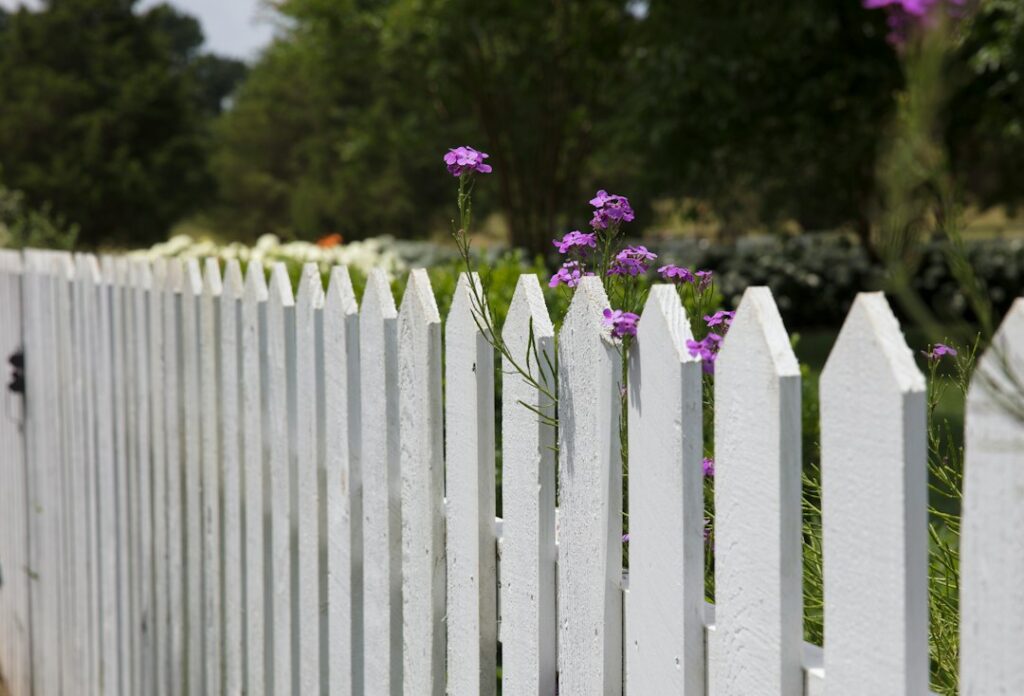
Vinyl fence installation cost typically runs about $20 to $40 per linear foot for a 4-foot picket fence and about $30 to $60 per linear foot for a 6-foot privacy fence, with gates, reinforced posts and old-fence removal priced on top. Heavier profiles, textured or wood-grain finishes, colors other than white and decorative toppers push prices toward the upper end and sometimes beyond it. Vinyl, also called PVC fencing, costs more upfront than pressure-treated wood but needs far less upkeep, which is why many homeowners compare the two over a 20-year horizon rather than on day one. This guide covers typical 2026 national ranges by style, explains why panel quality and post reinforcement matter so much on the windy, sunny Front Range, walks through repair-or-replace logic and shows what a solid vinyl fence quote should include. Every number here is a planning range; get written local quotes for an actual project.
Part of our Structure & Exterior guide — start there for the full picture →
Planning a new fence? Get a quote from a local fence installer.
📞 Call (866) 636-8383Typical Vinyl Fence Installation Cost by Style
Vinyl fencing is sold as pre-made panels that slide or rout into hollow posts. Installers usually quote per linear foot for a given style and height, with gates and extras listed separately.
| Style and height (typical national range, 2026 — get local quotes) | Typical installed cost per linear ft |
|---|---|
| Picket, 3–4 ft | $20–$40 |
| Post-and-rail (ranch), 2–3 rail | $15–$35 |
| Semi-privacy (spaced pickets or lattice top), 5–6 ft | $28–$50 |
| Full privacy, 6 ft, white, standard profile | $30–$55 |
| Full privacy, 6 ft, heavy profile, tan/gray/wood-grain | $40–$70+ |
| Privacy, 8 ft (where allowed) | $45–$80+ |
| Walk gate, 4 ft, with steel-reinforced frame | $400–$1,000 each |
| Double drive gate, 10–12 ft | $1,000–$2,500+ each |
| Aluminum post inserts or steel reinforcement | $15–$60+ per post |
| Old fence removal and haul-away | $3–$10 per linear ft |
To see how the ranges stack, consider 140 feet of 6-foot white privacy vinyl with one walk gate on flat ground. The fence line alone runs roughly $4,200 to $7,700 at $30 to $55 per foot. Add a walk gate at $400 to $1,000 and removal of an old wood fence at $420 to $1,400, and the total typically lands around $5,000 to $10,100. Reinforcing every terminal post adds a few hundred dollars more. That is an illustration, not a bid.
For a broader look at how vinyl compares on appearance and durability before pricing, our guide to vinyl fences covers styles, grades and common problems.
Privacy, Semi-Privacy and Picket: How Style Affects Price
Full privacy
A privacy fence uses tongue-and-groove boards locked between a top and bottom rail, leaving no gaps. It uses the most material and catches the most wind, so it is also the style that most needs strong posts and good footings. For homeowners deciding whether vinyl is the right privacy material at all, our guide to privacy fences compares it with wood and composite.
Semi-privacy
Semi-privacy styles use alternating pickets, small gaps between boards or a lattice topper. They let some air pass, which helps in windy yards, while still screening most of the view. Lattice toppers look good but add cost and create one more component that can crack from hail or impact.
Picket and post-and-rail
Picket fences are shorter and use less material, which makes them the least expensive vinyl style per foot. Post-and-rail styles are popular on larger lots and acreage along the eastern plains, where boundary definition matters more than privacy. Some pool barriers use vinyl picket designs built specifically to meet barrier rules.
What Drives Vinyl Fence Installation Cost
Panel quality and wall thickness
Not all vinyl is equal. Thicker walls, stronger rail profiles and better UV inhibitors in the compound cost more but resist sagging, cracking and fading. Cheap panels can look identical in a showroom and still fail years earlier. Ask for the product line, the rail and post dimensions and the manufacturer warranty, and compare those between bids.
Post reinforcement
Vinyl posts are hollow. On their own, they flex in wind and can crack at the base. Most quality installations fill gate posts and often corner and end posts with concrete or insert aluminum or steel stiffeners. Reinforcing gate posts is close to mandatory for a gate that will stay aligned, and reinforcing every post is worth considering on exposed lots. Our guide to fence posts explains post types and setting methods in more detail.
Color and finish
White is usually the least expensive. Tan, gray, clay and wood-grain textures cost more and sometimes have longer lead times. Darker colors absorb more heat, which can increase thermal expansion and the risk of warping in direct sun, so many manufacturers limit dark colors to certain profiles.
Gates
Vinyl gates need an internal metal frame or they will sag. Self-closing hinges, self-latching hardware, keyed locks and wider openings all add cost. Drive gates are where vinyl systems most often show their weakness, and some homeowners choose an aluminum drive gate alongside a vinyl fence for that reason.
Terrain and slope
Vinyl panels are rigid and are usually stepped on slopes rather than racked, though some styles rack slightly. Stepping leaves triangular gaps under each panel on steeper grades, which may need filler or landscaping if pets must be contained. Steep or uneven ground adds labor and often custom cutting.
Soil, rock and access
Rocky soil, clay and limited access slow post-hole digging and raise labor. Long runs behind landscaping, along retaining walls or through tree roots also add time.
Permits, HOA rules and locates
Check with the city or county building department on height limits and permits, and confirm HOA rules on color and style. Call 811 before any digging. If the property line is unclear, settle it before posts go in.
Front Range Factors for Vinyl Fences
Vinyl handles dry air well because it does not rot, but several local conditions affect how long it looks good and stays straight.
Wind loading
Solid vinyl privacy panels act like sails. Strong winds along the foothills and across open plains lots can crack posts at grade, pop panels out of rails and rack gates out of square. Reinforced posts, closer post spacing on exposed runs and deeper footings are the usual answers, along with choosing semi-privacy styles that let some wind through. Ask any installer what they do differently for a windy lot.
Cold-weather brittleness and hail
PVC becomes less flexible in cold weather. An impact that would only flex a panel in July, such as a thrown ball, a snow shovel or a falling branch, can crack it in January. Hail can also crack or puncture lower-grade vinyl, especially on caps and lattice. Heavier profiles and better compounds generally handle impact better, and keeping a few spare panels or pickets from the same production run makes later repairs easier to match.
UV at altitude
High-altitude sunlight is strong, and lower-quality vinyl can yellow, chalk or turn brittle over years. UV-stabilized compounds and a meaningful fade warranty matter more here than at sea level. Colored vinyl usually fades faster than white.
Frost depth and expansive clay
Freeze-thaw cycles can lift posts that are set too shallow, and vinyl panels do not tolerate post movement well: one heaving post can bind or pop a whole panel. As a rule of thumb, check your building department, but Front Range frost depths are commonly 30 to 36 inches, and many installers set posts at or below that depth. Our guide to frost heave explains the mechanism. Expansive clay can cause similar seasonal movement, so drainage around footings matters.
Vinyl Versus Wood: Upfront and Lifetime Cost
Vinyl typically costs more to install than pressure-treated wood, often by somewhere around 20 to 50 percent depending on grades. The gap narrows over time because vinyl does not need stain or sealer. Wood privacy fences in the dry, high-UV Front Range climate commonly need restaining every few years, either as a DIY project or a paid service, and boards and posts eventually need replacement.
- Choose vinyl when low maintenance is the priority, the lot is not extremely windy or the budget covers reinforced posts, and a clean, uniform look fits the home and HOA.
- Choose wood when upfront cost matters most, a natural look is preferred, the fence may need frequent modification, or the property is in a very exposed, high-impact location where individual boards are cheaper to replace.
Vinyl fences can still need maintenance: occasional washing to remove dust and mildew near sprinklers, re-seating panels that slip out of rails, and tightening gate hardware.
Repair or Replace a Vinyl Fence
Vinyl repairs are usually about swapping parts. A cracked picket, rail or cap can often be replaced individually if the product line is still available. These rules of thumb help with bigger decisions; they are not hard formulas.
- Isolated cracks: replace the damaged panel or part. Color match can be imperfect on older fences that have weathered.
- Leaning posts: reset or reinforce the post. If many posts lean, footings were likely too shallow or the soil is moving.
- Widespread brittleness or chalking: when panels crack at the slightest impact and the finish has degraded, the material is near the end of its useful life.
- The half-cost rule of thumb: once repairs approach roughly half the cost of a new fence, replacement often makes more sense.
- Discontinued product: if replacement parts are no longer made, a large repair can become a replacement by default.
What a Good Vinyl Fence Installation Looks Like
Knowing the steps makes it easier to judge whether a quote, and later the finished fence, reflects careful work.
- Layout and locates. The crew confirms property corners, calls 811 and marks the line with stakes and a string line. Gate locations and swing directions are settled before any hole is dug.
- Post holes. Holes are dug to the planned depth and diameter. Vinyl systems have little tolerance for spacing errors, because panels come in fixed widths, so post spacing is measured off the actual panels rather than estimated.
- Setting posts. Posts are set plumb and at consistent height, commonly in concrete, with gravel at the base for drainage in many installs. Gate and terminal posts receive reinforcement before the concrete cures.
- Panels and rails. Rails slide into routed holes or brackets, and boards lock into the rails. Good installers leave the small expansion allowances the manufacturer specifies, because vinyl grows and shrinks noticeably between a hot summer afternoon and a cold winter night.
- Gates and hardware. Gates are hung after posts have set, then adjusted so they swing freely and latch without force.
- Caps and cleanup. Post caps are glued or snapped on, cut scraps are removed and the yard is restored around the fence line.
After installation, a quick walk of the line can reveal problems early: panels that are visibly bowed, posts out of plumb, gaps where boards have not fully locked into rails, or a gate that must be lifted to latch. These are easiest to fix while the crew is still on site or under the labor warranty.
DIY Vinyl Fence Installation
Vinyl is sold in kits, and many homeowners consider installing it themselves to save labor, which commonly makes up a large share of the installed price. On a flat, short run with soft soil, DIY can work well. The challenges are precision and post setting: an error of an inch in post spacing can leave a panel that will not fit, and a post that is slightly out of plumb is obvious along a straight run of white vinyl. Hollow posts must be reinforced correctly, gates must be hung square, and slopes require careful stepping. Projects with long privacy runs on windy lots, drive gates, rocky ground or a pool barrier generally justify professional installation.
Upkeep That Protects the Investment
Vinyl needs less care than wood, but a few habits extend its life:
- Rinse dust and mildew off once or twice a year, especially where sprinklers spray the panels.
- Keep grills, fire pits and patio heaters well away from the fence, since vinyl softens and warps with heat.
- Watch for warping on panels that face large windows; concentrated reflected sunlight from some glass can overheat vinyl in certain spots.
- Avoid piling snow against panels or hitting them with snow-blower discharge in cold weather, when the material is less flexible.
- Check gate hardware and latch alignment each spring after freeze-thaw season.
How to Read a Vinyl Fence Quote
Ask two or three installers to quote the same design in writing. Then compare:
- Linear footage, height, style and color
- Manufacturer and product line, with post and rail dimensions
- Which posts are reinforced, and with what (concrete fill, aluminum insert or steel)
- Post depth and footing method
- Gate sizes, internal frames and hardware
- How slopes are handled (stepped or racked) and how gaps under panels are treated
- Removal and disposal of the existing fence
- Permit, HOA approval and 811 locate responsibilities
- Manufacturer warranty and the installer’s labor warranty, both in writing
Red flags
- No manufacturer or product line named
- No reinforcement on gate posts
- Post depth not stated, or set well above typical local frost depth
- “Lifetime” warranty with no written terms
- Pressure to sign the same day or pay a large cash deposit
- Bundled toppers, decorative caps or extra gates that were not requested
Removing an old wood fence first
Many vinyl projects replace an older wood fence. EPA notes that wood treated with chromated arsenicals was used in residential structures before 2004, advises against burning CCA or other preservative-treated wood, and recommends goggles and a dust mask when sawing it. Ask how the crew will cut and dispose of the old fence. Breaking out old concrete footings also creates dust, and NIOSH notes that cutting and drilling concrete can release respirable crystalline silica.
Pool Barriers, Home Inspections and When to Call a Pro
Vinyl is a common choice around pools because it is smooth and needs little care, but a pool fence must work as a barrier. CDC drowning prevention guidance recommends a four-sided fence at least four feet high that fully encloses the pool and separates it from the house, with self-closing and self-latching gates. Local codes add details, so confirm with the building department. Our guide to pool safety fences covers barrier options and what to check.
A home inspection usually does not cover fences in depth. The ASHI Standard of Practice states that inspectors are not required to inspect fences, boundary walls and similar structures, though they do look at grading and drainage that can affect the house. Buyers should check vinyl fences themselves for cracked or brittle panels, leaning posts, sagging gates, yellowing and panels slipping out of rails, and ask a fence contractor to evaluate anything significant. The structure and exterior inspection hub explains what inspectors cover around the outside of a home.
Front Range buyers who want a qualified inspector to review a home before closing can get in touch with our team to schedule an inspection.
References
- Preventing Drowning — Centers for Disease Control and Prevention
- ASHI Standard of Practice for Home Inspection — American Society of Home Inspectors
- Chromated Arsenicals (CCA) — U.S. Environmental Protection Agency
- Silica and Worker Health — National Institute for Occupational Safety and Health (CDC)
Frequently asked questions
How much does vinyl fence installation cost per foot?
Typical installed ranges are about $20 to $40 per linear foot for 4-foot picket and about $30 to $60 for 6-foot privacy, with heavier profiles and colors running higher. Gates, reinforced posts and old-fence removal add to the total, so compare two or three written local quotes.
Is vinyl fencing more expensive than wood?
Vinyl usually costs more to install than pressure-treated wood, often by somewhere around 20 to 50 percent. Because it does not need staining or sealing, the lifetime cost gap narrows over the years, especially in the dry, sunny Front Range climate where wood needs frequent upkeep.
Do vinyl fences hold up to Colorado wind?
They can, if posts are reinforced and set deep enough. Solid privacy panels catch a lot of wind, so exposed lots benefit from aluminum or steel post inserts, concrete-filled gate posts, closer post spacing or a semi-privacy style that lets some air through.
Does vinyl fencing crack in cold weather?
PVC becomes less flexible in cold temperatures, so impacts from shovels, balls or hail are more likely to crack panels in winter. Heavier profiles and quality compounds handle impacts better, and individual damaged parts can usually be replaced if the product line is still available.
How long does a vinyl fence last?
A quality vinyl fence commonly lasts somewhere around 20 to 30 years as a rule of thumb. Strong UV at altitude, hail, wind and shallow posts can shorten that, while reinforced posts, UV-stabilized material and a good warranty help it reach the upper end.