Vinyl Fence: Wind, Cold Cracking and Post Footings
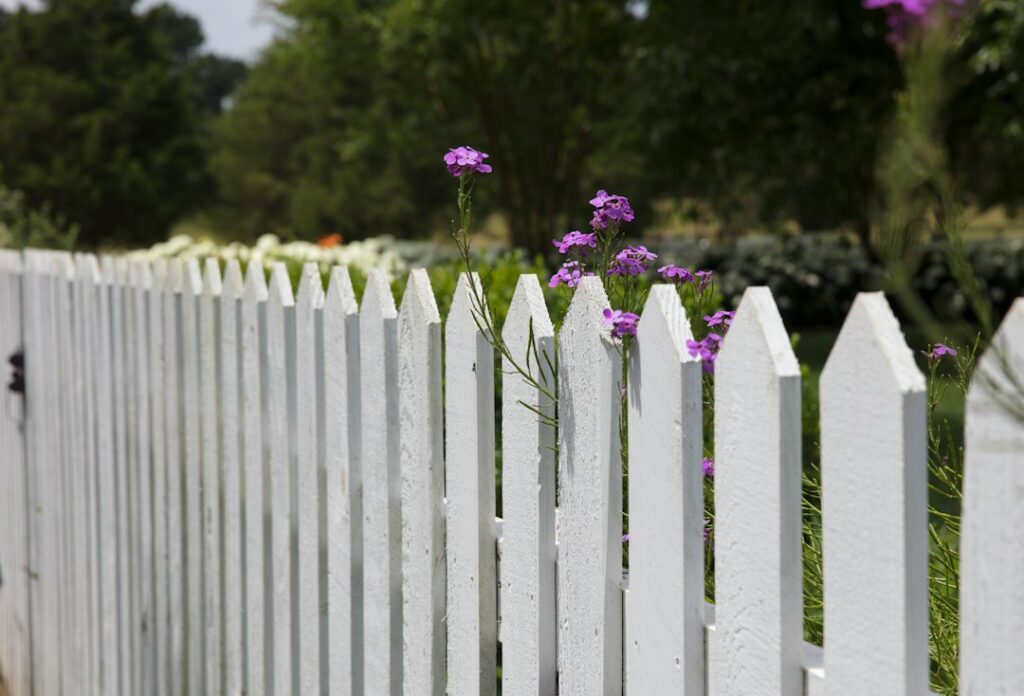
White vinyl fencing has become a fixture of newer Front Range subdivisions, from Castle Rock to Fort Collins. It does not need paint or stain, it does not rot, and it looks crisp for years when installed well. A vinyl fence is not maintenance-free, though. Colorado tests it hard: subzero cold snaps make PVC more brittle, spring hail can punch holes in panels, and chinook and downslope winds push against solid privacy panels with real force. Footings that are too shallow or posts that lack reinforcement show up as leaning sections and popped rails. This guide explains how vinyl fences are built, why they crack, what wind and frost do to posts, how to clean mildew and green film, what HOAs and property lines mean for replacement, how vinyl compares to wood for wildfire exposure, and what repairs and new installations typically cost.
Part of our Structure & Exterior guide — start there for the full picture →
Planning a new fence? Get a quote from a local fence installer.
📞 Call (866) 636-8383What a Vinyl Fence Is and How It Is Assembled
A vinyl fence is built from hollow extruded polyvinyl chloride (PVC) profiles: square posts, horizontal rails, and pickets or interlocking tongue-and-groove boards. Unlike wood fencing, the parts are not nailed together. Rails slide into routed holes in the posts and are locked with tabs, brackets or screws, and boards or pickets slip into channels in the rails. Caps snap onto the top of each post.
Common styles include:
- Privacy, with solid tongue-and-groove boards, usually 5 or 6 feet tall.
- Semi-privacy, with small gaps or lattice tops that let some air and light through.
- Picket, typically 3 to 4 feet tall with spaced pickets, often used in front yards.
- Post-and-rail, a ranch-style fence with two to four horizontal rails, common on larger lots.
Quality varies more than many buyers realize. Wall thickness of the extrusions, the amount of impact modifier and UV inhibitor in the PVC compound, the depth of the rail routing, and whether the posts are reinforced all affect how a fence handles Colorado weather. Two fences that look identical from the street can perform very differently after a few winters.
Why Vinyl Fences Crack in Cold Weather and Hail
PVC becomes stiffer and less impact-resistant as temperatures drop. A fence that shrugs off a soccer ball in July can crack when struck by the same ball, a snow shovel or a sliding chunk of ice in January. Cracks most often appear:
- At the bottom rail and lower boards, where snow is shoveled or blown against the fence.
- Near gates, where repeated slamming stresses the frame and hinge attachments.
- At rail ends, where the rail is locked into the post and expansion has nowhere to go.
- Along the face of boards struck by mowers, string trimmers or thrown objects.
Thermal movement adds another stress. Vinyl expands in heat and contracts in cold more than wood does. Rails installed too tightly in summer can pull partly out of their post holes in winter, and rails cut too short can pop free entirely. Well-designed systems leave room for this movement inside the post routing.
Hail damage
Large hail is a regular event along the Front Range, especially across the eastern metro and plains. Vinyl panels can show round punctures, star cracks or fractured post caps after a severe storm. Damage is not always obvious from a distance, so checking the side of the fence that faced the storm is worthwhile. Many homeowners policies cover fence damage from hail as an “other structure,” subject to the deductible and policy terms. Photographing damage promptly and keeping the original installation records can help with a claim.
UV and discoloration
Colorado’s high-altitude sun is intense. Lower-quality vinyl can chalk, yellow or become brittle with long UV exposure, which compounds cold-weather cracking. Better products include UV inhibitors such as titanium dioxide in the outer layer. Manufacturer warranties often describe how they handle fading and discoloration, and it is worth reading those terms before buying.
Wind Loads and Post Reinforcement
A solid privacy fence acts like a sail. Every square foot of panel catches wind and transfers the load down through the posts into the ground. Front Range locations near the foothills, including parts of Boulder, Golden, Arvada and Douglas County, can see strong downslope winds in winter and spring. On open lots east of Interstate 25, there may be little to break the wind at all.
Vinyl posts are hollow and have limited stiffness on their own. Common reinforcement methods include:
- Steel or aluminum post inserts slid inside the vinyl post, especially at gates, corners and ends.
- Concrete-filled posts, where concrete or concrete with rebar fills part or all of the post height. Practices vary by manufacturer, and some advise against fully filling posts.
- Metal rail stiffeners inside the bottom rail to prevent sagging over long spans.
Signs that a vinyl fence is losing the battle with wind include posts that rock when pushed, panels that lean together in one direction, rails pulling out of posts, and cracked post bottoms just above the footing. A fence that moves noticeably in a stiff breeze is likely to fail during a stronger event.
Semi-privacy styles with gaps or open lattice reduce wind load compared with fully solid panels. Where a solid fence is required, shorter post spacing, reinforced posts and deeper footings are typical responses. The right combination depends on the manufacturer’s engineering and local requirements.
Footings, Frost Heave and Drainage
Most vinyl fence posts are set in concrete footings. Recommended depth and diameter vary by fence height, wind exposure, soil and the manufacturer’s installation guide. Many installers target a depth at or below the local frost line, but local fence rules differ, and some municipalities do not regulate fence footings at all. The manufacturer’s instructions and the local building department are the authorities here.
Frost heave pushes posts upward when water in the soil freezes and expands. Expansive clay soils in parts of the Denver metro area can add seasonal swelling and shrinking on top of that. Common signs include:
- Posts sitting at different heights, with the top line of the fence wavy instead of level.
- Concrete footings visible above grade or tipped at an angle.
- Gaps opening under the bottom rail.
- Rails pulled partly out of their posts as neighboring posts move apart.
Drainage plays a large role. Sprinklers aimed at the fence line, downspouts that discharge along the fence and grading that pools water around posts all keep soil wet and make heave more likely. Footings that flare wider at the top give frost more to grab. Keeping water away from posts is one of the simplest long-term protections.
Cleaning Mildew, Green Film and Stains
Vinyl does not rot, but its surface can collect dirt, pollen, algae and mildew, especially on the shaded north side of a fence or where sprinklers keep it damp. Green or black film along the lower boards is common.
Gentle methods are usually enough. The U.S. Environmental Protection Agency’s mold guidance for homes advises scrubbing mold off hard surfaces with detergent and water and drying them completely. The same guidance says chlorine bleach is not recommended as a routine practice for mold cleanup and warns never to mix bleach with cleaners containing ammonia because toxic fumes could result. For a fence, practical steps include:
- Rinsing with a garden hose to remove loose dirt.
- Scrubbing with a soft brush and mild detergent solution.
- Rinsing thoroughly and letting the surface dry.
- Adjusting sprinkler heads so they no longer wet the fence.
Pressure washers can work on vinyl, but high pressure or a narrow tip held close can etch the surface, force water into post caps and joints, or crack cold, brittle panels. Abrasive pads and harsh solvents can dull the finish. Checking the manufacturer’s care instructions protects the warranty.
HOA Rules, Property Lines and Easements
Vinyl fences are especially common in HOA communities, and many HOAs specify the color, style, height and even the manufacturer of allowed fencing. Some require written architectural approval before any replacement, even for an identical section. Buyers should review HOA covenants and design guidelines for fence rules, and sellers should note whether a fence was installed with approval.
Property lines matter as well. Fences in newer subdivisions are sometimes shared with neighbors or installed along lot lines by the builder, and later replacements may drift. A current property survey can show where the line actually runs. Utility and drainage easements often follow rear and side lot lines, and a fence built across an easement may need to be removed at the owner’s expense if the utility needs access. The easement guide explains how to find recorded easements and what they can restrict.
Permits and height limits are set locally. Many Colorado jurisdictions allow back-yard fences up to a certain height without a permit but limit front-yard height and fences near corners or driveways where sight lines matter. Check with the city or county before replacing or extending a fence.
Vinyl vs Wood in Wildfire Areas
Fences can carry fire toward a house. The U.S. Fire Administration, discussing research by the National Institute of Standards and Technology (NIST), lists nearby fuels such as fences, sheds and woodpiles among the places where embers can lead to structure ignition. The same USFA article recommends using metal or stone fence materials where a house and a wooden fence meet, keeping 5 feet between the house and the wooden fence, and cites NIST research on wind-driven fire spread to structures from fences and mulch.
Vinyl is often marketed as an alternative to wood, but PVC is a plastic, not a noncombustible material. It can soften, melt and burn when exposed to flame or high radiant heat. The USFA article describes a burning piece of a child’s plastic playhouse, about 3 feet wide, that landed in vegetation in Superior, Colorado, during the Marshall Fire and ignited mulch a quarter mile from the fire. That is not a test of vinyl fencing, but it shows that plastic items can carry fire under extreme wind.
For homes in or near the wildland-urban interface, a noncombustible transition section, such as metal panels or masonry, where a vinyl or wood fence attaches to the house is a reasonable precaution to discuss with a contractor. The defensible space guide covers the zones around a home and how fencing, decks and vegetation fit together.
Gates, Hardware and Common Weak Points
Gates are where most vinyl fence complaints begin. A vinyl gate is a lightweight panel hung on a hollow post, and it gets opened, closed, pushed by wind and occasionally slammed hundreds of times a year. Over time the hinge post can lean, the gate frame can rack out of square, and the latch stops lining up. A gate that has to be lifted to latch is a sign that something has moved.
Several details separate durable gates from troublesome ones:
- Reinforced hinge and latch posts. A metal insert inside the gate posts, set in a sound footing, resists the leverage of the gate’s weight far better than an unreinforced vinyl post.
- Internal gate frame. Many quality gates include an aluminum frame or brace inside the vinyl to keep the panel square.
- Hardware rated for the gate size. Stainless or powder-coated steel hinges and latches with through-bolts hold better than light screws into thin vinyl walls.
- Gate stops. A stop keeps wind from swinging the gate past its latch and stressing the hinges.
Other weak points to check on any vinyl fence include missing post caps, which let water and debris into posts; screws backing out of rail brackets; bottom rails sagging on long spans; and boards that have slipped down in their channels, leaving gaps at the top. Most of these are inexpensive to correct early and more costly to ignore.
Repairs, Replacement and Typical Costs
Because vinyl fences are modular, many repairs involve replacing individual parts rather than rebuilding. Common fixes include:
- Replacing cracked boards, pickets or rails by sliding them out of the channel.
- Replacing a cracked or broken post, which usually means breaking out or digging around the footing.
- Adding a steel insert to a gate post or re-hanging a sagging gate.
- Resetting heaved posts in new footings.
- Replacing missing or hail-damaged post caps.
Matching color and profile is the main challenge. Vinyl colors vary by manufacturer and weather differently over time, and discontinued profiles can be hard to find. Knowing the original brand, often printed inside a post or on installation paperwork, makes repair much easier. The fence repair guide covers how to decide between spot repairs and full replacement.
Costs depend on height, style, wall thickness, reinforcement, gates, soil and access. As rough 2026 Front Range estimates rather than quotes:
- Small repairs, such as replacing a few boards or caps, may cost roughly $150 to $500, depending on parts availability.
- Replacing a post, including the footing, often lands around $250 to $600.
- New 6-foot vinyl privacy fence, installed, commonly falls somewhere around $35 to $70 per linear foot.
- Gates add several hundred dollars each, more for wide or reinforced double gates.
Old-fence removal, rocky soil, slopes, HOA requirements and permits can raise totals. Comparing bids that spell out post spacing, footing depth, reinforcement and product line helps separate a durable fence from a cheaper one that may struggle in Colorado wind.
What Buyers and Inspectors Look For
Fences are typically outside the scope of a standard home inspection. The American Society of Home Inspectors (ASHI) Standard of Practice lists fences, boundary walls and similar structures among items an inspector is not required to inspect. Many inspectors still note obvious hazards, and buyers can walk the fence themselves to check for leaning posts, cracked panels, gates that will not latch, hail damage and signs of water pooling at posts.
The guide to hiring a home inspector explains how to confirm what an inspection will cover, and the structure and exterior hub collects related guides on grading, decks and exterior components.
More Questions About Vinyl Fences
How long does a vinyl fence typically last?
A well-installed vinyl fence typically lasts 20 to 30 years, and many manufacturers back their panels with long limited warranties. The panels themselves rarely wear out first. Lifespan is usually decided by the posts and footings, the gate hardware, and how much UV and impact the fence takes.
Fences with reinforced gate posts, footings below frost depth and thicker-walled rails tend to reach the upper end of that range. Thin, budget panels in windy, sunny or very cold locations can crack, sag or fade years earlier.
Can a vinyl fence be installed on sloped ground?
Yes, a vinyl fence can follow a slope, but the method depends on the style and the grade. Installers either step the panels, so each section sits level and drops at the post, or rack them, so rails tilt with the ground.
Many privacy panels can only be stepped, which leaves triangular gaps under each section that may need filling for pets. Picket and rail styles often rack a few inches per section. Steep or uneven yards usually add labor, extra posts and cut panels, so ask the installer which method suits your grade before signing.
Can a vinyl fence be painted or stained?
A vinyl fence can be painted, but it is usually not recommended. Vinyl expands and contracts with temperature, and ordinary exterior paint can crack or peel from it within a few seasons. Dark colors also absorb more heat, which can make vinyl warp or bow.
If a color change is unavoidable, use a paint labeled for vinyl with a light reflective color, clean and degloss the surface first, and expect recoating. Painting may also void the manufacturer warranty. Vinyl cannot be stained like wood because it does not absorb the stain.
Do dogs damage vinyl fences?
Most dogs do not damage a vinyl fence, but large or determined diggers and jumpers can cause problems. Vinyl resists chewing better than wood because there is little for teeth to grip, yet repeated jumping can crack thin pickets or pop rails out of posts.
The more common issue is digging. Dogs can tunnel under the bottom rail, especially where stepped panels leave gaps on a slope. Owners often add a buried wire barrier or a concrete or gravel strip along the base, and choose privacy styles that remove sight lines that trigger barking and charging.
References
- Protecting Structures From Wildfire Embers and Fire Exposures — U.S. Fire Administration
- A Brief Guide to Mold, Moisture and Your Home — U.S. Environmental Protection Agency
- ASHI Standard of Practice for Home Inspections — American Society of Home Inspectors
Frequently asked questions
Does vinyl fence crack in cold weather?
It can. PVC becomes stiffer and less impact-resistant as temperatures drop, so a blow from a shovel, ball or chunk of ice is more likely to crack a vinyl fence in winter. Thicker extrusions and impact-modified compounds generally hold up better.
How do you keep a vinyl fence from blowing over?
Wind resistance comes mostly from the posts and footings. Steel or aluminum inserts in gate, corner and end posts, footings sized per the manufacturer and local requirements, closer post spacing and semi-privacy styles that let some wind through all reduce the risk of failure.
What is the best way to clean a vinyl fence?
Rinse with a hose, scrub with a soft brush and mild detergent, then rinse and let it dry. EPA mold guidance favors detergent and water on hard surfaces and does not recommend routine bleach use. Avoid high-pressure tips and abrasives that can damage the finish.
Is vinyl fencing safer than wood in a wildfire?
Not necessarily. PVC is a plastic that can melt and burn. USFA, citing NIST research, recommends metal or stone fence materials where a house and a wooden fence meet, with 5 feet between the house and the wood fence. A noncombustible section next to the house is a reasonable precaution for any combustible fence.
How much does a vinyl fence cost?
As a rough 2026 Front Range estimate, a new 6-foot vinyl privacy fence often runs about $35 to $70 per linear foot installed. Gates, reinforcement, soil conditions, removal of an old fence, HOA requirements and permits can change the total.
Does a vinyl privacy fence reduce noise?
A vinyl privacy fence reduces noise only slightly. Solid panels block sight lines and soften some high-pitched sound, but hollow vinyl is light and does not stop traffic or neighbor noise the way dense masonry or thick earth berms do. Taller panels with no gaps and plantings on both sides help more than the fence material itself.
Does a vinyl fence add value to a house?
A vinyl fence can add modest appeal and resale value, mainly by giving buyers a private, low-maintenance yard. Families with pets and children often see a fenced yard as a plus. The fence rarely returns its full cost at sale, and a cracked, stained or leaning fence can count against the home instead.
Can you attach lights or planters to a vinyl fence?
Light items such as solar caps and small planters can be attached to a vinyl fence, but heavy loads should go on the posts, not the panels. Screws into hollow rails can crack the vinyl in cold weather and may void the warranty. Clamp-on or post-cap brackets designed for vinyl are the safer choice.
Not sure whether a leaning fence points to a drainage or grading issue? Get in touch and we can help you find an inspector who will walk the property with you.