Defensible Space: Wildfire Zones Around a Colorado Home
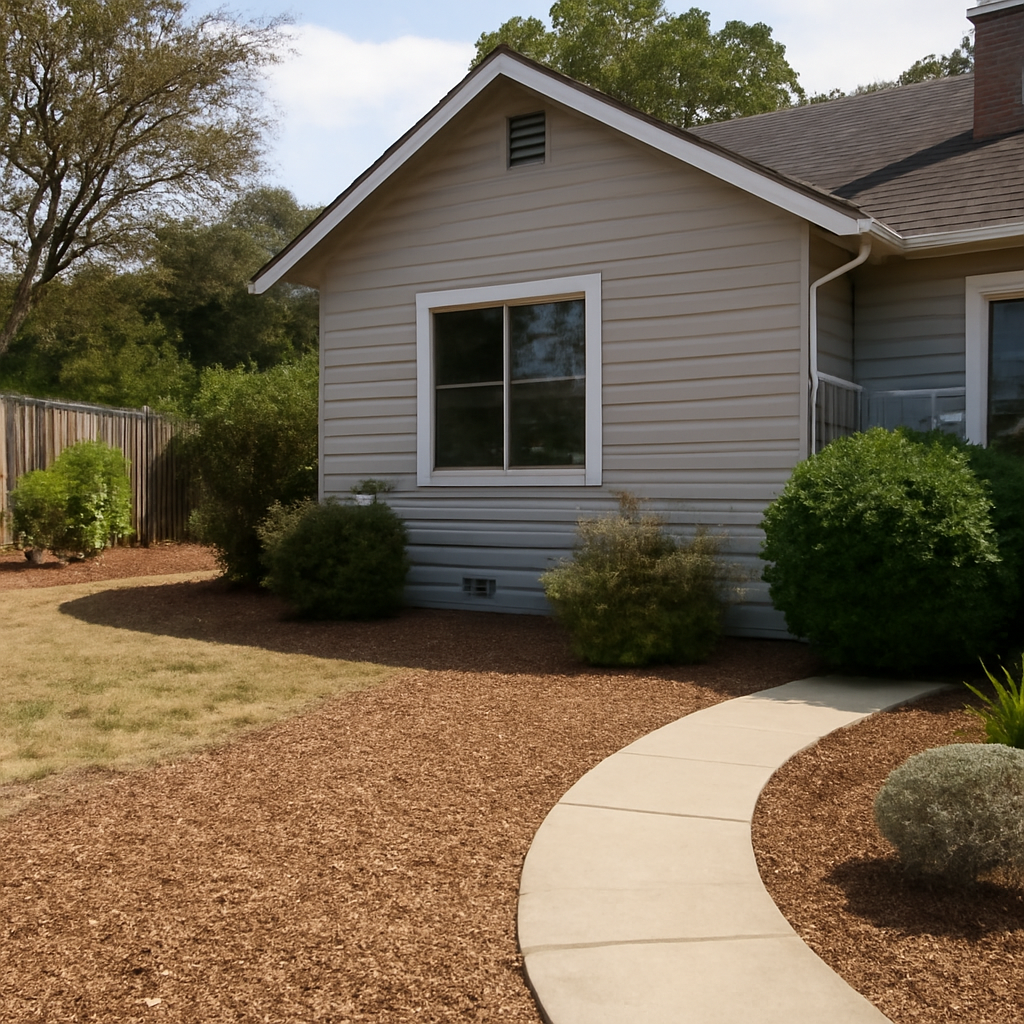
Defensible space is the managed area around a house that reduces the chance wildfire can reach it and ignite it. Along Colorado’s Front Range, where neighborhoods climb into ponderosa pine foothills and suburbs border open grassland, it is no longer just a mountain-cabin concern. Fire scientists have found that most homes that burn in wildfires are ignited by embers and small flames close to the structure, not by a towering wall of fire, which means the condition of the house and the first few feet around it matter most. This guide explains the home ignition zones described by the National Fire Protection Association’s Firewise USA program, what to do in each zone, how decks, gutters, vents and woodpiles fit in, what insurance and HOA considerations may apply, and how a home inspector can help spot vulnerabilities. It summarizes NFPA and U.S. Fire Administration guidance as of 2026.
Part of our Structure & Exterior guide — start there for the full picture →
What Defensible Space Means (and Why NFPA Calls It the Home Ignition Zone)
Defensible space traditionally describes the buffer you create between a building and the grass, trees, shrubs or wildland around it. The goal is to slow or stop the spread of wildfire toward the structure and keep flames small and on the ground.
NFPA’s Firewise program uses a closely related term: the home ignition zone, or HIZ. In an NFPA blog explaining the concept, the organization notes that the two terms are often used interchangeably and carry the same recommended actions, but that NFPA prefers “home ignition zone” because the word “defensible” can imply that someone will be there to defend the home. During a large fire there may be far more homes than firefighters and engines. NFPA also warns that people might wrongly assume defensible space means they can stay home during a wildfire, and stresses that residents should always follow local evacuation orders.
The home ignition zone concept was developed by retired USDA Forest Service fire scientist Jack Cohen, according to NFPA. On its Preparing Homes for Wildfire page, NFPA explains that research on why some homes burn and others survive points to embers and small flames as the main way most homes ignite in wildfires, and that embers can be carried more than a mile by wind. NFPA states that homes ignite due to the condition of the home and everything around it, up to 200 feet from the foundation.
The Three Home Ignition Zones
NFPA divides the HIZ into three zones measured from the house. The distances below follow NFPA’s Preparing Homes for Wildfire page; the U.S. Fire Administration describes the same three zones in its own homeowner guidance.
| Zone | Distance (per NFPA) | Main goal |
|---|---|---|
| Immediate zone | The home and 0 to 5 feet from the furthest attached exterior point | Noncombustible area; keep embers from finding fuel |
| Intermediate zone | 5 to 30 feet from the furthest exterior point | Landscaping and fuel breaks to reduce fire behavior |
| Extended zone | 30 to 100 feet, out to 200 feet | Interrupt fire’s path; keep flames small and on the ground |
Note the phrase “furthest attached exterior point.” A deck, porch, attached fence or carport counts as part of the house for measuring purposes, so the 5-foot zone starts at the outer edge of the deck, not at the siding.
Immediate Zone: 0 to 5 Feet
NFPA calls this the most important zone to act on, because it is the most vulnerable to embers. NFPA’s advice is to start with the house itself and then work on the landscaping in this zone. Its recommendations include:
- Clean roofs and gutters of dead leaves, debris and pine needles that could catch embers.
- Replace or repair loose or missing shingles or roof tiles to prevent ember penetration.
- Install 1/8-inch metal mesh screening over eave vents and exterior attic vents, and clear debris from them.
- Repair or replace damaged or loose window screens and any broken windows.
- Screen or box in areas below patios and decks with wire mesh so debris and combustible materials cannot accumulate.
- Move flammable material away from exterior walls, including mulch, flammable plants, leaves, needles and firewood piles.
- Remove anything stored underneath decks or porches.
In practice, many Front Range homes have bark mulch, junipers and wood fencing right against the foundation. Replacing mulch with rock or gravel in the first five feet, pulling back shrubs and cutting the connection where a wood fence meets the house are common first projects.
Intermediate Zone: 5 to 30 Feet
This zone is about spacing and maintenance so fire cannot travel continuously toward the home. NFPA’s recommendations include:
- Clear vegetation from under large stationary propane tanks.
- Create fuel breaks with driveways, walkways, paths, patios and decks.
- Keep lawns and native grasses mowed to a height of four inches.
- Remove ladder fuels, meaning vegetation under trees, so a surface fire cannot climb into the crowns.
- Prune trees up to six to ten feet from the ground; for shorter trees, do not exceed one-third of the overall tree height.
- Space trees to have a minimum of 18 feet between crowns, with the distance increasing with slope.
- Plan tree placement so the mature canopy is no closer than 10 feet to the edge of the structure.
- Limit trees and shrubs to small clusters to break up continuous vegetation.
The four-inch grass height is particularly relevant on the plains side of the Front Range, where many subdivisions back onto dry grassland and open space.
Extended Zone: 30 to 100 Feet (Out to 200)
NFPA says the goal here is not to eliminate fire but to interrupt its path and keep flames smaller and on the ground. Recommendations include disposing of heavy accumulations of ground litter, removing dead plant and tree material, removing small conifers growing between mature trees, and clearing vegetation next to sheds and outbuildings. NFPA suggests at least 12 feet between canopy tops for trees 30 to 60 feet from the home and at least 6 feet for trees 60 to 100 feet away, based on NFPA 1144, while noting that slope, tree species and site conditions may call for significantly more spacing and that a local forestry professional can advise.
In its HIZ blog, NFPA adds that on a hill the extended zone may be drawn out to 200 feet, because fire tends to burn faster uphill and preheats the vegetation above it. Many foothills lots extend past property lines or border open space, so neighbors and landowners often need to work together on this zone.
Wildfire Risk on the Colorado Front Range
The U.S. Fire Administration defines the wildland urban interface, or WUI, as the zone where structures and other human development meet or intermingle with undeveloped wildland or vegetative fuels. USFA states that more than 60,000 communities in the United States are at risk for WUI fires, citing the National Association of State Foresters, and cautions that WUI fires are not only a western problem: brush, grass and outdoor fires near homes can have the same impact.
Along the Front Range, WUI exposure takes two broad forms. In the foothills west of Denver, Boulder, Fort Collins and Colorado Springs, homes sit among ponderosa pine, Douglas fir and shrub oak, often on steep slopes with long driveways. Farther east, suburban neighborhoods border grassland, open space and greenbelts. The December 2021 Marshall Fire in Boulder County showed how a wind-driven grass fire can move from open land into dense suburban neighborhoods in winter, well outside what many residents thought of as fire season. Strong downslope winds, low humidity and cured grasses can combine at almost any time of year.
That second scenario is a reminder that defensible space principles apply to suburban homes too. Embers driven by high winds can land on decks, in gutters and against fences blocks away from the fire front, which is exactly why the immediate zone gets so much emphasis.
USFA also highlights community-level work. Its blog on simple wildfire safety steps points to Falls Creek, near Durango, as a Colorado example of residents working with their fire department and land managers on changes that helped stop the movement of a wildfire through the area. NFPA’s Firewise USA program offers a framework for neighborhoods that want to organize this kind of shared effort.
Practical Defensible Space Projects for Homeowners
NFPA’s own blog acknowledges that the full list can feel overwhelming and recommends taking stock, prioritizing, starting with easy wins and continuing to chip away. A reasonable sequence for many homes looks like this.
Roofs and Gutters
Pine needles and leaves in gutters and roof valleys are prime landing beds for embers. Cleaning them before and during fire season is one of the simplest tasks on the NFPA list. Some homeowners add gutter guards to reduce debris buildup; noncombustible metal guards are generally preferred in wildfire areas over plastic or foam products, and any guard still needs periodic checking because needles can collect on top.
Decks and Porches
Decks are a frequent weak point because debris collects underneath and between boards, and items stored below can ignite. NFPA advises removing anything stored under decks or porches and screening or boxing in the space below with wire mesh. Clearing needles from between deck boards is part of routine maintenance. Regular upkeep such as deck staining keeps wood in good repair, but it does not make a wood deck fire resistant, so the focus in a wildfire area should be on clearing debris and using noncombustible surfaces right next to the house.
Firewood, Fences and Outbuildings
Firewood stacked against the house or under a deck is one of the most common problems in Colorado mountain homes. NFPA lists firewood piles among the flammable materials to move away from exterior walls. Many fire agencies suggest keeping woodpiles well outside the immediate zone. Wood fences that attach directly to the house can carry fire to the siding, so some owners replace the last few feet with a metal gate or section.
Vents, Eaves and Building Materials
Embers can enter a home through attic and eave vents. NFPA recommends 1/8-inch metal mesh over those openings. Vents are where defensible space overlaps with the building itself, and choices like Class A roofing, noncombustible siding and tempered glass can matter as much as landscaping. Our guide to fire-resistant house materials covers roofs, siding, vents, windows and decks in detail.
Keeping Defensible Space Up Year-Round
Defensible space is not a one-time project. Grass grows back, needles fall, shrubs fill in and new items end up stacked against the house. On the Front Range, a simple seasonal routine keeps the work from slipping:
- Early spring: clear needles and leaves that collected over winter from roofs, gutters, valleys and the corners where decks meet walls. Check vent screens for damage from snow load or animals.
- Late spring and summer: keep grasses mowed to around four inches, as NFPA recommends for the intermediate zone, and water or remove plants that have died back. Prune any new growth that has started to form ladder fuels under trees.
- Fall: clean gutters again after leaf drop and needle cast, and move firewood for the coming season to a spot well away from the house rather than restocking the pile against the siding.
- Winter: stay alert during dry, windy spells. Grass fires along the plains edge can happen in any month, so avoid leaving combustible items such as cushions, doormats and recycling bins against the house or on the deck when red flag warnings are posted.
Keeping a short written checklist, along with dated photos of each zone, also helps when an insurer, HOA or buyer asks what mitigation has been done. NFPA’s recommendation to prioritize, start with easy wins and keep chipping away applies here too: small, repeated maintenance tends to matter more than one large clearing project followed by years of neglect.
Insurance, HOAs and Local Rules
Wildfire risk is increasingly shaping homeowners insurance in Colorado and other western states. Some insurers ask about vegetation management or conduct property inspections in higher-risk areas, and some programs recognize mitigation work. Terms vary widely by company and location, and no amount of mitigation guarantees coverage or a particular premium. NFPA’s Firewise USA page even carries a separate notice for California residents about Firewise participation and insurance discounts, a sign that recognition is state- and insurer-specific, so homeowners should ask their own insurer what, if anything, is recognized.
Homeowners associations can complicate things. Some HOA covenants require specific mulch, shrubs or wood fencing that may conflict with immediate-zone guidance. Colorado communities have been revisiting these rules, but the specifics depend on the association and current state and local law. Check covenants, ask the HOA about wildfire-related exceptions, and keep written approval for landscape changes.
Local requirements also differ. Some Front Range counties and fire protection districts have adopted wildfire-related building or vegetation rules for new construction and additions in mapped hazard areas, and Colorado has been developing statewide wildfire resiliency code standards. Your county building department or local fire district can tell you what applies to a specific address.
How a Home Inspector Can Note Wildfire Vulnerabilities
A standard home inspection is not a wildfire risk assessment, and most inspection standards of practice do not require evaluating vegetation or wildfire exposure. Still, many of the conditions that matter for wildfire are the same things inspectors already look at, and buyers in foothills or grassland-edge neighborhoods can ask an inspector to note them. Examples include:
- Roof covering type and condition, including missing or loose shingles and debris in valleys and gutters.
- Attic, soffit and foundation vents that are damaged, unscreened or screened with coarse mesh.
- Combustible siding, gaps where embers could lodge, and wood trim in poor repair.
- Decks with debris underneath, storage below, or vegetation touching the structure.
- Firewood, mulch, propane tanks and shrubs within a few feet of the house.
- Driveway access and visible address numbers for emergency vehicles.
For a detailed site assessment, many Colorado fire districts and the Colorado State Forest Service network offer or can refer homeowners to wildfire mitigation assessments. Combining that with a thorough home inspection gives buyers a clearer picture of both the structure and its surroundings. Our guide to hiring a home inspector covers how to choose an inspector and what to ask before the appointment, and the structure and exterior section collects related guides on roofs, siding and drainage.
References
- Preparing Homes for Wildfire — National Fire Protection Association
- What Is the Wildfire Home Ignition Zone? — National Fire Protection Association
- Firewise USA — National Fire Protection Association
- What Is the Wildland Urban Interface? — U.S. Fire Administration
- Doing the Little Things Makes a Difference in Wildfire Safety — U.S. Fire Administration
Frequently asked questions
How far should defensible space extend around a house?
NFPA's Firewise guidance describes three zones: an immediate zone from the home out to 5 feet, an intermediate zone from 5 to 30 feet, and an extended zone from 30 to 100 feet. On sloped lots NFPA says the extended zone may reach 200 feet because fire moves faster uphill.
What is the most important part of defensible space?
NFPA identifies the immediate zone, the house and the first 5 feet around it, as the most important because it is the most vulnerable to embers. Clean roofs and gutters, screened vents and a noncombustible strip free of mulch, plants and firewood are the priorities.
Is defensible space the same as the home ignition zone?
The terms are often used interchangeably and involve the same actions. NFPA prefers home ignition zone because defensible can imply firefighters will be there to defend the home or that residents can stay during a fire, and it stresses following evacuation orders.
Does defensible space lower homeowners insurance in Colorado?
It may help in some cases, but it depends on the insurer and location. Some companies ask about mitigation or inspect properties in high-risk areas, and recognition of Firewise participation varies by state and insurer. Ask your own insurer what is recognized before assuming a discount.
Can a home inspector evaluate wildfire risk?
A standard home inspection is not a wildfire assessment, but inspectors routinely look at roofs, vents, siding and decks, which are key ember entry points. Buyers can ask the inspector to note these conditions and arrange a separate mitigation assessment through the local fire district.
Looking at a foothills or open-space-edge home on the Front Range? Reach out to our team to book an inspection and ask about noting roof, vent and deck conditions that matter for wildfire.