Privacy Fence: Height Limits, Materials and Wind Load
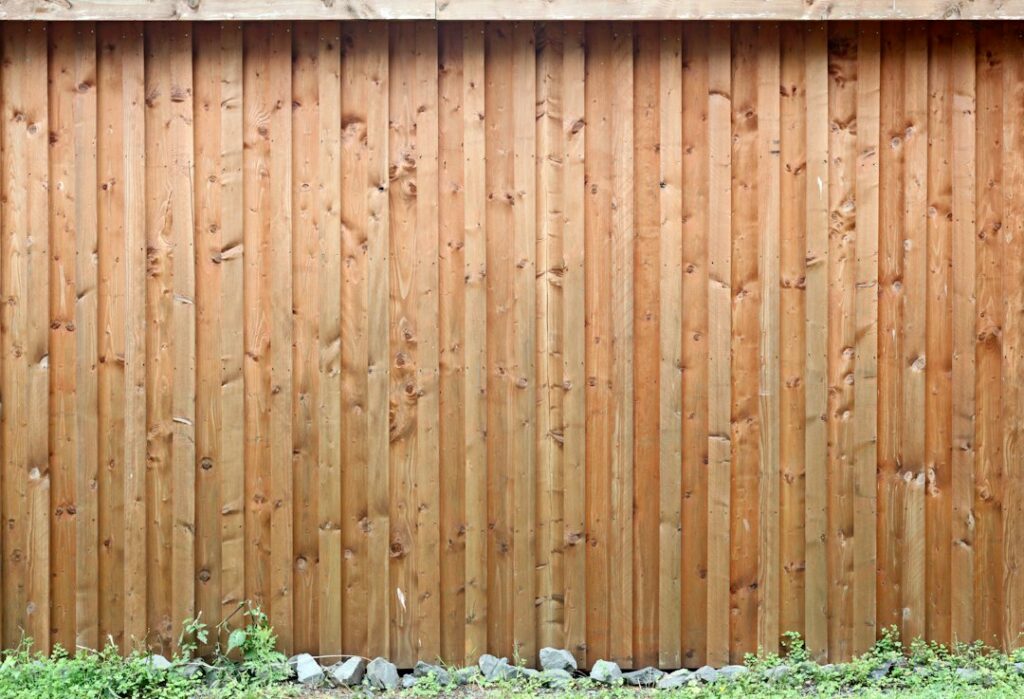
A tall, solid fence is one of the most requested backyard upgrades along the Colorado Front Range, where lots are often small and neighbors are close. A privacy fence screens patios and hot tubs, keeps dogs in, blocks headlights and some noise, and can make a modest yard feel like an outdoor room. It is also a structure that carries real wind loads, sits on or near a property line, involves digging near utilities, and often needs a permit or HOA approval. Choosing the wrong material or skimping on posts can mean a fence that leans within a few winters or comes down in the first big windstorm. This guide covers typical height limits and permits, compares wood, vinyl, composite and masonry, explains why solid panels behave like sails, and walks through post rot, surveys, utility locates and typical 2026 costs.
Part of our Structure & Exterior guide — start there for the full picture →
Planning a new fence? Get a quote from a local fence installer.
📞 Call (866) 636-8383What Counts as a Privacy Fence and How Tall It Can Be
A privacy fence is any fence designed to block sight lines, usually with solid or nearly solid panels at least 5 to 6 feet tall. Common designs include stockade and dog-ear wood pickets, shadowbox (alternating boards on each side of the rails), horizontal board fences, tongue-and-groove vinyl panels, composite board systems and masonry or block walls.
Height is the first question most homeowners ask, and the answer is local. Many U.S. municipalities, including many along the Front Range, allow back- and side-yard fences up to about 6 feet without special approval, with lower limits, often around 3 to 4 feet, in front yards. Taller fences may require a permit, a variance or engineering. Corner lots frequently have sight-triangle rules that limit fence height near intersections and driveways so drivers can see traffic and pedestrians.
Rules that commonly come up include:
- Maximum height by yard location (front, side, rear).
- How height is measured, such as from finished grade on the owner’s side or the lower side of a slope.
- Permit thresholds, since some jurisdictions require a permit for any fence and others only above a certain height.
- Setbacks from sidewalks, alleys and rights-of-way.
- Finished side rules requiring the “good side” of the fence to face the neighbor or street.
- HOA covenants that may restrict material, color, style and height beyond city rules.
Before ordering materials, check the zoning code or planning department for the specific city or county, and read the HOA design guidelines if the home is in an association. Unpermitted fences can lead to orders to lower or remove them, and they can come up as questions during a sale.
Comparing Privacy Fence Materials
Each material balances cost, lifespan, maintenance, appearance, wind performance and fire behavior differently.
Wood
Wood remains the most common privacy fence material in Colorado. Cedar is popular for its appearance and natural decay resistance, while pressure-treated pine is often used for posts and rails because it resists rot in ground contact better than untreated wood. Wood is relatively affordable and easy to repair, but it needs periodic staining or sealing, can warp and split in the dry, sunny climate, and is combustible. Posts are the usual weak point, as covered below.
Vinyl
Vinyl (PVC) privacy panels resist rot and insects and do not need paint. They are common in newer subdivisions and HOA communities. Vinyl can become more brittle in cold weather, may crack from hail or impact, and relies on reinforced posts to handle wind. For a closer look, see the vinyl fence guide.
Composite
Composite fencing combines wood fibers and plastic, similar to composite decking, and often uses aluminum or steel posts. It resists rot and does not need staining, and it typically costs more than wood or vinyl. Like vinyl, it is not noncombustible, and colors can fade differently between product lines.
Masonry, block and concrete
Brick, stone, concrete block and precast concrete walls offer the most durable and fire-resistant privacy, along with significant sound reduction. They are also the most expensive and require proper footings, drainage and often a permit with engineering, especially when tall or combined with a grade change. Masonry walls that hold back soil are retaining walls, a different and more demanding structure; the retaining wall block guide explains the differences.
Metal with privacy infill
Steel or aluminum frames with slats, panels or screens are increasingly common in modern designs. Metal frames handle weather well, and with noncombustible infill they can perform better near the house in wildfire areas than wood or plastic.
Wind Load: Why Solid Panels Act Like Sails
A solid 6-foot fence presents a large flat surface to the wind. The force on each section is transferred through rails to the posts and down into the footings, and the bending force at the base of a post rises sharply as fence height increases. On the Front Range, strong downslope winds can reach the western suburbs and foothills, and open lots on the plains may have no windbreak at all.
Common ways fences handle wind include:
- Closer post spacing, such as 6 feet on center rather than 8, which reduces the area each post carries.
- Larger or stronger posts, such as 4×6 wood, steel posts, or reinforced vinyl posts.
- Deeper and wider footings sized to the fence height and soil, per local requirements and manufacturer guidance.
- Semi-privacy designs, such as shadowbox, louvered or slightly gapped boards, that let some wind pass through while still blocking direct views.
Warning signs include sections that lean together in one direction, posts that rock when pushed, cracked concrete at the base of posts, and rails that have pulled away from posts. A fence that already leans after a windy season usually gets worse, not better. Lattice tops and extensions added to an existing fence increase wind area too, so adding height to an old fence deserves a look at the posts first.
Post Rot, Footings and Frost
For wood privacy fences, posts typically fail first, usually right at grade. That narrow zone stays wet from rain, snowmelt and sprinklers while still getting oxygen, which is ideal for decay fungi. Posts set in concrete can rot faster if water collects in a gap between wood and concrete or if the concrete is crowned below grade so it holds water against the post.
Checking posts is straightforward. Probe each post at and just below the soil line with a screwdriver or awl. Soft, punky wood that the tool sinks into easily, dark staining, and fungal growth indicate rot. Push firmly on the fence near each post and watch for movement at the base. The wood rot repair guide explains how to tell surface weathering from structural decay and what repair options exist.
Steps that extend post life include using posts rated for ground contact, sloping concrete away from the post above grade, using gravel at the base for drainage where the design allows, keeping sprinklers off the fence, and keeping soil and mulch from piling against boards. Metal post brackets and steel posts with wood panels are alternatives that move the wood out of the ground entirely.
Frost heave and expansive clay soils can lift posts unevenly over time, creating a wavy top line and gaps at the bottom. Footing depth requirements vary, and some municipalities do not regulate fence footings, so the local building department and manufacturer instructions are the references to follow.
Surveys, Encroachment and Neighbor Agreements
Privacy fences usually go up along boundaries, which makes the property line a central question. An existing fence is not proof of where the line runs, and old fences often sit a few inches or feet off. Ordering a current property survey with marked corners before building can prevent costly disputes and removal orders.
When a fence crosses onto a neighbor’s land, or a neighbor’s fence crosses onto yours, it is an encroachment. Depending on how long it has stood and state law, it can create title questions, boundary disputes or claims that are hard to unwind. The encroachment guide covers how surveyors, title companies and attorneys typically handle these situations.
Neighbors sometimes share the cost of a boundary fence. A short written agreement covering location, materials, cost split, the finished side and future maintenance can prevent friction later. Recorded easements for utilities or drainage may also limit where a solid fence can go.
Utility Locates Before Digging Post Holes
A typical privacy fence needs a post hole every 6 to 8 feet, and each hole can be 2 feet or more deep. That is a lot of digging along lot lines where gas, electric, cable, fiber and water lines often run. Colorado requires excavators, including homeowners, to contact Colorado 811 before digging so member utilities can mark their lines. Private lines that the homeowner owns, such as sprinkler pipes, landscape lighting wires, or feeds to a shed or detached garage, are usually not marked by the utility locate and need separate attention. The call-before-you-dig guide walks through timing and what the marks mean.
Privacy Fences, Pools and Wildfire Exposure
If a privacy fence also serves as a pool barrier, height and climbability matter. The U.S. Consumer Product Safety Commission’s Safety Barrier Guidelines for Residential Pools says the top of a pool barrier should be at least 48 inches above grade, measured on the exterior side, and that when the distance between the tops of horizontal members is less than 45 inches, those members should be on the interior side of the fence so a child cannot use them as a ladder. Local codes set the actual requirements.
Fire is the other consideration in wildland-urban interface areas along the foothills. The U.S. Fire Administration, discussing NIST research, lists fences among nearby fuels where embers can lead to structure ignition and recommends using metal or stone fence materials where a house and a wooden fence meet, with 5 feet between the house and the wooden fence. A noncombustible gate or end section next to the house is a common way to apply that guidance. The defensible space guide explains the zones around a home.
Gates and Maintenance That Keep a Privacy Fence Standing
Gates take more abuse than any other part of a privacy fence. A solid gate is heavy, catches wind, and hangs from a single post that carries the leverage of the gate’s full width. When the hinge post leans or rots, the gate drops, drags on the ground and stops latching. Wide gates without a diagonal brace tend to sag at the free corner over time.
Features that help gates last include:
- A stronger hinge post, such as a 4×6 or steel post set in a larger footing than the line posts.
- A diagonal brace running from the bottom of the hinge side to the top of the latch side on wood gates, or an anti-sag cable and turnbuckle kit.
- Heavy-duty hinges and through-bolts rather than short screws.
- A gate stop and a positive latch so wind cannot swing the gate open and strain the hinges.
- Double gates with a drop rod for wide openings such as trailer or RV access.
Routine maintenance makes a noticeable difference in how long any privacy fence lasts. For wood fences, that means re-staining or sealing every few years as the finish wears, which slows checking, cupping and graying under Colorado’s strong sun. Re-setting popped nails or replacing them with exterior screws keeps boards tight. Clearing soil, mulch, leaves and stacked firewood away from the bottom of the fence lets boards and posts dry out and removes fuel that embers could ignite.
For vinyl and composite fences, maintenance mostly involves washing, keeping post caps in place, checking gate hardware and watching for cracked panels after hail. Masonry walls need attention to mortar joints, cracks, efflorescence and drainage at the base; a leaning or cracking masonry wall can point to footing or soil problems that deserve a closer look.
A once-a-year walk along the fence line, ideally in spring after snowmelt and before the summer storm season, catches most issues early. Look for leaning sections, loose boards, rotted posts, gaps at the bottom where pets could escape, and sprinklers wetting the fence. Small fixes made early are usually far cheaper than replacing a whole run that has fallen over.
Typical Privacy Fence Costs in 2026
Costs vary by material, height, terrain, soil, gates, removal of an old fence and permit or HOA requirements. As rough 2026 Front Range estimates rather than quotes, installed per linear foot:
- Pressure-treated or pine wood, 6 feet: roughly $25 to $50.
- Cedar, 6 feet: roughly $35 to $65.
- Vinyl privacy, 6 feet: roughly $35 to $70.
- Composite: roughly $50 to $100 or more.
- Masonry or block walls: frequently $80 to $200 or more, depending on design and engineering.
Gates add several hundred to a few thousand dollars each. Repairs such as replacing a rotted post often fall roughly in the $200 to $500 range per post. Collecting at least two or three written bids that list post size and spacing, footing depth, materials and fasteners makes comparisons more meaningful.
What Home Inspections Cover
Fences are typically outside a standard home inspection. The American Society of Home Inspectors (ASHI) Standard of Practice lists fences, boundary walls and similar structures among items the inspector is not required to inspect, although inspectors do inspect retaining walls likely to affect the building adversely. Buyers can walk the fence line themselves, ask the inspector to note obvious hazards, and bring in a fence contractor for leaning or rotted sections. The guide to hiring a home inspector explains how to confirm scope before booking, and the structure and exterior hub gathers related guides on grading, walls and exterior components.
More Questions About Privacy Fences
Do you need a permit to build a privacy fence?
Many cities and counties require a permit for a privacy fence, especially once it exceeds a set height, commonly around 6 feet. Rules vary widely, so the local building or zoning office is the authority.
Permits typically check height limits, setbacks from property lines and sidewalks, corner-lot sight lines, and pool barrier rules. Homeowners associations often add their own approval process with material and color requirements. Building without required approval can lead to fines or an order to remove or lower the fence, so checking first is far cheaper than rebuilding.
Which side of a privacy fence should face the neighbor?
The finished side of a privacy fence usually faces the neighbor and the street, with posts and rails on the owner’s side. Many local ordinances and HOA rules require it.
Beyond rules, the convention is courteous and practical: the neighbor sees a clean face, and the owner can reach the posts and rails for maintenance. Shadowbox and board-on-board designs look similar from both sides, which can avoid disputes. Before installation, homeowners should confirm local requirements, since some codes specify the orientation and others leave it to the owner.
How long does a wood privacy fence last?
A wood privacy fence typically lasts about 10 to 20 years, depending on the wood species, climate, and maintenance. Cedar and redwood generally outlast untreated pine.
Posts usually fail first, especially where they meet the soil, so pressure-treated posts rated for ground contact and good drainage at the base extend life considerably. Applying a stain or sealer every few years slows cracking and graying. In wet climates, keeping sprinklers and soil away from the bottom of the boards helps prevent rot. Vinyl and composite fences generally last longer with less upkeep.
How long does it take to install a privacy fence?
A professional crew can typically install a standard privacy fence for an average backyard in one to three days, not counting permits and utility locate wait times. Concrete-set posts may need time to cure before panels go on.
Schedules stretch when the ground is rocky, the lot is sloped, or old fencing must be removed first. Custom gates and masonry columns add more time. DIY installations usually take several weekends. Booking well ahead is wise in spring and early summer, when fence contractors are busiest and lead times on materials can grow.
Who pays for a fence between two neighbors?
Who pays for a boundary fence depends on state and local law and on any agreement between neighbors. Some states have fence laws that split costs for shared boundary fences, while in many places the person who wants the fence pays for it.
When neighbors agree to share costs, putting the terms in writing helps: design, height, materials, cost split, location on the property line, and future maintenance. A survey confirms where the line actually runs. A fence built entirely on one owner’s land is generally that owner’s fence and responsibility, regardless of who benefits.
References
- Protecting Structures From Wildfire Embers and Fire Exposures — U.S. Fire Administration
- Safety Barrier Guidelines for Residential Pools (Pub. 362) — U.S. Consumer Product Safety Commission
- ASHI Standard of Practice for Home Inspections — American Society of Home Inspectors
Frequently asked questions
How tall can a privacy fence be?
It depends on the city or county. Many jurisdictions allow back- and side-yard fences up to about 6 feet, with lower limits in front yards and near corners. Taller fences may need a permit or variance, and HOAs often add their own rules, so check local zoning and HOA guidelines first.
What is the most durable privacy fence material?
Masonry, block and concrete walls are generally the most durable and fire-resistant but cost the most. Vinyl and composite resist rot, while wood is the most affordable but needs regular maintenance and its posts tend to rot at grade over time.
Why do privacy fences blow over?
Solid panels catch wind like a sail and transfer the force to the posts. Rotted posts, undersized or shallow footings, wide post spacing and added height all increase the risk. Closer post spacing, stronger posts and semi-privacy designs help.
Do I need a survey before building a privacy fence?
A survey is strongly recommended. Existing fences are not proof of the property line, and building on a neighbor's land can lead to an encroachment dispute or an order to remove the fence. A current survey with marked corners reduces that risk.
How much does a privacy fence cost?
As a rough 2026 Front Range estimate, a 6-foot wood privacy fence often runs about $25 to $65 per linear foot installed depending on species, with vinyl, composite and masonry costing more. Gates, removal, terrain and permits affect the total.
Does a privacy fence add value to a home?
A well-built privacy fence can make a home more appealing to buyers with children, pets, or a pool, but it rarely returns its full cost at sale. A worn or leaning fence can actually hurt curb appeal, so condition matters as much as having one.
Should privacy fence boards have gaps between them?
Privacy fence boards are usually installed tight or with a very small gap that closes or opens as wood swells and shrinks. Board-on-board designs overlap the boards so that gaps from shrinkage never open a view, while allowing some airflow that reduces wind load.
Can you build a privacy fence on a slope?
Yes, a privacy fence can be built on a slope by either stepping the panels down the hill or racking them to follow the grade. Stepped fences leave triangular gaps at the bottom that may need filling, while racked fences follow the ground more closely for better privacy.
Planning a fence on a home you are buying, or unsure whether the old one is on the right side of the line? Contact us to connect with a local inspector who can help sort out what needs a closer look.