Drywall Installation Cost: Per Sheet, Per Sq Ft & Finish Levels
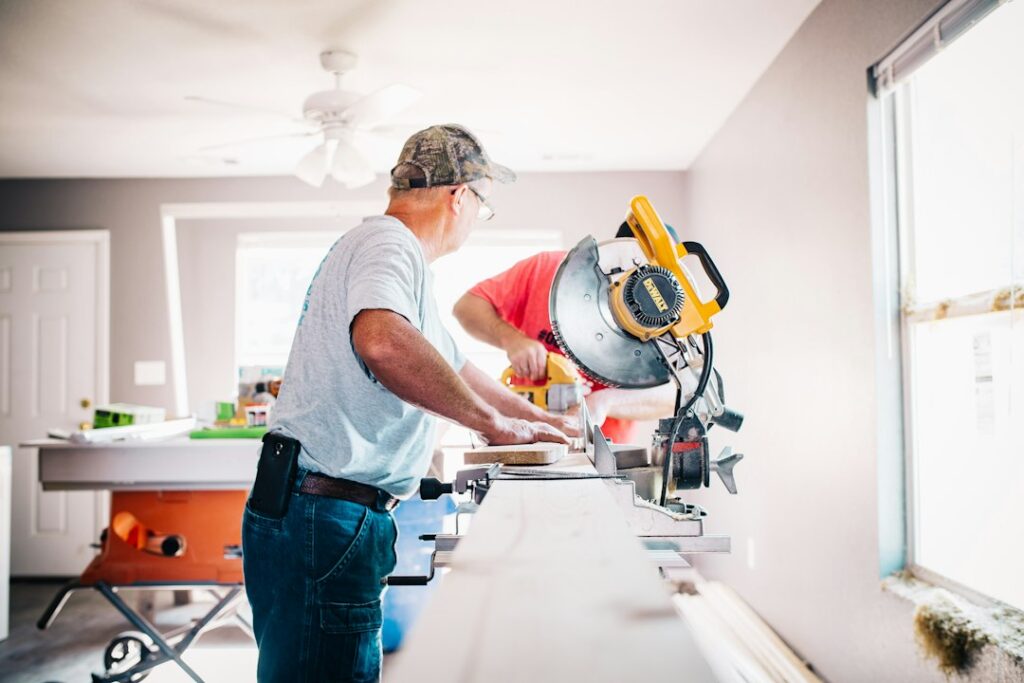
Typical drywall installation cost for a professionally hung, taped and finished job runs roughly $2 to $4 per square foot of wall or ceiling surface for standard work, which works out to roughly $60 to $130 per installed 4×8 sheet once labor, mud, tape, screws and corner bead are included. Small jobs, high ceilings, specialty board, a Level 5 finish, texture matching and demolition of old material push the price higher, sometimes well past $5 per square foot. The rest of this guide breaks those numbers down by job type, explains what moves them, and shows how to tell whether a quote you are holding is reasonable.
Part of our Structure & Exterior guide — start there for the full picture →
All figures here are typical national ranges for 2026, gathered from common contractor pricing patterns rather than any single published survey. Local labor rates, material prices and permit fees vary, so treat these as a sanity check and get two or three written quotes for your own project. If you only have a few holes or a damaged patch, our separate guide to drywall repair cost is the better starting point.
Typical Drywall Installation Cost at a Glance
Drywall is usually quoted in one of three ways: per square foot of finished surface, per sheet hung and finished, or as a lump sum for a room or project. The table below translates between them for common job types.
| Job type | Typical range per sq ft (installed) | Typical range per 4×8 sheet | Notes |
|---|---|---|---|
| Hang only (no taping or finishing) | $0.75 – $1.50 | $25 – $50 | Common when the homeowner or a separate finisher does the mud work |
| Hang, tape and finish to Level 4, walls | $2.00 – $3.50 | $60 – $110 | The standard for most painted living areas |
| Ceilings (hang and finish) | $2.50 – $4.50 | $80 – $140 | Overhead work is slower; lifts or extra crew often needed |
| Level 5 finish (skim coat over entire surface) | add $0.50 – $1.50 | add $15 – $50 | Used under glossy paint or strong raking light |
| Moisture- or mold-resistant board | add $0.15 – $0.50 | add $5 – $15 | Baths, laundry rooms, basements |
| Fire-rated Type X (5/8 inch) | add $0.15 – $0.50 | add $5 – $15 | Garage-to-house walls and ceilings where code requires it |
| Demolition and haul-away of old drywall or plaster | $0.75 – $2.00 | n/a | Plaster and lath usually at the high end or above |
| Texture (orange peel, knockdown) or texture matching | $0.75 – $2.00 | n/a | Matching an existing texture takes skill and test patches |
Typical national range, 2026 — get local quotes. Most contractors also have a minimum charge, often a few hundred dollars, so a single small room can cost more per square foot than a basement full of walls.
A worked example
Consider a 12 x 14 foot bedroom with 8-foot ceilings. The four walls add up to about 52 linear feet, or roughly 416 square feet of wall surface before subtracting a door and window. The ceiling adds 168 square feet. Call it about 550 square feet of board after openings, or around 18 sheets of 4×8 board once waste is allowed for. Using the table:
- Walls, Level 4 finish: about 380 sq ft x $2.00 to $3.50 = roughly $760 to $1,330
- Ceiling: 168 sq ft x $2.50 to $4.50 = roughly $420 to $760
- Total before paint, demo or texture: roughly $1,200 to $2,100
This is a rule-of-thumb estimate, not a bid. If the old plaster has to come out first, or the ceiling gets a knockdown texture to match the rest of the house, the number climbs. Painting is almost always a separate line.
What Drives the Price
Material is a small share of most drywall jobs; labor for hanging, taping, three coats of compound and sanding dominates. That is why quotes for the same square footage vary so widely.
Labor hours and number of trips
Drywall finishing is a multi-day process because each coat of joint compound has to dry before the next one goes on. A crew may visit three or four times on a modest job: hang, tape and first coat, second coat, final coat and sanding. Every trip has a fixed cost, which is why small jobs carry a premium.
Ceiling height and access
Ceilings above about 9 feet, stairwells, vaulted rooms and two-story foyers need scaffolding, panel lifts or extra workers. Expect a noticeable surcharge for anything that cannot be reached from a short ladder or stilts. Closets, soffits and small bathrooms, with many cuts and inside corners, also cost more per square foot.
Finish level
The finish level, explained in detail below, is one of the biggest swing factors. Level 5 adds a full skim coat to the entire surface and can add a meaningful percentage to the finishing labor.
Board type and thickness
Standard half-inch board is the baseline for walls. Five-eighths inch board, moisture-resistant board, mold-resistant paperless board, abuse-resistant board, sound-dampening board and fire-rated Type X all cost more per sheet and are heavier to handle.
Demolition, disposal and prep
Removing plaster and lath is heavier and dustier than removing old drywall. Disposal fees, dumpster rental and floor protection belong on the quote, and older homes may need asbestos and lead testing first (see below).
Permits and inspections
Simply replacing drywall on existing walls often does not require a permit, but drywall installed as part of a basement finish, an addition, a garage fire separation or a remodel that also involves framing, electrical or plumbing usually does. Rules vary, so check with your city or county building department.
Best Drywall Sanders: our top 3 picks
| Product | Best for | Key features | Price | Buy |
|---|---|---|---|---|
| WEN DW5084 | Best overall for DIY drywall |
| $154.36as of Oct 19, 2026 8:37 pm GMT+0000 | Buy now →Check current price |
| Gioventù SZB-225FV-2 | Ceiling sanding |
| $179.97as of Oct 19, 2026 8:37 pm GMT+0000 | Buy now →Check current price |
| KUPERIA KU1Y | Lightest pole sander |
| $129.99as of Oct 19, 2026 8:37 pm GMT+0000 | Buy now →Check current price |


Prices are Amazon’s listed prices as of the time shown and change often; check Amazon for today’s price. As an Amazon Associate we earn from qualifying purchases.
Finish Levels 0 to 5: What You Are Paying For
Drywall finishers commonly describe their work using a 0 to 5 scale. Knowing which level a quote includes is one of the easiest ways to compare bids fairly, because a cheaper quote may simply be for less finishing work.
| Level | What it involves | Where it is typically used |
|---|---|---|
| Level 0 | Board hung, no tape or compound | Temporary walls, areas awaiting a decision on finish |
| Level 1 | Tape set in compound at joints, no further coats | Attics, above ceilings, some garages and service areas |
| Level 2 | Tape plus one coat over joints and fasteners | Garages, storage rooms, behind tile in some assemblies |
| Level 3 | Tape plus two coats, ready for heavy texture | Walls and ceilings that will get a heavy knockdown or similar texture |
| Level 4 | Tape plus three coats, sanded smooth | Most painted walls with flat or eggshell paint |
| Level 5 | Level 4 plus a thin skim coat over the entire surface | Glossy paint, dark colors, walls hit by low-angle window or fixture light |
Level 4 vs Level 5
Level 4 is the default for most homes and looks good under typical flat or matte paint. The weakness of Level 4 is that the paper face of the board and the compound over the seams absorb paint differently, which can show up as a subtle difference in sheen, sometimes called flashing, especially with semi-gloss paint.
Level 5 solves this by applying a thin, even coat of compound or a high-build primer-surfacer over the whole surface. It costs more because it is essentially another full finishing step. Ask for Level 5 where light rakes across the surface or the paint will have any gloss. For a closet or a basement storage room, it is usually money you do not need to spend. Our guide to skim coating explains the technique if you are deciding whether to add it.
Walls, Ceilings and Special Board: Where Costs Change
Ceilings
Ceilings cost more than walls because the work is overhead, the sheets are heavier to hold in place, and five-eighths inch board or closer framing is often specified to resist sagging. Quotes for ceilings are often 20 to 40 percent higher per square foot than walls, which is a reasonable rule of thumb rather than a fixed figure.
Moisture- and mold-resistant board for baths and basements
Bathrooms, laundry rooms and basements are good candidates for moisture-resistant or mold-resistant drywall. These products resist moisture better than standard paper-faced board, but they are not waterproof and are not a substitute for a proper backer board and waterproofing behind shower or tub tile. The EPA notes that the key to mold control is moisture control, and it recommends drying wet building materials within 24 to 48 hours to prevent mold growth, according to its Brief Guide to Mold, Moisture and Your Home. Better board helps at the margins; fixing leaks, ventilating bathrooms and controlling basement humidity matters more. Our guide to mold-resistant drywall compares the product types.
Fire-rated Type X for garage walls and ceilings
Type X is a five-eighths inch board with additives that slow its breakdown in a fire. Many residential codes call for fire-resistant separation between an attached garage and the house, and Type X is often used for that wall and for the garage ceiling when there are living spaces above. The exact requirement depends on the code your jurisdiction has adopted and the layout of the home, so check with your city or county building department before you buy. Type X is heavier and costs a little more per sheet, and the fire separation only works if penetrations and the door into the house are also handled correctly.
Texture and texture matching
Many Front Range homes built from the 1970s through the 2000s have orange peel or knockdown texture on walls and ceilings. Adding drywall to one room of a textured house usually means the new surface needs texture too, or it will look out of place. Matching an existing texture is part art: the finisher has to judge compound thickness, spray pressure and knockdown timing, and often does test patches. Budget for it, and expect that a perfect match on a patch in the middle of a wall is harder than texturing a full room.
Older Homes: Asbestos and Lead Before Demolition
If the job includes tearing out existing walls or ceilings, the age of the house matters. Drywall itself was not commonly made with asbestos, but joint compound, patching compound and textured coatings used through roughly the late 1970s and into the 1980s sometimes contained it. The EPA lists “textured paint and patching compounds used on walls and ceilings” among the places asbestos may be found, on its Learn About Asbestos page.
The EPA also states that you generally cannot tell whether a material contains asbestos by looking at it, and suggests having an accredited asbestos professional inspect materials if you are planning to remodel. Its guidance is clear that sampling done incorrectly can be more hazardous than leaving the material alone, and that it does not recommend homeowners take samples themselves, as explained on Protect Your Family from Exposures to Asbestos. In practice, that means testing before demolition, not after the dust is already spread through the house. Our guide to asbestos in drywall covers which materials and eras are most likely to test positive.
Lead-based paint is the second concern. The EPA’s Renovation, Repair and Painting program page notes that the federal government banned lead-based paint for residential use in 1978, and that renovation work disturbing painted surfaces in pre-1978 homes can create dangerous lead dust. Contractors who disturb paint in pre-1978 homes for pay are generally required to be certified and use lead-safe work practices. If your home predates 1978 and a quote does not mention lead testing or lead-safe practices, ask about it.
Testing and abatement add cost and time. If a material tests positive, removal by a trained abatement contractor will usually cost far more than standard demolition, and in some cases encapsulating or covering the old surface is a reasonable alternative. A contractor who offers to “just knock it out” in a 1960s house without testing is a red flag.
Repair or Replace: Making the Call
Not every damaged wall needs new drywall. A few rules of thumb help decide:
- Holes, dents and cracks: Patching is almost always cheaper than replacement when damage is limited to a few spots. Nail pops and seam cracks are usually finishing issues, not reasons to replace a wall.
- Water damage: Drywall that has been soaked, has swelled, has soft spots or shows mold usually needs to be cut out. The EPA notes that porous materials that become moldy may have to be thrown away because mold can be difficult or impossible to remove completely.
- Share of the wall affected: A common rule of thumb is that once repairs would cover more than about a third to half of a wall, or you are re-taping most seams anyway, replacing full sheets often gives a better result for similar money.
- Plaster walls: Sound plaster can often be repaired or skim-coated. Plaster that is pulling away from lath in large areas is a candidate for replacement or for laminating new board over it.
- Remodels: If you are opening walls to add wiring, insulation or plumbing, new drywall is usually part of the plan regardless.
Before closing up a wall that was wet, confirm the framing is dry with a moisture meter reading on the studs.
How to Read a Drywall Quote
A clear quote makes it easy to compare contractors and avoid surprise charges. Get two or three written quotes for the same scope, and check that each includes the following:
- Square footage or sheet count, broken out for walls and ceilings
- Board type and thickness for each area (standard half-inch, five-eighths, moisture-resistant, Type X)
- Finish level, stated as a number, plus texture type if any
- Demolition and disposal, including dumpster or haul-away
- Prep and protection: floor covering, dust barriers, cleanup
- Corner bead type and any special details such as arches or returns
- Primer or paint, if included, or a clear note that it is excluded
- Permit responsibility, if one is required
- Schedule: number of days and visits, and drying time between coats
- Testing for asbestos or lead in older homes, or a note on who is responsible for it
Red flags
- A single lump sum with no breakdown of square footage, finish level or board type
- No mention of finish level, which makes it impossible to compare to other bids
- Pressure to sign the same day or a large cash deposit before materials are delivered
- Unwillingness to discuss permits on a basement finish, addition or garage fire separation
- Plans to demolish textured walls or ceilings in an older home without testing
- “Whole-house” mold treatment upsells when the problem is a single leak
Questions to ask
Ask which finish level is included and whether you can see an example, whether taping is subcontracted, how texture will be matched, and how hidden water damage or rotten framing will be priced if it turns up once walls are open.
DIY: where it saves money
Hanging drywall on a simple wall is within reach of a careful homeowner, and doing the hang yourself while hiring a finisher for taping and mud can reduce cost. Finishing is the skill-heavy part. If you do take on some of the work, a good set of tools matters; our roundups of the best drywall mud and the best drywall anchors are useful next steps.
Front Range Factors Worth Knowing
A few regional conditions can affect drywall work along the Colorado Front Range:
- Very dry winter air makes joint compound dry faster, which can speed the schedule but also increases the chance of shrinkage cracks if coats are applied too thick.
- Expansive clay soils in parts of the region can cause slab and foundation movement. Drywall cracks running diagonally from door and window corners, or doors that start sticking, may point to movement rather than poor finishing. Fixing the drywall without understanding the cause usually means the cracks return.
- Truss uplift in some homes shows up as winter cracks along the wall-ceiling joint; finishers sometimes float the ceiling corners to reduce it.
- Basement finishes are common in the region. Interior foundation walls should be checked for moisture before framing and drywall go up, and some jurisdictions have specific requirements for basement finishing. Check with your city or county building department.
How an Inspector Looks at Drywall, and When to Call a Pro
The ASHI Standard of Practice directs home inspectors to inspect walls, ceilings and floors as part of the interior review, while noting that they are not required to inspect paint, wallpaper and other finish treatments, according to the ASHI Standard of Practice. In practice, an inspector will often note:
- Stains, bubbling or soft spots that suggest current or past leaks
- Cracks that may relate to settlement, soil movement or framing issues
- Missing or damaged fire separation between the garage and house
- Elevated moisture readings near bathrooms, below windows or along foundation walls
A home inspection is visual and non-invasive, so what is inside the wall may not be visible. When the inspection finds staining, high moisture or cracking, the usual next step is evaluation by a drywall contractor, plumber, roofer or structural professional depending on the cause. Hire a licensed asbestos or lead professional for testing in older homes before any demolition. For more guidance on choosing the right specialist, see our structure and exterior hiring guides.
If you are buying a home with fresh drywall patches, water stains or cracking and want a second set of eyes, contact our team to schedule an inspection on the Front Range.
References
- Learn About Asbestos — U.S. Environmental Protection Agency
- Protect Your Family from Exposures to Asbestos — U.S. Environmental Protection Agency
- Lead Renovation, Repair and Painting Program — U.S. Environmental Protection Agency
- A Brief Guide to Mold, Moisture and Your Home — U.S. Environmental Protection Agency
- ASHI Standard of Practice for Home Inspection — American Society of Home Inspectors
Frequently asked questions
How much does drywall installation cost per square foot?
A typical national range for hanging, taping and finishing drywall to a Level 4 finish is roughly $2 to $3.50 per square foot for walls and somewhat more for ceilings. Small jobs, high ceilings, Level 5 finishes, specialty board, texture and demolition push the price higher. Get local written quotes.
How much does it cost to drywall one sheet?
Once labor, compound, tape and fasteners are included, a hung and finished 4x8 sheet typically works out to about $60 to $130. Hang-only work costs much less, and contractors often have a minimum charge that raises the per-sheet price on small jobs.
Is a Level 5 drywall finish worth the extra cost?
Level 5 is worth it where light rakes across walls or ceilings, or where the paint has some gloss, because it hides seams and texture differences. For closets, garages or rooms with flat paint and ordinary lighting, a Level 4 finish is usually enough.
Does a garage need Type X drywall?
Many residential codes require fire-resistant separation between an attached garage and the house, and five-eighths inch Type X board is commonly used for it. Requirements depend on your local code and layout, so check with your city or county building department.
Should old walls be tested for asbestos before drywall demolition?
In homes built before the 1980s, testing is wise before removing walls or ceilings, because older joint compounds and textures sometimes contained asbestos. The EPA recommends using an accredited asbestos professional for sampling rather than doing it yourself. Pre-1978 homes may also have lead paint.
Holding a drywall quote on a home you are buying or renovating? Reach out to our team for a Front Range inspection before the walls go up or come down.