Best Drywall Mud (2026): 6 Joint Compounds Compared by Coat
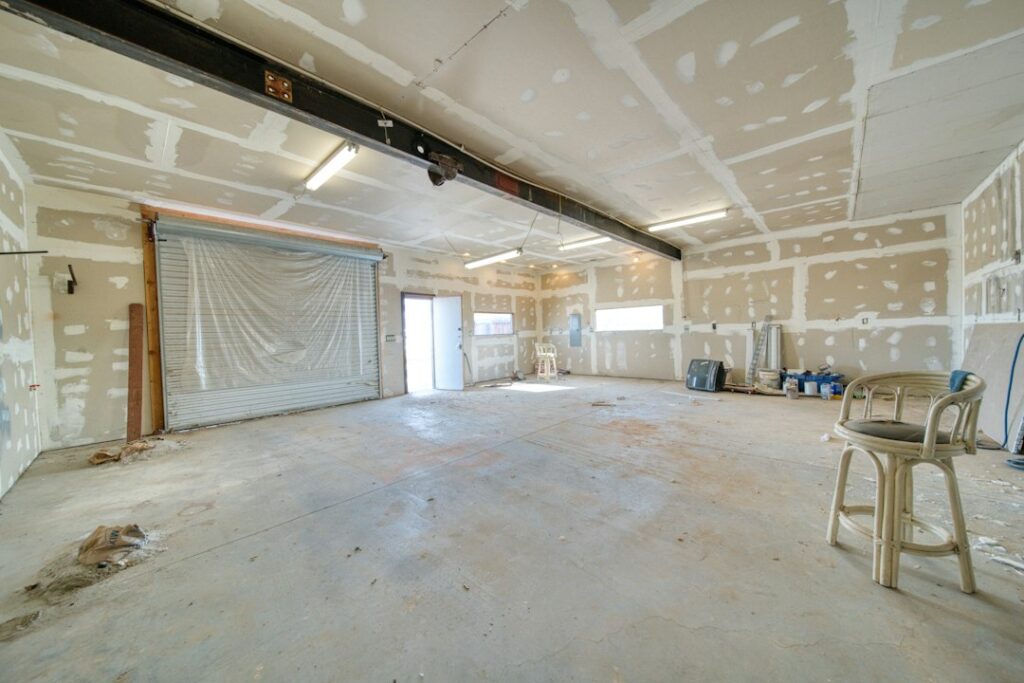
The best drywall mud for your project depends less on the brand and more on the coat you are applying. Embedding paper tape, filling a deep gouge and skimming a final smooth layer are three different jobs, and joint compounds are formulated for each one: heavier all-purpose mixes for taping, lightweight mixes for topping coats that sand easily, and powdered setting-type compounds that harden by chemical reaction on a timer. Older homes add one more variable, because some wall and ceiling patching compounds once contained asbestos. Below are six picks matched to specific coats and project sizes, then a buying guide on working time, sanding dust and when old mud should be tested before anyone touches it.
Part of our Structure & Exterior guide — start there for the full picture →
As an Amazon Associate we earn from qualifying purchases.
How we compared: we compared 9 current Amazon joint compound listings (ready-mixed all-purpose, lightweight and setting-type powders) on what each listing states: compound type, container size, weight, setting or drying time and any sanding or dust claims. The same search also returned spackles, patching plaster, repair kits, a mud additive and sanding sponges; we read those but left them out of the picks because they are not joint compounds. We did not lab-test any product or use any of them hands-on. Prices and availability change often, so check the current listing before buying.
Quick picks: the best drywall mud by coat and job size
| Product | Best for | Key features | Price | Buy |
|---|---|---|---|---|
| USG All Purpose 4.5 gal | Whole-room taping and finishing |
| $99.95as of Oct 19, 2026 8:58 pm GMT+0000 | Buy now →Check current price |
| DAP DryDex Lightweight Low Dust | Low-dust topping coats |
| $24.99as of Oct 19, 2026 11:21 pm GMT+0000 | Buy now →Check current price |
| Sheetrock Easy Sand 20 | Fast deep fills |
| $28.16as of Oct 19, 2026 11:21 pm GMT+0000 | Buy now →Check current price |
| Sheetrock Easy Sand 90 | Setting compound with longer work time |
| $20.42as of Oct 19, 2026 11:21 pm GMT+0000 | Buy now →Check current price |
| DAP Lightweight Wallboard | Lightweight mud for wet sanding |
| $15.89as of Oct 19, 2026 11:21 pm GMT+0000 | Buy now →Check current price |
| USG Ready-To-Use Quart | Small repairs and touch-ups |
| $11.21as of Oct 19, 2026 11:21 pm GMT+0000 | Buy now →Check current price |
Prices are Amazon’s listed prices as of the time shown and change often; check Amazon for today’s price. As an Amazon Associate we earn from qualifying purchases.
The six picks, compared listing by listing
1. USG All Purpose Ready-Mixed Joint Compound, 4.5 gal — Best Overall for Whole Rooms

Full-size 4.5-gallon pail of ready-mixed all-purpose joint compound for taping, filling and finishing.
Check price on Amazon$99.95 as of Oct 19, 2026 8:58 pm GMT+0000 — prices change; see Amazon for current price.Why we like it
- Largest container on the shelf at 4.5 gallons
- All-purpose mix handles taping and finish coats
- Ready-mixed, so no measuring or mixing water
- Suits basements, additions and full-room taping
| Specification | Details |
|---|---|
| Compound type | Ready-mixed all-purpose joint compound |
| Container size | 4.5 gallons |
| Weight listed | About 61.7 lb |
| Dimensions listed | About 12 x 12 x 13 in |
| Drying time / coverage | Not stated in listing |
| Part number | 380119-04 |
USG 380119-04 — 4.5 gal ready-mixed all-purpose joint compound, about 61.7 lb, drying time not stated
The Biggest Ready-Mixed Pail on the Shelf
Of the 9 joint compound listings we compared, this is the only one sold as a full 4.5-gallon pail, and at about 61.7 pounds it is the heaviest listing on the shelf. The other ready-mixed options top out at a 1-gallon tub or smaller, and the two setting-type products are dry powders sold by the bag. For a full room, basement or addition, that volume saves mid-project store runs.
All-purpose compound is the generalist of the category. It is heavier and stickier than a lightweight mix, which is what helps paper tape bond in the first coat, and it can also be used for the fill and finish coats if you do not want to keep two products open. The tradeoff is sanding effort: all-purpose mud is typically harder to sand than the lightweight tubs further down this list.
The listing itself is thin. It does not state drying time, coverage, sanding characteristics or whether the formula is the standard or lightweight variant beyond the “All Purpose” name. Read the label on the pail for coat thickness and dry-time guidance before planning your schedule.
Pros
- Largest container among the joint compounds compared
- One product covers taping, fill and finish coats
- Ready-mixed and usable straight from the pail
Cons
- Heavy at about 61.7 lb to carry and ship
- Listing gives no drying time or coverage
- All-purpose mud sands harder than lightweight mixes
- Too much product for a single patch
Check USG All Purpose 4.5 gal price on Amazon
2. DAP DryDex Lightweight Low Dust Joint Compound — Best Low-Dust Topping Coat

Lightweight interior joint compound that applies pink and turns white when dry, with a low-dust sanding claim.
Check price on Amazon$24.99 as of Oct 19, 2026 11:21 pm GMT+0000 — prices change; see Amazon for current price.Why we like it
- Color change shows when a coat is dry
- Low-dust claim helps in lived-in homes
- De-aired formula aims to prevent pinholes
- Lightweight mix sands more easily than all-purpose
| Specification | Details |
|---|---|
| Compound type | Ready-mixed lightweight joint compound, interior use |
| Dry indicator | Applies pink, turns white when ready for the next coat, sanding or paint |
| Dust claim | Listing claims 70 percent less airborne dust than other low-dust compounds |
| Uses named | Panel joints, nail and screw heads, metal corner bead |
| Size / weight | 1 gallon; about 10 lb |
| Part number | 7079810120 (also sold as a 32 oz tub, 7079812385) |
DAP DryDex 7079810120 — 1 gal lightweight interior joint compound, pink-to-white dry indicator, low-dust and de-aired formula
The Only Joint Compound Here With a Dry-Time Color Indicator
Several products on the shelf go on pink and dry white, but every other one is a spackling paste. Among the 9 genuine joint compound listings, the DryDex lightweight compound (sold here in a 1-gallon tub and a 32-ounce tub) is the only formula with that color change. It prevents the classic mistake of sanding or recoating mud that is still damp underneath.
It is also the only joint compound on the shelf whose listing makes a dust claim. DAP says the formula produces 70 percent less airborne dust than other low-dust compounds. That is a manufacturer claim we cannot verify, but even a modest dust reduction matters when you are finishing a patch in an occupied bedroom rather than an empty new build.
The listing does not state a dry time in hours, coverage per gallon or whether it is meant for embedding tape. Lightweight compounds usually serve best as fill and finish coats over an all-purpose or setting-compound tape coat.
Pros
- Only joint compound here with a pink-to-white dry indicator
- Only joint compound listing with a low-dust claim
- De-aired to reduce pinhole bubbles
- Available in 1-gallon and 32 oz sizes
Cons
- Interior use only
- No stated dry time or coverage
- Listing does not say it is meant for embedding tape
Check DAP DryDex Lightweight Low Dust price on Amazon
3. USG Sheetrock Easy Sand 20 Setting-Type Compound — Best for Fast Deep Fills

Lightweight powdered setting compound that hardens in about 20 minutes, for same-day finishing and heavy fills.
Check price on Amazon$28.16 as of Oct 19, 2026 11:21 pm GMT+0000 — prices change; see Amazon for current price.Why we like it
- Sets in about 20 minutes by chemical reaction
- Allows same-day joint finishing
- Listed as lightweight and easy to sand
- Described as virtually unaffected by humidity once applied
| Specification | Details |
|---|---|
| Compound type | Lightweight setting-type powder, mixed with water |
| Setting time | About 20 minutes |
| Finishing schedule | Same-day joint finishing; decoration typically next day |
| Other uses named | Heavy fills; laminating gypsum panels, sound-deadening board or above-grade concrete |
| Size / weight | 18 lb bag; about 18.5 lb |
| Part / model | 384214 / 384214060 |
USG Sheetrock Easy Sand 20 384214 — 18 lb lightweight setting powder, about 20-minute set, same-day finishing, low shrinkage
The Fastest-Setting Joint Compound on the Shelf
Only two of the 9 joint compound listings are setting-type powders, and this is the faster of the two. Setting compound does not dry by evaporation like ready-mixed mud; it hardens through a chemical reaction once mixed with water, which is why the listing can promise same-day finishing. That makes it the right tool for deep holes, gaps around electrical boxes, broken corners and the first coat on a patch you want painted tomorrow.
The listing also claims low shrinkage and says the compound is virtually unaffected by humidity once applied. Low shrinkage is the real benefit on deep fills: a thick layer of ready-mixed mud tends to shrink and crack as it dries, while setting compound holds its shape.
Twenty minutes is a short window. That figure is the set time, and your usable working time is shorter still, because the mud starts stiffening in the pan before it is fully set. Mix only what you can apply in about ten minutes, use clean water and a clean bucket (old set mud speeds the reaction), and never return hardened compound to the bag. If you are new to taping, the 90-minute version below is more forgiving.
Pros
- Fastest set time among the compounds compared
- Low shrinkage suits deep fills and gaps
- Lightweight formula listed as easy to sand
- Powder stores well when kept dry
Cons
- Short working time is hard for beginners
- Must be mixed in small batches
- Mixing powder creates its own dust
Check Sheetrock Easy Sand 20 price on Amazon
4. Sheetrock Easy Sand 90 Lightweight Setting Compound — Best Longer Working Time

Small bag of lightweight setting compound whose title states an 85 to 130 minute working range.
Check price on Amazon$20.42 as of Oct 19, 2026 11:21 pm GMT+0000 — prices change; see Amazon for current price.Why we like it
- Much longer working window than 20-minute mud
- Small 4 lb bag suits one-room repairs
- Same chemical-set benefits for deep fills
- Easier for first-time tapers to control
| Specification | Details |
|---|---|
| Compound type | Lightweight setting-type powder |
| Setting time (title) | 85 to 130 minutes |
| Setting times (bullets) | Lists several ranges from 8 to 120 minutes, apparently for the whole product family |
| Size / weight | 4 lb bag; about 4.1 lb |
| Origin | United States |
| Part / model | 384217 |
Sheetrock Easy Sand 90 384217 — 4 lb lightweight setting powder, 85 to 130 minute range per title, made in USA
The Only Long-Window Setting Compound in the Comparison
This is the other setting-type powder on the shelf, and the contrast with pick 3 is the whole point. The title states an 85 to 130 minute range, which gives you time to mix a full batch, embed tape along a long seam and feather the edges without fighting mud that is stiffening in the pan. You keep the low-shrinkage, chemical-set behavior that makes setting compounds good for fills, without the rush.
The listing has a quirk worth knowing about. Its feature bullets list four different setting ranges, from 8 to 12 minutes up to 60 to 120 minutes, which looks like a description of the entire Easy Sand family rather than this bag. The title and the “90” designation are the reliable guide here; check the printed bag before you mix to confirm you received the version you ordered.
At 4 pounds it is the smallest package among the joint compounds compared: enough for a few patches or a repaired corner, and leftover powder keeps if sealed and dry.
Pros
- Long working window per the title
- Small bag limits waste on minor repairs
- Setting chemistry resists shrinkage in thick fills
Cons
- Feature bullets list conflicting set times
- Small bag runs out fast on bigger jobs
- Still needs mixing and a clean bucket
- Brand field shows a reseller, not USG
Check Sheetrock Easy Sand 90 price on Amazon
5. DAP Lightweight Wallboard Joint Compound — Best for Wet Sanding

1-gallon lightweight interior joint compound with a stated 24-hour recoat time and a wet-sanding recommendation.
Check price on Amazon$15.89 as of Oct 19, 2026 11:21 pm GMT+0000 — prices change; see Amazon for current price.Why we like it
- States a clear 24-hour dry time between coats
- Recommends wet sanding to keep dust down
- Lightweight mix shrinks less than standard mud
- Manageable 1-gallon tub for one or two rooms
| Specification | Details |
|---|---|
| Compound type | Ready-mixed lightweight joint compound, interior use |
| Dry time between coats | 24 hours |
| Sanding | Dry thoroughly first; wet sanding recommended |
| Uses named | Panel joints, fastener heads, metal corner bead |
| Size / weight | 1 gallon; about 10 lb |
| Part number | 7079810114 |
DAP 7079810114 — 1 gal lightweight interior joint compound, 24-hour recoat, wet sanding recommended
The Only Ready-Mix Listing That States a Recoat Time
None of the other ready-mixed joint compound listings on the shelf put a number on drying time. This one does: 24 hours between coats. A three-coat finish therefore spans at least three days. The listing also tells you to let the compound dry thoroughly before sanding.
It is also the only listing that recommends wet sanding, which means smoothing the dried compound with a damp sponge rather than sandpaper. Wet sanding produces far less airborne dust, at the cost of a slightly less crisp result on large flat areas. For touch-ups and patches in an occupied home, it is often the better approach.
Unlike the DryDex tub in pick 2, it has no color indicator or low-dust claim. The listing shows limited stock at the moment, so it may not always be available.
Pros
- Only ready-mix listing with a stated recoat time
- Wet-sanding recommendation reduces dust
- Lightweight formula shrinks less
Cons
- No dry-time color indicator
- 24-hour wait per coat slows projects
- Interior use only
- Listing shows limited stock
Check DAP Lightweight Wallboard price on Amazon
6. USG Ready-To-Use Joint Compound, Quart — Best for Small Repairs

Small 1.75-quart container of ready-to-use joint compound for patches, nail pops and touch-ups.
Check price on Amazon$11.21 as of Oct 19, 2026 11:21 pm GMT+0000 — prices change; see Amazon for current price.Why we like it
- Smallest ready-mixed joint compound on the shelf
- Right size for nail pops and small patches
- Less leftover mud drying out in storage
| Specification | Details |
|---|---|
| Compound type | Ready-to-use joint compound |
| Container size | 1.75 quarts |
| Color | Off-white |
| Drying time | Not stated in listing |
| Lightweight or all-purpose | Not stated in listing |
| Part number | 380270072 |
USG 380270 — 1.75 qt ready-to-use joint compound, off-white, formula variant not stated
The Smallest True Joint Compound in the Comparison
Many shoppers who search for drywall mud only need enough to fix a few nail pops, a doorknob dent or a cracked seam above a door. Spackle tubs dominate that size range on the shelf, but this quart-size container is the smallest genuine joint compound among the 9 listings, other than the 32-ounce DryDex tub. Because it is joint compound rather than spackle, it can embed a short piece of paper or mesh tape and be feathered wide, which spackle is not designed to do.
The listing gives almost nothing beyond size, color and part number. It does not say whether this is an all-purpose or lightweight formula, and it lists no drying time or sanding guidance. For a homeowner who wants a ready-made small container, the DryDex 32-ounce tub is the better-documented alternative.
Pros
- Small size suits patching and touch-ups
- Joint compound, so it can embed tape
- Less waste than a gallon tub
Cons
- Listing does not state the formula type
- No drying time or sanding guidance listed
- Limited stock shown on the listing
Check USG Ready-To-Use Quart price on Amazon
Spackle vs joint compound vs setting compound
More than half of the listings our searches returned were not joint compound at all. The shelf included DryDex and Fast ‘N Final spackling, Red Devil ONETIME, 3M and Gorilla color-change wall repair products, an ElastoPatch flexible patcher, a weatherproof exterior patching compound, DAP patching plaster, a repair kit with putty knives and sandpaper, a mud additive powder and sanding sponges. These are useful products, but they do different jobs, and buying the wrong one is the most common drywall-mud mistake.
- Spackle is a thick, fast-drying paste meant for small holes, dents and nail holes. It is easy to use from the tub and often dries in minutes, but it is not designed to embed tape or be feathered over the 10- to 12-inch width a seam needs. On a wide area it tends to look lumpy and sand unevenly.
- Ready-mixed joint compound (all-purpose or lightweight) dries by evaporation. It spreads smoothly, feathers wide and embeds tape, which is why it is the standard for finishing seams, corner bead and fastener heads. Each coat needs to dry before the next.
- Setting-type compound is a powder you mix with water. It hardens chemically on a timer printed on the bag, shrinks less than ready mix and is harder once cured. It suits deep fills, first coats and repairs that need to be finished the same day.
A practical workflow many finishers use: setting compound for the tape coat and any deep fills, then a lightweight ready-mix for the second and third coats because it sands easily. For a single small hole, spackle is fine. For the steps between hanging board and painting, our guide to choosing and using drywall mud goes deeper on coat order.
Taping coats vs topping coats: matching mud to the job
Drywall finishing usually runs in three coats, and the ideal compound changes as you go.
Taping coat. This coat bonds paper tape to the seam, so adhesion matters more than sanding. All-purpose ready mix (pick 1) or a setting compound (picks 3 and 4) are the common choices. Lightweight topping mixes are generally weaker for embedding tape, and most of their listings here do not mention taping at all. Metal or vinyl corner bead also gets its first coat at this stage; see our explainer on drywall corner bead for how outside corners are built up.
Fill coat. The second coat widens the joint and fills the tape’s recess. Setting compound is useful if the gap is deep; otherwise a lightweight ready mix works well and shrinks less than standard all-purpose.
Finish or topping coat. The last thin coat is all about sanding. Lightweight compounds such as the DryDex and DAP lightweight tubs (picks 2 and 5) are easier to sand smooth, which is why they are often sold as topping or finishing products.
Fasteners need attention at every coat. If you are patching because screws or nails have pushed through the face of the board, fix the cause first; our guide to nail pops in drywall explains why they happen and how to reset them before mudding.
Working time and drying time: reading the label
Two different clocks apply to drywall mud. Setting compounds are labeled with a set time: 20, 45, 90 and so on. That number is how long until the compound hardens chemically, and your actual working time in the pan is shorter. Ready-mixed compounds have a dry time that depends on coat thickness, temperature, humidity and airflow, which is why only one of the ready-mix listings here gives a number (24 hours between coats for DAP’s lightweight compound).
A few habits help regardless of product:
- Mix setting compound in small batches and use a clean bucket; leftover set mud in the bucket shortens the next batch’s working time.
- Do not thin setting compound with extra water once it starts to stiffen. It weakens the cured result.
- Thick coats of ready mix crack as they shrink. Several thin coats beat one heavy one.
Front Range conditions tilt the math. Dry winter air and forced-air heat can make ready-mixed mud dry faster on the surface than underneath, especially in a warm, well-ventilated room. A dry-time color indicator, like the one on the DryDex tub, helps with that problem because it shows when the full coat has turned. In a cold, unheated basement or garage, the opposite happens and drying slows, so check the temperature range on the label before working in an unheated space in January.
Sanding dust: what to know and how to control it
Sanding is where most of the mess, and most of the health concern, comes from. Dried joint compound produces a fine dust that drifts well beyond the room. Some formulations list crystalline silica among their ingredients, so check the product’s safety data sheet before you start. OSHA notes that workers who breathe in very small crystalline silica particles face higher risk of silicosis, lung cancer, COPD and kidney disease, and it has issued respirable crystalline silica standards for construction work. NIOSH describes silicosis as irreversible but preventable and explains that cutting, grinding and similar work can put silica-containing dust into the air; see its overview of silica and worker health.
A few patches is not a full-time finisher’s exposure, but the same controls scale down:
- Sand less. Better knife work and thinner coats mean less sanding. Lightweight topping compounds and wet sanding (recommended in the DAP lightweight listing) reduce dust further.
- Contain the room. Close doors, tape plastic over openings and shut off or cover HVAC returns so dust is not pulled into the ductwork.
- Capture at the source. A vacuum sander or a shop vacuum with a fine-dust filter beats dry sanding with a hand block.
- Protect your lungs. A properly fitted respirator rated for fine dust is a better choice than a loose paper mask.
- Clean up wet or with a HEPA vacuum rather than dry sweeping, which puts dust back in the air.
Older homes: don’t sand old mud until you know what’s in it
This is the most important safety point on the page. The EPA lists textured paint and patching compounds used on walls and ceilings among the household products that may contain asbestos (see its overview of where asbestos is found). As a working rule, inspectors treat wall and ceiling finishes in homes built or remodeled before the 1980s as suspect until tested. That includes original joint compound, textured ceilings and some plaster finishes.
Undisturbed material in good condition is not the main hazard. The EPA explains that asbestos-containing materials can release fibers when they are damaged, cut, sanded, drilled or scraped, and it specifically advises homeowners not to saw, sand, scrape or drill into asbestos-containing materials. It also recommends that sampling be done by a trained, accredited professional rather than as a DIY job, because sampling done badly can be more hazardous than leaving the material alone (EPA guidance on protecting your family from asbestos).
In practice, that means a homeowner in a 1960s ranch in Lakewood or a 1970s split-level in Aurora should not start sanding down old seams or scraping a textured ceiling to prep for new mud. Patching over sound, intact old compound with new mud is a different matter from grinding the old surface off. If the work will disturb the existing finish, get it tested first. Our photo guide on what asbestos drywall and joint compound can look like explains why visual identification is not enough on its own.
Lead paint is a related concern in the same houses. The EPA estimates that roughly three-quarters of U.S. homes built before 1978 still contain some lead-based paint, and its Renovation, Repair and Painting program requires contractors paid to disturb painted surfaces in those homes to be certified in lead-safe practices. Sanding a painted wall before a skim coat can create lead dust, so the same test-first approach applies.
Water damage, mold and when new mud is not the fix
Many drywall repairs start with a leak. Mud can cover a stain, but it cannot fix wet or moldy board behind it. The EPA advises drying water-damaged areas within 24 to 48 hours to prevent mold growth and notes that mold can hide on the back side of drywall. Its brief guide to mold and moisture also says porous materials that become moldy may need to be thrown away rather than cleaned.
Before patching a ceiling stain or a soft spot near a tub, find and fix the moisture source, confirm the board is dry and sound, and cut out anything that is crumbling or stained through. Our guides on mold behind drywall and drywall repair walk through how to tell a cosmetic patch from a section that needs replacing.
When DIY mud isn’t enough
Joint compound fixes surfaces. It does not fix the structure, moisture or framing problems that often cause cracks in the first place. Recurring diagonal cracks at the corners of doors and windows, seams that reopen every winter, sagging ceilings, or cracks that grow wider over time can point to settlement, roof or truss movement or moisture issues, all of which are common questions in Front Range homes built on expansive clay soils. If patches keep failing, an inspection is more useful than another coat. Our structure and exterior inspection hub explains what an inspector checks, and you can contact us to connect with a vetted Front Range inspector if you want walls, ceilings, moisture or suspected asbestos looked at before a purchase or renovation.
Frequently asked questions
What is the best drywall mud for beginners?
A lightweight ready-mixed joint compound is the easiest for most beginners because it spreads smoothly and sands easily. For deep holes, a slow setting compound with a long working window, such as a 90-minute type, is more forgiving than a 20-minute mix. A dry-time color indicator also helps beginners avoid recoating or sanding too soon.
Is spackle the same as drywall mud?
No. Spackle is a thick paste for small holes and dents that dries quickly but is not made for embedding tape or feathering wide seams. Joint compound, often called drywall mud, is designed for taping seams, covering fasteners and corner bead, and feathering smooth finish coats across a wide area.
What is the difference between all-purpose and lightweight joint compound?
All-purpose compound is heavier and bonds tape well, so it is often used for the first coat and can be used for every coat. Lightweight compound is easier to sand and shrinks less, so many finishers use it for the second and third coats. Check each label for whether it is rated for taping.
How long does drywall mud take to dry?
Ready-mixed compound dries by evaporation, so time depends on coat thickness, temperature and humidity; one listing compared here states 24 hours between coats. Setting compounds harden chemically on a timer printed on the bag, such as about 20 minutes or a range of roughly 85 to 130 minutes, which allows same-day finishing.
Can old joint compound contain asbestos?
Yes. The EPA lists patching compounds used on walls and ceilings among products that may contain asbestos, and older homes are the main concern. The EPA advises against sanding, scraping or drilling suspect material and recommends that sampling be done by a trained professional. Test before disturbing old finishes.
References
- Learn About Asbestos — U.S. Environmental Protection Agency
- Protect Your Family from Exposures to Asbestos — U.S. Environmental Protection Agency
- Silica, Crystalline — Occupational Safety and Health Administration
- Silica and Worker Health — National Institute for Occupational Safety and Health (CDC)
- Lead Renovation, Repair and Painting Program — U.S. Environmental Protection Agency
- A Brief Guide to Mold, Moisture and Your Home — U.S. Environmental Protection Agency