What Does Asbestos Drywall Look Like: A Plain Guide
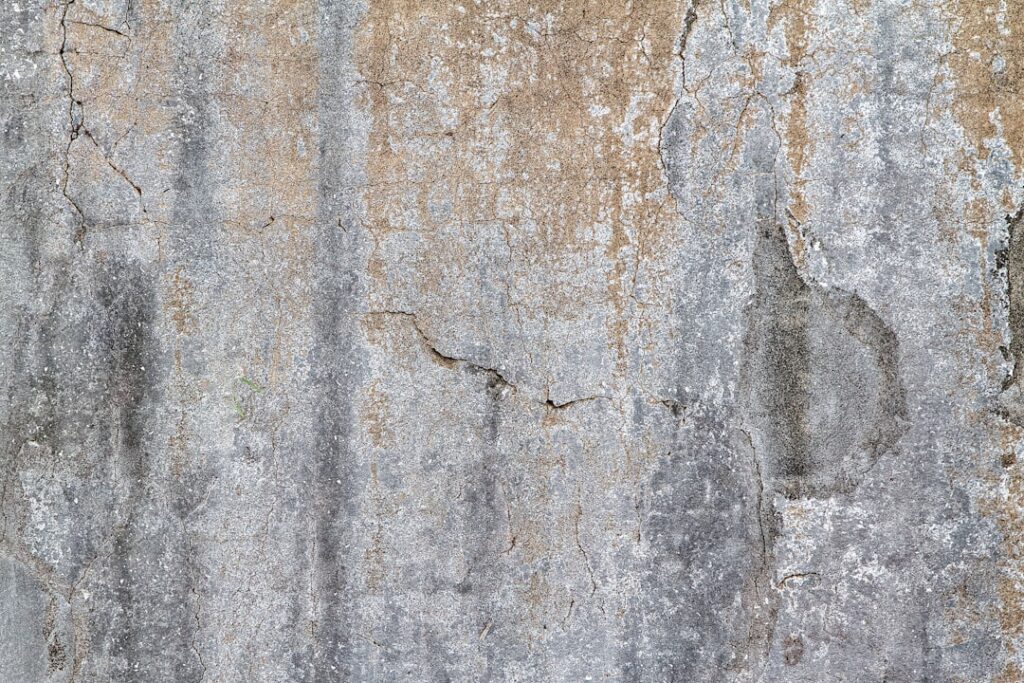
Homeowners hoping for a telltale sign—a color, a texture, a stamp—are often disappointed to learn that asbestos drywall looks almost exactly like ordinary drywall, with no visible marker to separate a hazardous wall from a harmless one. The fibers that matter are microscopic, and the panels and compound that contained them blend in with everything else on the wall, indistinguishable from the asbestos-free materials installed before and after them. What does asbestos drywall look like, then, is really a question about indirect clues rather than a description of any feature the eye can catch. This guide summarizes EPA, CDC, and OSHA guidance current as of 2026 for general information only; it is not a substitute for accredited laboratory testing or a certified professional’s advice, and any health concerns belong with your physician.
Part of our Asbestos in the Home guide — start there for the full picture →
Is this mold, asbestos, or water damage? Get a free instant screen
Upload a clear photo of the suspect area. You'll get an instant AI screening opinion and what to do next. This is screening guidance, not a professional determination.
Screening guidance only. AI can be wrong. Confirm asbestos, mold type, or lead with lab testing or a licensed professional before acting.
What Does Asbestos Drywall Look Like?
Asbestos drywall looks like regular drywall. There is no distinctive color, sheen, or surface pattern that reliably marks a panel or its joint compound as asbestos-containing. The asbestos was either mixed into the gypsum board or, more commonly, into the joint compound smeared over seams and fasteners, and in both cases the fibers are invisible to the eye. A wall finished in 1968 and a wall finished in 1998 can be visually indistinguishable, painted the same color, smoothed to the same finish, with nothing on the surface to betray that one carries a hidden hazard and the other does not.
That is the central, frustrating truth: a homeowner cannot identify asbestos drywall by sight. What can be assessed visually is the system’s age, the type of finish, and where the suspect material sits—clues that raise or lower suspicion but never confirm it. The only definitive test is laboratory analysis of a sample. Our companion guide on whether asbestos was used in drywall explains the board-versus-compound split that drives where to look.
This is a different situation from some other asbestos materials, where appearance at least narrows the field. Loose-fill vermiculite has a recognizable pebbly granule; old pipe insulation has a telltale chalky wrap. Drywall offers no such tell, because the asbestos hid in a thin compound layer under paint, identical in every visible way to the asbestos-free version that replaced it. A homeowner who has learned to spot suspect vermiculite or pipe wrap should not assume the same eye works on walls—here, the visual clues run out entirely, and only age, location, and a lab result remain.
The Real Clues: Age and Era
Since appearance fails, age does the heavy lifting. Asbestos was added to joint compound and some drywall products from roughly the 1940s into the late 1970s, with a 1977 federal ban on asbestos patching compounds marking the decline. Walls finished before about 1980 carry meaningful suspicion; walls from the mid-1980s onward are far less likely to contain it.
Renovation history complicates the timeline. A pre-1980 home that was re-mudded in 2010 may have a layer of modern compound over old asbestos compound, so both could be present in the same wall. Old stock of asbestos compound was sometimes used after the ban, too. The era of construction and finishing is the strongest visual-context clue a homeowner has, even though the wall itself reveals nothing.
Where the Asbestos Hides in a Wall
Knowing where asbestos lived in a drywall system tells a homeowner where to look and where an inspector will sample. The compound is the usual culprit, so the suspect zones are the finished joints rather than the open field of a panel.
- Taped seams — the joints between panels, finished with compound and paper or mesh tape.
- Inside and outside corners — built up with multiple compound layers.
- Fastener dimples — the small filled depressions over screws and nails.
- Textured finishes — popcorn ceilings and wall textures, which used related compounds.
- Patches — old repairs made with patching compound.
The panel face between joints is less consistently a source, though some boards and their paper facings could contain asbestos. This geography is why inspectors sample the compound specifically, and why a related asbestos in wall overview focuses on the finishing materials.
Textured Ceilings and Walls
Textured finishes deserve special attention because they were a major asbestos product and because removing them is a common renovation goal. Popcorn or “cottage cheese” ceilings applied before the early 1980s frequently contained asbestos, as did some sprayed and troweled wall textures.
Visually, these finishes look like any other texture—bumpy, sprayed, or hand-troweled. The texture style hints at the era but does not confirm asbestos. The danger is that scraping a popcorn ceiling, a popular update, can release large amounts of fiber if the material is asbestos-containing. This is precisely why testing before scraping is the standard recommendation: the finish that looks harmless can become an airborne hazard the moment a scraper touches it.
Why You Cannot Confirm It by Looking
Asbestos fibers are far too small to see. They measure in microns, well below the threshold of unaided vision, and they are dispersed unevenly through the compound. A wall can contain asbestos in one batch of mud and not another, all under the same coat of paint. No surface feature—color, texture, hardness, sheen—correlates reliably with asbestos content.
Accredited laboratories settle the question with polarized light microscopy, which identifies asbestos fibers by their optical properties. The EPA is consistent that this kind of testing is the only way to confirm asbestos. Visual guides, including this one, can tell a homeowner where to be suspicious and where to sample, but they cannot substitute for the microscope. Treating appearance as a verdict leads to dangerous mistakes in both directions.
Visual Myths That Lead Homeowners Astray
Several persistent myths about identifying asbestos drywall cause real mistakes. One holds that asbestos compound is grayer or harder than modern mud—it is not reliably either. Another claims a particular brand stamp or board marking reveals asbestos content; in practice, markings rarely survive on finished walls and do not encode asbestos status. A third assumes that if a wall looks clean and intact, it must be safe to sand, conflating physical condition with asbestos content.
Each myth fails for the same reason: the fibers are invisible, and no surface feature tracks with them. A wall finished in 1965 with asbestos compound can look identical to one finished in 1995 without it. Relying on these visual shortcuts produces errors in both directions—homeowners sand contaminated walls believing they look fine, or pay to abate harmless materials out of unwarranted fear. The only cure for the guesswork is a lab test, which is why every credible source steers homeowners away from visual verdicts and toward sampling.
Condition Clues Worth Noting
While appearance cannot confirm asbestos, the condition of a wall does inform the risk and the response. Intact, painted, well-maintained drywall holds its compound in a stable, non-friable state, releasing few fibers even if asbestos is present. Cracked, water-damaged, peeling, or already-disturbed walls are a different matter: damaged compound can flake and crumble, and damage means the material may already be shedding particles.
So a homeowner inspecting an older wall should note not whether it “looks like asbestos”—it cannot—but whether it is damaged. A sound wall in a pre-1980 home is a candidate for testing before any planned work, and for leaving alone otherwise. A deteriorating wall in the same home warrants more caution and a prompt professional assessment, because the disturbance has, in effect, already begun. Condition, not color or texture, is the visual clue that actually guides the next step.
How Testing Works
Because the compound and board can differ, an inspector typically collects samples of both: a small piece of joint compound from a seam or corner and a piece of the panel. For textured finishes, a sample of the texture itself is taken. All samples go to an accredited lab.
The EPA advises against homeowner sampling because cutting into a wall to take a sample disturbs the material and can release fibers, the very hazard testing is meant to prevent. A certified asbestos inspector wets the area, collects representative samples from multiple locations, and seals them properly. The result identifies whether asbestos is present and at what concentration, which determines whether any planned work counts as regulated abatement. This mirrors the testing approach across our broader asbestos and lead hazard guide.
What to Do Based on the Result
If a test confirms asbestos, the response depends on plans and condition. Intact, painted drywall and compound are non-friable, holding their fibers unless disturbed, so leaving the wall undisturbed is generally low risk. A homeowner can live with it indefinitely as long as no one sands, cuts, or scrapes it.
When renovation requires disturbance—scraping a popcorn ceiling, opening a wall, sanding seams—the work becomes regulated abatement. Licensed contractors use containment, wet methods, HEPA filtration, and sealed disposal. Some homeowners hire abatement pros for the disturbance phase only, then complete cosmetic work themselves once the area is cleared. A negative result, by contrast, clears the way for ordinary renovation. Either way, the lab result, not the wall’s appearance, governs the decision.
When to Call a Professional
Because the wall reveals nothing, the timing of the call matters more than any visual judgment. The moment to bring in a certified asbestos inspector is before disturbing any pre-1980 drywall, joint compound, or textured finish—especially before scraping a popcorn ceiling or opening walls for a remodel, when the disturbance is irreversible once it begins. The same applies if a finish is already damaged and shedding dust, or if a sale or permit requires documentation. The inspector samples safely, an accredited lab confirms, and a licensed abatement contractor handles any disturbance.
Front Range homeowners who want to know whether their walls or ceilings hide asbestos can connect with a vetted local inspector through our contact page. Since asbestos drywall looks like every other wall in the house, a quick professional test is the only way to replace guesswork with certainty before any renovation begins.
How Inspectors Decide Where to Sample
Since appearance offers no verdict, an inspector relies on the home’s history and the layout of the wall system to choose sampling locations. The era of construction sets the baseline suspicion, and the inspector then targets the materials most likely to contain asbestos: joint compound at seams and corners, textured finishes, and the board itself. In a home with multiple finishing eras—an original 1965 wall and a 1990s addition—samples are taken from each, because the compound in each may differ.
The inspector also accounts for the possibility of layered materials. A wall re-skimmed with modern compound over old asbestos compound can read differently depending on how deep the sample goes, so a representative sample captures the full thickness where feasible. Textured ceilings get their own sample of the texture material. This deliberate, location-aware sampling is why a professional result is dependable: it is not one random scraping but a strategy matched to where asbestos was actually used, ensuring the answer reflects the materials a renovation would disturb.
What to Do Before Scraping or Sanding
The single most important behavioral takeaway is sequencing: test before you disturb, never after. A homeowner eager to remove a dated popcorn ceiling or smooth a textured wall should treat the desire to scrape as the trigger to test, not the trigger to start scraping. The same applies to sanding seams for a repaint or opening a wall for a remodel in any pre-1980 home.
The reason is irreversibility. Once a textured ceiling is scraped or a wall is sanded, any asbestos present is already airborne and settled throughout the space—testing afterward only confirms a problem already created. Testing first costs little and takes a few days for lab results, and it determines whether the work proceeds as ordinary renovation or as controlled abatement. A homeowner who internalizes this order avoids the most common way asbestos drywall harms people: enthusiastic DIY removal of a finish that looked perfectly ordinary because, as this entire guide stresses, asbestos drywall always does.
References
- Protect your family from asbestos exposures — U.S. EPA
- Asbestos health effects — CDC / NIOSH
- Asbestos in construction and renovation — OSHA
Frequently asked questions
Can you tell asbestos drywall apart from regular drywall by sight?
No. Asbestos drywall and its joint compound look identical to asbestos-free versions, because the fibers are microscopic and invisible. The only visual clues are age, finish type, and location, which raise suspicion. Confirmation requires laboratory analysis of a sample.
Where is asbestos found in a drywall wall?
Most often in the joint compound at taped seams, corners, and fastener dimples, and in textured finishes like popcorn ceilings. Some older boards and paper facings could contain it too. Inspectors usually sample the compound and board separately.
Are popcorn ceilings asbestos?
Many popcorn and textured finishes applied before the early 1980s contained asbestos, though appearance alone cannot confirm it. Scraping such a ceiling can release significant fiber if it is asbestos-containing, which is why testing before removal is the standard recommendation.
How is asbestos in drywall confirmed?
A certified inspector collects samples of the joint compound, board, and any texture, then sends them to an accredited lab using polarized light microscopy. The EPA advises against DIY sampling because cutting into the wall can release fibers.
Because asbestos drywall looks just like ordinary drywall, testing is the only way to be sure before a Front Range remodel. Reach out through our contact page to connect with a qualified local inspector who can arrange accredited testing.
Asbestos test kits
Asbestos can only be confirmed by a lab. A mail-in kit gets you a sealed sample container and accredited analysis — never sand or disturb suspect material first.
| Product | Why | Buy |
|---|---|---|
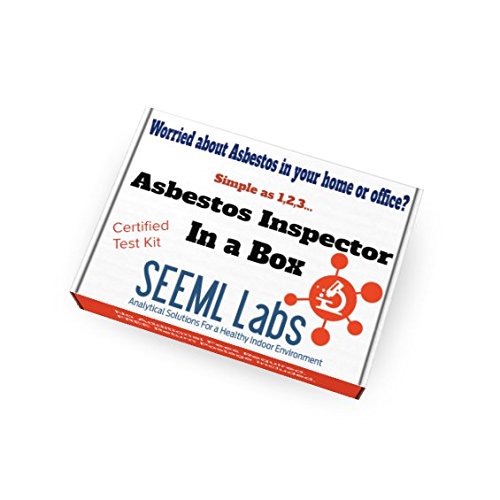 Asbestos Test Kit (mail-in lab) | Includes PPE + sealed mailer. | Amazon — $22.00 |
 Pro-Lab Asbestos Test Kit | Widely available; lab fee separate. | Amazon — $79.99 |