Fireplace Insert: Gas, Wood and Electric Options Compared
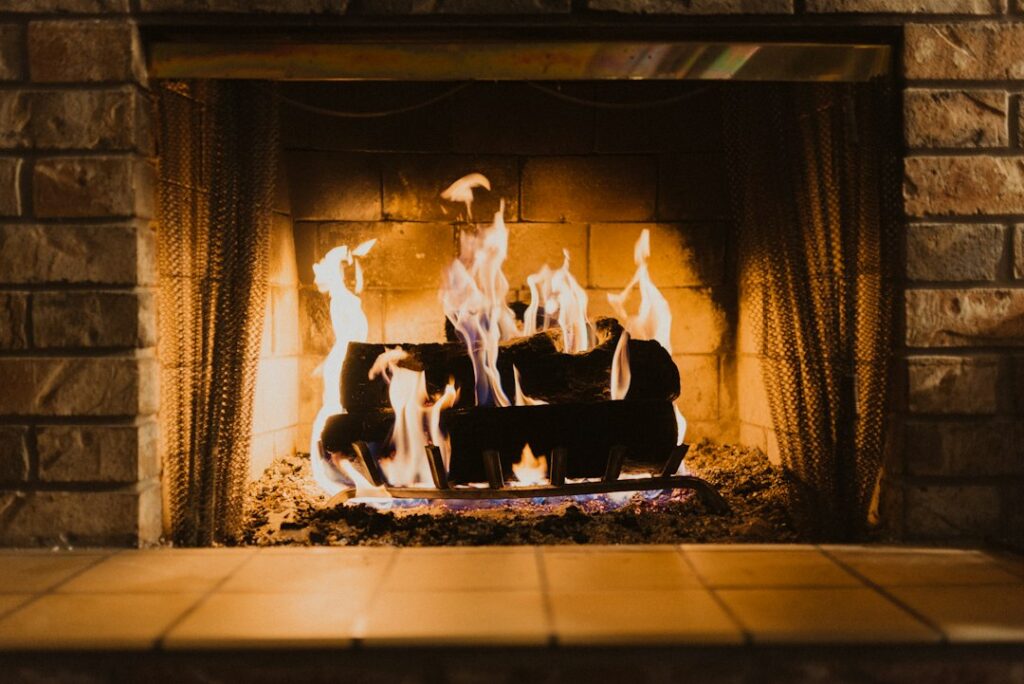
An open masonry fireplace is pleasant to look at, but as a heat source it has a reputation for sending much of its warmth, and a good deal of heated room air, straight up the chimney. A fireplace insert is a firebox that slides into an existing fireplace opening and turns it into a closed, more controllable heater. Inserts come in gas, wood, pellet and electric versions, and each has different venting, installation and safety needs. For Front Range homeowners, local air-quality rules and the condition of an older chimney often shape the decision as much as the price tag. This guide compares the main insert types, explains how venting and liners work, covers EPA-certified wood models, sizing, permits and safety, and offers hedged cost ranges. Figures are general industry estimates, not quotes.
Part of our Heating, Cooling & Ventilation guide — start there for the full picture →
What Is a Fireplace Insert and Is It Worth It?
A fireplace insert is a closed heating appliance designed to fit inside an existing masonry or factory-built fireplace. Most have a glass front, an insulated or double-walled steel or cast-iron body and, for fuel-burning models, a vent connection that runs up through the chimney. Compared with an open fireplace, an insert controls how much air feeds the fire and returns more heat to the room, often with a blower. For homeowners who actually use their fireplace for warmth, an insert is usually worth considering. For those who light a fire twice a year for atmosphere, a lower-cost cleaning, repair or simple electric unit may make more sense.
Key points to weigh before shopping:
- Fuel availability: natural gas or propane access, a firewood supply, pellet storage space or simply an outlet.
- Chimney condition: most gas and wood inserts need a properly sized liner running the full height of the chimney.
- Local rules: burning restrictions, permits and any appliance certification requirements.
- How the space will be heated: a single room, an open-plan main floor or supplemental zone heat.
Types of Fireplace Inserts Compared
Gas Inserts
Gas inserts burn natural gas or propane and are the most common choice for convenience. They light with a switch or remote, need no ash cleanup and can run with thermostatic control. Most modern gas inserts are direct-vent models: a coaxial or two-pipe system draws combustion air from outdoors and exhausts gases outside, which keeps the firebox sealed from the room. Venting usually runs through two flexible liners or a coaxial liner inside the existing chimney. Gas inserts need a gas line, often a dedicated electrical circuit for the blower or ignition, and installation by a qualified gas fitter.
Some homeowners consider vent-free gas logs or inserts. These release combustion products, including water vapor, into the living space, and some jurisdictions restrict or prohibit them. Anyone considering a vent-free product should check local codes carefully and make sure carbon monoxide alarms are installed.
Wood Inserts
Wood inserts offer real flame and crackle with far better control than an open fireplace. Modern models use either non-catalytic designs, with an insulated firebox, baffles and preheated secondary air, or catalytic combustors that burn smoke gases before they leave the stove. Wood inserts require a stainless steel liner connected to the insert outlet and running to the top of the chimney, regular sweeping and a supply of dry, seasoned firewood. They also produce smoke, which matters for neighbors and for air-quality regulations.
Pellet Inserts
Pellet inserts burn compressed wood pellets fed automatically from a hopper by an auger. They often run longer between refills than wood inserts, offer thermostatic control and generally produce less visible smoke than cordwood when operating properly. The trade-offs are that they need electricity to run the auger and fans, so they stop during a power outage unless backed up, they have more moving parts to maintain and pellets need dry storage. Pellet inserts usually vent through a smaller-diameter pellet vent pipe or liner in the chimney.
Electric Inserts
Electric inserts are the simplest option. They plug into a standard outlet or a dedicated circuit, need no venting, and produce no combustion gases. Heat output is limited by the electrical supply, typically enough to supplement heat in a single room rather than heat a whole floor. Many homeowners choose electric inserts for the look of a fire in a fireplace that is unsafe to burn in, or in condos where gas and wood are not options. Because there is no flame, an electric insert does not address a damaged chimney; the flue should still be capped or sealed against weather and animals.
Quick Comparison
- Heat output: wood and gas inserts are typically the strongest heaters; pellet inserts are moderate to strong; electric inserts are modest.
- Convenience: electric and gas are the easiest; pellet is automated but needs loading; wood needs the most handling.
- Venting: gas, wood and pellet require venting; electric does not.
- Power outages: wood and many gas inserts can still produce heat without power, though blowers stop; pellet and electric generally do not.
- Upkeep: wood requires the most cleaning and sweeping; gas needs annual service; pellet needs regular ash removal and periodic maintenance.
Best Fireplace Inserts: our top 3 picks
| Product | Best for | Key features | Price | Buy |
|---|---|---|---|---|
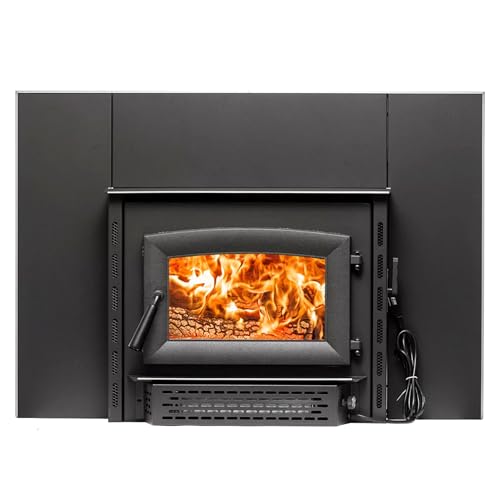
| US Stove US1800E | Best wood-burning insert |
| $1,499.99as of Oct 25, 2026 10:02 am GMT+0000 | Buy now →Check current price |
| Touchstone Forte 40 | Best electric insert for an old opening |
| $549.00as of Oct 25, 2026 9:33 am GMT+0000 | Buy now →Check current price |
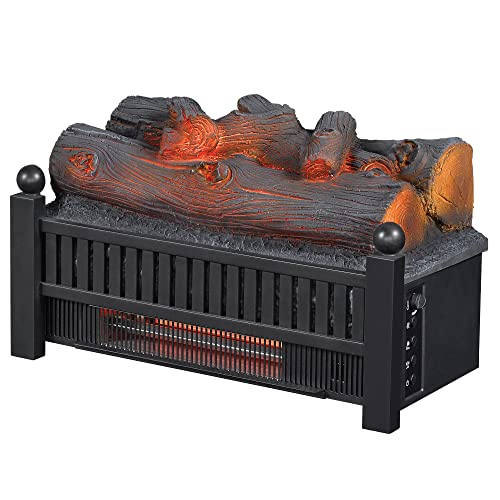
| Duraflame DFI041ARU | Best log set with crackle sound |
| $169.99as of Oct 25, 2026 10:02 am GMT+0000 | Buy now →Check current price |

Prices are Amazon’s listed prices as of the time shown and change often; check Amazon for today’s price. As an Amazon Associate we earn from qualifying purchases.
Efficiency Compared With Open Fireplaces
An open fireplace draws large volumes of room air for combustion and sends it up the chimney. When the fire dies down, a damper left open continues to let warm air escape. In practice, many open fireplaces deliver little net heat to the house and can even make other rooms cooler by pulling in cold outdoor air through gaps in the building.
An insert reduces those losses in several ways. The closed door limits the amount of air the fire uses, a sealed or direct-vent design keeps house air out of the combustion process, and a blower and convection channels move heat into the room rather than leaving it in the masonry. Manufacturers publish efficiency ratings for their models, and those figures are the best basis for comparing specific products.
EPA-Certified Wood Inserts
EPA sets smoke emission limits for new wood heaters. On its Burn Wise page about choosing a wood stove, EPA explains that older uncertified stoves release roughly 15 to 30 grams of smoke per hour, while the current Step 2 standard that took effect in May 2020 limits new wood stoves to 2.0 grams per hour, or 2.5 grams per hour under the optional cordwood test method. The same page notes that a lower grams-per-hour rating means a cleaner, more efficient stove and suggests taking a floor plan to knowledgeable retailers who can help match a wood stove, fireplace insert or other hearth product to the space. EPA notes the Burn Wise site is now maintained as a historical record and is no longer being updated, so homeowners should confirm current certification status with the manufacturer and the EPA certified wood heater database.
Venting and Chimney Liners
For gas and wood inserts, venting is the most important installation detail. Most manufacturers require a full-height liner sized to the insert’s outlet, and many specify a stainless steel liner, sometimes insulated. Connecting the insert directly to a liner keeps exhaust warm, improves draft, reduces creosote buildup in the oversized original flue and keeps combustion gases contained. Older “slammer” installations, where an insert was simply pushed into the fireplace and vented into the open smoke chamber, are generally considered substandard today. The guide to chimney liner types and relining costs explains the options in more depth.
Before buying, it makes sense to have the chimney checked. A sweep can confirm whether the existing firebox, damper area and chimney can accommodate the insert and liner, and whether crown, cap or masonry repairs are needed first. The guide to chimney inspection and what sweeps check outlines what to expect. Factory-built (prefabricated metal) fireplaces need special attention, because only inserts listed for use in that specific fireplace should be installed in them.
Sizing, Installation and Permits
Sizing the Insert
Two kinds of sizing apply. Physical sizing means the insert must fit the fireplace opening, depth and rear width with the manufacturer’s required clearances. Heat sizing means choosing output appropriate for the area being heated. An oversized wood insert run at low settings to avoid overheating a room tends to burn smoldering fires that create more creosote. EPA’s wood stove guidance describes small units as suitable for a single room or zone heating, medium units for small or energy-efficient houses, and large units for open, larger or leakier homes in cold climates, and suggests that experienced hearth retailers can help with selection.
Installation
Professional installation is strongly recommended for gas, wood and pellet inserts. Gas work in particular should be done by a licensed gas fitter. The installer should follow the manufacturer’s instructions for liner size, clearances to combustible mantels and trim, hearth extension size and any outside-air kit. Electric inserts are often plug-and-play but may need a dedicated circuit for higher-output models.
Permits and Local Rules
Many building departments require permits for installing gas, wood or pellet inserts and their liners, followed by an inspection. On the Front Range, some jurisdictions and the regional air-quality program have historically restricted wood burning on high-pollution days, with exemptions for some certified or gas appliances. Rules differ by county and city and change over time, so homeowners should check with the local building department and air-quality authority before choosing a wood insert. Homeowners associations may have their own restrictions as well.
Safety: Alarms, Clearances and Maintenance
Any fuel-burning insert brings carbon monoxide and fire risks that need to be managed. CPSC advises installing battery-operated CO alarms or alarms with battery backup on every level of the home and outside sleeping areas, and notes that interconnected alarms are best. The guide to carbon monoxide detector placement covers practical locations, and the guide to smoke detector placement explains where smoke alarms belong.
Other safety basics include:
- Clearances: the U.S. Fire Administration advises keeping anything that can burn at least 3 feet from heat sources, including fireplaces and wood stoves. Insert manuals also specify required clearances to mantels and trim.
- Annual service: NFPA’s heating safety guidance recommends having heating equipment and chimneys cleaned and inspected every year by a qualified professional.
- Glass and surfaces: the glass front on many gas inserts gets very hot; screens or barriers help protect young children.
- Fuel: burn only dry, seasoned wood or the pellets the manufacturer specifies, never trash or treated wood.
- Ash disposal: store ashes in a covered metal container outdoors, away from the house.
- Extinguisher: keep a suitable extinguisher nearby; the guide to fire extinguishers for the home covers types and placement.
Fireplace Insert Costs
Total cost depends on the unit, the liner, gas line or electrical work, chimney repairs, permits and local labor. The ranges below are rough industry estimates.
- Electric inserts: often a few hundred dollars to a couple of thousand, with minimal installation cost if an outlet is available.
- Gas inserts: commonly a few thousand dollars installed, frequently in the range of roughly $3,000 to $7,000 or more once venting and gas line work are included.
- Wood inserts: often in a similar range to gas, with the stainless liner and any chimney repairs adding significantly.
- Pellet inserts: often a few thousand dollars installed, plus ongoing pellet costs.
- Chimney work: cleaning, a camera inspection, crown or cap repairs can add a few hundred to a few thousand dollars; the guide to chimney sweep cost covers typical service pricing.
Federal or utility incentives sometimes apply to certain high-efficiency wood or pellet appliances or to heat pumps. Eligibility rules change, so homeowners should verify current programs before assuming a credit. Those weighing a broader heating upgrade may also find the comparison of heat pumps and furnaces useful context.
Common Problems With Existing Inserts
Inserts that have been in place for years can develop issues that are easy to miss, especially when the homeowner uses them only occasionally.
No Liner or a Partial Liner
Older installations sometimes vent the insert into the original fireplace flue with only a short pipe, or none at all. Exhaust then cools in the oversized flue, which can lead to heavy creosote in wood-burning systems and condensation in gas systems. A sweep can usually tell by removing the insert surround or looking up from the top of the chimney.
Worn Gaskets and Door Seals
Wood inserts depend on tight-fitting doors and glass gaskets to control combustion air. When gaskets flatten or crack, the fire can burn hotter and less predictably, and smoke may leak into the room. Replacement gasket kits are inexpensive, but the problem is often overlooked.
Gas Insert Ignition and Venting Issues
Gas inserts can develop pilot or ignition problems, dirty burners, misplaced logs that cause sooting or a blocked vent termination from birds’ nests or debris. A sooty glass front, yellow lazy flames or a smell of exhaust are signs that a service call is due. Annual service by a qualified technician is the usual recommendation.
Mismatched Components
Mixing parts from different manufacturers, installing a non-listed insert in a factory-built fireplace or removing parts of the original fireplace, such as the damper, without following instructions can create hazards that are hard to detect. Manufacturer labels, usually on a plate inside the surround or behind a lower panel, list the model and approved installation details.
Buying a Home With an Insert
An existing insert can be a selling point, but buyers should confirm how it was installed. The ASHI Standard of Practice requires home inspectors to inspect fuel-burning fireplaces, stoves and fireplace inserts along with chimneys and vent systems, but it does not require them to move inserts, inspect flue interiors that are not readily accessible or determine draft characteristics. That means a general inspection may not reveal whether an insert has a full-height liner. A separate chimney inspection is the way to answer that question. The guide to hiring a home inspector for a Front Range purchase explains how to fit add-on evaluations into the contingency period.
References
- Choosing the Right Wood-Burning Stove (Burn Wise) — U.S. Environmental Protection Agency
- Safety with Heating Equipment — National Fire Protection Association
- Heating Fire Safety — U.S. Fire Administration
- Carbon Monoxide Information Center — U.S. Consumer Product Safety Commission
- ASHI Standard of Practice for Home Inspections — American Society of Home Inspectors
Frequently asked questions
Do fireplace inserts need a chimney liner?
Most gas, wood and pellet inserts require a liner sized to the insert outlet and running the full height of the chimney, as specified by the manufacturer. Electric inserts do not need venting, though the flue should still be capped or sealed.
Which is better, a gas or wood fireplace insert?
Gas inserts offer convenience, thermostatic control and no ash, while wood inserts provide real wood heat and can work without a gas line. Local burn restrictions, fuel access and how much upkeep the household is willing to do usually decide the choice.
How much does a fireplace insert cost?
As rough estimates, electric inserts often cost a few hundred to a couple of thousand dollars, while installed gas, wood and pellet inserts commonly run several thousand dollars once the liner, gas or electrical work and permits are included.
Are fireplace inserts more efficient than open fireplaces?
Generally yes. Inserts control combustion air with a closed door and return more heat to the room, often with a blower, while open fireplaces send much of their heat and warm room air up the chimney. Manufacturer efficiency ratings help compare models.
Is wood burning allowed every day in the Denver area?
Not always. Parts of the Front Range have had wood-burning restrictions on high-pollution days, with exemptions for some appliances. Rules vary by jurisdiction, so check with the local air-quality authority before relying on a wood insert.
Buying a Front Range home with a fireplace insert and not sure how it was vented? Contact our team and we can point you to a local inspector who can recommend the right chimney follow-up before closing.