Fire Extinguisher for Home: Types, Placement and Use
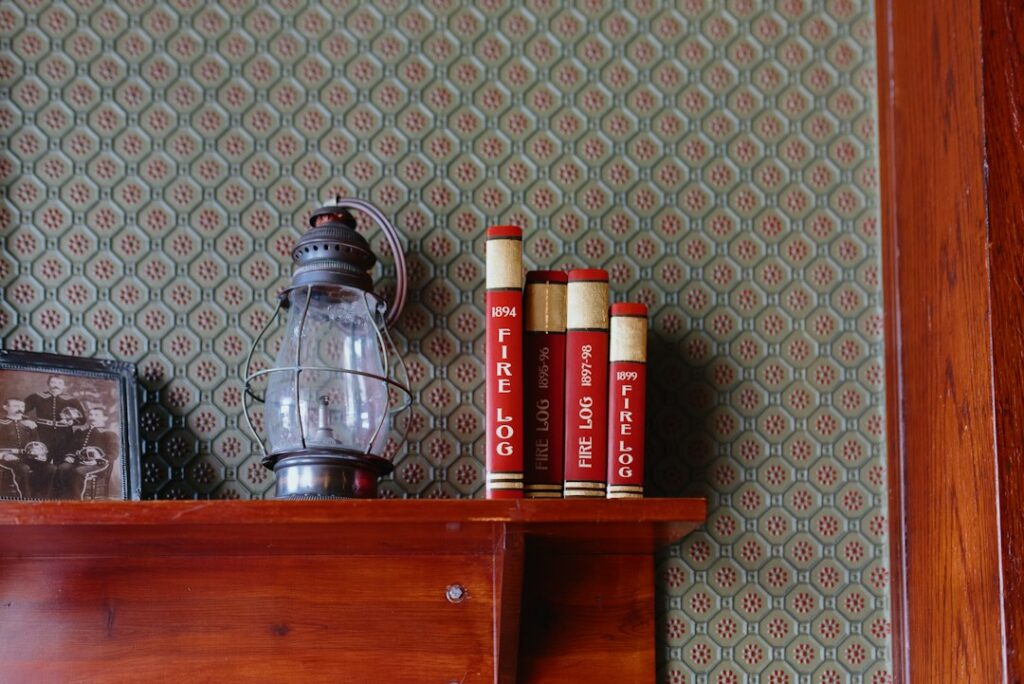
A portable extinguisher can stop a pan fire or a smoldering wastebasket before it becomes a house fire, but only if it is the right type, within reach, charged, and used by someone who knows when to fight and when to leave. Many households own one that has sat under the sink for a decade with nobody sure whether it still works. This guide explains how to choose a fire extinguisher for home use, what the letters and numbers on the label mean, where to keep extinguishers, how to use them with the PASS technique, and how to handle kitchen grease fires safely. It draws on guidance from the U.S. Fire Administration (USFA), the National Fire Protection Association (NFPA) and OSHA. Local fire departments often offer hands-on training, and nothing here replaces that practice or the instructions printed on the extinguisher itself.
Part of our Specialty Home Inspections guide — start there for the full picture →
What Is the Best Fire Extinguisher for Home Use?
For most households, the practical choice is a multipurpose extinguisher labeled A-B-C, typically a dry chemical unit. The USFA notes that multipurpose extinguishers labeled “B-C” or “A-B-C” can be used on most types of home fires, and that most home improvement stores carry multipurpose models covering Class A through Class C. The USFA also recommends looking for a “UL Listed” or “ULC Listed” label to confirm the extinguisher is certified by a nationally recognized testing laboratory, and selecting the largest extinguisher a person can safely and comfortably operate.
A common setup for a typical single-family home looks like this:
- A rechargeable multipurpose ABC extinguisher, often in the 2-A:10-B:C range or larger, on each level of the home.
- An extinguisher in or near the kitchen, positioned toward an exit rather than beside the stove.
- An extinguisher in the garage or workshop, where fuels, solvents and power tools raise the risk.
That layout is a reasonable starting point rather than a rule. Household size, home layout, mobility of the occupants and local fire department advice may change it.
Fire Extinguisher Classes Explained
Extinguishers are designed for specific kinds of fuel. The USFA describes five primary types, and using the wrong one can be ineffective or dangerous.
Class A: Ordinary Combustibles
Wood, paper, cloth, cardboard, many plastics and upholstery. These are the most common materials in a living room or bedroom fire.
Class B: Flammable Liquids
Gasoline, oil, oil-based paints, solvents and similar liquids. The USFA’s description of Class B also includes grease. These hazards concentrate in garages, workshops and storage areas.
Class C: Energized Electrical Equipment
Appliances, tools and equipment that are plugged in. The USFA explains that Class C extinguishers use an agent that does not conduct electricity. Water on an energized electrical fire risks shock. If it is safe to do so, cutting power to the device turns the fire into a Class A or B problem.
Class D: Combustible Metals
Magnesium, titanium and other flammable metals, usually found in factories and machine shops. Homes rarely need Class D protection.
Class K: Cooking Oils and Fats
The USFA describes Class K extinguishers as intended for vegetable oils, animal oils and fats in cooking appliances, and notes they are often found in commercial kitchens such as restaurants, cafeterias and catering businesses. Class K units use a wet chemical agent designed for the deep fryers and high-temperature cooking oils in commercial operations. Most homes rely on a lid and a multipurpose extinguisher instead, as covered below.
Best Fire Extinguisher for Home: our top 3 picks
| Product | Best for | Key features | Price | Buy |
|---|---|---|---|---|
| First Alert HOME2PRO | Main level, garage and workshop |
| $49.99as of Nov 11, 2026 12:27 pm GMT+0000 | Buy now →Check current price |
| Kidde 711A Kitchen + Home Set | Kitchen grease plus whole home |
| $45.00as of Nov 11, 2026 12:27 pm GMT+0000 | Buy now →Check current price |
| First Alert HOME1 | Compact rechargeable unit |
| $22.98as of Nov 11, 2026 12:27 pm GMT+0000 | Buy now →Check current price |
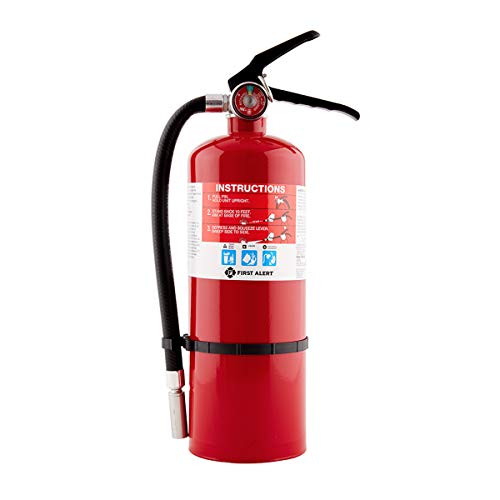

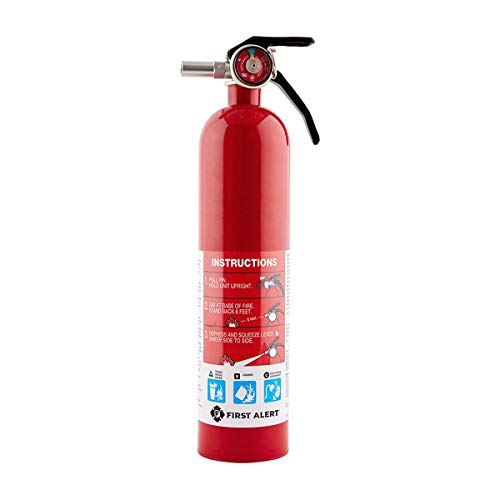
Prices are Amazon’s listed prices as of the time shown and change often; check Amazon for today’s price. As an Amazon Associate we earn from qualifying purchases.
How to Read the Rating on the Label
The string of numbers and letters on the label, such as 1-A:10-B:C or 2-A:10-B:C, describes how much fire the extinguisher can handle in testing. The USFA explains the system this way:
- The number before “A” represents a multiple of 1.25 gallons of water. A rating of 1-A is equivalent to 1.25 gallons of water on a Class A fire; 2-A is equivalent to about 2.5 gallons.
- The number before “B” represents the area, in square feet, of a Class B fire the extinguisher can handle. A 10-B rating covers a flammable liquid fire of about 10 square feet.
- The “C” has no number. It simply indicates the extinguishing agent is safe on energized electrical equipment.
Bigger numbers mean more fire-fighting capacity, but also a heavier extinguisher. Small “kitchen” or “auto” units with low ratings are easy to store but empty in seconds. A larger multipurpose unit gives more discharge time, which matters for anyone without training. Balance capacity against what each household member can actually lift and aim; the USFA’s advice to choose the largest extinguisher a person can comfortably operate captures that trade-off.
Rechargeable vs Disposable
Rechargeable extinguishers typically have a metal valve and can be serviced and refilled by a fire equipment company after use or when pressure drops. Disposable units usually have plastic valve components and are replaced rather than recharged. Disposable models cost less up front; rechargeable models can be more economical over time and are easier to maintain properly.
Where to Keep Fire Extinguishers at Home
Placement should make the extinguisher easy to grab on the way out, not something a person has to reach past the fire to get. General guidelines that fire safety educators commonly suggest:
- Kitchen: mount it near an exit or doorway, not right next to the range. A fire on the stove can block access to an extinguisher hung beside it.
- Each level: keep one on every floor, including the basement, ideally near stairs or a main exit route.
- Garage and workshop: mount one near the door into the house or the main garage door, away from where fuels are stored.
- Bedrooms and sleeping areas: some households add one near sleeping areas, particularly in larger homes.
Mount extinguishers on a bracket or keep them in an unlocked, clearly visible spot. Do not bury them in the back of a cabinet. The USFA lists easy access as the first item on its maintenance checklist: nothing should block or limit the ability to reach the extinguisher. Front Range homes with detached garages or workshops should also consider a unit in each outbuilding, and households in wildland-urban interface areas may want one near the exterior door they use most. Extinguishers stored in unheated garages or vehicles should be rated for the temperatures they will see.
How to Use a Fire Extinguisher: The PASS Technique
The USFA teaches the PASS acronym:
- Pull the pin. Hold the extinguisher with the nozzle pointing away from you and release the locking mechanism.
- Aim low, at the base of the fire, not at the flames.
- Squeeze the lever slowly and evenly.
- Sweep the nozzle from side to side across the base of the fire.
Stand a few feet back, keep a clear exit behind you, and back away if the fire flares up. Watch the area after the fire appears to be out, because it can reignite. Even a fire that seems fully extinguished warrants a call to the fire department to confirm nothing is smoldering in walls or cabinets.
Practice matters. Reading the instructions when the extinguisher is new, and asking the local fire department about training, makes it far less likely that someone will fumble the pin under stress.
When Not to Fight a Fire
An extinguisher is for small, contained fires. The USFA suggests running through a short checklist first. Has everyone been alerted? Has someone called the fire department? Is the person physically able to use the extinguisher? Is the fire small and contained to a single object or surface, such as a pan or wastebasket? Is the person safe from toxic smoke, with a clear escape route? The USFA advises using an extinguisher only when every answer is yes, and notes that young children and older adults should not use fire extinguishers.
If there is any doubt, the USFA’s guidance is to alert others, leave the building, and call 911 from a mobile phone or a neighbor’s phone. Fire spreads fast, and smoke is often the bigger threat. OSHA’s workplace guidance frames the same decision as “fight or flee,” and treats simply evacuating as a legitimate alternative to fighting a small fire.
That is why extinguishers should complement, not replace, working smoke alarms and a practiced escape plan. The NFPA recommends a home escape plan with two ways out of each room and an outside meeting place, practiced twice a year. The companion guide on smoke detector placement covers where alarms belong so a fire is detected early.
Kitchen Grease Fires: Lid First, Never Water
The NFPA identifies cooking as a leading cause of reported home fires, home fire injuries and home fire deaths, and grease fires call for specific steps. The NFPA advises keeping a lid nearby when cooking so that a small grease fire can be smothered by sliding the lid over the pan and turning off the burner. Leave the lid on until the pan has completely cooled. Never throw water on a grease fire, which can spread burning oil across the kitchen.
For an oven fire, the NFPA advises turning off the heat and keeping the door closed. If the fire does not go out, or anyone feels unsure about sliding a lid over the pan, the NFPA’s guidance is to get everyone out of the home and call the fire department from outside.
If an extinguisher is used on a stovetop fire, a multipurpose ABC unit is the typical home choice. Discharge carefully from a safe distance, since a forceful blast at close range can scatter burning grease. Class K extinguishers are designed for commercial deep fryers and large volumes of hot oil; most homes do not need one, though households that deep-fry frequently may ask a fire equipment dealer for advice.
Fire Blankets as a Complement
Fire blankets are sheets of fire-resistant material that can be pulled from a wall-mounted pouch and laid over a small pan fire to smother it, or wrapped around a person whose clothing has caught fire. Some households keep one in the kitchen alongside an extinguisher. Quality and certification vary between products, so look for a recognized listing and follow the maker’s instructions. A blanket is a supplement, not a substitute for an extinguisher, a lid or the decision to leave.
Extinguishers for Garages, Grills, Fireplaces and Vehicles
A few spaces around a typical Front Range property deserve their own planning.
Garages and Workshops
Garages concentrate Class B hazards: gasoline for the mower or snowblower, paint thinners, oils and aerosol cans, often near electrical tools and a water heater or furnace. A multipurpose ABC unit with a meaningful B rating is a sensible fit. Mount it by the door leading into the house so the escape route and the extinguisher are in the same place.
Grills and Outdoor Cooking
Gas grills, smokers and fire pits on decks and patios are common across the Denver suburbs. Keep an extinguisher accessible from the patio door rather than stored in a shed. For a gas grill flare-up that grows, shutting off the propane at the tank, if it can be reached safely, is usually the first step. Dry summers and windy days along the foothills raise the stakes for any outdoor flame.
Fireplaces and Wood Stoves
Homes with wood-burning fireplaces or stoves benefit from an extinguisher in the same room, plus a metal container with a lid for ashes, stored outside away from the house. Chimney fires are a reason to get out and call 911, not to fight from inside.
Vehicles and RVs
Compact extinguishers rated for vehicle use are available for cars, trucks and RVs. Secure them in a bracket so they do not become projectiles, and check them as often as household units.
Common Mistakes With Home Extinguishers
- Storing it beside the hazard. An extinguisher mounted next to the stove may be unreachable once the stove is on fire.
- Buying the smallest unit available. Tiny units empty quickly; capacity buys time.
- Never reading the instructions. Different models have different pins, handles and discharge times.
- Forgetting about it for years. Gauges drift, seals break and cylinders corrode. Add a monthly glance to the same routine as testing smoke alarms.
- Treating it as the plan. An extinguisher supports an escape plan; it does not replace one.
Inspection, Maintenance and Replacement
The USFA recommends checking extinguishers regularly for:
- Easy access: nothing blocking the unit.
- Pressure: many extinguishers have a gauge showing whether pressure is too high or too low.
- Working parts: the cylinder, hose and nozzle should not be damaged, dented or rusted.
- Cleanliness: dust, oil or grease should be wiped off the outside.
On most gauges, the needle should sit in the green zone. It is also worth confirming that the pull pin and tamper seal are intact, since a broken seal can mean the unit was partly discharged.
The USFA also notes that some extinguishers need to be shaken monthly and others pressure tested every few years, and that some can be recharged while others must be replaced when pressure is low. Follow the instructions on the label. OSHA’s portable extinguisher guidance, written for workplaces, explains that extinguishers are required to be inspected and pressure tested by a qualified person because handling and conditions can weaken the cylinder over time; homeowners with rechargeable units can use a local fire equipment service for the same work.
Replace any extinguisher that has been partially discharged (unless it is rechargeable and is serviced), shows damage, has a gauge out of range, or is past the service life stated by the manufacturer. Check for recalls on older units, too.
After any fire, even a small one, smoke and dry chemical residue can spread farther than expected. The fire damage restoration guide covers cleanup and odor removal. For buyers, a home inspection may note visible fire-safety items, but extinguishers are generally outside the scope of a standard inspection; the home inspector hiring guide explains what is and is not covered.
References
- Fire Extinguishers: Types, Ratings, PASS and Maintenance — U.S. Fire Administration
- Cooking Fire Safety Tips — National Fire Protection Association
- Home Fire Escape Planning — National Fire Protection Association
- Portable Fire Extinguishers eTool — Occupational Safety and Health Administration
Frequently asked questions
What type of fire extinguisher is best for a home?
A multipurpose ABC extinguisher is the usual choice because it covers ordinary combustibles, flammable liquids and energized electrical equipment. The USFA recommends choosing a UL- or ULC-listed model and the largest size a person can safely and comfortably operate.
What does 2-A:10-B:C mean on a fire extinguisher?
According to the USFA, the number before A is a multiple of 1.25 gallons of water, so 2-A equals about 2.5 gallons on ordinary combustibles. The 10-B means it can handle a flammable liquid fire of about 10 square feet, and C means it is safe on electrical equipment.
Where should I keep a fire extinguisher in the kitchen?
Keep it near an exit or doorway rather than right beside the stove, so a stovetop fire does not block access. It should be visible and unobstructed, not buried in a cabinet.
Can you use water on a grease fire?
No. Water can spread burning oil. The NFPA advises sliding a lid over the pan, turning off the burner and leaving the lid on until the pan cools. If the fire does not go out, get everyone outside and call the fire department.
How do I know if my fire extinguisher still works?
Check that the gauge needle is in the green zone, the pin and seal are intact, and the cylinder, hose and nozzle are not damaged or rusted. Follow the label for shaking, servicing and replacement, and replace units that are damaged, discharged or past their service life.
Moving into a Front Range home and want a second set of eyes on its fire-safety basics? Send us a message and we can help you connect with a qualified local inspector.