Wall Heater: Gas vs Electric, Venting and Fire Safety
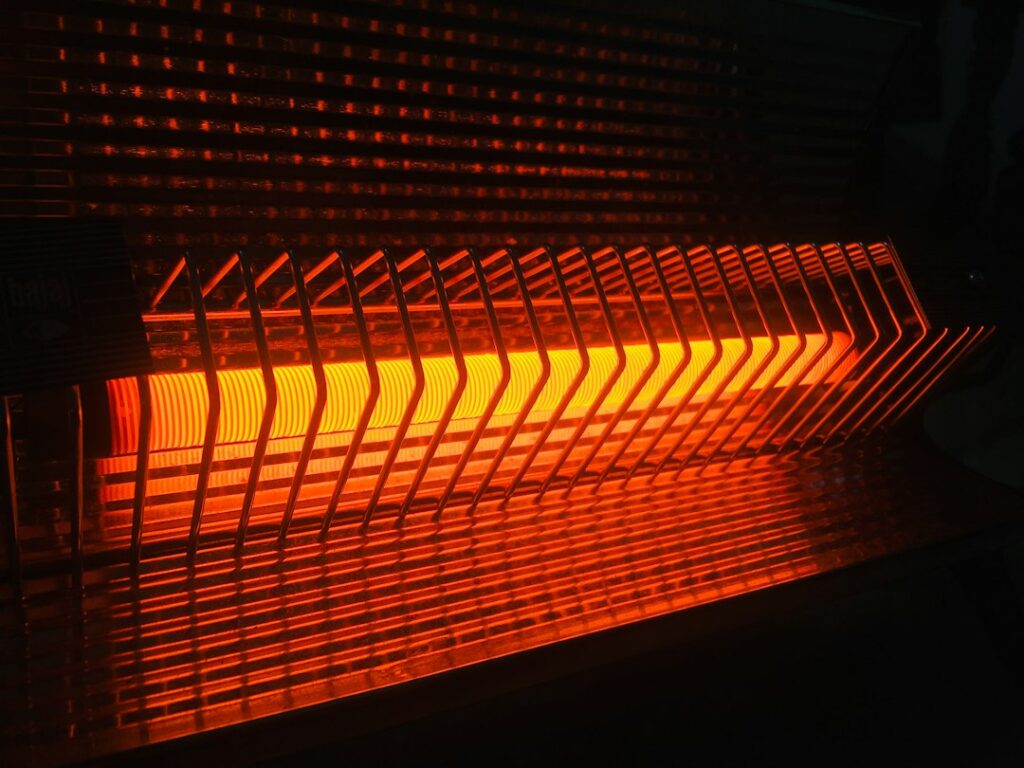
A heater recessed into or mounted on a wall is one of the simplest ways to warm a room without ductwork. Front Range buyers run into them in 1940s and 1950s bungalows, basement apartments, garages converted to living space, cabins in the foothills, and bathrooms that never got a duct run. Some are small electric fan-forced units on a dedicated circuit. Others are gas-fired wall furnaces that burn natural gas or propane and vent combustion gases outdoors. The two carry very different risks. An electric wall heater is mainly a clearance and wiring question, while a gas unit adds venting, combustion and carbon monoxide to the list. This guide explains how each type works, what to look for at a showing, why older gas wall furnaces deserve extra scrutiny, how thermostats and gas lines fit in, and what repairs and replacements tend to cost.
Part of our Heating, Cooling & Ventilation guide — start there for the full picture →
What a Wall Heater Is and the Main Types
A wall heater is a permanently installed space heater built into or attached to a wall, serving one room or a small group of connected rooms. Unlike a central furnace, it heats the air where it sits and relies on a fan or natural convection to spread warmth. The main categories are:
- Electric fan-forced wall heaters. A resistance element with a small fan behind a grille, usually recessed between studs. Common in bathrooms, small bedrooms and additions. Typically 120 or 240 volts.
- Electric radiant or convection wall panels. Slim panels with no fan, relying on radiant heat and gentle convection.
- Gas direct-vent wall furnaces. Sealed-combustion units mounted on an exterior wall. They draw combustion air from outside and exhaust through a concentric or two-pipe vent directly through the wall. Many modern models have a blower and can heat a sizeable open area.
- Gas gravity or B-vent wall furnaces. Older-style units, often recessed into an interior wall between two rooms, that use room air for combustion and send exhaust up through a vertical vent pipe to the roof. These are common in mid-century homes.
- Unvented (vent-free) gas heaters. Units that release combustion products into the room. Some jurisdictions restrict them, and they raise indoor air quality concerns covered below.
Identifying the type is the first step. Look for a vent cap on the exterior wall behind the heater, a vent pipe rising through the ceiling, a gas valve and flexible connector near the base, or simply an electrical cover plate and breaker label.
Electric Fan-Forced Wall Heaters
Electric wall heaters are inexpensive, compact and produce no combustion gases. That makes them attractive for bathrooms and small rooms. They do have recurring weak points:
- Dust and lint. The fan pulls room air across the element. Over time, dust, pet hair and bathroom lint build up on the element and fan blades, producing a burning smell and, in severe cases, a fire hazard. Annual cleaning with the power off is a simple maintenance task.
- Fan motor wear. Squealing, grinding or a fan that spins slowly can lead to overheating. Most units have a thermal cutoff that shuts them down if they get too hot; repeated cutoffs are a sign the heater needs service or replacement.
- Wiring and circuits. Larger units run on 240 volts and need a dedicated circuit with a correctly sized two-pole breaker. Scorched grilles, melted plastic, discolored drywall above the heater, or a breaker that trips repeatedly warrant an electrician’s evaluation.
- Recalls and older models. Some older wall heater product lines have been subject to recalls over the years for overheating issues. Checking the brand and model on the heater’s label against manufacturer and CPSC recall information is a reasonable step when buying a home with original units.
Operating cost follows the same logic as other electric resistance heat: each unit of electricity becomes roughly one unit of heat. That is fine for a bathroom used briefly each morning but expensive as a primary heat source for a whole floor.
Gas Wall Furnaces: Direct-Vent vs Older Gravity Units
Direct-vent sealed combustion
Modern direct-vent wall furnaces are sealed from the room. Outdoor air enters through one passage of the vent, combustion happens inside a sealed chamber, and exhaust leaves through the other passage. Because they do not use indoor air for combustion and do not depend on a chimney draft, they are well suited to tight homes and rooms without a nearby chimney. The vent termination on the outside wall must keep required distances from windows, doors, air intakes, grade, and anything that could block it, such as snowdrifts, shrubs or a deck built later.
Gravity and B-vent wall furnaces
Many mid-century Denver and Colorado Springs homes still have recessed gravity wall furnaces. These units draw combustion air from the room and depend on a natural draft to carry exhaust up a vertical vent. If the vent is blocked, disconnected, too short, or competing with exhaust fans in a tight house, combustion gases can spill back into living space. That is why these heaters get careful attention during inspections.
Heat exchangers on older units
A wall furnace’s heat exchanger separates combustion gases from the room air being heated. On older units, metal fatigue, rust and overheating can crack or perforate it. A cracked heat exchanger does not always produce dangerous carbon monoxide levels, but it can allow combustion products to mix with room air and can affect burner operation. Confirming a crack generally requires a qualified heating technician with proper access and tools. The ASHI Standard of Practice lists heat exchangers among items a home inspector is not required to inspect, so a standard home inspection may only note visible concerns, such as rust, soot, scorch marks or flame rollout, and recommend further evaluation.
Signs that an older gas wall furnace needs a technician’s attention include:
- Soot or black staining around the grille or burner opening.
- Yellow, lazy or lifting flames instead of a steady blue flame.
- A pilot that goes out repeatedly.
- Rust flakes, holes or warping visible through the access panel.
- Headaches, nausea or a stuffy feeling in the room when the heater runs.
- A vent pipe that is disconnected, sagging, rusted or pitched the wrong way.
Because many of these units are 50 or more years old, replacement parts can be difficult to find, and a technician may recommend replacement rather than repair.
Venting, Carbon Monoxide and Alarms
Any fuel-burning heater can produce carbon monoxide (CO) if combustion is incomplete or if exhaust is not carried outdoors properly. The CDC describes CO as an odorless, colorless gas and lists gas- and oil-burning furnaces among the household items that produce it. Common symptoms of CO poisoning include headache, dizziness, weakness, upset stomach, vomiting, chest pain and confusion, and people who are asleep can die before they notice symptoms.
The EPA lists unvented kerosene and gas space heaters, leaking chimneys and furnaces, back-drafting appliances and flues that are improperly sized, blocked or disconnected among indoor CO sources. EPA suggests considering a vented space heater when replacing an unvented one and having a trained professional inspect, clean and tune up central heating systems, including flues and chimneys, every year.
For a home with a gas wall heater, the practical safeguards are:
- CO alarms. The CDC recommends battery-operated or battery-backup CO detectors near every sleeping area, and the CPSC recommends CO alarms on every level of the home and outside sleeping areas. The guide to the best carbon monoxide detector compares alarm types and placement.
- Annual service. The CDC advises having gas heating appliances serviced by a qualified technician every year.
- Vent checks. Look for vent caps that are blocked, damaged, buried in snow or covered by vegetation, and for interior vent pipes with gaps or corrosion.
- No unvented use in bedrooms. Unvented gas heaters in sleeping rooms raise both CO and moisture concerns, and local codes may prohibit them.
A rotten-egg odor near a gas wall heater is a separate warning sign. Natural gas and propane are odorized so leaks can be detected. The guide to a gas leak smell walks through what to do, starting with leaving the house and calling the gas utility from outside.
Clearances and Fire Safety
Wall heaters sit at furniture height in many rooms, which makes clearance problems common. Manufacturers specify minimum distances to furniture, curtains and other combustibles in their installation manuals, and those requirements apply in addition to general safety advice.
The U.S. Fire Administration reports that heating was the second leading cause of home fires in 2021 and recommends keeping anything that can burn at least 3 feet from heat sources such as space heaters and radiators. It also advises having heating equipment and chimneys cleaned and inspected each year by a professional.
Common problems include:
- Beds, couches or bookshelves placed directly in front of the grille.
- Curtains or towels hanging within the heater’s discharge path.
- Doors that swing over or against a recessed heater.
- Storage boxes, laundry baskets or clothing stacked near basement and closet heaters.
- Painted-over or blocked grilles that restrict airflow and trap heat.
Rooms with wall heaters also need working smoke alarms. A heater installed in a hallway between bedrooms, a common layout in older homes, places a heat source close to the exit path, so keeping that area clear matters.
Thermostats and Controls
Controls vary widely by heater type. Many electric wall heaters have a built-in knob thermostat on the unit, which senses temperature near the heater and tends to short-cycle. Others are wired to a wall-mounted line-voltage thermostat that switches the full heater current. Gas wall furnaces may use a built-in thermostat, a millivolt wall thermostat powered by the pilot’s thermopile, or a 24-volt thermostat on models with electronic ignition.
Mixing these up is a common DIY mistake. A standard low-voltage smart thermostat cannot directly control a line-voltage electric heater, and millivolt gas systems need thermostats rated for millivolt operation. The guide to thermostat wiring explains line-voltage, low-voltage and millivolt circuits and why compatibility matters before upgrading.
Gas Lines, Permits and Installation
Installing a new gas wall furnace usually means running a new branch gas line to the wall, adding a shutoff valve and appliance connector, cutting a vent penetration through the exterior wall, and, on some models, providing electrical power for a blower or ignition. In most Front Range jurisdictions, gas piping and new fuel-burning appliances require a mechanical or plumbing permit and inspection.
The cost and complexity of the gas line depend on distance from the meter or existing piping, the size of the line needed for the combined appliance load, and access through finished spaces. The guide to gas line installation cost explains how those factors drive pricing. Propane installations add tank and regulator considerations.
Elevation is another Colorado-specific detail. Gas appliances installed at higher altitudes, including much of the Front Range foothills and mountain communities, may need to be set up according to the manufacturer’s high-altitude instructions, which can involve different orifices or input adjustments. An installer familiar with local conditions should confirm the unit is configured for the home’s elevation, because an incorrectly adjusted burner can affect efficiency and combustion quality.
When buying a home with a gas wall heater, ask the seller for any permit history and service records. Unpermitted heater installations in finished basements or converted garages are a common finding, and a missing permit can mean nobody checked the venting.
What a Home Inspection Covers
Under the ASHI Standard of Practice, a home inspector inspects installed heating equipment, vent systems, flues and chimneys, and describes the energy source and heating system. The standard does not require inspecting heat exchangers or interiors of flues that are not readily accessible, and it does not require determining the adequacy of combustion air. Inspectors also are not required to test smoke and CO alarms, though they describe whether alarms are present.
That means a home inspection is a screening step. When an inspector notes soot, rust, rollout marks, venting defects or an older gravity wall furnace, the usual recommendation is a full evaluation by a licensed HVAC technician, who can check the heat exchanger, measure CO in the flue and room air, and confirm safe operation.
Repair and Replacement Costs
Costs vary with brand, fuel type, venting route, gas line distance and local labor. These are rough planning ranges only:
- Electric wall heater replacement: commonly a few hundred dollars installed when the existing wiring and wall opening can be reused; more if a new circuit is needed.
- Electric heater repair: fan motors, elements and thermostats are sometimes replaceable, but on inexpensive units replacement is often similar in cost.
- Gas wall furnace service and cleaning: typically the cost of a standard HVAC service call.
- Gas wall furnace repair: thermocouples, pilot assemblies and gas valves range from modest to several hundred dollars; older models may have no available parts.
- New direct-vent gas wall furnace: often in the low thousands of dollars or more including venting, gas connection and permit, depending on capacity and site conditions.
- Replacing an old gravity wall furnace: can involve removing the old unit, patching the wall and rerouting venting, which adds to the total.
Some homeowners replace aging wall furnaces with ductless heat pumps instead, which removes combustion from the room entirely but involves different electrical and installation costs.
When to Call a Professional
Cleaning an electric heater with the breaker off and keeping clearances open are homeowner tasks. Call a licensed HVAC technician for any gas wall furnace that shows soot, odd flames, rust or venting problems, or for annual service. Call an electrician for scorched grilles, tripping breakers or new circuits. Leave the house and call the gas utility from outside for any gas odor, and get to fresh air and call 911 if a CO alarm sounds or occupants feel ill. For buyers comparing several older homes, the hiring a home inspector guide and the heating and cooling hub explain how to line up the right inspections before closing.
References
- Carbon Monoxide Poisoning Basics — Centers for Disease Control and Prevention
- Carbon Monoxide’s Impact on Indoor Air Quality — U.S. Environmental Protection Agency
- Carbon Monoxide Information Center — U.S. Consumer Product Safety Commission
- Heating Fire Safety — U.S. Fire Administration (FEMA)
- ASHI Standard of Practice for Home Inspections — American Society of Home Inspectors
Frequently asked questions
Are gas wall heaters safe?
Properly installed, vented and maintained gas wall heaters can operate safely. Risks rise with blocked or disconnected vents, cracked heat exchangers on older units, and missing CO alarms. The CDC recommends annual service by a qualified technician and CO detectors near sleeping areas.
Do wall heaters produce carbon monoxide?
Electric wall heaters do not burn fuel, so they do not produce carbon monoxide. Gas and propane wall furnaces can produce CO if combustion is incomplete or venting fails, which is why working CO alarms are important in homes with fuel-burning heaters.
How far should furniture be from a wall heater?
Check the manufacturer's manual for required clearances. The U.S. Fire Administration generally advises keeping anything that can burn at least 3 feet from heat sources such as space heaters.
Should an old gravity wall furnace be replaced?
Not automatically, but older gravity wall furnaces deserve a full evaluation by a licensed HVAC technician. Rust, soot, flame problems, venting defects or unavailable parts often make replacement the more practical choice.
What does it cost to install a wall heater?
Electric wall heaters are often a few hundred dollars installed if wiring exists. A direct-vent gas wall furnace commonly runs into the low thousands or more once venting, the gas line and permits are included. Local quotes vary.
Found an old wall furnace in the hallway of a home you love? Send us a quick note and we can match you with a Front Range inspector who will look at the venting, clearances and alarms and tell you when an HVAC technician should take a closer look.