Gas vs Electric Furnace: Costs, Efficiency and Safety
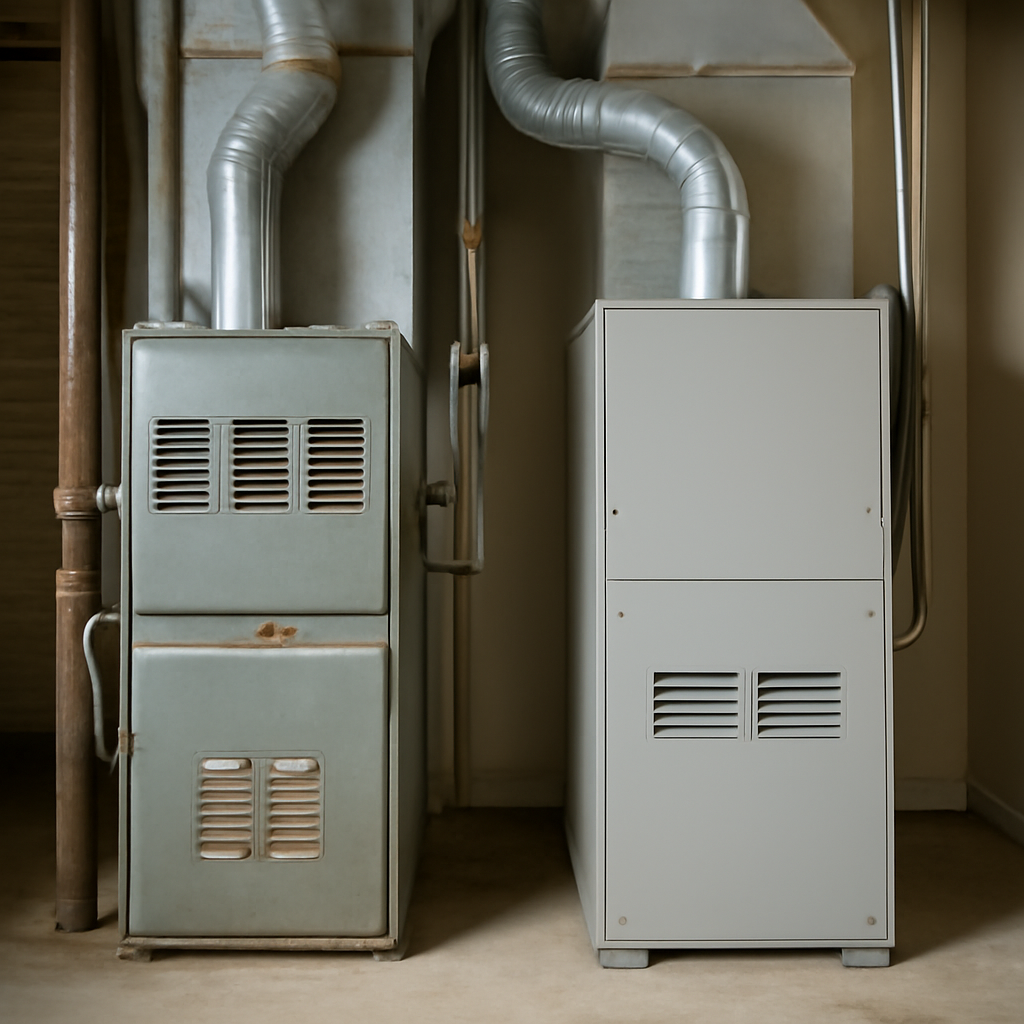
Choose a gas furnace if the home already has natural gas service and you want the lowest heating bills through a long, cold Front Range winter. Choose an electric furnace if there is no gas service, the home is small or well insulated, heating demand is modest, or the furnace will mainly serve as backup heat for a heat pump. That is the short answer to gas vs electric furnace. A gas furnace usually costs more to install and needs venting, combustion safety checks and carbon monoxide protection, but it is typically much cheaper to run where gas prices are moderate. An electric furnace is simpler, cheaper to install and has no combustion byproducts, but it turns each kilowatt-hour into just one kilowatt-hour of heat, which makes it expensive to run as a primary heat source in a cold climate. This guide compares the two side by side, works through an operating-cost example, and covers Front Range factors such as altitude derating, long heating seasons and the heat pump alternative. Costs and lifespans are typical national ranges as of 2026, not quotes; get local bids.
Part of our Heating, Cooling & Ventilation guide — start there for the full picture →
Electrical problem? Talk to a licensed electrician.
📞 Call (877) 560-2714Gas vs Electric Furnace at a Glance
Both systems are forced-air furnaces: a blower pushes air across a heat source and through the home’s ductwork. The difference is the heat source. A gas furnace burns natural gas (or propane) in a burner and transfers that heat through a heat exchanger. An electric furnace passes air over electric resistance heating elements, similar to a large toaster.
| Factor | Gas furnace | Electric furnace |
|---|---|---|
| Typical installed cost (national range, 2026 — get local quotes) | Roughly $3,500–$8,000+ for a replacement; more for high-efficiency models needing new venting, or if a gas line must be added | Roughly $1,500–$5,000 for a replacement; more if the electrical service needs an upgrade |
| Operating cost | Usually lower where natural gas is available at moderate prices | Usually higher, often several times the cost per unit of heat delivered |
| Efficiency rating | AFUE roughly 80% (standard) to 95–98% (condensing) | AFUE close to 100%, since nearly all electricity becomes heat inside the home |
| Typical lifespan | Roughly 15–20 years | Roughly 20–30 years (fewer parts, no combustion) |
| Maintenance | Annual service of burners, heat exchanger, flame sensor, igniter, venting and gas connections | Filter changes and periodic checks of elements, sequencers and wiring |
| Install needs | Gas line, flue or PVC vent, combustion air, condensate drain on condensing models | Heavy 240-volt circuits; may require a larger electrical panel |
| Safety | Produces carbon monoxide if combustion or venting goes wrong; requires CO alarms | No combustion and no carbon monoxide from the furnace itself |
| Best for | Homes with gas service in cold climates and long heating seasons | Small or very efficient homes, homes without gas, heat pump backup |
The table leaves out a third option that changes the conversation for many buyers: an electric heat pump. It is covered later, because for a home considering electric heat, a heat pump is usually a better fit than an electric furnace alone.
Efficiency: What AFUE Means and Why It Misleads
Furnace efficiency is rated by AFUE, annual fuel utilization efficiency. It measures how much of the fuel’s energy ends up as heat in the home over a typical season. ENERGY STAR explains that certified furnaces “have higher Annual Fuel Utilization Efficiency (AFUE) ratings and higher efficiency blower motors,” and that certified gas furnaces for the northern half of the country can be “up to 18 percent more energy efficient than baseline models.”
Gas furnaces fall into two broad groups:
- Non-condensing (standard efficiency): roughly 80 percent AFUE. Hot exhaust goes up a metal flue, often shared with a water heater.
- Condensing (high efficiency): roughly 90 to 98 percent AFUE. A secondary heat exchanger pulls more heat from the exhaust, which cools enough to condense water. These vent through PVC pipe and need a condensate drain.
Electric furnaces rate close to 100 percent AFUE because virtually all the electricity becomes heat inside the house. That number sounds better than a gas furnace’s, but it does not mean an electric furnace costs less to run. AFUE measures conversion within the home, not the cost of the energy coming in. Electricity is typically a much more expensive way to buy heat than natural gas, so a 100 percent efficient electric furnace can still cost far more to operate than a 95 percent gas furnace.
Operating Cost: A Worked Example
The clearest way to compare is cost per unit of heat delivered. Here is the method, step by step, using illustrative prices. Substitute the rates from your own utility bills, since prices vary by provider and season.
- Pick a common unit. Use 1 therm, which equals 100,000 BTU or about 29.3 kWh.
- Gas cost per therm delivered. Divide your gas price per therm by the furnace AFUE. At an example price of $1.20 per therm and a 95 percent furnace: $1.20 ÷ 0.95 ≈ $1.26 per therm of heat delivered.
- Electric cost per therm delivered. Multiply 29.3 kWh by your electric rate, then divide by AFUE (about 1.0). At an example rate of $0.15 per kWh: 29.3 × $0.15 ≈ $4.40 per therm of heat delivered.
- Compare. In this example, electric resistance heat costs roughly three and a half times as much as gas for the same heat.
- Scale to your home. Multiply by your annual heating load. A home that uses 600 therms of heat in a winter would see roughly $750 for gas versus roughly $2,600 for electric resistance at these example prices.
This is a rule-of-thumb comparison, not a bill estimate. Real costs depend on insulation, air leakage, thermostat settings, duct losses, rate tiers and fixed monthly charges. The gap narrows where gas is expensive or electricity is cheap, and widens in cold climates with long heating seasons. The Front Range has a heating season that typically runs from fall well into spring, so the difference adds up.
Upfront Cost and Installation Needs
All figures here are typical national ranges, not quotes. Our guide to furnace replacement cost covers pricing for both types in more detail.
Gas furnace cost drivers
- Efficiency tier. Condensing furnaces cost more than 80 percent models and may need new PVC venting.
- Venting changes. Moving from an 80 percent to a condensing furnace often means new intake and exhaust pipes through a wall or roof, plus a condensate drain. If the old furnace shared a chimney with a water heater, the water heater venting may need changes too.
- Gas supply. Adding gas service where none exists can be a major added cost. Even in homes with gas, the line to the furnace may need resizing.
- Blower type. Variable-speed blowers cost more but improve comfort and efficiency.
- Permits and inspection. Furnace replacement typically requires a mechanical permit, and gas work may need its own inspection; check with your city or county building department.
Electric furnace cost drivers
- Electrical capacity. Electric furnaces draw heavy current on dedicated 240-volt circuits. A home with a small or older panel may need a service upgrade, which can cost as much as the furnace.
- Heat strip size. Larger homes need more kilowatts of heating elements.
- Air handler compatibility. Many electric furnaces are air handlers with heat strips that also pair with a heat pump.
No venting, gas line or combustion air is needed for an electric furnace, which is why installation is usually simpler and cheaper.
Safety: Combustion, Venting and Carbon Monoxide
This is the clearest functional difference between the two.
Gas furnaces produce combustion gases, including carbon monoxide, that must be vented safely outdoors. The CDC describes carbon monoxide as “an odorless, colorless gas that kills without warning,” lists gas- and oil-burning furnaces among household items that produce it, and reports that each year more than 400 Americans die from unintentional CO poisoning not linked to fires. The EPA lists “leaking chimneys and furnaces,” “back-drafting from furnaces” and combustion devices with a flue that is “improperly sized, blocked or disconnected” among sources of indoor carbon monoxide.
Both agencies recommend similar protections:
- Have the heating system serviced by a qualified technician every year; the CDC advises annual service of furnaces, water heaters and other fuel-burning appliances.
- Make sure gas appliances are vented properly; the CDC notes horizontal vent pipes should slope slightly upward toward the outdoors.
- Install battery-operated or battery-backup CO detectors near every sleeping area, and replace them per the manufacturer’s instructions or every 5 years, as the CDC recommends.
If you are choosing alarms, our roundup of the best carbon monoxide detectors compares current options. Homes with a gas furnace should also keep an eye on the furnace flue pipe for disconnected joints, rust and poor slope.
Electric furnaces have no burner, no flue and no carbon monoxide from the furnace itself. Their main hazards are electrical: overheated wiring or failed elements, which proper installation and periodic checks address. A home with any gas appliance, fireplace or attached garage still needs CO alarms regardless of the furnace type.
Front Range Factors: Altitude, Cold and Venting
Altitude derating of gas furnaces
At Front Range elevations, the air holds less oxygen per cubic foot. Gas appliances must be set up for altitude so they burn cleanly and do not overfire. Manufacturers’ installation instructions typically call for derating input above a specified elevation, which may involve changing burner orifices, adjusting manifold gas pressure or installing a high-altitude kit. The exact requirements vary by model, so the installer should follow the specific manual and local code. A furnace set up for sea level and installed in Denver or Colorado Springs can produce excess carbon monoxide and wear out its heat exchanger. Electric furnaces are unaffected by altitude.
Long heating seasons
The Front Range’s cold nights and lengthy heating season favor gas on operating cost. Even a well-insulated home here uses a meaningful amount of heat from October through April, which magnifies the per-unit cost difference shown in the example above.
Condensing furnace venting in cold weather
Condensing gas furnaces vent cool, moist exhaust through PVC pipes, often through a side wall. In cold weather, the plume can freeze on siding, and intake or exhaust terminations can be blocked by drifting snow or ice. Terminations should be placed per the manufacturer’s clearances above expected snow levels, and condensate lines should be routed where they cannot freeze. These are common inspection findings after a heavy storm.
Dry winter air
Any forced-air system can make dry Front Range winters feel drier. That is not a gas-versus-electric issue, but a whole-house humidifier works with either furnace type if indoor humidity is a concern.
The Heat Pump Alternative
If a home is going electric, an electric furnace is rarely the most efficient way to do it. ENERGY STAR explains that because heat pumps move heat rather than generating it, an air-source heat pump “can deliver up to three times more heat energy to a home than the electrical energy it consumes.” Modern cold-climate heat pumps are certified to perform at low outdoor temperatures, and ENERGY STAR notes that pairing one with backup heat is the most efficient approach when temperatures fall even lower.
That backup is often electric resistance heat strips inside the air handler, which is effectively a small electric furnace. Another common setup in gas homes is dual fuel: a heat pump handles mild weather, and the gas furnace takes over on the coldest nights. Our guide to heat pump vs furnace compares those options in detail, and the heat pump installation guide covers what installation involves.
A rule of thumb: if you have gas and a working furnace, a dual-fuel setup or a high-efficiency gas furnace is often the lowest-cost path. If you have no gas, a heat pump with electric backup usually costs much less to run than an electric furnace alone.
Maintenance and Lifespan
Gas furnaces have more parts that wear: igniters, flame sensors, gas valves, inducer motors, pressure switches, limit switches and the heat exchanger. ENERGY STAR’s maintenance checklist calls for checking gas connections, gas pressure, burner combustion and the heat exchanger, noting that “a dirty burner or cracked heat exchanger causes improper burner operation.” Typical gas furnace lifespans run roughly 15 to 20 years.
Electric furnaces have fewer moving parts: the blower, heating elements, sequencers or relays and limit controls. With no combustion, there is no heat exchanger to crack and no venting to fail, which is why typical lifespans of roughly 20 to 30 years are common.
Both need regular filter changes. ENERGY STAR recommends inspecting, cleaning or changing filters once a month and notes that a dirty filter can increase energy costs and damage equipment.
Which Should You Choose?
- Choose gas if the home has natural gas service, the heating season is long and cold, and you want the lowest operating cost from a furnace alone.
- Choose a high-efficiency condensing gas furnace if you plan to stay many years and venting changes are practical.
- Choose electric if there is no gas service and adding it would be costly, the home is small or very well insulated, and heating demand is low.
- Choose electric if you want to avoid combustion in the home entirely and are prepared for higher heating bills, or if the unit will serve mainly as heat pump backup.
- Consider a heat pump instead of either if you want electric heat with much lower operating costs, or a dual-fuel system with an existing gas furnace.
How a Home Inspector Evaluates a Furnace
During a home inspection, an inspector typically identifies the furnace type and fuel, notes the age from the data plate, and operates the system using normal controls. Our guide to a furnace inspection explains what a dedicated HVAC evaluation adds.
For a gas furnace, common inspection items include:
- Flue or PVC vent condition, slope, connections and termination clearances
- Signs of back-drafting, rust, soot or scorching around the burner area
- Gas shutoff valve, sediment trap and flexible connector condition
- Condensate drain routing on high-efficiency units
- Presence and placement of CO alarms
For an electric furnace, common items include:
- Disconnect, wiring and breaker sizing visible at the unit and panel
- Whether all heating stages respond, which can be checked by temperature rise
- Signs of overheating, scorched insulation or tripped limits
For either type, inspectors look at the filter, blower compartment, ductwork and supply temperatures. A visual inspection cannot fully evaluate a heat exchanger or confirm altitude setup, so where the inspector sees age, corrosion, venting issues or a CO concern, the usual recommendation is evaluation by a licensed HVAC contractor. Our heating and cooling hiring guides explain how to vet one.
References
- Furnaces — ENERGY STAR
- Air-Source Heat Pumps — ENERGY STAR
- Heating and Cooling Maintenance Checklist — ENERGY STAR
- Carbon Monoxide Poisoning Basics — Centers for Disease Control and Prevention
- Carbon Monoxide’s Impact on Indoor Air Quality — U.S. Environmental Protection Agency
Frequently asked questions
Is a gas or electric furnace cheaper to run?
Where natural gas is available at moderate prices, a gas furnace is usually much cheaper to run. Electric furnaces convert nearly all electricity to heat, but electricity typically costs more per unit of heat than gas, so bills are often several times higher in a cold climate like the Front Range.
Is an electric furnace safer than a gas furnace?
An electric furnace does not burn fuel, so it does not produce carbon monoxide. Gas furnaces are safe when properly installed, vented and serviced every year, but they require working CO alarms near sleeping areas, as the CDC recommends for homes with fuel-burning appliances.
How long do gas and electric furnaces last?
Typical ranges are roughly 15 to 20 years for gas furnaces and roughly 20 to 30 years for electric furnaces. Electric units have fewer parts and no heat exchanger or venting to fail, while gas furnaces need annual service of combustion components.
Do gas furnaces need adjustment for altitude in Colorado?
Yes. At Front Range elevations, gas furnaces typically need to be set up for altitude according to the manufacturer's instructions, which can involve orifice changes, gas pressure adjustment or a high-altitude kit. An improperly set up furnace can burn poorly and produce excess carbon monoxide.
Should an electric furnace be replaced with a heat pump?
Often it is worth considering. ENERGY STAR notes that air-source heat pumps can deliver up to three times more heat energy than the electricity they consume, while an electric furnace delivers about one-to-one. A heat pump with electric backup usually costs much less to run.
Buying a Front Range home and want to know whether its furnace is safe and has years left? Get in touch with our team to schedule an inspection that includes the heating system and venting.