B-Vent Pipe: Gas Appliance Venting and Common Defects
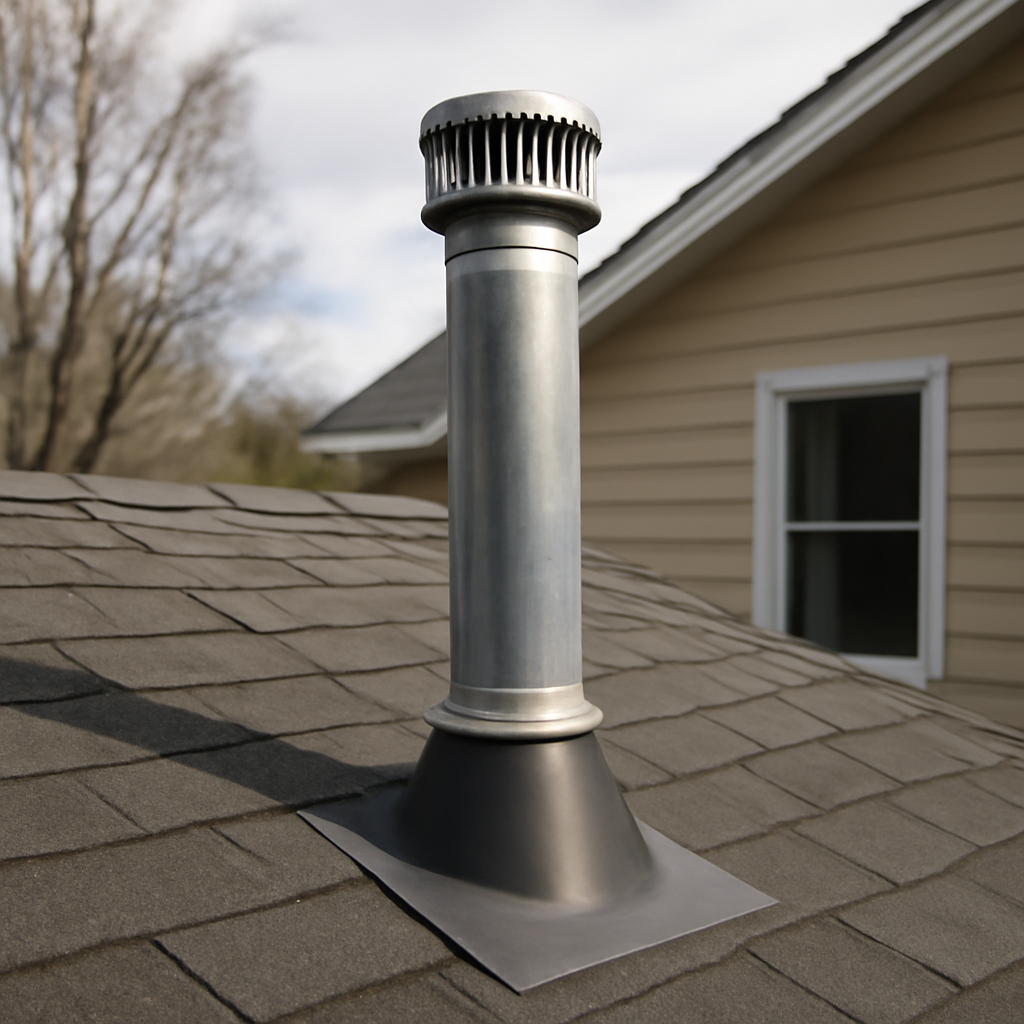
In thousands of Front Range basements and utility closets, a silver double-wall pipe rises from the top of the gas water heater and furnace, joins at a fitting and disappears through the ceiling. That is type B gas vent, usually shortened to B-vent, and it is one of the most quietly important safety components in a home with natural-draft gas appliances. When it works, hot combustion gases rise up and out without anyone noticing. When it is disconnected, sloped the wrong way, too close to framing, undersized or corroded, those gases can spill into the living space. This guide explains what B-vent is, which appliances use it, the defects inspectors most often find, the “orphaned water heater” problem that can follow a furnace upgrade, carbon monoxide risks and typical 2026 repair costs. Gas venting work should be done by a licensed HVAC or plumbing contractor, with a permit where required.
Part of our Heating, Cooling & Ventilation guide — start there for the full picture →
What Is a B Vent?
B-vent is a factory-built, listed, double-wall metal vent pipe designed for gas-burning appliances that use natural (atmospheric) draft. The inner wall is typically aluminum, which heats quickly and helps establish draft; the outer wall is usually galvanized steel. An air space between the two walls insulates the pipe, keeping the outer surface cooler and the flue gases warmer.
That construction is the whole point. Natural-draft venting relies on buoyancy: hot exhaust is lighter than surrounding air, so it rises. A warm vent pulls harder, and the insulating air space helps keep the gases warm enough to rise and less likely to condense inside the pipe.
B-vent sections are marked with the listing and the required clearance to combustibles, commonly 1 inch for many products, though the label on the pipe governs. Sections twist-lock or snap together, and the system includes listed elbows, firestops for ceiling penetrations, roof flashing, storm collars and a listed cap.
What B-vent is not for
- Wood, coal or pellet appliances. Solid-fuel appliances need listed chimneys or pellet vent, not B-vent.
- Oil-fired appliances generally require type L vent or a masonry chimney, not standard B-vent.
- Condensing (high-efficiency) appliances, which produce acidic condensate and typically vent through plastic pipe or special stainless systems specified by the manufacturer.
- Positive-pressure venting, where a fan pushes exhaust under pressure; B-vent joints are not sealed for that.
Which Appliances Use B-Vent
The most common B-vent appliances in Colorado homes are:
- Atmospheric gas water heaters, the standard tank-type models with a draft hood on top. Our guide to the gas water heater covers venting types and how to tell them apart.
- Mid-efficiency furnaces and boilers, which use an inducer fan to start the draft but still vent through B-vent under non-positive pressure.
- Some gas fireplaces and heaters designed for natural-draft venting.
In many homes built from the 1970s through the 2000s, the furnace and water heater share a common B-vent through a Y or T fitting. That arrangement works when the vent is sized for the combined appliances. Problems often begin when one appliance is changed.
B-Vent Compared With Other Gas Vent Types
Knowing which vent type is present helps explain what a contractor or inspector is talking about. Gas appliances in Colorado homes usually fall into one of four venting families.
Natural draft with B-vent
The appliance relies on hot exhaust rising through a vertical vent. A draft hood (on water heaters) or a draft-inducer fan (on many mid-efficiency furnaces) helps, but the vent itself is not pressurized. This is the B-vent world, and it depends heavily on correct sizing, height and slope.
Power vent
A power-vent water heater has a blower on top that pushes exhaust out through a sidewall, often in plastic pipe. Because it does not rely on natural draft, it can vent horizontally and does not need a vertical chimney. It needs an electrical outlet nearby, and the blower adds some noise.
Direct vent and sealed combustion
Direct-vent appliances draw combustion air from outdoors and exhaust outdoors through a sealed system, often a concentric pipe or two separate pipes. Because they do not use room air, they are less vulnerable to back-drafting caused by house depressurization. Many gas fireplaces and some water heaters use this approach.
Condensing appliances
High-efficiency furnaces, boilers and tankless water heaters extract so much heat that the exhaust is cool and wet. They vent through plastic (such as PVC, CPVC or polypropylene) or listed stainless systems specified by the manufacturer, and they need a condensate drain. These are the appliances that create orphaned water heaters when they replace a natural-draft furnace.
A quick way to tell types apart at a glance: B-vent is a silver double-wall metal pipe heading up through the ceiling, while power-vent and condensing appliances usually have white or gray plastic pipes, often heading through a sidewall. Labels on the appliance and the pipe confirm the type.
Common B-Vent Defects
Inspectors and HVAC technicians see the same handful of problems again and again. Many are visible from the utility room.
Disconnected or loose sections
The connection at the water heater draft hood is the most common trouble spot. The pipe can slip off when the tank is bumped, replaced or when someone stores boxes nearby. A connector simply resting on the draft hood without screws, or offset so exhaust escapes around it, can spill combustion gases directly into the room. The EPA lists flues that are improperly sized, blocked, disconnected or leaking among sources of carbon monoxide indoors.
Wrong slope on horizontal runs
Horizontal sections of a vent connector should rise toward the vertical vent. The CDC’s carbon monoxide guidance specifically notes that horizontal vent pipes for appliances such as a water heater should go up slightly as they go toward outdoors, which helps prevent CO from leaking if joints are not fitted tightly. Flat or downward-sloping connectors slow the draft and let gases linger.
Insufficient clearance to combustibles
Wood framing, drywall, insulation, stored boxes and paper products jammed against a B-vent are frequent findings. The required clearance is marked on the pipe. Attic insulation piled against the vent without a listed shield and pipe passing through a floor or ceiling without a firestop are both common defects.
Single-wall pipe where B-vent belongs
Single-wall vent connector is permitted in limited situations near the appliance, but it is not a substitute for B-vent through ceilings, attics, closets or exterior walls. Single-wall pipe extending into an attic is a significant concern.
Corrosion and condensation damage
White crusty deposits, rust streaks, pinholes or a crumbling inner liner usually point to condensation. Cool vents, oversized vents for a small appliance, long horizontal runs and exterior chases all make condensation more likely. Corrosion is also typical when a condensing or high-efficiency appliance has been connected to B-vent improperly, or when exhaust from a modern appliance is cooler than the original vent was designed for. Damaged sections generally need replacement, not patching.
Missing or damaged caps and flashing
A missing cap lets in rain, snow and birds, and wind can disrupt draft. Hail and heavy snow loads common along the Front Range can dent caps or loosen storm collars. Inspectors look at the cap from the ground or roof edge where safely possible.
Improper connections and mixed materials
Duct tape, foil tape, mismatched brands or field-fabricated fittings on a B-vent system are red flags. Listed systems are designed to use their own compatible components.
The Orphaned Water Heater Problem
This issue catches many homeowners by surprise. When an older furnace that shared a B-vent with the water heater is replaced with a high-efficiency condensing furnace, the new furnace usually vents through its own plastic pipe to the outside. The water heater is left alone on a vent that was sized for two appliances. In trade jargon, it becomes “orphaned.”
An oversized vent serving only a small water heater may not warm up enough to draft reliably. The result can be slow-starting draft, spillage at the draft hood, especially at start-up, heavy condensation inside the vent and accelerated corrosion. In masonry chimneys, the problem is often worse, because a large cold flue serving a small appliance can produce significant condensation that damages mortar and the liner.
Venting standards and manufacturers’ instructions include sizing tables for this situation, and a common remedy is to reline or resize the vent for the water heater alone, sometimes with a smaller B-vent or a listed liner inside a masonry chimney. Some owners choose to replace the water heater with a power-vented or direct-vent model at the same time. The right fix depends on the vent configuration, and a qualified contractor should evaluate it as part of the furnace replacement rather than afterward.
Buyers looking at a house with a newer high-efficiency furnace and an older tank water heater still connected to a large vent should ask whether the venting was evaluated when the furnace was changed. A furnace inspection can include that question; see our guide to the furnace inspection for what technicians check.
Carbon Monoxide and B-Vent Failures
Combustion gases from a gas appliance include water vapor, carbon dioxide and, when combustion is incomplete or the appliance is poorly adjusted, carbon monoxide. B-vent is the system that is supposed to carry all of it outside.
The CDC describes CO as an odorless, colorless gas that can cause sudden illness and death and notes that household items including gas-burning furnaces produce it. It recommends having heating systems, water heaters and other gas-burning appliances serviced by a qualified technician every year, making sure gas appliances are vented properly, and installing battery-operated or battery back-up CO detectors near every sleeping area.
The EPA lists back-drafting from furnaces and gas water heaters as a source of indoor CO and recommends having a trained professional inspect, clean and tune up central heating systems, including furnaces, flues and chimneys, annually. The CPSC recommends CO alarms on every level of the home and outside sleeping areas, ideally interconnected, and advises anyone who suspects CO poisoning to get to fresh air immediately and call 911.
Signs that a B-vent may be spilling include:
- Soot or scorch marks around the water heater draft hood.
- Rust or melted plastic on the top of the water heater.
- Moisture or condensation dripping from the vent or collecting on nearby surfaces.
- A stale or acrid odor in the utility room when appliances run.
- CO alarms that sound, especially during cold weather or when exhaust fans run.
Our guide to carbon monoxide detector installation explains placement and replacement. A gas odor is a separate emergency; leave the home and call the gas utility from outside.
Back-Drafting and Tight Houses
Natural-draft appliances depend on the house not pulling harder on the air than the vent pushes. Modern weatherization, powerful range hoods, bathroom fans, clothes dryers and fireplaces can all depressurize a house enough to reverse the flow in a B-vent, especially on mild days when the vent is cool.
Contractors can perform a combustion appliance zone test, running exhaust devices and checking whether the water heater and furnace vents establish draft. Remedies include adding combustion or makeup air, adjusting exhaust equipment or switching to sealed-combustion appliances that do not rely on room air or natural draft.
What a Home Inspector Checks
The ASHI Standard of Practice includes vent systems, flues and chimneys under both the plumbing (water heating) and heating sections, while excluding the interiors of vent systems and flues that are not readily accessible. A typical visual review of B-vent includes:
- Connections at the draft hood and furnace collar, including screws on single-wall connectors.
- Slope of horizontal connectors and overall run length.
- Clearance to combustibles and the presence of firestops where visible.
- Corrosion, holes, white deposits or damaged sections.
- The cap, storm collar and flashing where safely visible from the ground or roof edge.
- Whether a water heater appears orphaned after a furnace change.
- Presence or absence of CO alarms.
Some inspectors carry a mirror or smoke source to look for spillage at the draft hood, but a full draft or combustion test is usually a job for an HVAC technician. For more on lifespan and replacement timing, the water heater lifespan guide covers what to expect, and a gas line pressure test may be appropriate when gas piping changes are made alongside vent work.
B-Vent Repair and Replacement Costs
General 2026 ranges Front Range homeowners may see:
- Reconnecting and securing a loose draft hood connector: often a minimal-cost service call item.
- Replacing a few corroded B-vent sections or a connector: commonly in the low hundreds of dollars.
- Re-sloping or rerouting a connector run: similar, more if new fittings or framing changes are needed.
- Full B-vent replacement through attic and roof: can reach several hundred to over a thousand dollars, depending on height, roof work and access.
- Correcting an orphaned water heater with a liner or resized vent: varies widely; sometimes comparable to the cost of upgrading to a power-vent or direct-vent water heater.
- Annual furnace and water heater safety check: often in the low hundreds.
These are broad estimates rather than quotes. Permits, roof pitch, chimney conditions and contractor rates all affect the price. Getting the vent evaluated at the same time as any appliance replacement is usually the least expensive approach. The hiring process guide and the heating and cooling hiring hub cover how to vet HVAC and plumbing contractors.
Maintenance Habits That Help
- Keep stored items, laundry and cleaning products away from the water heater, furnace and vent.
- Look at the draft hood connection after anyone works in the utility room.
- Schedule annual service for gas appliances, as federal agencies recommend.
- Test CO alarms monthly and replace them per the manufacturer’s schedule.
- After a furnace or water heater replacement, ask the contractor directly how the remaining appliance is vented.
References
- Carbon Monoxide Poisoning Basics — Centers for Disease Control and Prevention
- Carbon Monoxide’s Impact on Indoor Air Quality — U.S. Environmental Protection Agency
- Carbon Monoxide Information Center — U.S. Consumer Product Safety Commission
- ASHI Standard of Practice for Home Inspection — American Society of Home Inspectors
Frequently asked questions
What is a B vent?
B-vent is a listed double-wall metal vent pipe for natural-draft gas appliances such as atmospheric water heaters and many mid-efficiency furnaces. The insulating air space keeps exhaust warm so it rises and exits the home.
Can a high-efficiency furnace use B-vent?
Condensing high-efficiency furnaces generally cannot. They produce acidic condensate and typically vent through plastic or special pipe specified by the manufacturer. Connecting them to B-vent can cause corrosion and venting failures.
What is an orphaned water heater?
It is a water heater left alone on a vent that was sized for both it and a furnace, usually after the furnace is replaced with a condensing model. The oversized vent may draft poorly and condense, so it often needs resizing or relining.
What clearance does B-vent need from wood?
Many B-vent products list about 1 inch of clearance to combustibles, but the label on the pipe and the manufacturer's instructions control. Firestops are needed where the vent passes through floors and ceilings.
How much does B-vent repair cost?
Reconnecting or replacing a few sections often runs in the low hundreds of dollars, while a full replacement through the roof can reach several hundred to over a thousand. These are general 2026 estimates.
Want a second set of eyes on the water heater and furnace venting in a home you are buying? Contact us to connect with a Front Range inspector.