Water & refrigerant leak detectors
This category holds two different kinds of leak detector, and it helps to know which one you need before comparing products. Water leak sensors are for homeowners, renters and landlords who want an alarm the moment water appears under a sink, beside a water heater or in a sump pit. Refrigerant leak detectors, often called freon leak detectors, are handheld instruments that HVAC technicians use to find where an air conditioner, heat pump or refrigerator is losing refrigerant. The short answer: most households want water sensors, while refrigerant detectors are mainly a technician's tool. Natural gas and propane leaks are a separate problem with separate products, covered in the gas detector category. The product buttons below go to Amazon, where you can check the live price and current availability.
Water leak sensors: where to place them
A water leak sensor is a small puck or pad with metal contacts on the bottom. When water bridges the contacts, the sensor sounds an alarm, sends a notification, or both. Placement does most of the work, so put sensors where leaks start rather than where water eventually shows up:
- Beside the water heater. Tanks and their fittings fail with age, and a slow drip can go unnoticed in a closet or basement.
- Behind or under the washing machine. Supply hoses are a common source of sudden, high-volume leaks.
- Under kitchen and bathroom sinks. Drain joints, supply lines and shutoff valves sit out of sight in cabinets.
- Near the dishwasher, refrigerator ice maker line and toilets. Small supply lines and wax seals can leak for weeks before damage shows.
- In or beside the sump pit. A sensor placed just below the rim can warn of a failed pump before the basement floods.
- Near the main water shutoff and the HVAC condensate pan. Both are common trouble spots, especially in basements and attics.
Sensors only detect water at the exact spot they sit, so place them flat on the floor at the lowest point where water would collect. The water leak detector guide covers placement in more detail.
Local alarms, smart alerts and automatic shutoff
Water sensors fall into three broad tiers, and the right one depends on how often someone is home to hear an alarm.
- Local siren only. The simplest sensors beep loudly when wet. They work without Wi-Fi or an app, but only help if someone is nearby to hear them.
- Wi-Fi or hub-connected sensors. These send a phone notification, which matters for vacation homes, rentals and anyone away during the day. Some connect directly to Wi-Fi; others talk to a small hub or gateway that links to the internet, which can extend range and battery life. Check whether a hub is included or sold separately. The smart water leak detector guide compares the approaches.
- Automatic shutoff valves. The step up is a motorized valve on the main water line that closes when a paired sensor detects water. Installation usually involves cutting into the supply pipe, so a plumber is often the right call. A shutoff limits damage even when nobody responds to an alert.
Whichever type you choose, test sensors periodically by touching the contacts with a damp cloth, and replace batteries on the schedule the manufacturer recommends. A sensor with a dead battery offers no protection, so app-connected models that report low battery have an advantage.
Why early water detection matters: mold and damage
The EPA notes that the key to mold control is moisture control, and that wet materials should be dried within 24 to 48 hours to help prevent mold growth. A sensor that catches a leak in minutes rather than days gives you a far better chance of meeting that window. Slow leaks inside cabinets and behind appliances are the ones most likely to rot subfloors and feed hidden mold. The guides on whether a water leak can cause black mold and how to get rid of mold from a water leak explain what to do if a leak has already caused damage.
Sensors cannot find leaks inside walls, under slabs or in buried lines. For those, professionals use moisture meters, thermal cameras and acoustic equipment, as described in the plumbing leak detection guide and the infrared water leak detector guide.
Refrigerant leak detectors: heated diode, infrared and corona
When an air conditioner or heat pump loses refrigerant, it loses cooling capacity. Running a system that is low on refrigerant can also overwork the compressor and, over time, contribute to compressor damage, which is one of the most expensive repairs in an HVAC system. Refrigerant detectors pinpoint where the gas is escaping so it can be repaired rather than simply topped off. The three main sensor technologies are:
- Heated diode (and related heated-sensor designs). A heated ceramic element reacts to halogenated refrigerants. These detectors are sensitive and widely used, but the sensor wears with use and needs periodic replacement.
- Infrared (IR). The detector measures how much infrared light the refrigerant absorbs. IR sensors tend to resist false alarms from other chemicals and usually last longer, though the instruments often cost more.
- Corona suppression. An older, generally lower-cost technology that detects changes in a high-voltage corona discharge. It can be more prone to false alarms from humidity, dirt and other vapors.
Sensitivity is usually quoted in ounces or grams of refrigerant per year; a smaller number means the detector can sense a smaller leak. Many technicians confirm an electronic alarm with bubble solution at the suspected joint. The refrigerant leak detector guide and the electronic leak detector guide go further into the trade-offs.
Who should use a refrigerant detector
Under the EPA's Section 608 rules, technicians who maintain, service, repair or dispose of equipment that could release refrigerant must be certified. A homeowner can own a detector, but recovering, recharging or opening the refrigerant circuit is work for a certified HVAC technician. If you suspect a leak because the system runs constantly, blows warm air or ices up on the refrigerant lines, the practical step is to call a technician. The AC leak detector guide covers the warning signs.
| Detector type | What it finds | Typical user | Key limitation |
|---|---|---|---|
| Local-siren water sensor | Water at the sensor's spot | Homeowners who are usually home | Only helps if someone hears it |
| Wi-Fi or hub water sensor | Water at the sensor, with phone alerts | Homeowners, landlords, vacation homes | Depends on batteries, hub and network |
| Automatic shutoff valve | Water at paired sensors, then closes the main | Homes wanting active protection | Plumbing installation usually needed |
| Heated-diode refrigerant detector | Halogenated refrigerant in the air | HVAC technicians | Sensor wears and needs replacement |
| Infrared refrigerant detector | Refrigerant by infrared absorption | HVAC technicians | Generally a higher-cost instrument |
Our picks in this category
The Inficon TEK-Mate Refrigerant Detector is a handheld heated-sensor refrigerant detector from an established leak-detection brand, aimed at HVAC service work.
The Elitech ILD-200 Refrigerant Leak Detector is a handheld electronic refrigerant detector; check the listing to confirm its sensor type and the refrigerants it is rated for.
The Fieldpiece SRL8 Refrigerant Leak Detector is a heated-diode detector from a brand well known among HVAC technicians, with a flexible probe for reaching tight coils and fittings.
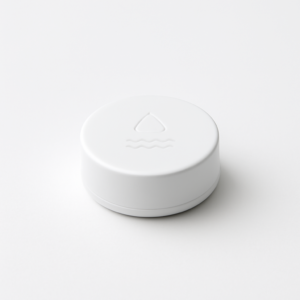
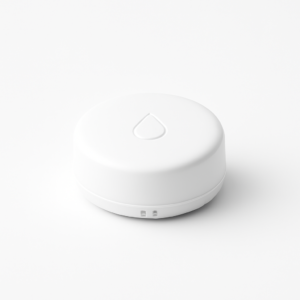
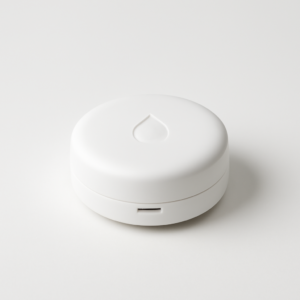
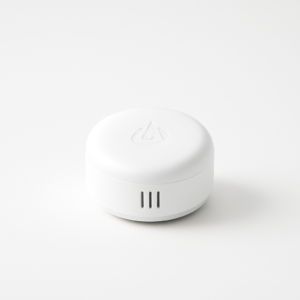
The YoLink Water Leak Sensor is a hub-based smart sensor that sends phone alerts through the YoLink app; the hub is required for remote notifications.
The Govee Water Leak Detector (3-pack) bundles several sensors with loud local alarms, a straightforward way to cover a water heater, washer and sink; some Govee versions add app alerts through a Wi-Fi gateway, so check the listing for what is included.
Related guides
Homeowners comparing water sensors can also read the moisture leak detector guide. For hidden and buried leaks, see the acoustic leak detector guide, the underground water leak detector guide and the thermal imaging leak detection guide. When a leak cannot be found, the guide to finding a leak detection pro explains what to expect.
On the HVAC side, brand-specific pages include the Fieldpiece leak detector guide and the Fieldpiece DR82 infrared refrigerant leak detector guide, and the ultrasonic leak detector guide covers sound-based detection of pressurized leaks.
References
- EPA: A Brief Guide to Mold, Moisture and Your Home
- EPA: Section 608 of the Clean Air Act
- EPA WaterSense: Fix a Leak Week
Frequently asked questions
What is the difference between a water leak sensor and a refrigerant leak detector?
A water leak sensor sits on the floor and alarms when water touches its contacts, protecting against plumbing and appliance leaks. A refrigerant leak detector is a handheld instrument that senses refrigerant gas escaping from air conditioners, heat pumps and refrigerators, and is mainly used by HVAC technicians. Natural gas and propane leaks need a separate gas detector.
Where should water leak sensors be placed?
Place sensors flat on the floor at the lowest point where water would collect near the water heater, washing machine, kitchen and bathroom sinks, dishwasher, toilets, sump pit, main water shutoff and HVAC condensate pan. A sensor only detects water at its exact location.
Can a homeowner fix a refrigerant leak?
A homeowner can own a detector, but EPA Section 608 rules require certification for technicians who service equipment that could release refrigerant. Recovering, recharging or opening the refrigerant circuit should be left to a certified HVAC technician.
Which refrigerant detector type is best: heated diode or infrared?
Both are widely used. Heated-diode detectors are sensitive but their sensors wear and need replacement. Infrared detectors tend to resist false alarms and last longer but usually cost more. Corona-suppression detectors are an older, lower-cost type that can be more prone to false alarms.
Do water leak sensors help prevent mold?
They can. The EPA advises drying wet materials within 24 to 48 hours to help prevent mold growth. A sensor that alerts you to a leak quickly makes it more likely the area can be dried in time, though it cannot detect leaks hidden inside walls or under slabs.
5 products

Gear picks you can trust
Tied to our guides
Each product maps to a topic we cover in depth — radon, mold, lead, moisture, electrical and thermal inspection — so you know what the tool is for before you buy.
Short list on purpose
No endless catalog. We list the kinds of kits and meters we’d point a homeowner or new inspector to, not every model on the market.
No extra cost
Buttons open Amazon, where you check the live price and buy. As an Amazon Associate we earn from qualifying purchases, at no cost to you.
Frequently asked
- Do you sell these products?
- No. We’re a guide-first site — every button takes you to Amazon to complete the purchase there.
- Why don’t you show prices?
- Amazon prices change constantly, so we send you to the live listing rather than show a number that may be out of date.
- Is a DIY kit a substitute for a professional inspection?
- For screening, often yes. For real-estate transactions, remediation clearance or anything health-critical, use a certified professional — our guides explain when.