Fieldpiece DR82 Infrared Refrigerant Leak Detector
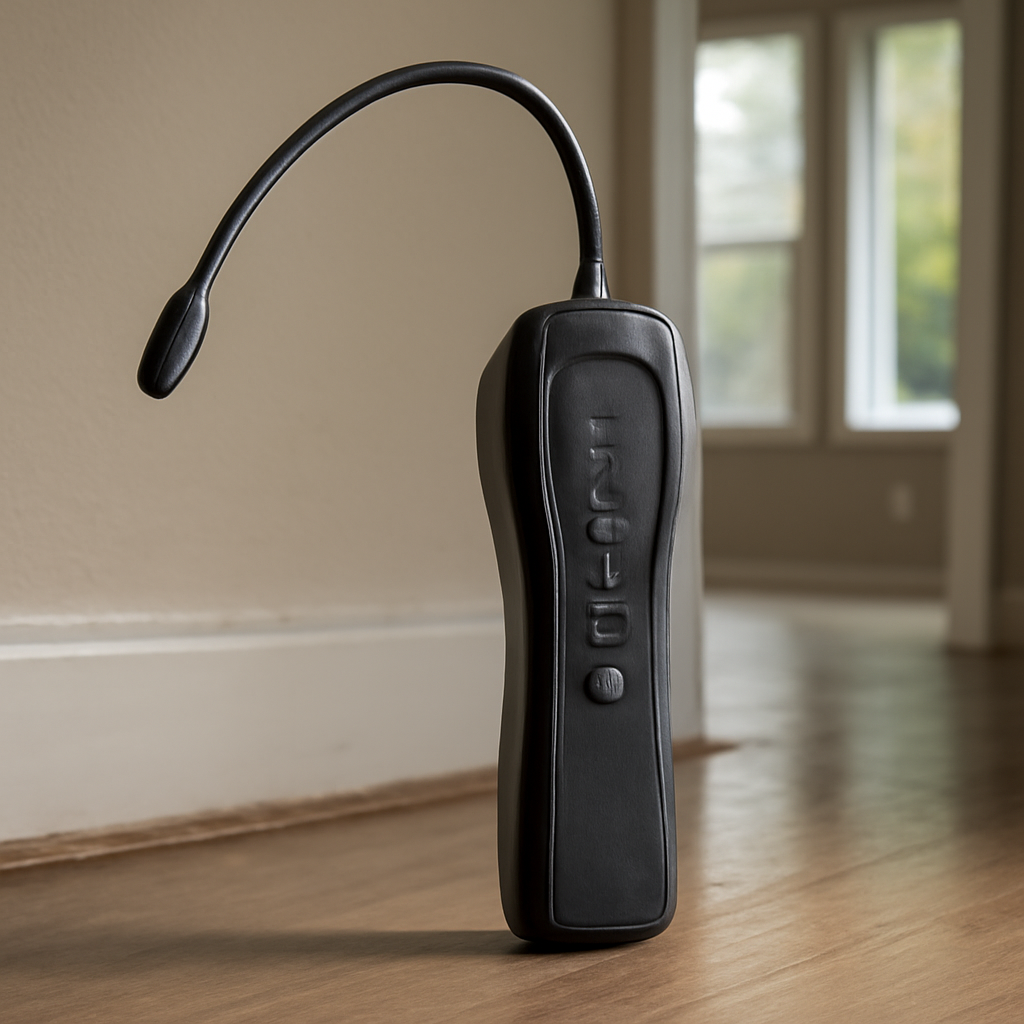
A slow refrigerant leak quietly robs an air conditioner or heat pump of capacity, drives up energy bills, and can damage the compressor before anyone notices a problem. Finding that leak is a precise diagnostic task, and the fieldpiece dr82 infrared refrigerant leak detector belongs to a class of tools built specifically for it. Understanding how infrared refrigerant sensing works, what sensitivity means in practice, and where the tool fits in HVAC diagnostics helps homeowners and technicians set realistic expectations. This guide explains the technology and its use using HVAC and standards context rather than promotional claims.
Part of our Thermal Imaging for Homes guide — start there for the full picture →
What the Fieldpiece DR82 Is For
The Fieldpiece DR82 is a handheld electronic leak detector that uses an infrared sensing element to find escaping refrigerant around HVAC and refrigeration equipment. Its job is narrow and important: pinpoint where refrigerant is leaking from a sealed system so the leak can be repaired and the system recharged correctly.
Refrigerant leaks are a routine HVAC problem, and locating them by feel or sight is unreliable because the gas is invisible and often leaks from joints, coils, and fittings tucked into tight spaces. A dedicated detector turns that hunt into a methodical sweep rather than guesswork. The DR82 sits in the same diagnostic family as the thermal and moisture tools described in the home inspection tools buyer’s guide, though it targets a specialized HVAC task rather than building moisture.
It is worth noting who the tool is really for. This is professional HVAC equipment, used by technicians who also handle the recovery, repair, and recharge that surround a leak. A homeowner generally does not need to own one, but understanding how it works clarifies what a competent service call looks like.
How Infrared Refrigerant Sensing Works
Infrared leak detection relies on the fact that refrigerant gases absorb specific wavelengths of infrared light. Inside the detector, air is drawn across an infrared source and sensor; when refrigerant is present, it absorbs some of that infrared energy, and the sensor registers the change as a leak indication, usually through an audible tone and a visual display that intensifies as the probe nears the source.
This differs from older heated-diode and corona-discharge sensors. The infrared approach is valued because the sensing element tends to be more stable over time and less prone to false alarms and burnout, and it does not require the consumable sensor replacement that some other sensor types do. For a technician, that translates into more consistent behavior across a working day and fewer surprises mid-diagnosis.
The selectivity of the method is part of its appeal. Because it responds to the infrared signature of refrigerant rather than to general changes in the air, an infrared detector is less likely to chase ordinary drafts and odors than some older technologies, though no detector is immune to being fooled by heavy contamination or strong air movement.
Sensitivity and What It Means in Practice
Sensitivity is the headline specification for any leak detector: how small a leak it can find, typically expressed in a flow rate such as a fraction of an ounce per year. A more sensitive detector catches smaller, slower leaks that a coarse instrument would walk right past, which matters because slow leaks are often the ones that go undiagnosed for seasons.
In practice, sensitivity is paired with technique. A detector this sensitive can react to even trace concentrations, so the operator sweeps the probe slowly along likely leak points, joints, brazed connections, coil U-bends, and service ports, and watches for the response to strengthen as the probe closes in. Many infrared detectors offer adjustable sensitivity so the technician can start coarse to find the general area, then increase sensitivity to pinpoint the exact spot.
Reading the strength of the signal, not just its presence, is how the leak is localized. A detector that simply alarms tells you refrigerant is nearby; watching the intensity rise and fall as you move the probe is what leads you to the precise fitting that is leaking. That interplay of sensitivity and slow, deliberate technique is the core skill of using the tool well.
How It Is Used in HVAC Diagnostics
The detector is one step in a larger leak-finding workflow, not the whole job.
Confirming a leak exists
A system low on refrigerant, or one that loses charge over a season, points to a leak. Pressure and performance readings establish that there is a problem to chase before the detector comes out, so the technician is not hunting blindly.
Sweeping the system
The technician moves the probe methodically along the refrigerant path, pausing at fittings, the evaporator and condenser coils, the compressor connections, and service valves, since these are common leak points. Because some refrigerant is heavier than air, sweeping beneath fittings can help catch leaks that have settled low.
Confirming the find
An indication is confirmed with a second method, often a bubble solution applied to the suspected joint, before committing to a repair. Good practice treats the electronic detector as the locator and a secondary check as confirmation rather than acting on a single beep.
Verifying the repair
After fixing and recharging, the area is rechecked to confirm the leak is gone, which also guards against missing a second leak that was masked by the first.
Limits and Good Practice
No leak detector is infallible, and understanding the limits prevents both missed and phantom leaks. Air movement disperses refrigerant, so a leak in a breezy or windy location can read weak or intermittent; technicians often shield the area or work when airflow is calm. Strong background contamination, such as a recently vented system or refrigerant pooled in a confined space, can saturate the sensor and obscure the actual source.
Sensitivity must be matched to conditions to avoid chasing false positives across an already-contaminated area. The detector locates but does not, by itself, prove a repair-worthy leak, which is why a confirming method matters before cutting into a system. Handling refrigerants is also regulated: standards bodies including ASHRAE address refrigerant safety and system practice, and recovery and venting rules apply to the work surrounding leak detection.
Treating the DR82 as one disciplined step in a documented process produces reliable results; relying on a single beep does not. The most common mistakes are rushing the sweep, working in a draft, and skipping the confirming bubble test, all of which the right technique avoids.
Infrared Versus Other Leak-Detection Methods
The infrared sensor in a detector like the DR82 is one of several technologies a technician might use, and understanding the alternatives clarifies its strengths. Heated-diode sensors are sensitive and common but can wear out and need periodic replacement, and they can be more prone to false alarms in contaminated environments. Corona-discharge sensors, an older approach, are also susceptible to false triggers and contamination.
Infrared sensing trades a bit of that fragility for stability. Because it identifies refrigerant by its infrared signature, it tends to resist the false alarms that ordinary air movement or odors can cause in other technologies, and the sensing element does not consume itself the way a heated diode does. That stability is part of why infrared detectors are favored for consistent day-to-day work.
Beyond electronic detectors, technicians use complementary methods: a bubble solution applied to a joint that visibly foams when gas escapes, ultraviolet dye injected into the system and traced with a UV light, and nitrogen pressure testing to confirm a sealed system holds. No single method is definitive on its own, which is why an electronic locator like the DR82 is typically paired with a confirming technique. Knowing where infrared fits among these tools explains why it is a locator first and why confirmation still matters.
What This Means for Homeowners Hiring HVAC Service
Although the DR82 is a technician’s tool, the way it is used tells a homeowner a lot about the quality of an HVAC service call. A thorough technician does not simply add refrigerant to a low system and leave; that treats the symptom while the leak keeps draining the charge and stressing the compressor. Recharging without finding the leak is a temporary fix that usually means another low-refrigerant call within a season or two.
Good practice looks different. The technician confirms the system is low with pressure and performance readings, then methodically sweeps the refrigerant path with a leak detector, confirms the find with a second method such as a bubble test, repairs the leak, recharges to the correct level, and rechecks the area. A homeowner who sees that sequence is watching competent work, even without understanding every instrument.
Asking a few questions helps. Whether the technician located the leak, how they confirmed it, and what they did to fix it rather than just topping off the charge are reasonable things to ask. A service that repeatedly recharges a system without ever finding the leak is a signal to seek a more thorough provider, since the underlying problem, and its cost in efficiency and compressor wear, is going unaddressed.
Why Refrigerant Leaks Matter for the Whole System
It is easy to view a refrigerant leak as a minor recharge issue, but the consequences reach the entire HVAC system. A system running low on refrigerant loses cooling or heating capacity, runs longer to reach the set temperature, and uses more energy, which the Department of Energy ties directly to efficiency losses. The homeowner feels it as higher bills and weaker performance.
The more serious risk is to the compressor, the most expensive component in the system. Operating with insufficient refrigerant can cause the compressor to overheat or run under improper conditions, shortening its life or causing premature failure. Finding and fixing a leak early can be the difference between a modest repair and a major component replacement.
There is also an environmental and regulatory dimension. Refrigerants are controlled substances, and venting them is restricted, so a leak is not just an efficiency problem but a release that proper practice aims to find, contain, and repair. This is why methodical leak detection, rather than simply topping off the charge each season, is the responsible approach, and why a reliable detector is a meaningful part of an HVAC technician’s kit.
Where It Fits and the Front Range Angle
For HVAC technicians, an infrared detector like the DR82 is a core diagnostic tool, complementing pressure gauges, thermometers, and the thermal cameras covered in our guide to a thermal imaging camera for home inspection, which can reveal temperature anomalies across a coil. Homeowners generally do not need their own detector, but knowing how the tool works helps when evaluating a service call: a technician who methodically sweeps and confirms a leak is following sound practice.
Along the Front Range, the swing between hot summers and cold winters works heat pumps and air conditioners hard, and refrigerant leaks are a recurring service issue across Denver, Arapahoe, and El Paso counties. A leak found and repaired early protects efficiency and the compressor, which is why a sensitive, stable detector is part of any well-equipped HVAC kit.
As a specialized instrument, it earns its place for technicians; for homeowners, the value is understanding what good leak diagnosis looks like so they can recognize thorough work and ask informed questions when a system is not cooling the way it should. A detector is only as good as the methodical process around it, and that process, confirm the loss, locate the leak, verify it, repair it, and recheck, is the real takeaway whether you carry the tool or simply hire someone who does.
References
- Refrigerant Safety and HVAC System Standards — ASHRAE
- ENERGY STAR: Seal and Insulate — U.S. Environmental Protection Agency (ENERGY STAR)
- HVAC Inspection Education — International Association of Certified Home Inspectors (InterNACHI)
Frequently asked questions
How does an infrared refrigerant leak detector work?
Refrigerant gases absorb specific wavelengths of infrared light. The detector draws air across an infrared source and sensor; when refrigerant is present, it absorbs some of that energy, and the sensor signals a leak with a tone and display that strengthen as the probe nears the source. Infrared sensors tend to be stable and resist false alarms.
How sensitive is the Fieldpiece DR82?
Sensitivity is rated as the smallest leak rate the detector can find, often a fraction of an ounce per year, and many infrared detectors offer adjustable sensitivity. Higher sensitivity catches slower leaks; technicians typically start coarse to find the area, then increase sensitivity to pinpoint the exact spot.
Do homeowners need a refrigerant leak detector?
Generally no. It is a specialized HVAC tool for technicians, and refrigerant handling is regulated. Homeowners benefit more from understanding the process so they can tell whether a service technician is methodically sweeping the system and confirming the leak with a second method.
What are the limits of a refrigerant leak detector?
Air movement can disperse refrigerant and weaken the reading, and heavy background contamination can saturate the sensor and hide the source. Sensitivity must match conditions to avoid false positives. The detector locates a leak but should be confirmed with a second method, such as a bubble solution, before repair.