Plumbing Leak Detection: A Homeowner’s Guide
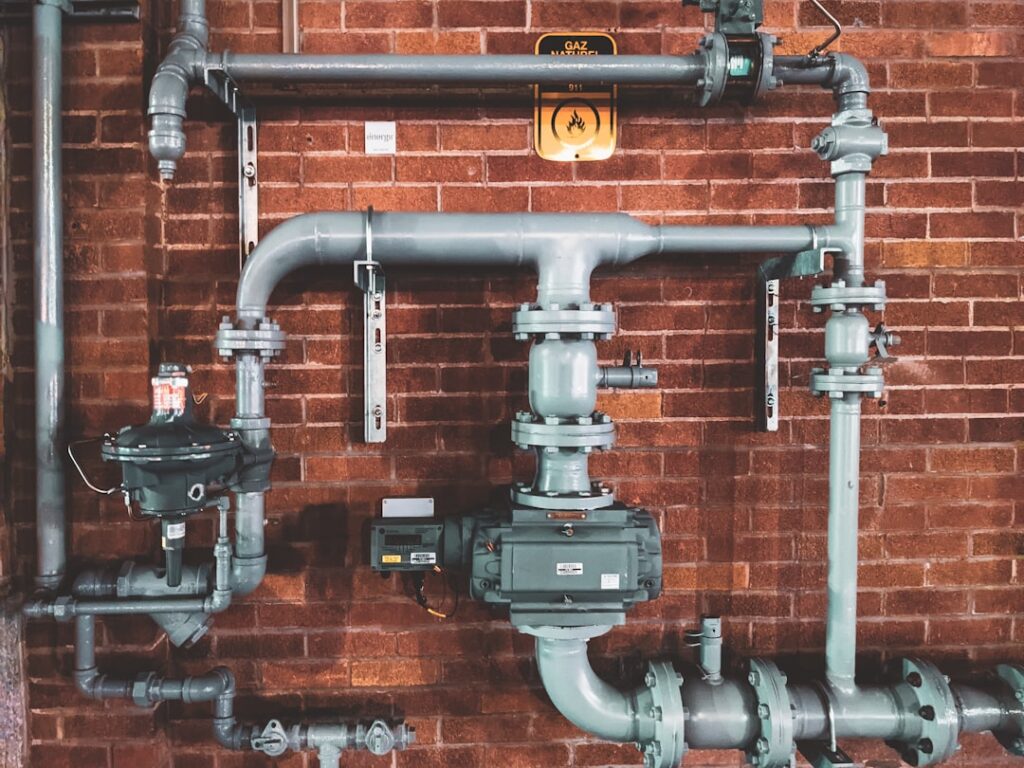
A dripping faucet is easy to spot. The leaks that drain wallets and rot framing are the ones hidden behind drywall, under slabs, or buried in a yard line. Plumbing leak detection is the set of methods and tools used to find those concealed problems before they turn into structural damage, mold growth, or a four-figure water bill. This guide explains how detection works, which tools professionals and homeowners use, what the warning signs look like, and when a small drip warrants a call to a licensed plumber rather than a weekend repair.
What Plumbing Leak Detection Actually Involves
Plumbing leak detection is the process of locating the precise source of water escaping from a supply line, drain, fixture, or appliance connection without tearing open walls and floors at random. The goal is pinpoint accuracy. A plumber who can narrow a slab leak to a two-foot section saves a homeowner from jackhammering an entire basement.
Detection breaks into two broad jobs. The first is confirming that a leak exists at all, which usually starts at the water meter. The second is locating it, which relies on acoustic listening gear, pressure testing, thermal imaging, moisture meters, and sometimes tracer gas. Most service calls blend several of these because no single method works on every pipe in every wall.
Homeowners do not need professional equipment to take the first useful step. A meter check, a dye tablet in a toilet tank, and a careful walk-through of ceilings and cabinets catch a surprising share of leaks. The harder cases, like a pinhole in copper buried under a poured slab, are where specialized tools earn their cost.
The Warning Signs That Point to a Hidden Leak
Water rarely stays quiet for long. The earliest signal is often the water bill. A household that uses a steady amount month after month and suddenly sees a jump of 20 to 40 percent, with no change in habits, very likely has a leak somewhere in the system. The EPA estimates that household leaks waste roughly a trillion gallons nationally each year, and that the average home loses thousands of gallons annually to drips and running toilets.
Physical clues follow. Look for these patterns:
- Brown or yellow staining on ceilings and walls, often ring-shaped, that grows over days
- Paint or wallpaper that bubbles, peels, or feels soft to the touch
- A musty smell in a room that never quite airs out, a frequent precursor to mold
- Warm spots on a floor, which can mean a hot-water slab leak
- The sound of running water when every fixture is off
- Patches of unusually green or spongy lawn over a buried service line
In Front Range homes, seasonal swings add their own wrinkle. Denver winters drop well below freezing, and a hairline crack in an exterior hose bib or an unheated crawlspace line can stay hidden until a thaw releases the pressure. Catching the warning signs early matters more in a climate that freezes and expands pipes repeatedly through the season.
The Meter Test Every Homeowner Can Run
The single most useful do-it-yourself check costs nothing. Turn off every water-using fixture and appliance in the home. Find the water meter, usually in a pit near the street or in the basement, and note the reading or watch the small leak-indicator dial. Wait an hour with no water use, then read again. Any movement means water is escaping somewhere downstream of the meter.
To split the problem in half, shut the main valve where the supply enters the house and repeat. If the meter stops moving with the house valve closed but moved with it open, the leak is inside. If it keeps moving, the leak sits in the service line between the meter and the house, which is a different and often more expensive repair.
Toilets deserve their own test because they are the most common silent offender. Drop a dye tablet or a few drops of food coloring into the tank, wait fifteen minutes without flushing, and check the bowl. Color in the bowl means a worn flapper is letting water seep through, sometimes wasting hundreds of gallons a day without a single visible drip.
Tools the Pros Use to Pinpoint a Leak
Once a leak is confirmed, professionals reach for equipment that lets them find it without guesswork. Each tool suits a different situation, and a thorough technician often carries several.
Acoustic Listening Devices
Pressurized water escaping from a pipe makes a faint hiss or rushing sound. Acoustic equipment amplifies that noise through ground microphones and headphones, letting a technician trace the loudest point to the leak. This method shines on pressurized supply lines under slabs and in walls. It struggles on drain lines that are not under pressure, and background noise from traffic or appliances can mask the signal. A dedicated acoustic leak detector is the workhorse for buried and slab leaks.
Thermal Imaging Cameras
Infrared cameras read surface temperature, not water directly. A hot-water leak warms the floor or wall around it, and a cold-water leak cools the surface as it evaporates. The camera turns those differences into a visible map, which helps a technician narrow a search area fast before switching to acoustic gear for the final pinpoint. Thermal imaging is non-invasive, which makes it popular for diagnosing leaks behind finished surfaces.
Moisture Meters and Probes
Pin and pinless moisture meters measure how much water a building material holds. They confirm whether that suspicious ceiling stain is still active or simply an old dried mark, and they help map how far moisture has spread inside drywall or subfloor. These tools are cheap enough that many homeowners own one.
Video Borescopes and Cameras
A flexible camera on a cable, sometimes called an industrial endoscope, slides into wall cavities, drain lines, and tight crawlspaces to give a direct look at the suspected area. Plumbers use sewer-rated versions to inspect drain and waste lines for cracks, root intrusion, and offset joints that no exterior tool can reveal.
Pressure Testing and Tracer Gas
Isolating a section of pipe and pressurizing it with air or water reveals whether that segment holds. A pressure drop confirms a leak in that run. For the hardest cases, technicians introduce a safe tracer gas, usually a hydrogen-nitrogen blend, into an empty line. The gas escapes through the leak and rises to the surface, where a sensitive sniffer detects it. Tracer gas finds leaks too small or too quiet for acoustic methods.
Where Leaks Hide in a Typical Home
Different parts of the plumbing system fail in different ways. Supply lines run under constant pressure, so their leaks tend to be steady and worsen quickly. Drain lines leak only when water passes through, which makes them intermittent and harder to catch in the act.
Slab leaks occur in the pressurized lines embedded in or beneath a concrete foundation. They are common in homes built on slab-on-grade foundations and can undermine the slab if ignored. Older Front Range homes with copper supply lines are prone to pinhole leaks caused by corrosion, especially where water chemistry is aggressive.
Fixture and appliance connections are the easiest wins. Washing-machine hoses, dishwasher supply lines, water-heater fittings, and toilet shutoffs all fail over time. A burst washing-machine hose can release dozens of gallons a minute, which is why many insurers now recommend braided stainless replacements and automatic shutoff valves.
DIY Detection Versus Calling a Professional
Homeowners can and should handle the screening steps: the meter test, the toilet dye test, a visual sweep of cabinets and ceilings, and a basic moisture-meter check. These cost little and often locate the obvious culprits.
Call a licensed plumber when the leak is confirmed but invisible, when water appears under a slab, when the service line outside is suspect, or when a leak feeds an active mold problem. Cutting open walls without a precise location wastes money and rarely solves the issue. A professional with acoustic and thermal gear locates the exact spot, which keeps the repair small. For broader context on the equipment inspectors and plumbers rely on, the guide to home inspection tools covers the full range of diagnostic gear.
One more reason to act fast: standing moisture inside a wall can seed mold within 24 to 48 hours, according to EPA guidance. A leak that seems minor today becomes a remediation project next week. Prompt detection is cheaper than restoration.
Supply Leaks Versus Drain Leaks: Why the Difference Matters
Many homeowners lump all plumbing leaks together, but the detection strategy hinges on whether the leaking line carries pressure. Supply lines hold water under constant pressure whether or not a fixture is running, so a leak in a supply line weeps continuously and tends to grow. That constant flow is what makes a supply leak both costly and, fortunately, detectable by acoustic and pressure methods, because there is always sound and always a measurable loss at the meter.
Drain, waste, and vent lines are different. They carry water only when something upstream is draining, and they rely on gravity rather than pressure. A drain leak shows up intermittently, often only when a particular fixture is used, which is why a stain under a bathroom can appear and disappear with no obvious pattern. Acoustic listening rarely helps on drains because there is no steady pressurized sound. Instead, technicians fill the line, watch for the leak, or feed a camera scope down the pipe to see the crack directly.
Understanding this split helps a homeowner describe the problem accurately. A leak that worsens when the shower runs upstairs points to a drain; a leak that persists with all fixtures off points to a supply line or, often, a running toilet. That single observation steers the plumber toward the right tool and shortens the diagnostic visit.
What a Leak Costs When Ignored
The case for early detection rests on how quickly small leaks compound. A pinhole in a pressurized line may release only a trickle, yet over weeks it saturates insulation, swells subfloor, and corrodes nearby framing connectors. Drywall that absorbs moisture loses strength and becomes a feeding surface for mold. Once mold establishes, the repair stops being a plumbing job and becomes a remediation project governed by containment and air-quality concerns.
There is a financial layer too. Water damage is consistently among the most frequent and expensive homeowner-insurance claims. Many policies cover sudden and accidental discharge but exclude damage attributed to long-term seepage that a homeowner should have noticed. A leak left undetected for months can therefore become both a larger repair and an uncovered one, which is the worst combination. Routine meter checks and prompt attention to stains protect against both outcomes.
For Front Range homeowners, the freeze-thaw factor raises the stakes. A small crack that leaks modestly in autumn can split open when water inside it freezes and expands during a January cold snap, turning a slow weep into a burst. Insulating exposed lines, maintaining heat in crawlspaces, and addressing minor leaks before winter all reduce that risk.
Preventive Habits That Reduce Leak Risk
Detection finds problems; prevention reduces how often they occur. A handful of habits cut the odds of a serious leak. Replace rubber washing-machine hoses with braided stainless lines, which resist the bursts that flood laundry rooms. Inspect the area around the water heater periodically, since the tank itself eventually corrodes and fails. Know where the main shutoff valve is and confirm it turns freely, because the ability to stop the water in seconds limits damage from any sudden failure.
Seasonal steps matter in Colorado. Disconnect and drain garden hoses before the first freeze, and insulate hose bibs and any pipe running through an unheated space. During extended cold, letting a faucet drip on an exterior wall keeps water moving and lowers freeze risk. These low-cost measures, paired with periodic meter checks, form a simple maintenance routine that catches most leaks early or prevents them outright.
References
- Fix a Leak Week and household leak statistics — U.S. Environmental Protection Agency
- Mold cleanup and the 24-48 hour moisture window — U.S. Environmental Protection Agency
- Plumbing inspection guidance for homeowners — International Association of Certified Home Inspectors
- Consumer resources on home systems — American Society of Home Inspectors