Can a Water Leak Cause Black Mold? The Homeowner Answer
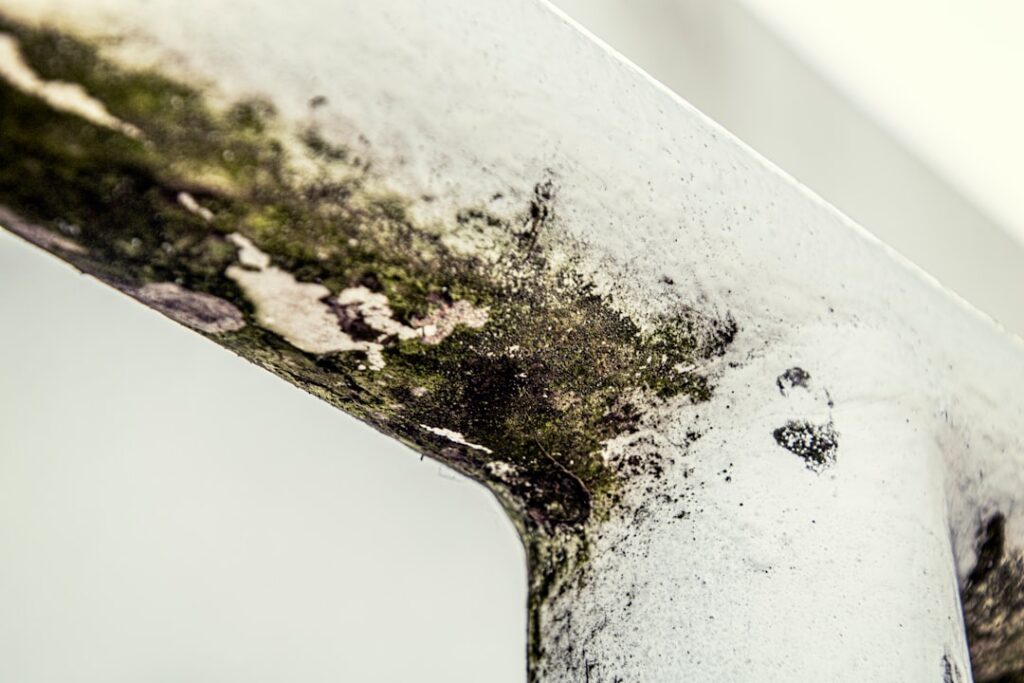
Yes. A water leak, given the right substrate and enough time, is the most common trigger for what homeowners call black mold. Stachybotrys chartarum and similar dark molds need three things to colonize a home: a cellulose-rich substrate, sustained moisture, and roughly two days of undisturbed wet conditions. A leaky supply line behind a vanity, a roof drip onto attic insulation, or a chronic dishwasher seep can supply all three. This guide summarizes EPA and CDC guidance current as of 2026 — consult a certified mold inspector for testing decisions and your physician for symptom evaluation. The sections below walk through the science of how leaks feed mold, the timeline of colony establishment, why chronic small leaks are often more dangerous than sudden floods, and how homeowner insurance interacts with each scenario.
Part of our Moisture Meters & Water Damage Detection guide — start there for the full picture →
Is this mold, asbestos, or water damage? Get a free instant screen
Upload a clear photo of the suspect area. You'll get an instant AI screening opinion and what to do next. This is screening guidance, not a professional determination.
Screening guidance only. AI can be wrong. Confirm asbestos, mold type, or lead with lab testing or a licensed professional before acting.
The Short Answer: Leaks Drive Black Mold Growth
Mold spores are present in virtually every indoor environment at low background levels. They do not become a colony unless they find the right combination of moisture, food, and time. A water leak supplies the limiting reagent — moisture — and most modern building materials supply the food. Paper-faced drywall, wood framing, cellulose insulation, cardboard storage boxes, and even drywall joint compound are cellulose-based or contain cellulose binders. When a leak wets these materials and they stay wet for more than 48 hours, mold spores germinate, hyphae extend through the substrate, and a visible colony appears within days.
The CDC and EPA both identify uncontrolled indoor moisture as the single biggest driver of mold growth in homes. Their guidance is straightforward: fix the moisture source, then address the mold. Skipping the moisture fix all but guarantees regrowth, even after professional remediation. For homeowners trying to understand whether their leak situation has crossed the threshold into Stachybotrys territory, the variables are time, water volume, and substrate type. See the broader mold inspection and testing hub for the inspection-side workflow.
How Black Mold Establishes After a Leak — The Timeline
Mold growth follows a predictable timeline once a substrate stays wet. The hours-to-weeks progression below reflects EPA and remediation industry observations under typical indoor conditions (60-80 degrees Fahrenheit, relative humidity above 60 percent at the wet surface):
- 0-24 hours: Substrate absorbs water. Spores already present on the surface begin to swell and germinate. No visible growth yet. Allergenic compounds and microbial volatile organic compounds (MVOCs) start to release.
- 24-48 hours: Hyphae extend into the substrate. Microscopic colonies become detectable but not visible to the naked eye. Some homeowners notice a musty smell.
- 48-72 hours: Visible colonies appear on the surface. The first patches are often small, fuzzy, and lighter in color than mature growth.
- 1-2 weeks: Colonies establish, mature, and begin sporulating. The colony color darkens as the lifecycle advances. Stachybotrys colonies move from olive-green to slimy black during this window.
- 2-4 weeks: Sporulation peaks. Spore counts in the air around the colony rise substantially. The colony spreads laterally along the wet substrate and may begin colonizing adjacent dry materials drawing residual moisture.
- 1 month and beyond: Established colony with deep substrate penetration. Drying may stop active growth, but spores remain viable and the colony can reactivate when moisture returns.
This is why the EPA emergency response window for water damage is the first 48 hours. Drying out wet materials within that window prevents the visible colony stage. Once visible growth appears, the response stops being “dry it out” and starts being “remediate it.”
Best At Home Mold Test Kit: our top 3 picks
| Product | Best for | Key features | Price | Buy |
|---|---|---|---|---|
| Varify 6-Pack | All-round DIY plate kit |
| $13.39as of Nov 25, 2026 9:07 pm GMT+0000 | Buy now →Check current price |
| KAYENQO 12-Test | Testing many rooms |
| $21.65as of Nov 25, 2026 9:07 pm GMT+0000 | Buy now →Check current price |
| Detekt Indoor Air Quality Kit | HVAC vents |
| $36.99as of Nov 25, 2026 9:07 pm GMT+0000 | Buy now →Check current price |


Prices are Amazon’s listed prices as of the time shown and change often; check Amazon for today’s price. As an Amazon Associate we earn from qualifying purchases.
Why Chronic Small Leaks Are Often Worse Than Sudden Floods
Homeowner intuition often assumes a sudden flood is the worst-case scenario. The science says otherwise. A burst supply line that floods a kitchen is dramatic, but it triggers immediate response — fans, dehumidifiers, water extraction, and often professional water mitigation within hours. The materials get dried before the 48-hour mold threshold.
A chronic small leak does the opposite. A pinhole in a copper supply line behind drywall, a slow drip from a worn shower-pan liner, or a window flashing that lets a quarter-cup of water in during each rainstorm produces no dramatic event. The homeowner does not see the wet substrate. Drying never happens. The material stays wet — or repeatedly re-wets — for weeks, months, or years.
That sustained wet substrate is precisely the condition Stachybotrys prefers. It is slower-growing than common molds like Cladosporium and Aspergillus, so it loses competition during short wet events. Given sustained moisture over weeks, it dominates. This is why the worst Stachybotrys discoveries are often inside wall cavities, behind cabinets, in attic insulation around chronic roof penetrations, or below subfloor at slow plumbing leaks. The homeowner finds it during a renovation, not during the leak itself.
Common Chronic Leak Scenarios
The leak types that most often surface Stachybotrys during renovation or sale include: supply-line pinholes behind drywall, ice-dam meltwater into attic insulation around bath fans and roof penetrations, shower-pan or tile-substrate leaks dropping water onto subfloor, dishwasher and refrigerator supply-line connections seeping under cabinets, basement-window-well drainage failures pushing water through window framing, and roof-flashing failures around skylights and chimneys.
Each of these scenarios delivers small water volumes over long periods. Each is invisible to the homeowner during the active leak phase. Each tends to be found late — sometimes years after the colony established. For homeowners suspicious of a chronic leak, our how to get rid of mold from water leak guide walks through the source-find-then-remediate sequence.
Source First, Remediation Second
The single most important rule in leak-driven mold response is this: fix the moisture source before removing the mold. Skipping this step is the most expensive mistake a homeowner can make. Removing visible mold from drywall without fixing the leak that fed it produces regrowth within weeks. The remediation bill recurs. The homeowner ends up paying twice and still has mold.
The source-first sequence runs:
- Identify the leak: Use a moisture meter to map the wet boundary on the wall, ceiling, or floor. Trace the wet area uphill until you find the entry point. Plumbing leaks, roof leaks, and envelope leaks each have characteristic patterns.
- Stop the leak: Plumbing repair, roof repair, flashing repair, or window-and-siding correction. The fix must be permanent, not a patch.
- Dry the substrate: Fans and a dehumidifier on the wet area until moisture-meter readings return to ambient. This may take days to weeks depending on the volume of water absorbed.
- Then remediate: Remove or treat the mold-affected materials. Only at this stage does mold removal make sense.
The EPA’s Mold Remediation in Schools and Commercial Buildings guidance applies the same logic to homes. Homeowners working with a remediation contractor should expect the moisture source to be identified and addressed before any mold work starts. A contractor who skips the source step is selling regrowth.
Insurance: Sudden Versus Chronic Matters
Homeowner insurance treats sudden and accidental water damage differently from chronic seepage. The distinction drives whether the leak — and the resulting mold — is covered.
Most homeowner policies cover sudden and accidental water damage. A pipe that bursts overnight, a washing machine hose that ruptures, a water heater that fails catastrophically — these are typically covered events. Some policies also cover the resulting mold remediation up to a sub-limit, often $5,000 to $10,000, though the limit varies by carrier and rider. Homeowners with finished basements and high-value contents sometimes carry additional mold-specific endorsements.
Chronic and gradual leaks are typically excluded. A pinhole supply-line leak that ran for months, a roof leak the homeowner knew about and did not fix, a chronic shower-pan failure — these fall under the “long-term seepage” or “lack of maintenance” exclusions in most policies. Even if mold is discovered during remediation of a different covered event, the chronic-leak mold portion may be denied. Homeowners filing claims should document the timeline of the leak carefully. A claim that says “we just noticed it” is treated differently than one that says “the plumber found a six-month-old pinhole.”
For pre-purchase situations, buyers benefit from understanding the distinction before signing. A seller-disclosed sudden-leak repair is generally insurable on the new policy. A pattern of repeated repairs in the same area can signal chronic seepage that the buyer’s insurance will not cover going forward. See our where is black mold usually found inspection guide for the inspection-side cues buyers can request during contingency.
When to DIY Versus Call a Professional
Leak-driven mold patches under 10 square feet on non-porous surfaces (tile, finished concrete, sealed wood) are within EPA DIY scope, provided the homeowner can fix the moisture source themselves. The cleaning approach is the standard detergent-and-water scrub described in our homeowner mold cleanup guide, followed by full drying. The drying step is the part homeowners most often shortchange. A surface that looks dry to touch can still hold elevated moisture inside the substrate for days. Pin-style moisture meters give a more honest read than the back of a hand.
Findings over 10 square feet, mold inside wall cavities, mold on insulation or HVAC components, mold from sewage or contaminated water, or any finding where the homeowner cannot identify and fix the source on their own should move to a professional. The EPA’s 10-square-foot threshold is not arbitrary — it reflects the size at which the spore release during removal becomes large enough to need containment, negative pressure, and PPE beyond what most homeowners can set up safely. Disturbing a Stachybotrys colony without containment lofts spore concentrations across the entire house, contaminating areas that were not previously affected. The cleanup gets bigger, not smaller.
Porous substrates change the math regardless of patch size. Mold growth on paper-faced drywall, ceiling tile, carpet padding, fabric, and cellulose insulation generally requires removal rather than surface cleaning. The hyphae extend into the substrate and surface scrubbing leaves the colony behind. Drywall affected by a leak is typically cut out 12 to 18 inches beyond the visible boundary to capture hidden growth at the wet-dry transition.
When to Call a Professional
Call a remediation contractor when the affected area exceeds 10 square feet, when the source is inaccessible without opening walls or ceilings, when occupants have asthma or compromised immune systems, or when the leak history suggests the colony has been established for months. Front Range homeowners dealing with ice-dam attic leaks or sustained basement seepage during spring snowmelt should also lean toward professional assessment — these scenarios commonly produce hidden colonies that need scoping before any tear-out. A pre-remediation moisture and infrared scan often saves money by defining the actual remediation boundary before the contractor opens any wall.
The remediation scope should include source-of-moisture confirmation, containment setup, removal of porous affected materials, antimicrobial treatment of remaining surfaces, post-remediation drying verification, and a clearance check. Homeowners receiving a written scope from a contractor should look for each of those line items. A scope that lists only “remove visible mold” without the source confirmation or the clearance step is selling part of the job.
More Questions About Leaks and Black Mold
How can mold behind a wall be detected after a leak?
Mold behind a wall after a leak is usually detected through a combination of musty odor, persistent moisture readings, and visible changes such as bubbling paint, soft drywall, or staining along the baseboard.
A moisture meter or thermal camera can map wet areas without opening the wall. If readings stay high several days after the leak is fixed, the cavity may still be wet and at risk. A small inspection hole or a borescope view often confirms whether growth is present. For larger or uncertain areas, a mold inspector can assess the scope before any demolition begins.
How long does wet drywall take to dry after a leak?
Wet drywall typically takes about two to five days to dry with fans and dehumidifiers running, though wall cavities, insulation, and framing can take longer. Air drying without equipment can stretch to a week or more.
Because mold can start growing on damp materials within 24 to 48 hours, speed matters. Drying should be confirmed with a moisture meter, comparing the wet area with a dry section of the same wall. Drywall that was soaked with dirty water, has sagged, or stays wet past two days is usually safer to cut out and replace than to keep drying.
Can a roof leak cause black mold in the attic?
Yes, a roof leak can cause black mold in an attic, especially on roof sheathing, rafters, and insulation that stay damp after repeated rain or snowmelt. Dark staining on the underside of the roof deck is a common sign.
Not all attic mold comes from leaks. Poor ventilation, bathroom fans venting into the attic, and warm indoor air leaking through ceiling openings can cause condensation that wets the sheathing. Fixing the roof alone will not solve those problems. An inspection should check flashing, vents, and air sealing so the moisture source is corrected before cleanup.
Is black mold from a leak dangerous to live with?
Black mold from a leak can cause health problems for some people, especially those with allergies, asthma, or weakened immune systems, so it should not be left in place. Reported effects commonly include nasal stuffiness, throat irritation, coughing, wheezing, and eye or skin irritation.
The color of the mold does not determine how harmful it is, and many dark molds are common species. The practical response is the same for all of them: fix the leak, remove or clean the growth, and dry the area. Anyone with ongoing symptoms should speak with a doctor about possible indoor triggers.
How much does mold remediation after a leak cost?
Mold remediation after a leak typically costs about $500 to $1,500 for a small, contained area and roughly $2,000 to $6,000 or more for larger jobs involving several walls, ceilings, or a crawl space, according to industry estimates.
Costs rise with hidden growth, containment needs, and material replacement. Repairing the leak itself, rebuilding drywall, and repainting are often billed separately from remediation. Getting two or three written estimates that specify the work area, containment, removal, and post-cleanup verification makes it easier to compare bids and avoid paying for unnecessary work.
References
- EPA Mold Cleanup in Your Home — Environmental Protection Agency
- CDC Basic Facts About Mold and Dampness — Centers for Disease Control and Prevention
- EPA Mold Remediation Guide — Environmental Protection Agency
- InterNACHI Water Damage and Mold Inspection — International Association of Certified Home Inspectors
Frequently asked questions
How long after a water leak does black mold appear?
Visible colonies typically appear 48 to 72 hours after a substrate stays wet. Allergenic compounds and musty odors can develop within 24 hours. The EPA emergency drying window is the first 48 hours — drying wet materials before that threshold prevents visible mold growth.
Can a small leak really cause black mold?
Yes, and chronic small leaks are often worse than sudden floods. Sustained low-volume moisture over weeks or months favors Stachybotrys over faster-growing species. A pinhole supply line behind drywall can produce a significant colony inside a wall cavity before the homeowner sees any sign on the outside.
Does homeowner insurance cover mold from a leak?
Most policies cover mold from sudden and accidental water damage up to a sub-limit, typically $5,000 to $10,000. Chronic seepage and gradual leaks are usually excluded under maintenance provisions. Document the leak timeline carefully when filing a claim — sudden discovery is treated differently than known long-term leaks.
Should I remove the mold before fixing the leak?
No. Fix the moisture source first, dry the substrate fully, then remediate. Removing mold without stopping the water source produces regrowth within weeks and doubles the cost. Any contractor proposing to remediate before the source is fixed is selling rework.
Should wet drywall be cut out after a leak?
Wet drywall should usually be cut out if it stays wet for more than 48 hours, was soaked by dirty or sewage water, or shows sagging, crumbling, or mold growth. Clean-water wetting that dries quickly can sometimes be saved if moisture readings return to normal.
Can bleach kill black mold caused by a leak?
Bleach can clean mold from hard, non-porous surfaces such as tile, but it does not reliably treat porous materials like drywall or wood. Detergent and water is often enough for small cleanups. Bleach should never be mixed with ammonia or other cleaners, because toxic fumes can result.
Who is responsible for mold from a leak in a rental?
In most rentals, the landlord is responsible for repairing leaks and the mold damage they cause, while the tenant is responsible for reporting the leak promptly. Mold caused by a tenant's negligence, such as ignoring an overflow, may shift costs to the tenant depending on state law and the lease.
Front Range homeowners dealing with a recent leak or suspecting hidden water damage can reach out through our contact page to connect with a vetted local inspector who can scope moisture, assess mold risk, and recommend the right next step.