Ultrasonic Leak Detector: What to Know
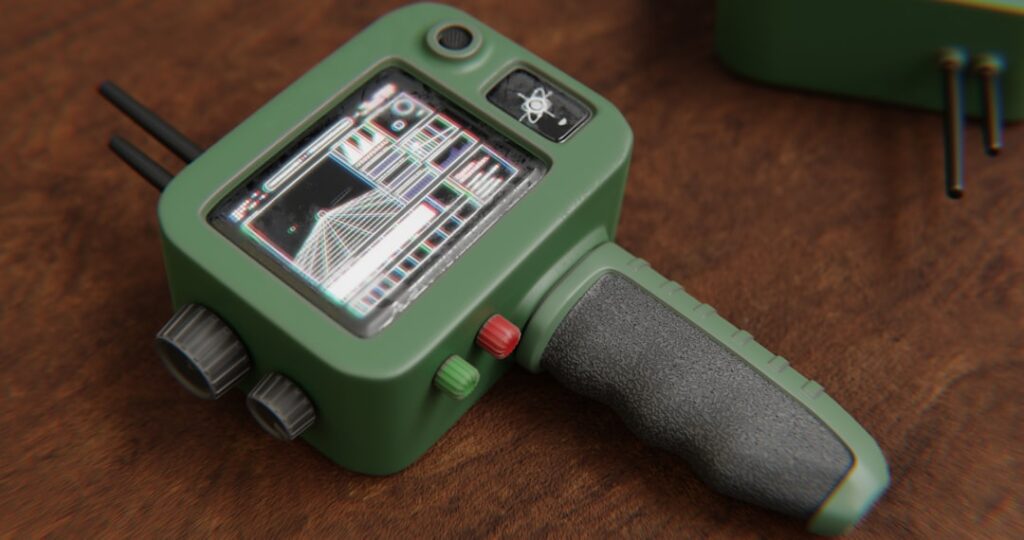
When a gas, refrigerant, or compressed-air leak escapes from a pressurized line, it produces a turbulent rush of sound, much of it at frequencies far above what human ears can hear. An ultrasonic leak detector listens in that ultrasonic range and translates the sound down into something audible or visual, letting a technician find a leak by hearing it rather than by sensing the gas chemically. This makes the tool unusually versatile: it finds leaks of almost any gas, works on pressurized and vacuum systems, and even detects faults that make no chemical signature at all. This guide explains how it works, where it shines, and how to choose one.
Part of our Moisture Meters & Water Damage Detection guide — start there for the full picture →
How an ultrasonic leak detector works
The principle is acoustic, not chemical. When a fluid escapes through a small opening under pressure, the flow becomes turbulent and generates broadband sound that extends well into the ultrasonic range, typically around 40 kHz, above the roughly 20 kHz ceiling of human hearing. An ultrasonic detector uses a sensor tuned to that frequency band, captures the leak’s signature, and converts it down into the audible range through headphones or displays it as a signal level on a meter.
Because the detector responds to the sound of escaping fluid rather than to the fluid itself, it does not care what is leaking. The same tool that finds escaping refrigerant can find a compressed-air leak, a vacuum leak drawing air inward, or a natural-gas leak, because all of them produce ultrasonic turbulence at the orifice. This gas-agnostic quality is the defining strength of the method and the main reason it complements chemical sniffers rather than competing with them. It also means one tool covers situations that would otherwise require several different chemical detectors, each tuned to a single gas.
Two modes are common. In passive listening, the detector simply hears the leak’s own ultrasonic sound, which works on pressurized and vacuum systems alike. For sealed components with no pressure differential, a transmitter mode places an ultrasonic tone generator inside the sealed space; the detector then scans the outside for the tone escaping through any gap, revealing leaks in non-pressurized enclosures like vehicle weather seals or sealed housings.
What an ultrasonic detector can find
The versatility of the acoustic approach gives the tool a broad list of applications across home, automotive, and industrial settings. Each use exploits the same turbulent-sound principle.
Compressed-air leaks in shop and industrial systems are a classic application, where even small leaks waste energy continuously and an ultrasonic scan can survey a large facility quickly. Compressed air is among the most expensive utilities in a plant, and a single small leak running around the clock can cost a surprising amount over a year, so facilities use ultrasonic surveys specifically to find and tag those leaks for repair during scheduled maintenance. Refrigerant and HVAC leaks at pressurized fittings show up acoustically regardless of the refrigerant blend, which makes ultrasonic a useful partner to a refrigerant sniffer on hard-to-find leaks. Vacuum-system leaks, which draw air inward, are nearly impossible to find with a chemical detector but produce a clear ultrasonic signature.
Around buildings, ultrasonic detectors find air leaks in the building envelope, drafts around windows, doors, and penetrations that drive up heating and cooling costs. They also help locate certain plumbing and pressurized water leaks, though water leaks underground or in slabs are more often handled with dedicated acoustic ground-listening gear. In automotive work, the transmitter mode finds wind-noise paths and weather-seal gaps. The breadth of these uses is why ultrasonic detection appears alongside other diagnostic instruments in the home inspection tools guide.
Ultrasonic versus chemical and other leak detection methods
Choosing between methods comes down to what is leaking, whether the system is pressurized, and how precisely you must locate the source. The methods are complementary, and skilled technicians own more than one.
A chemical sniffer, such as a refrigerant or combustible-gas detector, senses a specific gas and confirms exactly what is escaping, which an ultrasonic tool cannot do; the ultrasonic detector hears a leak but does not identify the substance. Where the ultrasonic tool wins is gas-agnostic versatility and the ability to find vacuum leaks, sealed-enclosure leaks via a transmitter, and air leaks that no chemical detector would notice. For a refrigerant leak in particular, many technicians use both: the ultrasonic detector locates the noisy region, and the chemical sniffer or UV dye confirms the exact refrigerant escape point.
Against pressure testing, ultrasonic detection has the advantage of working on a live, running system without isolating or shutting it down, which is valuable for surveying an operating facility. Its main limitation is background noise: a loud environment masks the faint ultrasonic signal, so technicians use headphones, narrow the frequency, and sometimes work during quieter periods. The closely related approach of listening for underground pipe leaks is covered in the discussion of acoustic methods within the guide to finding a local leak detection pro.
How to choose an ultrasonic leak detector
Buyers range from facility maintenance teams chasing compressed-air waste to HVAC technicians and energy auditors, and the right unit depends on the work. A handful of features separate a useful tool from a frustrating one.
Frequency tuning and sensitivity top the list. A detector that lets you adjust the center frequency and gain helps isolate a faint leak from background ultrasonic noise, which is the single biggest practical challenge. Good headphones that block ambient sound let the operator hear the leak clearly, and a clear signal-strength display or numeric reading helps compare spots to find the loudest point, which marks the leak.
Accessories extend reach and precision. A focusing probe or parabolic attachment narrows the detector’s field to pinpoint a leak from a distance, while a flexible contact probe presses against a valve, bearing, or fitting to hear internal leaks and faults. A transmitter accessory is essential if you need to test sealed, non-pressurized enclosures. Battery life, build quality for shop or field conditions, and intuitive controls round out the decision, as does a display the operator can read in bright outdoor light. Match the kit to whether the work is mostly open-air pressurized leaks, sealed-enclosure testing, or building-envelope auditing.
Reading the signal correctly
Interpreting an ultrasonic reading takes a little practice. The detector grows louder as the probe nears the leak, so the technique is to sweep the suspect area and move toward the point where the sound peaks. Reflections off hard surfaces can create misleading secondary signals, so confirming the loudest point and, where possible, blocking the path between the leak and the sensor helps verify the true source. As with any leak tool, a single positive reading is a lead to confirm, not a final answer. Operators also learn to recognize the character of different sounds: a steady hiss usually indicates a continuous pressurized leak, while an intermittent or rhythmic signal may come from a cycling valve or a mechanical source rather than a true gas escape, and telling them apart prevents chasing a phantom leak.
Using an ultrasonic detector for an energy audit
One of the most practical homeowner-adjacent uses is finding where conditioned air escapes a house. On the Front Range, where winters are cold and summers hot and dry, air leakage through the building envelope is a quiet but significant driver of utility bills. An ultrasonic detector helps locate those leaks, especially when paired with a controlled pressure difference across the envelope.
The transmitter method works well here. Placing an ultrasonic tone generator inside the house and scanning the exterior, or vice versa, reveals the paths where the tone leaks through. The detector grows louder at gaps around window frames, door weatherstripping, rim joists, electrical penetrations, and where different building materials meet. Auditors often combine this with a blower-door test that depressurizes the house, exaggerating the airflow through every gap so the leaks are easier to hear and feel.
The payoff is targeted sealing. Rather than caulking and weatherstripping at random, the homeowner addresses the specific leaks the detector found, which is both cheaper and more effective. The Department of Energy notes that sealing air leaks is among the most cost-effective ways to improve home comfort and reduce heating and cooling costs, and an ultrasonic survey turns a vague goal into a punch list of exact locations. For an older Denver-area home with original windows and uninsulated penetrations, the difference after sealing can be noticeable on the next utility statement.
Maintenance, calibration, and getting reliable results
An ultrasonic detector is a sensitive acoustic instrument, and a few habits keep its readings trustworthy. Protect the sensor from physical shock and moisture, since the transducer is delicate and a dropped unit may lose sensitivity without any obvious sign. Store probes and attachments so the contact tips stay clean and undamaged, because a worn contact probe transmits sound poorly and produces faint, misleading readings.
Many detectors offer a sensitivity self-check or a reference sound source to confirm the unit responds correctly before a survey. Running that check at the start of a job rules out a dead battery or a degraded sensor before you waste time chasing a leak the tool cannot hear. Batteries deserve attention too, since a low battery can quietly reduce gain and make a real leak sound weaker than it is, leading an operator to walk past it.
Technique matters as much as the hardware. Work methodically across a system rather than jumping around, so no fitting goes unchecked. Reduce ambient noise where possible, since shop equipment, traffic, and even fluorescent ballasts can add ultrasonic clutter. When a reading is ambiguous, move the probe in small increments and watch for the single loudest point, then confirm from a second angle. Comparing a suspect spot against a known-good reference area on the same system helps the operator judge whether a signal is a true leak or normal background. Patient, systematic scanning consistently beats a fast sweep that misses the quietest, smallest leaks, which are often the ones worth finding before they grow.
Limits and when to bring in a professional
Ultrasonic detection is powerful but bounded. It locates a leak by sound and does not identify the gas, measure its concentration, or judge whether a leak is hazardous, so for a suspected natural-gas or carbon-monoxide situation a homeowner should rely on appropriate gas-specific alarms and professional response rather than an ultrasonic tool alone. The method also struggles in very noisy environments and cannot easily find leaks buried under standing water or deep underground without specialized ground-listening equipment.
For homeowners, the practical takeaway is that ultrasonic detectors are mainly professional and prosumer instruments. A building-envelope air-leak survey or a compressed-air audit suits the tool well, but a suspected gas leak, a refrigerant repair, or an underground water leak is a job for a qualified specialist with the right combination of tools. Call a professional when a leak involves a fuel gas, when the source resists location, or when finding the leak is only the first step toward a repair that requires a licensed trade. Used as one instrument in a layered approach, the ultrasonic detector earns its place; used alone for a hazardous-gas decision, it asks more of the tool than it can safely deliver.
There is also a skill component that argues for professional involvement on important jobs. Interpreting ultrasonic signals in a real environment, filtering reflections, distinguishing a leak from mechanical noise such as a worn bearing that also emits ultrasound, and confirming the true source all improve with experience. A trained operator extracts far more from the same hardware than a first-time user, which is why facilities often train dedicated staff or hire specialists for energy audits and predictive-maintenance surveys rather than treating the detector as a point-and-find gadget.
References
- ENERGY STAR: Seal and Insulate — U.S. Environmental Protection Agency (ENERGY STAR)
- Compressed-air and pressurized-system safety guidance — Occupational Safety and Health Administration
- Inspection guidance on building leaks and diagnostic tools — International Association of Certified Home Inspectors
Frequently asked questions
How does an ultrasonic leak detector differ from a gas sniffer?
An ultrasonic detector hears the high-frequency sound of escaping fluid, so it works on any gas, including vacuum and air leaks. A chemical sniffer senses a specific gas and identifies what is leaking but cannot detect a vacuum leak or air movement. Technicians often use both together.
Can an ultrasonic detector find leaks in sealed parts that are not pressurized?
Yes, using transmitter mode. A small ultrasonic tone generator is placed inside the sealed enclosure, and the detector scans the outside for the tone escaping through any gap, which reveals leaks in non-pressurized housings, vehicle weather seals, and similar parts.
What is the biggest limitation of ultrasonic leak detection?
Background noise. A loud environment can mask the faint ultrasonic signal of a small leak, so operators use isolating headphones, adjust the frequency, and sometimes work during quieter periods. It also cannot identify which gas is leaking or its concentration.
Is an ultrasonic detector right for a homeowner?
It suits building-envelope air-leak surveys and prosumer use, but suspected gas leaks, refrigerant repairs, and underground water leaks are better handled by professionals with gas-specific or ground-listening equipment. For most homeowners it is a specialized tool rather than a first purchase.