UEi Test CD100A Combustible Gas Detector
Natural gas & propane leak detectors
The UEi Test Instruments CD100A is a handheld combustible gas leak detector, often called a gas sniffer, used to trace leaks at gas lines, fittings, valves and…
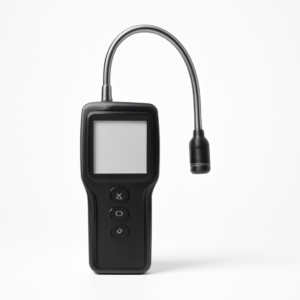
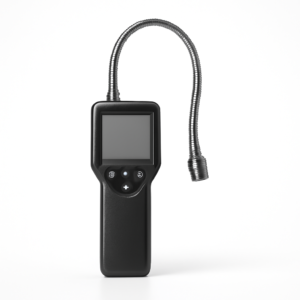
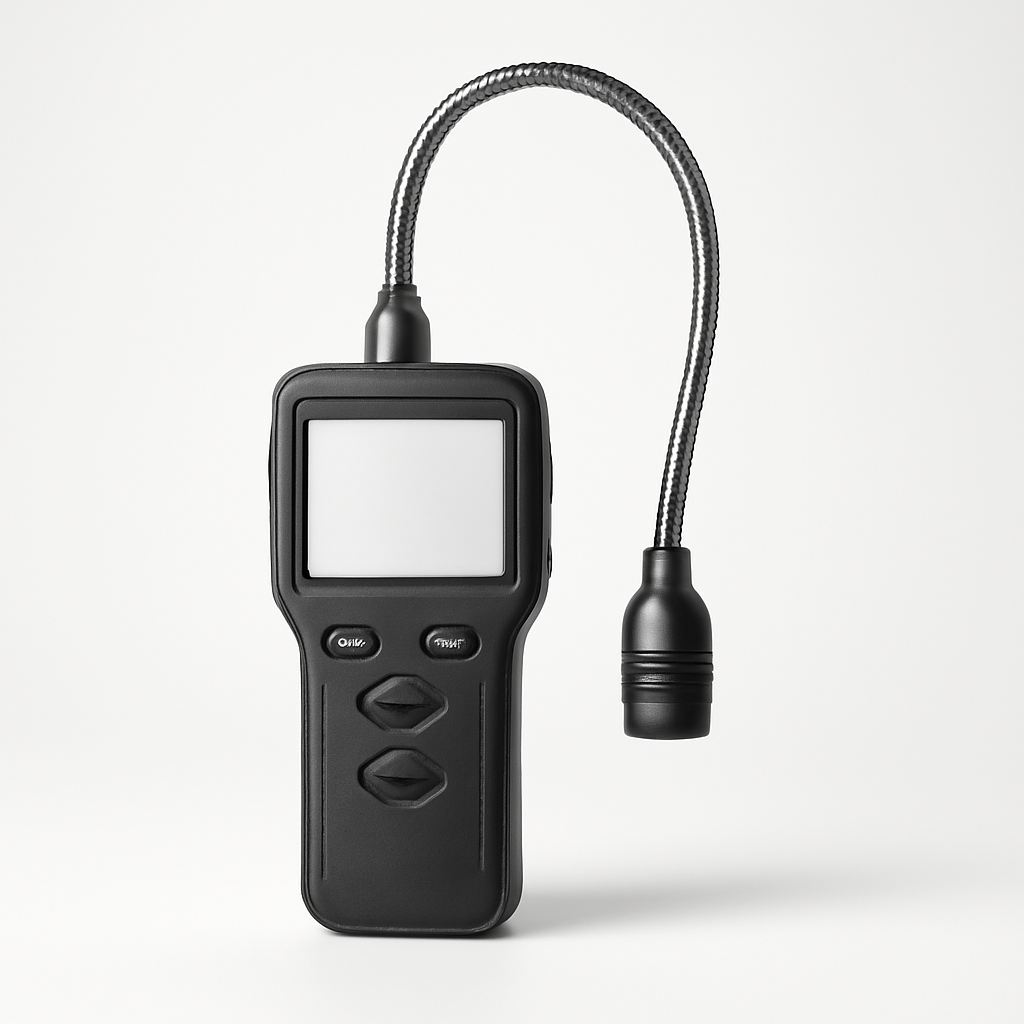
The UEi Test Instruments CD100A is a handheld combustible gas leak detector, often called a gas sniffer, used to trace leaks at gas lines, fittings, valves and appliance connections. It suits homeowners with gas appliances and HVAC contractors who need to pinpoint a leak rather than just know one exists. What sets it apart is reach and visibility: an 18-inch flexible gooseneck with a small light at the tip, plus a ticking tone and visual cue that speed up as the gas concentration rises.
Specifications
| Specification | Details |
|---|---|
| Detects | Combustible gases including natural gas, methane, LPG, butane, plus acetone, ammonia and jet fuel |
| Probe | 18-inch flexible gooseneck with tip light |
| Alerts | Audible and visual cues with a tick rate that increases near a leak |
| Warm-up | About 10 seconds in open air before use |
| Detection range / sensitivity control | Not stated in listing |
| Power | Not stated in listing |
| Size | About 8 x 4 x 1.5 in |
| Model / warranty | CD100A; 1-year limited warranty |
UEi CD100A — handheld combustible gas sniffer, 18-in gooseneck with tip light, rising tick-rate alert, 1-yr warranty
How It Compares
The Only Listing Here Pairing an 18-Inch Gooseneck With a Tip Light
We compared the CD100A with 15 similar listings. Two are Kidde plug-in wall alarms that sense explosive gas, which serve a different purpose. The other 13 are handheld leak detectors. Among those, stated probe lengths run from 4 inches on a pen-style TopTes to 17 inches on the TopTes PT520A; only the Klein ET120 matches the CD100A at 18 inches, and the Klein listing does not mention a light. The TIDOOS detector, listed twice in two colors, describes an illuminated probe but does not state its length.
Its list of target gases is also broader than most. Besides the usual natural gas and propane family, it names acetone, ammonia and jet fuel; only one other listing, the RIDGID CD-100, mentions ammonia.
The trade-off is documentation. Five of the 13 handheld listings describe adjustable or dual sensitivity settings, and several state a ppm or %LEL detection range or a numeric display. The CD100A listing states none of those, nor its battery type, so it reads as a simple tick-rate locator rather than a measuring instrument.
Who It’s For — and Who Should Skip It
Choose the CD100A if you want a straightforward tool to sweep gas piping behind a range, along a furnace gas line, around a water heater valve or at a fireplace key valve, especially where the gooseneck and tip light help in tight, dark spaces.
Skip it if you need a numeric reading, adjustable sensitivity or data logging; the Klein ET120 lists high and low sensitivity ranges, and the TopTes PT-990 lists a 0–10,000 ppm range with data logging. And it is not a substitute for a permanently installed gas or CO alarm, since it only detects where you point it.
Using It at Home
Front Range homes commonly have natural gas service for furnaces, water heaters, ranges and fireplaces, while many foothills and rural properties run on propane. Propane is heavier than air and pools low, so sweep near the floor; natural gas rises, so check above fittings.
- Switch it on outdoors or in fresh air and let it warm up for about 10 seconds before bringing it inside.
- Move the probe tip slowly along joints, unions, flex connectors and valves, pausing at each one and listening for the tick rate to climb.
- Confirm a suspected spot by backing away and returning; a consistent increase at the same fitting is the signal to act.
If you smell rotten eggs or the detector shows a strong response, leave the house without operating switches and call your gas utility from outside. Small repeated hits at appliance connections warrant a licensed plumber or gas fitter; contact us if you want gas appliances and venting reviewed as part of an inspection.
Pros
- 18-inch gooseneck reaches behind appliances
- Tip light helps in dark spaces
- Tick rate rises as you approach a leak
- Broad list of detectable gases, including ammonia
Cons
- No stated detection range or numeric display
- No adjustable sensitivity described
- Battery type not stated in listing
Related Guides
- Combustible gas leak detectors
- Best gas leak detectors
- What to do about a gas leak smell
- Best natural gas detectors
- More gas leak detectors in the shop
As an Amazon Associate we earn from qualifying purchases. Product details come from the current Amazon listing; we have not lab-tested this unit, and prices and availability change.
Prices change often — check the live price on Amazon. As an Amazon Associate we earn from qualifying purchases.