What Is HVAC? How Home Heating and Cooling Systems Work
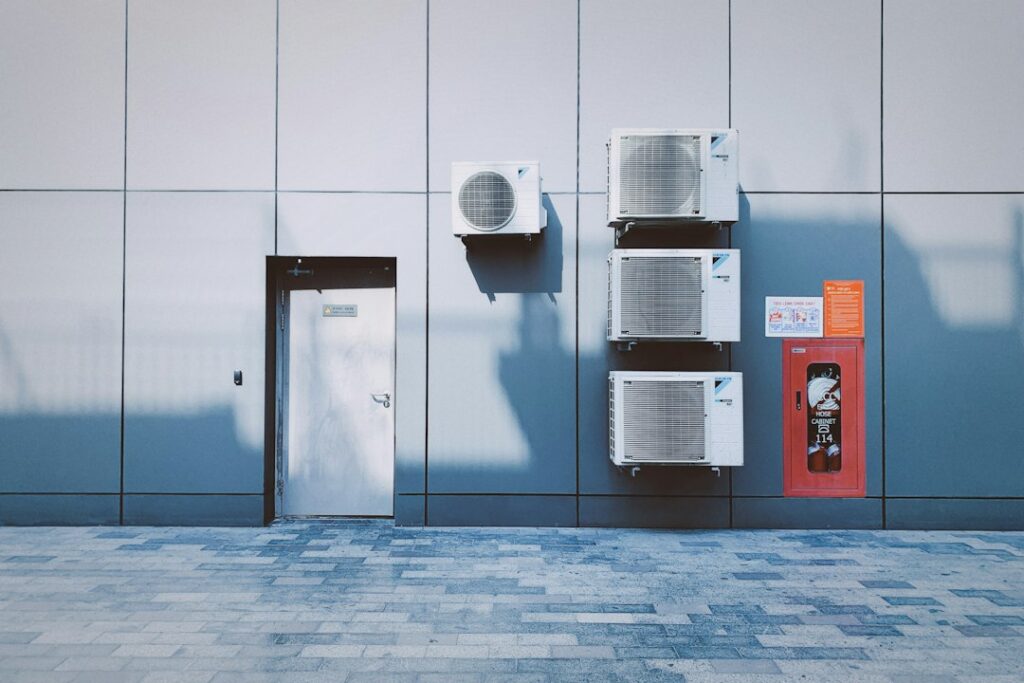
HVAC stands for heating, ventilation and air conditioning. In a house, it is the set of equipment that warms the air in winter, cools and dries it in summer, and moves air through the rooms, usually a furnace or heat pump, an air conditioner or the cooling side of a heat pump, a blower, ductwork, filters and a thermostat that tells everything when to run. ENERGY STAR notes that nearly half of the energy used in a typical home goes to heating and cooling, so this one system has an outsized effect on comfort, utility bills and indoor air. This guide explains what is HVAC in practical terms: how the parts work together, the main system types, the ratings printed on labels and quotes, typical cost and lifespan ranges, basic maintenance, common problems and what a home inspector checks. It summarizes general federal and trade guidance current as of 2026; equipment manuals and local code take priority for any specific home.
Part of our Heating, Cooling & Ventilation guide — start there for the full picture →
Heating or cooling trouble? Talk to a local HVAC technician.
📞 Call (833) 491-1876What HVAC Means in a House
The acronym bundles three jobs that are often handled by shared equipment.
- Heating adds heat to the living space. In most Front Range homes this is a gas furnace, a boiler feeding baseboard or radiant tubing, or an electric heat pump.
- Ventilation moves air. In everyday use that means the blower pushing air through ducts and back through return grilles. In the broader sense it also includes bringing in outdoor air and exhausting stale or moist air through bath fans, kitchen hoods and, in tighter newer homes, dedicated ventilation equipment.
- Air conditioning removes heat and some moisture from indoor air and dumps that heat outdoors. A central air conditioner and a heat pump in cooling mode do this the same way.
It helps to think of HVAC as a system, not a box. A brand-new furnace connected to leaky, undersized ducts and a confusing thermostat will still feel like a bad furnace.
How a Forced-Air HVAC System Works, Step by Step
Forced air is the most common setup in Front Range houses built over the last several decades. One air handler, usually a furnace in the basement, garage, attic or a utility closet, sits at the center. Here is the cycle in plain steps.
- The thermostat calls. The thermostat senses that the room has drifted away from the set point and sends a low-voltage signal to the equipment asking for heat or cooling.
- Return air is pulled in. The blower draws room air through return grilles and return ducts back toward the air handler.
- The air is filtered. Before it reaches the blower, the air passes through a filter in a slot or rack near the furnace or behind a return grille. The filter protects the equipment first and the occupants second.
- The air is heated or cooled. In heating mode, a gas furnace burns fuel inside a sealed heat exchanger and the blower pushes air across the hot metal. A heat pump instead passes air over an indoor coil filled with warm refrigerant. In cooling mode, the same indoor coil (the evaporator) is cold, so it pulls heat out of the air and condenses moisture, which drips into a drain pan and runs out a condensate line.
- Supply air is delivered. The conditioned air moves through the supply plenum and branch ducts to registers in each room.
- Heat or combustion gases leave the house. A furnace vents its exhaust through a flue or plastic vent pipe. An air conditioner or heat pump releases the heat it collected through the outdoor unit, where a fan blows air across the condenser coil.
- The thermostat is satisfied. When the room reaches the set point, the thermostat stops the call and the equipment shuts down, usually with a short fan run to finish moving air.
The cooling half relies on refrigerant cycling between the indoor coil and the outdoor unit through a pair of copper pipes called the line set. ENERGY STAR describes the basic principle simply: at low pressure, refrigerant absorbs heat and evaporates; at high pressure, it releases heat and condenses. The compressor in the outdoor unit does the pressurizing.
Main Types of Home HVAC Systems
Most houses use one of a handful of configurations. The table below is a quick orientation, with typical installed cost ranges that vary widely by home size, brand, ductwork condition and local labor rates.
| System type | How it heats and cools | Best fit | Typical installed cost (national, rough) |
|---|---|---|---|
| Gas furnace plus central AC (split system) | Furnace burns natural gas; outdoor AC unit and indoor coil handle cooling; shared ducts and blower | Homes with existing ducts and gas service; still the most common Front Range setup | Typically several thousand dollars per component; a full furnace-and-AC replacement often lands in the high four to low five figures |
| Ducted air-source heat pump | One outdoor unit moves heat in or out; indoor air handler or furnace coil distributes it | Homes with ducts where the owner wants electric heating and cooling, often with gas or electric backup | Typically comparable to or above a furnace-plus-AC replacement, depending on capacity and cold-climate rating |
| Dual-fuel (heat pump plus gas furnace) | Heat pump handles cooling and milder heating; furnace takes over on the coldest days | Cold-climate homes that already have a serviceable furnace | Typically a modest premium over a straight AC replacement when the furnace stays |
| Ductless mini-split | Outdoor unit feeds one or more wall, ceiling or floor heads through refrigerant lines | Homes without ducts, additions, finished garages, rooms that never feel comfortable | Typically a few thousand dollars per zone; multi-zone whole-house systems run higher |
| Boiler (hydronic) | Heats water that circulates to baseboard, radiators or in-floor tubing; no cooling on its own | Older homes and radiant-floor builds; cooling added separately | Typically similar to or above a furnace replacement |
| Evaporative (swamp) cooler | Pulls outdoor air through wet pads; cools by evaporation | Dry climates such as the Front Range; works poorly on humid days | Typically well below central AC |
Ducted versus ductless
Ducts are a big part of the decision. A ducted system can heat, cool, filter and sometimes humidify the whole house from one location, but ducts that run through attics, crawlspaces or garages lose energy through leaks and thin insulation. ENERGY STAR says sealing and insulating ducts can improve the efficiency of a heating and cooling system by as much as 20 percent, and sometimes much more. Our guide to duct sealing covers how that work is done. Ductless systems avoid duct losses entirely, at the cost of visible indoor heads and less central filtration.
Single-zone versus zoned
A basic system treats the whole house as one zone controlled by one thermostat. Multi-story homes and homes with big west-facing windows often end up with hot upstairs bedrooms and cool basements. Zoning adds motorized dampers and extra thermostats so different areas can run at different temperatures. Our explainer on HVAC zoning explains when it helps and when a simpler fix, such as balancing dampers or a mini-split head, makes more sense.
Ratings and Terms on HVAC Labels and Quotes
HVAC quotes are full of acronyms. These are the ones homeowners see most often, with the definitions agencies use.
- SEER2 (Seasonal Energy Efficiency Ratio 2). ENERGY STAR defines SEER2 as the total heat removed from the conditioned space during the annual cooling season, in Btu, divided by the total electricity the equipment uses during that season, in watt-hours. The “2” marks the newer federal test procedure that took effect in 2023, so SEER2 numbers are not directly comparable with older SEER numbers on equipment installed before then.
- HSPF2 (Heating Seasonal Performance Factor 2). The heat-pump heating equivalent of SEER2: total seasonal heat delivered divided by the electricity used. It only applies to heat pumps.
- AFUE (Annual Fuel Utilization Efficiency). The rating for gas and oil furnaces and boilers. It expresses roughly how much of the fuel’s energy becomes usable heat over a season. ENERGY STAR certified furnaces carry higher AFUE ratings and more efficient blower motors than standard models. High-efficiency condensing furnaces typically vent through plastic pipe instead of a metal flue.
- Tonnage and Btu. Cooling capacity is often described in tons; one ton equals 12,000 Btu per hour. Furnaces are rated by input and output Btu per hour.
- Manual J. The room-by-room load calculation a contractor should use to size equipment. ENERGY STAR specifically recommends that a contractor verify system size with a Manual J calculation rather than a rule of thumb, because both oversized and undersized equipment struggle to keep a home comfortable.
- MERV (Minimum Efficiency Reporting Value). The filter rating based on a national consensus standard. The EPA suggests choosing at least MERV 13, or as high as the system fan and filter slot can accommodate, and checking with an HVAC technician about what a given system can handle.
- Refrigerant type. Newer equipment uses lower-global-warming refrigerants under EPA rules that are phasing down older HFCs. Under Clean Air Act Section 608, technicians may not intentionally vent refrigerant while servicing equipment, which is why refrigerant work belongs with certified technicians.
Typical HVAC Costs and Lifespans
Every number in this section is a typical range, not a quote. Prices swing with equipment size, efficiency tier, brand, how much ductwork or electrical work is needed, permit fees, access (an attic install costs more than a basement swap), and the season. Get at least two or three written bids that list model numbers, scope and warranty terms.
| Item | Typical cost range (rough, national) | Typical service life |
|---|---|---|
| Annual tune-up (per system, per season) | Roughly $100 to $250; maintenance plans bundle two visits | Yearly |
| Common repairs (capacitor, igniter, contactor, flame sensor) | Often low to mid hundreds including the service call | Parts wear out on their own schedule |
| Gas furnace replacement | Often low-to-mid four figures; more for high-efficiency or difficult venting | Commonly 15 to 25 years |
| Central AC replacement | Often mid four figures to around $10,000 | Commonly 12 to 20 years |
| Ducted heat pump replacement | Often mid four figures to well into five figures for cold-climate models | Commonly 12 to 18 years |
| Ductwork repair, sealing or partial replacement | Wide range, from a few hundred dollars to several thousand | Ducts often last decades if dry and supported |
| Smart or programmable thermostat | Typically under a few hundred dollars plus any wiring work | Often around 10 years |
Lifespans are rules of thumb. Maintenance and installation quality shift them in both directions. Federal and utility incentives for efficient equipment change often, so check current programs with the utility and the ENERGY STAR rebate finder before signing. If thermostat upgrades are on the list, our roundup of the best smart thermostats compares current options; ENERGY STAR notes that homes with high heating and cooling bills, or homes that sit empty much of the day, can save roughly $100 a year with a certified smart thermostat.
HVAC Maintenance Basics
Most HVAC problems are cheaper to prevent than to fix. ENERGY STAR’s maintenance checklist splits the work between the homeowner and a contractor.
What homeowners can do
- Check the filter monthly. ENERGY STAR advises checking the filter every month during heavy-use seasons, changing it if it looks dirty, and changing it at least every three months. A dirty filter slows airflow and makes the system work harder.
- Keep the outdoor unit clear. Trim plants back, clear leaves and cottonwood fluff, and keep a few feet of open space around the condenser.
- Watch the condensate drain. A plugged drain can cause water damage and affect indoor humidity. Look for water in the drain pan or around the furnace in summer.
- Test carbon monoxide alarms. Any home with fuel-burning equipment or an attached garage should have working CO alarms.
What a contractor does
ENERGY STAR recommends annual pre-season check-ups: cooling in spring and heating in fall. A typical visit includes checking thermostat settings, tightening electrical connections and measuring voltage and current on motors, lubricating moving parts, checking the condensate drain and the system’s start-up and shut-down cycle, cleaning the indoor and outdoor coils, checking refrigerant charge, adjusting the blower, and on the heating side checking gas connections, gas pressure, burner combustion and the heat exchanger. ENERGY STAR notes that airflow problems alone can reduce efficiency by up to 15 percent. Our AC maintenance guide walks through the cooling side in more detail.
Common HVAC Problems and What They Usually Mean
These are the complaints that most often bring a technician out. Treat them as starting points for a diagnosis, not as conclusions.
- Weak airflow or rooms that never get comfortable. Common causes include a clogged filter, closed or blocked registers, disconnected or crushed ducts, an undersized return, or equipment that was never sized properly for the house.
- Air conditioner runs but does not cool. Frequent culprits are a failed capacitor or contactor, a dirty outdoor coil, low refrigerant from a leak, or an iced-up indoor coil.
- Furnace short-cycles or will not light. A dirty flame sensor, a failing igniter, a tripped limit switch from overheating (often a clogged filter), or a blocked vent can all shut a furnace down.
- Musty smells when the system starts. Moisture on the indoor coil and in the drain pan can support microbial growth. A technician can clean the coil and pan and confirm the drain slopes properly; persistent odors may warrant a mold evaluation.
- Headaches or flu-like symptoms that ease outside the house. The EPA lists leaking chimneys and furnaces, back-drafting from furnaces and water heaters, and blocked or disconnected flues among the sources of carbon monoxide. If a CO alarm sounds or occupants feel ill, leave the house and call 911 or the gas utility first, then schedule an HVAC technician.
Older homes add one more consideration. Some ductwork, duct wrap and register boots installed before the 1980s used asbestos-containing tape or insulation. Our guide to asbestos in HVAC ductwork explains what to look for and why that material should be tested, not scraped.
What a Home Inspector Checks on HVAC
A general home inspection is a visual, non-invasive look at the system in normal operation. Under the ASHI Standard of Practice, the inspector opens readily openable access panels, inspects the installed heating equipment, vent systems, flues and chimneys and the distribution system, and describes the energy source and type of system. On the cooling side, the inspector inspects central and permanently installed cooling equipment and its distribution system.
The same standard lists what the inspector is not required to do. That includes inspecting heat exchangers, humidifiers and dehumidifiers, electronic air cleaners, and ground-source or solar systems, and determining heat supply adequacy, cooling adequacy or distribution balance.
In practice, a home inspector will typically:
- Run heating and cooling through the normal thermostat (weather permitting; many inspectors will not run an AC below a certain outdoor temperature because it can damage the compressor)
- Check the vent connector, flue and combustion-air arrangement for obvious defects
- Look for rust, water staining, disconnected ducts, damaged line-set insulation and a level, stable outdoor unit
- Measure supply and return temperatures at registers, which can point to an underperforming system
When the inspector sees an older system, signs of overheating, rust in the burner area, a suspected cracked heat exchanger or refrigerant problems, the usual recommendation is evaluation by a licensed HVAC contractor before closing. Some buyers choose a dedicated HVAC inspection for that reason, which can include a heat-exchanger camera inspection, combustion testing and a refrigerant check.
Front Range HVAC Notes
A few regional factors genuinely change how HVAC works and is judged along the Colorado Front Range.
- Altitude. Thinner air contains less oxygen, so gas appliances are typically derated at elevation per the manufacturer’s high-altitude instructions and local fuel-gas code. A furnace that was not set up for altitude can burn poorly. Inspectors and technicians look at the data plate and installation details for this.
- Dry air. Low humidity is why evaporative coolers remain common here, and why some forced-air systems include a whole-house humidifier. Humidifiers need regular cleaning, and a leaking humidifier pad housing is a frequent water stain on furnaces.
- Cold snaps and big temperature swings. Winter nights can drop below zero. Heat pumps sold for this climate should carry ENERGY STAR’s cold-climate designation, which requires tested performance down to 5°F, and many homes pair them with gas or electric backup.
- Hail. Hail can flatten condenser coil fins. Light fin damage is cosmetic; heavy flattening can reduce airflow and capacity.
When to Call an HVAC Pro or an Inspector
Call a licensed HVAC contractor for anything involving gas piping, combustion, refrigerant or line-voltage wiring. Those are not DIY jobs, and refrigerant handling is regulated. Call right away if a CO alarm sounds, if there is a gas smell, if the furnace shows scorch marks or flame rollout, or if the system trips its breaker repeatedly.
For a home purchase, the general home inspection gives a first look at the HVAC system’s age, operation and visible condition. If the equipment is near the end of its typical lifespan, if the inspector flags anything in the combustion or refrigerant sections, or if the sellers cannot show service records, a follow-up evaluation by an HVAC contractor is usually worth scheduling during the inspection period. Our heating and cooling hub collects the related guides in one place, including guides on choosing the right specialist for a follow-up evaluation.
References
- Heat and Cool Efficiently — ENERGY STAR
- Heating and Cooling Maintenance Checklist — ENERGY STAR
- Heat Pump Equipment Key Product Criteria (SEER2, EER2, HSPF2 definitions) — ENERGY STAR
- Guide to Air Cleaners in the Home — U.S. Environmental Protection Agency
- Carbon Monoxide’s Impact on Indoor Air Quality — U.S. Environmental Protection Agency
- ASHI Standard of Practice for Home Inspection — American Society of Home Inspectors
Frequently asked questions
What does HVAC stand for?
HVAC stands for heating, ventilation and air conditioning. In a home it usually means the furnace or heat pump, the air conditioner or the cooling side of a heat pump, the blower and ductwork, filters and the thermostat that controls them.
What is the difference between HVAC and AC?
AC refers only to cooling equipment. HVAC is the whole system, including heating, air movement, filtration and controls. In many homes the AC shares the furnace's blower, ducts and filter, so problems in one part affect the other.
How long does an HVAC system last?
As a rule of thumb, gas furnaces commonly last 15 to 25 years, central air conditioners 12 to 20 years and heat pumps somewhat less than furnaces because they run year-round. Maintenance, filter habits, installation quality and sizing all shift those ranges.
How often should HVAC be serviced?
ENERGY STAR recommends a professional check-up once a year for each mode, cooling in spring and heating in fall. Homeowners should check the filter monthly during heavy use and change it at least every three months.
Does a home inspection cover the HVAC system?
Yes, at a visual level. Under the ASHI Standard of Practice the inspector inspects installed heating and permanently installed cooling equipment, vents and distribution, but is not required to inspect heat exchangers or judge system adequacy. Concerns are usually referred to a licensed HVAC contractor.
Buying a Front Range home and want a clear read on its furnace, air conditioner or heat pump before closing? Contact our team to connect with a qualified local inspector.