Heat Detectors: Where They Beat Smoke Alarms in a Home
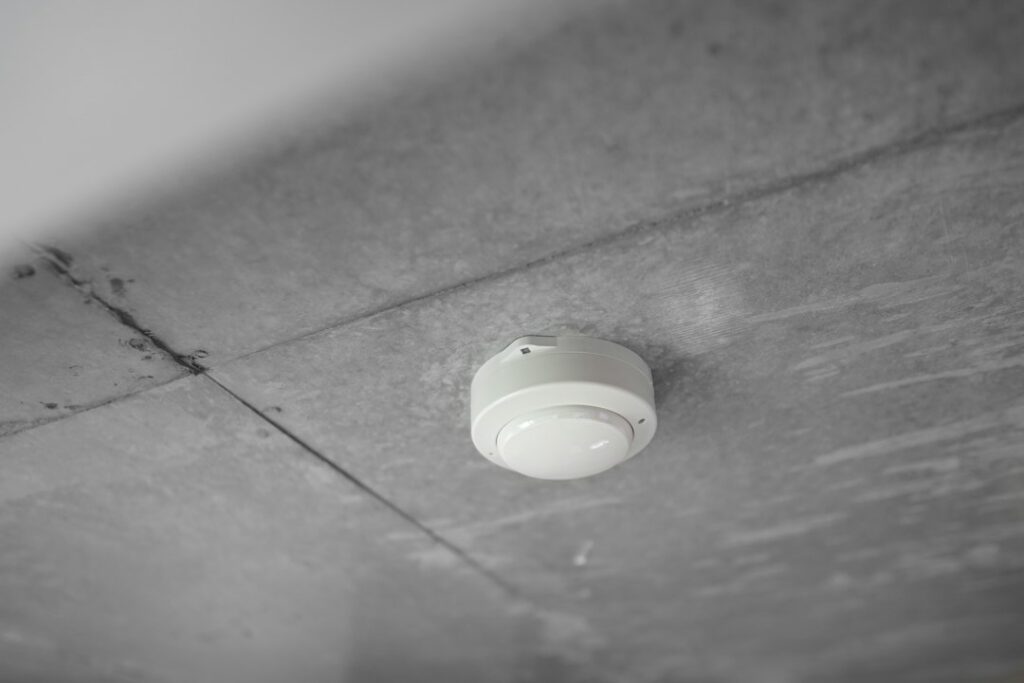
Most homes rely on smoke alarms for early fire warning, and for good reason. But there are a few spaces in a house where a smoke alarm is the wrong tool: places that are dusty, humid, full of exhaust fumes or prone to big temperature swings. In those spots, a smoke alarm may sound constantly for no reason, and a nuisance alarm that gets disabled protects no one. A heat detector, sometimes called a heat alarm, fills that gap by responding to temperature instead of smoke. This guide explains how heat detectors work, the difference between fixed-temperature and rate-of-rise designs, where they make sense in a home, why they do not replace smoke alarms in sleeping areas, and what to expect for interconnection, testing and cost. It is written for homeowners and buyers along the Colorado Front Range, where attached garages, unfinished attics and mechanical rooms are common.
Part of our Specialty Home Inspections guide — start there for the full picture →
What a Heat Detector Does
A heat detector is a fire-warning device that reacts to high temperature or a rapid rise in temperature near the ceiling. It does not sense smoke particles at all. The U.S. Fire Administration describes heat alarms as devices that respond to high temperatures, not smoke or fire, and calls them ideal for garages. USFA presents them as another useful part of a home fire safety plan rather than a substitute for smoke alarms.
That distinction matters. Smoke typically reaches a ceiling well before the air there gets hot enough to trigger a heat sensor, so a heat detector usually responds later in a fire than a smoke alarm would. The trade-off is reliability in harsh environments. Because a heat detector ignores dust, steam, insects and vehicle exhaust, it can stay in service in rooms where a smoke alarm would produce a stream of false alarms.
Heat alarm versus heat detector
In everyday use the terms overlap. Strictly speaking, a heat alarm is a self-contained unit with its own sounder, much like a residential smoke alarm. A heat detector in the commercial sense is often a sensor wired to a separate fire alarm control panel, which then sounds the alarms. Many homes have the self-contained version. Homes with a monitored security or fire alarm system may have panel-connected detectors instead. When buying or evaluating a device, check whether it sounds on its own or depends on a panel.
Fixed-Temperature Versus Rate-of-Rise Heat Detectors
Residential heat detectors generally use one of two sensing methods, and some combine both.
Fixed-temperature detectors
A fixed-temperature detector sounds when the air around it reaches a set threshold. The trigger may be a bimetallic element, a fusible link or an electronic thermistor. Fixed-temperature units are simple and resistant to false alarms, because ordinary daily heating and cooling stays below the threshold.
The threshold has to suit the space. USFA’s guidance for garages recommends choosing a heat alarm rated for temperatures between 175 and 250 degrees Fahrenheit. It explains that alarms with lower ratings may sound because garage temperatures can rise above 100 degrees, while alarms with higher ratings may sound too late to warn occupants of a fire. Similar logic applies to attics, which can get very hot on summer afternoons.
Rate-of-rise detectors
A rate-of-rise detector responds to how fast the temperature climbs rather than to a single number. A fast-growing fire can push ceiling temperatures up quickly, and a rate-of-rise sensor may react sooner than a fixed-temperature unit in that situation. The downside is that some ordinary events also produce fast temperature changes, such as opening a garage door on a hot day, a blast from an unvented heater, or an oven door opening directly below the device. Placement matters more with rate-of-rise units for that reason.
Combination units
Many products combine both methods: they alarm on a rapid rise or when a fixed threshold is reached, whichever comes first. Combination units are a common choice for kitchens and garages because they cover both fast and slow-developing heat. Specifications vary by manufacturer, so read the listed temperature rating and the recommended installation locations before buying.
Where Heat Detectors Fit in a Home
Heat detectors work best in spaces where smoke alarms are unsuitable or prone to nuisance alarms. Local codes, the manufacturer’s instructions and the layout of the house all affect the final decision, so treat the following as typical rather than required locations.
Attached garages
The garage is the most common home location. USFA states that smoke alarms are not required, or designed for use, in garages, and notes that smoke alarms there can sound because of changes in temperature and humidity as well as dust, fumes and insects. Heat alarms are made not to be affected by those conditions. Garages also hold vehicles, fuel, solvents, lawn equipment and sometimes workshops, which makes them a meaningful fire risk next to living space. If the garage has a garage heater, follow the heater manufacturer’s clearance guidance and keep the detector away from the heater’s direct discharge, which could affect a rate-of-rise unit.
Kitchens
Kitchens are a frequent source of smoke alarm complaints. NFPA advises keeping smoke alarms away from the kitchen to reduce nuisance alarms, at least 10 feet from the stove, and recommends photoelectric smoke alarms near kitchens and bathrooms. Some homeowners add a heat detector inside the kitchen itself to cover the area where smoke alarms are kept at a distance. A heat detector there supplements nearby smoke alarms; it does not replace them.
Attics
Unfinished attics can be dusty and extremely hot in summer and very cold in winter, conditions that smoke alarms are generally not designed for. Attics often contain wiring, recessed light housings, exhaust fans and sometimes furnaces or air handlers. A heat detector rated for high ambient temperatures may make sense here, especially when it is interconnected with alarms in the living space so an attic fire is heard below. If the attic has a powered attic fan, keep the detector out of its direct airflow.
Furnace rooms, utility rooms and workshops
Mechanical rooms with furnaces, boilers and water heaters can see dust and temperature shifts, and workshops generate sawdust and fumes. These spaces may suit a heat detector, though fuel-burning appliances also call for carbon monoxide alarms nearby. The carbon monoxide detector installation guide covers that separate hazard; heat detectors do not sense carbon monoxide.
Laundry rooms and some bathrooms
Steam and lint can trigger smoke alarms. A heat detector may be useful near a dryer in a confined laundry room, although the main dryer-fire precautions remain cleaning the lint filter and keeping the vent clear.
Heat Detectors Do Not Replace Smoke Alarms
The most important rule is that heat detectors are not a substitute for smoke alarms where people sleep and live. NFPA’s smoke alarm guidance calls for smoke alarms in every sleeping room, outside each separate sleeping area and on every level of the home, including the basement. NFPA also notes that in a fire, occupants may have as little as two minutes to escape safely, which is why early smoke detection near bedrooms matters.
USFA’s smoke alarm guidance gives the same placement advice: inside and outside each bedroom and sleeping area, and on every level. Because a heat detector usually responds only after a fire has produced significant heat, relying on one in a hallway or bedroom could leave too little time to escape a smoldering fire. Building codes for new construction generally treat heat detectors as supplemental devices, not as permitted replacements for required smoke alarms in sleeping areas. Check with the local building department for the version of the code adopted in a specific Front Range city or county.
For help planning the smoke alarm side of the system, see the smoke detector placement guide. The ionization vs photoelectric smoke detector comparison explains why USFA recommends having both sensing types or dual-sensor alarms in every home.
Interconnection, Power and Installation
Interconnection
A heat detector in a detached or attached garage is far more useful if it sets off the alarms inside the house. USFA recommends buying a heat alarm that can interconnect with the home’s smoke alarms and notes that many heat alarm models can be connected so that if the heat alarm sounds, the smoke alarms will as well. NFPA and USFA both recommend interconnected smoke alarms so that when one sounds, they all sound.
Interconnection can be wired, using an extra conductor between alarms, or wireless, using radio signals between compatible units. Wired and wireless alarms usually need to come from the same manufacturer’s compatible product family. Mixing brands generally does not work, so confirm compatibility with existing alarms before buying.
Hardwired versus battery
USFA suggests purchasing a heat alarm that is hardwired with a battery backup and having it installed by a qualified electrician. Hardwired units draw power from a household circuit and keep working on the backup battery during an outage. Battery-only heat alarms exist and are simpler to mount, but they depend on battery maintenance and may only interconnect wirelessly. The hardwired smoke and carbon monoxide detector guide covers the wiring, backup battery and replacement considerations that apply in a similar way to hardwired heat alarms.
Placement details
- Ceiling mounting: heat rises, so heat detectors are typically mounted on the ceiling, following the manufacturer’s distance limits from walls and corners.
- Away from heat sources: keep them clear of heater outlets, the top of a water heater flue and spots where a garage door opening lets hot afternoon air rush in, especially with rate-of-rise models.
- Away from fluorescent lights: USFA advises against installing heat alarms near fluorescent lights, because electrical noise and flickering may affect operation.
- Accessible for testing: a detector on a very high garage ceiling still needs to be reachable for monthly testing.
Always follow the manufacturer’s instructions, which may include spacing limits and minimum and maximum operating temperatures.
Testing, Maintenance and Replacement
Heat detectors need the same routine attention as smoke alarms. NFPA recommends testing smoke alarms at least once a month using the test button, and USFA recommends monthly testing, annual backup battery replacement for hardwired and 9-volt units, and replacing smoke alarms 10 years after the manufacture date. Many heat alarm manufacturers recommend a similar schedule; check the label and instructions for the specific model.
A test button generally confirms the electronics and sounder are working. It does not apply heat to the sensor. Never test a heat detector with an open flame or a heat gun unless the manufacturer specifically describes that method, since uncontrolled heat can damage the unit or start a fire. Monitored systems may have a separate testing procedure handled by the alarm company.
Other maintenance points:
- Vacuum or wipe dust and cobwebs from the housing as the instructions allow, particularly in garages and attics.
- Replace any unit that is painted over, damaged, chirping after a battery change or past its replacement date.
- After remodeling, confirm the detector was not covered, removed or disconnected.
What Home Inspectors Typically Check
Buyers sometimes expect a home inspection to verify every alarm in the house. Under the ASHI Standard of Practice, the electrical section asks the inspector to describe the presence or absence of smoke alarms and carbon monoxide alarms. The same standard states that the inspector is not required to test smoke and carbon monoxide alarms, security systems or other signaling and warning devices, and is not required to determine the age and type of smoke and carbon monoxide alarms.
In practice, many inspectors will note a missing garage heat alarm, an alarm hanging by its wires, a painted-over unit or an obviously old device, but a general inspection is not a full fire alarm system evaluation. Homes with a monitored panel or a complex interconnected system may warrant a specialist. The specialty inspections hub explains when an add-on evaluation makes sense, and the broader hiring process section covers how to compare inspectors and what to ask before booking.
After moving in, a practical step is to walk the house, press every test button, confirm which devices interconnect and note manufacture dates. Replacing everything over 10 years old at once keeps the system consistent and avoids compatibility problems.
Heat Detector Costs
Prices vary with brand, power source, interconnection method, local labor rates and whether new wiring is needed. These rough ranges are for planning only:
- Battery-powered heat alarm: commonly in the range of a few tens of dollars per unit, somewhat more for wireless-interconnect models.
- Hardwired heat alarm with battery backup: the device itself often costs a similar or slightly higher amount than a comparable hardwired smoke alarm.
- Electrician installation where wiring already exists: often a service-call minimum plus a modest per-device charge, commonly in the low hundreds of dollars for a small job.
- New wiring to a garage or attic: can raise the total to several hundred dollars or more, depending on access, distance and drywall repair.
- Panel-connected detectors on a monitored system: priced by the alarm company and may involve programming fees.
For comparison, USFA lists basic smoke alarms starting at a few dollars and wireless models starting at roughly $40. Heat alarms are usually in the same general territory as mid-range smoke alarms, though prices change over time. If a garage, kitchen or attic is already wired for a hardwired alarm system, adding a compatible heat alarm to the interconnect circuit is often a relatively small job. If an existing combination unit sits in a garage, the combination smoke and carbon monoxide detector guide can help sort out what should stay and what should be swapped.
Front Range Considerations
Colorado garages can see a wide range of temperatures. A south-facing garage in summer can get very hot, while an uninsulated garage in winter can drop below freezing. Some battery-powered alarms have minimum operating temperatures, and cold can shorten battery life, so check the listed operating range before mounting a unit in an unheated space. Attics in the region can also swing widely between seasons.
Many Front Range homes built in recent decades have attached garages with living space above. In those layouts a garage fire can spread quickly into bedrooms, which makes an interconnected heat alarm in the garage a reasonable upgrade even when local code did not require one at the time of construction. Homes in wildland-urban interface areas near the foothills face additional wildfire risks that heat detectors do not address; those call for defensible space and ember-resistant construction.
References
- Heat Alarms — U.S. Fire Administration
- Smoke Alarms — U.S. Fire Administration
- Smoke Alarms — National Fire Protection Association
- ASHI Standard of Practice for Home Inspection — American Society of Home Inspectors
Frequently asked questions
What is the difference between a heat detector and a smoke detector?
A smoke detector senses smoke particles, while a heat detector responds to high temperature or a rapid temperature rise. Heat detectors ignore dust, steam and exhaust, which makes them useful in garages, but they usually respond later in a fire than smoke alarms.
Can a heat detector replace a smoke alarm in a bedroom?
No. NFPA and USFA call for smoke alarms in every sleeping room, outside each sleeping area and on every level. Heat detectors are supplemental devices for spaces where smoke alarms are unsuitable.
What temperature rating should a garage heat alarm have?
USFA recommends a heat alarm rated between 175 and 250 degrees Fahrenheit for garages. Lower ratings may cause false alarms on hot days, and higher ratings may sound too late.
Should a garage heat alarm be interconnected with the smoke alarms?
USFA recommends choosing a heat alarm that can interconnect with the home's smoke alarms so that a garage fire sets off alarms inside the house. Interconnection usually requires compatible units from the same product family.
How much does it cost to add a heat detector?
A battery unit is commonly a few tens of dollars. A hardwired unit installed by an electrician often runs into the low hundreds, and more if new wiring to the garage or attic is needed.
Not sure whether the garage or attic in a home you are buying has proper fire detection? Reach out and we can point you to an inspector who checks alarms and electrical components as part of the visit.