Ionization vs Photoelectric Smoke Detectors: Which to Buy
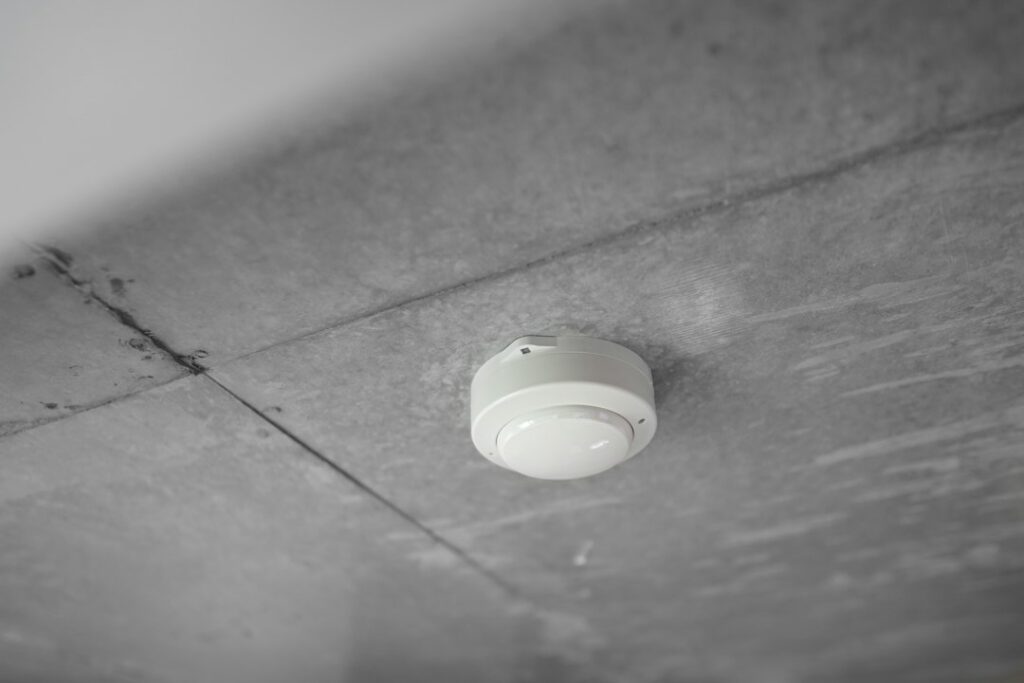
Walk down the smoke alarm aisle of any Front Range hardware store and the packaging splits into two camps: ionization and photoelectric. Most shoppers grab whichever is cheapest or whichever matches the alarm already on the ceiling. An ionization smoke detector and a photoelectric alarm sense smoke in different ways, and each one tends to respond faster to a different kind of fire. This guide explains how both sensors work, where each one shines, why nuisance alarms happen, and what fire-safety organizations such as the National Fire Protection Association (NFPA) recommend for the best coverage. It also covers placement, interconnection, sealed 10-year batteries, and combination smoke and carbon monoxide units, so the alarms on your ceiling match the way fires actually start in homes.
Part of our Home Inspection Tools guide — start there for the full picture →
Ionization vs Photoelectric: The Short Answer
An ionization smoke detector is generally quicker to sound on fast, flaming fires, such as a pan of grease or a wastebasket of paper that bursts into open flame. A photoelectric smoke detector is generally quicker on slow, smoldering fires, such as a cigarette burning into a sofa cushion or overheated wiring inside a wall, which can fill rooms with smoke for a long time before visible flames appear.
Neither type is useless on the other kind of fire. Both will eventually alarm. The difference is timing, and in a fire, seconds and minutes matter.
Because no one can predict which kind of fire a home will have, the NFPA states that for the best protection, homes should have both types of technology: either separate ionization and photoelectric alarms, or combination (dual-sensor) alarms that contain both sensors in one housing. If you are buying a single alarm to replace an old one and want one sensor type only, many fire-safety educators lean toward photoelectric near kitchens and bathrooms because it produces fewer cooking-related nuisance alarms. That is a practical consideration, not a replacement for the both-technologies recommendation.
So the honest answer to “which should I buy?” is usually “a mix, or a dual-sensor unit,” with the exact choice depending on where in the house the alarm will hang.
How Each Sensor Detects Smoke
Understanding the mechanics makes the trade-offs easier to remember. The two technologies look nearly identical from the outside, so the label on the back or the package is the only quick way to tell them apart.
Ionization sensors
Inside an ionization alarm is a small chamber with two electrically charged plates and a tiny amount of radioactive material, usually americium-241. The radioactive source ionizes the air between the plates, which allows a small, steady electrical current to flow. When smoke particles drift into the chamber, they attach to the ions and disrupt that current. The circuit notices the drop and triggers the alarm.
The particles produced by fast, hot, flaming fires are very small and numerous, and ionization chambers respond well to them. That is why ionization units often react first to open-flame fires.
The radioactive source is sealed and the amount is very small. Federal regulators allow these devices for household use, and the source does not pose a hazard while the alarm is intact and mounted on the ceiling. Do not open or tamper with the chamber. When an ionization alarm reaches the end of its life, follow the disposal instructions printed on the unit or in the manual; some manufacturers accept returns, and local household hazardous waste programs in counties such as Jefferson, Boulder and Arapahoe can advise on drop-off options.
Photoelectric sensors
A photoelectric alarm uses light instead of ionized air. A small LED shines a beam across a sensing chamber, angled so the beam does not normally hit a light sensor. When smoke enters the chamber, the particles scatter the light, and some of it reaches the sensor. Once enough scattered light registers, the alarm sounds.
Smoldering fires produce larger, visible smoke particles, which scatter light efficiently. That is why photoelectric units often respond earlier to slow, smoky fires that can quietly build for a long time, often at night when people are asleep.
Dual-sensor (combination) alarms
A dual-sensor alarm houses both an ionization chamber and a photoelectric chamber, with circuitry that can respond to either. These units are the simplest way to follow the NFPA recommendation of having both technologies without mounting two alarms side by side. Some models also add a heat sensor or a carbon monoxide sensor, which are covered later in this guide.
Flaming vs Smoldering Fires: Why the Difference Matters
House fires do not all start the same way. A kitchen flare-up can go from a small flame to a burning cabinet quickly. A smoldering upholstery fire, by contrast, may produce thick, toxic smoke for an extended period before it breaks into flame. Those two scenarios put very different demands on a detector.
In a flaming fire, the main danger is speed. Heat and flame spread fast, and an early alarm gives occupants time to get out before exits are blocked.
In a smoldering fire, the main danger is smoke itself. Smoke contains carbon monoxide and other toxic gases that can incapacitate sleeping occupants before they ever see a flame. An alarm that responds early to visible smoke particles helps wake people while the air is still survivable.
Since a home can experience either kind of fire, and sometimes a fire that starts as one and becomes the other, relying on a single sensor type everywhere leaves a gap. Covering both is the reason dual-sensor alarms exist.
Common fire sources by room
- Kitchen: grease and cooking fires tend to flame quickly. Nuisance alarms from normal cooking are also most common here.
- Living room and family room: upholstered furniture, candles and space heaters can produce smoldering or flaming fires.
- Bedrooms: electrical cords, heaters and smoking materials are typical ignition sources, and occupants are often asleep.
- Basement and utility areas: furnaces, water heaters, dryers and older wiring can be involved. Many Front Range homes have finished basements with bedrooms, which raises the stakes for alarms on that level.
- Garage: standard smoke alarms are usually not recommended in garages because exhaust, dust and temperature swings cause false alarms; heat alarms are often used instead. Check the manufacturer guidance.
Nuisance Alarms and How to Reduce Them
Nuisance alarms, the ones that go off when someone sears a steak or takes a hot shower, are more than an annoyance. They are one of the main reasons people disconnect alarms or pull batteries, and a disabled alarm protects no one.
Ionization alarms are generally more prone to cooking-related nuisance alarms because the small particles from toasting, frying and broiling can trip the chamber. Photoelectric alarms are generally more prone to steam-related nuisance alarms because water droplets scatter light, though placement usually solves that.
Ways to reduce nuisance alarms:
- Keep distance from cooking appliances. NFPA safety tips advise installing smoke alarms at least 10 feet from a cooking appliance to minimize false alarms. The NFPA 72 code sets more specific distances depending on sensor type, so check the alarm’s manual.
- Keep alarms away from bathroom doors. Steam drifting out of a shower can trigger a photoelectric sensor. Mount alarms a few feet from bathroom doorways where the manual allows.
- Avoid drafty spots. Near windows, ceiling fans and HVAC supply registers, air movement can push dust or blow smoke away from the sensor.
- Use the hush button, not the battery drawer. Most modern alarms include a temporary silence feature that quiets the alarm for several minutes and then resets.
- Clean the unit. Dust and cobwebs inside the chamber can cause false alarms. Gently vacuum the vents according to the manufacturer’s instructions.
If an alarm keeps sounding with no smoke present and cleaning does not help, the sensor may be failing. Replace it rather than disabling it.
Which Type to Buy for Each Location
A simple room-by-room approach helps translate the technology into a shopping list. These are general guidelines; local code and the alarm manufacturer’s instructions take priority.
Bedrooms and sleeping areas
Because occupants are asleep and smoldering fires are a serious risk, dual-sensor alarms or photoelectric alarms paired with ionization elsewhere in the hallway are a strong choice. The NFPA recommends an alarm inside each bedroom and outside each separate sleeping area.
Hallways and living areas
Dual-sensor alarms are a good default here. A hallway outside the bedrooms is the classic place where a combination unit covers both fire types that could reach sleeping occupants.
Near (but not in) the kitchen
Photoelectric alarms tend to tolerate cooking better. Place them at the distance recommended in the manual, and consider models with a hush feature.
Basements and every level
The NFPA calls for at least one smoke alarm on every level of the home, including the basement. In a basement, the alarm is often placed on the ceiling at the bottom of the stairs. Dual-sensor units are a sensible choice for basements with bedrooms or mechanical equipment.
For a wider look at detection equipment used around the home, including gas and air-quality monitors, see the home inspection tools guide.
Placement and Mounting Basics
Even the best alarm underperforms if it is mounted in the wrong spot. Smoke rises, then spreads across the ceiling, so ceiling and high-wall locations are standard.
- Ceiling mounting: mount on the ceiling, away from corners where air can stagnate. The manual will give a minimum distance from the wall.
- Wall mounting: if wall mounting is allowed, the top of the alarm generally sits within a short distance of the ceiling; check the manufacturer’s specified range.
- Pitched and vaulted ceilings: mount near the peak, but not in the very apex where a pocket of dead air can form. Many Colorado homes with vaulted great rooms need extra attention here.
- Stairways: stairways act like chimneys for smoke. An alarm at the top of the stairs leading to sleeping areas is common.
- Large homes: NFPA guidance notes that larger homes may need additional alarms beyond the minimum.
Hardwired alarms should be installed by a qualified electrician, particularly when adding new circuits or interconnection wiring.
Interconnection: Why One Alarm Should Trigger All
When alarms are interconnected, a fire detected in the basement sets off the alarm in the upstairs bedroom too. Without interconnection, a sleeping person two floors away may not hear a single alarm sounding behind closed doors.
The NFPA recommends interconnecting smoke alarms so that when one sounds, they all sound. There are two common ways to do it:
- Hardwired interconnection: alarms connect to household power and to each other through an interconnect wire, usually with a battery backup. Newer homes are commonly built this way under current building codes.
- Wireless interconnection: battery-powered alarms communicate over radio signals. This is a practical retrofit for older Front Range homes where running new wire through plaster ceilings would be disruptive.
Brands do not always talk to each other, so plan on using a single manufacturer’s compatible line for a whole-house interconnected system. If you have existing hardwired alarms, check the replacement unit’s compatibility with the current wiring harness before buying.
Batteries, Testing and 10-Year Replacement
Smoke alarms are not install-and-forget devices. Three maintenance points apply to both sensor types.
Sealed 10-year batteries
Many current battery-only alarms use a sealed lithium battery designed to last the life of the alarm. The battery cannot be removed, which eliminates the “borrowed the battery for the TV remote” problem. When the battery runs down near the end of the alarm’s life, the entire unit is replaced. Hardwired alarms use household current with a backup battery, which may be replaceable or sealed depending on the model.
Monthly testing
The NFPA advises testing smoke alarms at least once a month using the test button. A test confirms that the horn and battery work; it does not prove the sensor will detect smoke, which is one more reason to replace aging units.
Replace every 10 years
Sensors degrade over time. The NFPA recommends replacing all smoke alarms when they are 10 years old. The manufacture date is printed on the back of the alarm. If there is no date at all, the alarm is likely older than 10 years and should be replaced. When you replace, it is a good time to upgrade to dual-sensor or interconnected units.
Many alarms also chirp to signal a low battery or an end-of-life condition. Read the manual so you know which chirp pattern means “replace the battery” and which means “replace the whole alarm.”
Combination Smoke and Carbon Monoxide Alarms
Smoke alarms do not detect carbon monoxide (CO), the colorless, odorless gas produced by fuel-burning appliances such as furnaces, water heaters, gas ranges, fireplaces and attached-garage vehicles. Homes with any fuel-burning appliance or attached garage should also have CO alarms.
Combination units contain a smoke sensor (ionization, photoelectric or both) and an electrochemical CO sensor in one housing. They use different alarm patterns and often a voice message to tell occupants whether the danger is smoke or CO. That distinction matters, because the response is different: for smoke, get out and stay out; for CO, get everyone outside to fresh air and call for help.
The NFPA recommends CO alarms outside each sleeping area, on every level of the home and in other locations required by applicable codes. A combination unit can cover both needs in hallways outside bedrooms. When shopping, check which smoke sensor the combination unit uses. Some combination alarms use only one smoke technology, so read the label rather than assuming “combination” means dual-sensor smoke detection.
To compare CO detection options in more depth, browse the CO and gas detector buying guide, and for fuel-gas leaks specifically, see the overview of home gas detectors. Natural gas and propane leaks need a separate combustible-gas sensor, since neither a smoke alarm nor a CO alarm is designed to detect them.
Buying Checklist
Before checking out, run through these points. They apply whether you are outfitting a new build in Douglas County or replacing aging alarms in a 1960s ranch in Lakewood.
- Sensor type: dual-sensor, or a planned mix of ionization and photoelectric across the house.
- Listing: look for a mark from a recognized independent testing laboratory on the packaging.
- Power: hardwired with battery backup, or sealed 10-year battery.
- Interconnection: hardwired interconnect or wireless, and compatibility with any existing units.
- CO detection: needed if the home has fuel-burning appliances or an attached garage.
- Hush and end-of-life signals: a temporary silence button and a clear end-of-life warning make maintenance easier.
- Accessibility: alarms with strobe lights or bed shakers are available for occupants who are deaf or hard of hearing.
- Quantity: one in every bedroom, one outside each sleeping area, one on every level, plus extras for large or open floor plans.
Home inspectors routinely note missing, outdated or poorly placed alarms during a general inspection. If an inspection report flags alarms, it is usually a quick, inexpensive fix that pays off in safety. For more on what inspectors look at, see the guide to preparing for a home inspection.
References
- Smoke Alarms: Safety Tips and Recommendations — National Fire Protection Association
- Installing and Maintaining Smoke Alarms — National Fire Protection Association
- Carbon Monoxide Safety — National Fire Protection Association
- About Carbon Monoxide Poisoning — Centers for Disease Control and Prevention
Frequently asked questions
Is an ionization smoke detector better than a photoelectric one?
Neither is better in every situation. Ionization alarms generally respond faster to flaming fires, while photoelectric alarms generally respond faster to smoldering fires. The NFPA recommends having both technologies in the home, either as separate alarms or as dual-sensor units.
Are ionization smoke detectors dangerous because they contain radioactive material?
The americium source in an ionization alarm is very small and sealed inside the chamber, and the devices are approved for household use. It does not pose a hazard while the alarm is intact. Do not open the unit, and follow the manufacturer's or your county's disposal instructions when it is replaced.
Which smoke detector is best near a kitchen?
Photoelectric alarms tend to produce fewer nuisance alarms from normal cooking. NFPA safety tips advise mounting smoke alarms at least 10 feet from a cooking appliance, and the alarm's manual may give more specific distances.
How often should smoke detectors be replaced?
The NFPA recommends replacing smoke alarms when they are 10 years old, regardless of sensor type. The manufacture date is printed on the back of the unit. Sealed-battery alarms are designed to be replaced as a whole unit at end of life.
Do combination smoke and CO alarms detect both fire types?
Not always. A combination smoke and carbon monoxide alarm may use only an ionization or only a photoelectric smoke sensor. Check the packaging for the sensor type if you want dual-sensor smoke detection plus CO protection.
Buying a home on the Front Range and want missing or aging alarms caught along with everything else? A general home safety inspection is a good place to start, and you can connect with a vetted local inspector here.