Best Hardwired Smoke Detectors (2026): 6 Picks Compared
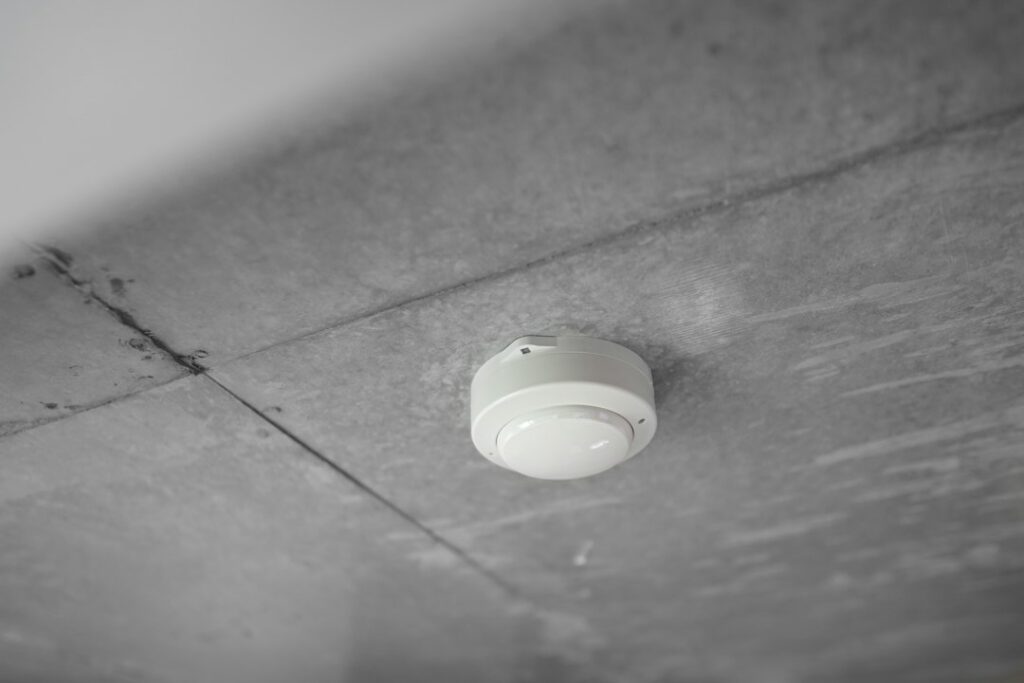
The best hardwired smoke detector is usually the one that plugs into the wiring and interconnect system your house already has. Wired alarms run on 120-volt house power, keep working on a backup battery during outages, and talk to each other through a third wire so that smoke in the basement sets off the alarm outside the bedrooms. That interconnection is their main advantage over battery alarms, and it is also why brand compatibility matters more here than almost any other spec. Below are six picks, each matched to a specific replacement or upgrade job, then a buying guide on backup batteries, sensors, adapters and when to call an electrician.
Part of our Home Inspection Tools guide — start there for the full picture →
As an Amazon Associate we earn from qualifying purchases.
How we compared: we compared 14 current Amazon listings for hardwired smoke alarms on what each listing states: backup battery type, sensor type, standard named, interconnect support and network size, installation adapters, indicators and warranty. The listings cover 7 distinct models across different pack sizes. We did not lab-test or install any of these alarms. Prices and availability change often, so check the current listing before buying.
Quick picks: the best hardwired smoke detectors by use case
| Product | Best for | Key features | Price | Buy |
|---|---|---|---|---|
| Kidde 20SA10 3-pack | Best overall, no backup battery swaps |
| $112.97as of Nov 19, 2026 2:59 am GMT+0000 | Buy now →Check current price |
| First Alert SMI100-AC | Swapping older First Alert or BRK units |
| $19.49as of Nov 19, 2026 2:59 am GMT+0000 | Buy now →Check current price |
| BRK 9120B 6-pack | Large interconnected systems |
| $104.66as of Nov 19, 2026 2:59 am GMT+0000 | Buy now →Check current price |
| SITERWELL GS562A 6-pack | Photoelectric whole-house set |
| $121.42as of Nov 19, 2026 8:05 am GMT+0000 | Buy now →Check current price |
| First Alert SMICO100-AC 3-pack | Hardwired smoke plus CO |
| $146.84as of Nov 19, 2026 8:05 am GMT+0000 | Buy now →Check current price |
| Kidde 20SAR | Kidde networks with AA backup |
| $34.97as of Nov 19, 2026 8:05 am GMT+0000 | Buy now →Check current price |
Prices are Amazon’s listed prices as of the time shown and change often; check Amazon for today’s price. As an Amazon Associate we earn from qualifying purchases.
The six picks, compared listing by listing
1. Kidde 20SA10 (3-Pack) — Best Overall Hardwired Smoke Alarm

120V hardwired smoke alarms with a built-in 10-year backup battery, Kidde interconnect and UL 217 10th Edition named.
Check price on Amazon$112.97 as of Nov 19, 2026 2:59 am GMT+0000 — prices change; see Amazon for current price.Why we like it
- Only listing with a sealed 10-year backup battery
- Names UL 217 10th Edition and FCC
- Interconnects with other Kidde alarms
- No low-battery chirps for the alarm’s life
| Specification | Details |
|---|---|
| Power | 120V AC with built-in 10-year backup battery |
| Sensor | Not stated; described as sensing that helps separate real smoke from cooking and steam |
| Alarm | 85 dB with red LED |
| Certification named | UL 217 10th Edition; FCC |
| Interconnect | With other Kidde alarms |
| Pack / warranty | 3 alarms; 10-year limited from purchase |
Kidde 20SA10 3-pack — 120V AC, sealed 10-yr backup, 85 dB, UL 217 10th Ed. / FCC, Kidde interconnect, 10-yr limited
The Only Hardwired Listing With a Sealed 10-Year Backup
Every hardwired alarm needs a backup battery for outages, and most use a 9V or AA cell that the USFA says should be replaced at least once a year. Of the 14 listings, the 20SA10 is the only one with a built-in 10-year backup battery. That means no yearly ladder trip to swap backups and no chirping alarm in a two-story foyer, which is the most common complaint about wired systems.
It is also one of three listings that name the 10th Edition of UL 217, the version of the residential smoke alarm standard that added cooking nuisance tests. The others are the Kidde 20SAR and a single-pack SITERWELL GS562A. Six of the 14 listings name UL 217 at all.
The key limitation is compatibility. The listing says it interconnects with other Kidde alarms. If the rest of your wired alarms are First Alert, BRK or another brand, mixing them on one interconnect line may not work; the NFPA advises that interconnected alarms all come from the same manufacturer. The listing also does not name the sensor type or mention an adapter for older wiring harnesses.
Pros
- Sealed 10-year backup battery
- Names UL 217 10th Edition
- Three alarms for a typical bedroom wing
- 10-year limited warranty
Cons
- Interconnects only with Kidde alarms
- Sensor type not stated
- Adapter for other harnesses not mentioned
Check Kidde 20SA10 3-pack price on Amazon
2. First Alert SMI100-AC — Best for Replacing Older First Alert or BRK Units

Hardwired alarm with 9V backup, Precision Detection, an initiating-unit indicator and a Quick Connect plug.
Check price on Amazon$19.49 as of Nov 19, 2026 2:59 am GMT+0000 — prices change; see Amazon for current price.Why we like it
- Quick Connect plug avoids rewiring
- Interconnects with compatible First Alert alarms
- Indicator shows which unit started the alarm
- Sensing designed to cut cooking nuisance alarms
| Specification | Details |
|---|---|
| Power | Hardwired with 9V battery backup |
| Sensor | Precision Detection; sensor type not stated |
| Interconnect | With compatible alarms; all sound together |
| Indicators | Alarm indicator identifies the initiating unit |
| Installation | Quick Connect Plug included |
| Pack | 1 alarm (6-pack and 12-pack also listed) |
First Alert SMI100-AC — hardwired + 9V backup, Precision Detection, interconnect, initiating-unit indicator, Quick Connect plug
One of Four Listings With an Adapter for Swapping Without Rewiring
Replacing an old wired alarm usually means opening the box, disconnecting the pigtail and wiring in a new harness. Four listings mention a Quick Connect Plug that lets you skip that step: the three SMI100-AC pack sizes and the SMICO100-AC 3-pack. The single SMI100-AC is the easiest way to replace one aging First Alert or BRK alarm without touching house wiring, provided the existing harness is compatible; check the manual’s compatibility list first.
The latching alarm indicator is a useful detail in an interconnected system. When every alarm in the house is sounding, you want to know which one detected smoke. Only the First Alert listings describe this feature, though the SITERWELL listing describes a similar effect, with only the initiating unit flashing red.
The listing does not name a sensor type or a UL standard, and it uses a replaceable 9V backup, so plan on annual battery changes. For a full system swap, the 6-pack and 12-pack of the same model are on the shelf too.
Pros
- Quick Connect plug simplifies swaps
- Latching indicator finds the initiating alarm
- Available in 1, 6 and 12 packs
Cons
- Sensor type and UL standard not stated
- 9V backup needs yearly replacement
- Compatibility depends on existing harness
Check First Alert SMI100-AC price on Amazon
3. BRK 9120B (6-Pack) — Best for Large Interconnected Systems

Six 120V alarms with 9V backup, tamper-resistant locking pins and interconnect for up to 18 units.
Check price on Amazon$104.66 as of Nov 19, 2026 2:59 am GMT+0000 — prices change; see Amazon for current price.Why we like it
- Interconnects up to 18 units, the most stated
- Network can include CO, heat and relay devices
- Tamper-resistant locking pins
- Side-load battery for easier swaps
| Specification | Details |
|---|---|
| Power | 120V AC with 9V battery backup, included |
| Sensor | Not stated in this listing; the 1-pack listing of the same 9120B model names an ionization sensor |
| Interconnect | Up to 18 units: 12 smoke plus 6 CO, heat or relay |
| Hardware | Open mounting design, side-load battery, tamper-resistant locking pins |
| Alarm / controls | 85 dB; single test/silence button |
| Pack / warranty | 6 alarms; 10-year limited |
BRK 9120B 6-pack — 120V + 9V backup, interconnect up to 18 (12 smoke, 6 CO/heat/relay), locking pins, 85 dB, 10-yr limited
The Largest Stated Interconnect Network on the Shelf
Only two models state how many alarms can share an interconnect line. The SITERWELL and Siterlink GS562A listings say up to 12. The BRK 9120B says up to 18, split into 12 smoke alarms and 6 CO, heat or relay devices. In a large home with a finished basement, an attached garage heat alarm and several bedrooms, that headroom matters.
The 9120B is a long-running contractor model, and the listing’s tamper-resistant locking pins and side-load battery compartment reflect that. Locking pins keep an alarm from being twisted off its base, which is useful in rentals and in kids’ rooms.
The sensor question deserves attention. This 6-pack listing does not state the sensor type, but the single-pack listing for the same 9120B model says it uses an ionization sensor that reliably detects fast flaming fires. That 1-pack is the only listing on the shelf that names ionization, which makes the 9120B a way to add flaming-fire coverage to a wired system. The NFPA and USFA both recommend having both ionization and photoelectric protection, so a home of all 9120B units would be ionization-only.
Pros
- Up to 18 interconnected devices
- Locking pins and side-load battery
- Six alarms for a whole house
- 10-year limited warranty
Cons
- Sensor type not stated in this listing
- Ionization-only system if used alone
- 9V backup needs yearly swaps
Check BRK 9120B 6-pack price on Amazon
4. SITERWELL GS562A (6-Pack) — Best Photoelectric Whole-House Set

Six photoelectric hardwired alarms with 9V backup, interconnect for up to 12 and a 10-hour hush.
Check price on Amazon$121.42 as of Nov 19, 2026 8:05 am GMT+0000 — prices change; see Amazon for current price.Why we like it
- Names a photoelectric sensor
- Interconnects up to 12 alarms
- One test button tests the whole network
- About 10-hour hush for nighttime faults
| Specification | Details |
|---|---|
| Power | Hardwired with 9V DC battery backup |
| Sensor | Photoelectric |
| Interconnect | Up to 12 alarms |
| Indicators | Green LED steady in normal operation; red LED flashes every 40 seconds |
| Hush | Do Not Disturb mode for about 10 hours on low battery or fault |
| Certification / pack | UL 217 listed per title; 6 alarms (listing data shows 5 items, so confirm count) |
SITERWELL GS562A 6-pack — photoelectric, hardwired + 9V, interconnect up to 12, one-button network test, 10-hr hush, UL 217
One of Only Five Hardwired Listings That Name a Photoelectric Sensor
Five of the 14 listings name a photoelectric sensor, and all five are the GS562A sold under the SITERWELL and Siterlink names in different pack sizes. One listing names ionization, and the other eight do not state a sensor. That makes the GS562A the clear choice for a homeowner who wants photoelectric sensing spelled out across a wired system, for example to pair with existing ionization alarms.
The listing describes a single test button that tests every interconnected unit at once, which makes the monthly test the NFPA recommends faster. The Do Not Disturb mode silences low-battery or fault warnings for about 10 hours, giving you until morning to deal with a chirp.
Two cautions. The listing’s product data shows 5 items for what the title calls a 6-pack, so confirm the count when it arrives. And the 10-hour hush is for warnings, not fire alarms; never silence a real alarm without checking for smoke.
Pros
- Photoelectric sensor named
- Up to 12 interconnected units
- Network-wide test from one button
- Long hush for nighttime warnings
Cons
- Pack count inconsistent in listing data
- 9V backup needs yearly swaps
- Will not interconnect with other brands
Check SITERWELL GS562A 6-pack price on Amazon
5. First Alert SMICO100-AC (3-Pack) — Best Hardwired Smoke and CO Combo

Three hardwired smoke and CO combination alarms with battery backup and a Quick Connect plug.
Check price on Amazon$146.84 as of Nov 19, 2026 8:05 am GMT+0000 — prices change; see Amazon for current price.Why we like it
- Smoke and CO in one wired unit
- Quick Connect plug for no-rewire swaps
- Interconnects with compatible First Alert alarms
- Manufacture date printed on the unit
| Specification | Details |
|---|---|
| Detection | Smoke and carbon monoxide |
| Power | Hardwired with battery backup |
| Sensor | Precision Detection; smoke and CO sensor types not stated |
| Interconnect | With compatible alarms; all sound together |
| Installation | Quick Connect Plug included |
| Certification / pack | Not named in listing; 3 alarms (a 6-pack is also listed) |
First Alert SMICO100-AC 3-pack — hardwired smoke + CO, battery backup, Precision Detection, interconnect, Quick Connect plug
The Only Hardwired Smoke and CO Combination on the Shelf
Two listings, the 3-pack and 6-pack of the SMICO100-AC, are hardwired combination alarms. No other hardwired listing here detects carbon monoxide. Replacing the alarm outside the bedrooms with a combo is the simplest way to add wired, interconnected CO protection in a home with a gas furnace, gas water heater or attached garage.
The 3-pack also includes the Quick Connect Plug, so it can replace older compatible First Alert or BRK alarms without new wiring. The listing notes the date shown on the product is the manufacture date, which is the date the USFA uses as the starting point for 10-year replacement.
The listing does not name UL 217 or UL 2034, the smoke and CO alarm standards, and does not state the sensor types or backup battery type. Confirm the labels on the alarm itself. CO sensors may also have a shorter rated life than the smoke side; the CDC says to replace CO detectors following the manufacturer’s instructions or every five years.
Pros
- Hardwired smoke and CO in one unit
- Quick Connect plug
- Manufacture date marked
Cons
- UL 217 and UL 2034 not named
- Sensor and battery types not stated
- CO side may need earlier replacement
Check First Alert SMICO100-AC 3-pack price on Amazon
6. Kidde 20SAR — Best for Kidde Networks on AA Backup

Hardwired 120V smoke alarm with two AA backup batteries, 85 dB alarm, Kidde interconnect and UL 217 10th Edition named.
Check price on Amazon$34.97 as of Nov 19, 2026 8:05 am GMT+0000 — prices change; see Amazon for current price.Why we like it
- Only hardwired listing on AA backup
- Names UL 217 10th Edition
- Works on a Kidde interconnect line
- 10-year limited warranty
| Specification | Details |
|---|---|
| Power | 120V AC with two AA backup batteries, included |
| Sensor | Not stated; sensing described as separating smoke from cooking and steam |
| Alarm | 85 dB with red LED |
| Certification named | UL 217 10th Edition; FCC |
| Interconnect | With other Kidde alarms |
| Pack / warranty | 1 alarm; 10-year limited from purchase |
Kidde 20SAR — 120V AC + 2xAA backup, 85 dB, red LED, UL 217 10th Ed. / FCC, Kidde interconnect, 10-yr limited
The Only Hardwired Listing That Uses AA Backup Batteries
Backup batteries on this shelf fall into three groups: 9V cells on the First Alert, BRK and SITERWELL models, the sealed 10-year battery on the Kidde 20SA10, and two AA cells on this 20SAR. AAs are easier to find in most junk drawers than 9V batteries, and the listing includes them.
The 20SAR shares the 20SA10’s UL 217 10th Edition listing and Kidde interconnect, so it is a natural way to add an alarm to an existing Kidde system, or to fill a spot where you are happy to swap batteries each year. Mixing 20SA10 and 20SAR units on one Kidde line is the kind of same-manufacturer setup the NFPA recommends.
As with its sibling, the sensor type is not named, and the listing does not mention an adapter for non-Kidde harnesses. The AA backup still needs yearly replacement.
Pros
- AA backup batteries included
- Names UL 217 10th Edition
- Kidde interconnect
Cons
- Yearly battery changes
- Sensor type not stated
- Interconnect limited to Kidde
Check Kidde 20SAR price on Amazon
One more model on the shelf, the Siterlink GS562A 8-pack, is the same photoelectric design as pick 4 with a hidden built-in LED that the listing says will not disturb sleep in a child’s room. It names the older UL 217 9th Edition. It is a reasonable alternative for a larger home that wants eight photoelectric alarms.
Hardwired vs battery smoke alarms
Hardwired alarms draw house power, so there is no primary battery to die. Their bigger advantage is interconnection. The NFPA recommends interconnecting all smoke alarms so that when one sounds they all sound, and cites a CPSC survey in which interconnected alarms sounded in 53 percent of fires and alerted occupants in 26 percent, versus 37 percent and 15 percent for non-interconnected alarms on every floor (NFPA: installing and maintaining smoke alarms).
Battery alarms are easier to add, but they only interconnect if they are wireless models. If your house was built or remodeled with wired alarms, keep the wired system and replace like for like. Our hardwired smoke detector guide covers how these systems work, and our guide to interconnected smoke detectors compares wired and wireless interconnects.
Compatibility is the spec that matters most
The interconnect wire carries a signal that each manufacturer implements its own way. The NFPA says that when interconnected alarms are installed, all of them should come from the same manufacturer, because alarms that are not compatible may not sound. In practice:
- Kidde listings say they interconnect with other Kidde alarms.
- First Alert and BRK listings say they interconnect with compatible First Alert and BRK alarms; the SMICO100-AC says most of them.
- SITERWELL and Siterlink GS562A listings describe interconnection among their own units.
Before buying, pull one existing alarm off its base and read the brand and model on the back, then check the new alarm’s manual for compatible models. If the existing harness plug does not match, an adapter, such as First Alert’s Quick Connect plug, or a new harness may be needed. Replacing every alarm on the line at once with one model avoids the guesswork, and since the USFA says alarms should be replaced 10 years from the manufacture date, a full swap is often due anyway.
Backup batteries
The USFA’s guidance for hardwired alarms is to test monthly, replace the backup battery at least once a year and replace the whole alarm every 10 years (USFA smoke alarms). The one exception on this shelf is the Kidde 20SA10, whose sealed 10-year backup removes the yearly swap. The NFPA adds that replacement batteries should match the manufacturer’s list on the back of the alarm, since an alarm may not work properly with a different battery.
A wired alarm chirping once a minute is almost always asking for a new backup battery. Our guide to smoke detector chirping explains the patterns, including the end-of-life signals some models use.
Sensor types
The NFPA says ionization alarms are generally more responsive to flaming fires and photoelectric alarms to smoldering fires, and recommends both types or dual-sensor alarms. The USFA gives the same advice. On this shelf, five listings name photoelectric and one names ionization; most do not state a sensor at all. A practical approach in a wired house is to use photoelectric alarms near kitchens and bathrooms, where they tend to produce fewer nuisance alarms, and to include ionization or dual-sensor protection elsewhere, all from one manufacturer. Our ionization vs photoelectric guide goes deeper.
Installation and safety
The USFA says only qualified electricians should install hardwired smoke alarms. A like-for-like swap with a plug-in harness is simpler than a new circuit, but it still means working on a 120-volt box overhead. Turn off the breaker, confirm the power is off with a tester, and if the old alarm has no plug-in harness, or if you are adding alarms that require new wiring, hire an electrician. New alarms in additions or major remodels usually require a permit.
Placement follows the same NFPA rules as battery alarms: inside each bedroom, outside each sleeping area, on every level including the basement, at least 10 feet from cooking appliances, and high on walls or ceilings. Our smoke detector placement guide covers pitched ceilings and stairwells.
Combination alarms and CO
A hardwired combo puts smoke and CO protection on the same interconnect line, so a CO event in the basement wakes the bedrooms. The CDC lists furnaces, gas water heaters, generators and attached-garage exhaust among CO sources and says to replace CO detectors per the manufacturer or every five years (CDC carbon monoxide basics). For whether a combo or separate units make more sense, see our guide on carbon monoxide detectors vs smoke detectors.
Front Range notes and when to call a professional
Many Front Range homes built from the 1980s onward have wired, interconnected alarms that are now well past their 10-year life. Inspectors routinely find yellowed alarms with manufacture dates from the 1990s or early 2000s, mixed brands on one interconnect line, and finished basements with no alarm in the bedroom. Colorado also has CO alarm requirements tied to home sales and certain permitted work, so check current rules with the local building department before a sale.
If alarms sound together randomly, the system will not test as a group, or the wiring at a box looks scorched or loose, call an electrician. If you are buying a home, a home inspection will note alarm ages, coverage and obvious wiring issues. See our home inspection tools guide for the equipment involved, and contact us to connect with a vetted Front Range inspector.
Frequently asked questions
Can I replace a hardwired smoke detector with a different brand?
Often yes, but interconnection may not work across brands, and the old harness plug may not fit. The NFPA advises that interconnected alarms come from the same manufacturer. Replacing every alarm on the line with one model, or using a compatible adapter, avoids problems.
Do hardwired smoke detectors need batteries?
Yes, for backup during power outages. Most use a 9V or AA backup that the USFA says to replace at least once a year. Some models have a sealed 10-year backup battery that lasts the life of the alarm.
How long do hardwired smoke detectors last?
The USFA says to replace hardwired smoke alarms every 10 years, counted from the manufacture date printed on the back. Test them monthly. Alarms with no visible date or yellowed housings are usually due for replacement.
Do I need an electrician to install a hardwired smoke detector?
The USFA says only qualified electricians should install hardwired smoke alarms. A like-for-like swap with a plug-in harness is simpler, but new wiring, new circuits or added alarms in a remodel call for an electrician and usually a permit.
Why do all my hardwired smoke detectors go off at once?
That is interconnection working: when one alarm detects smoke, the others sound too. If they sound with no smoke, one alarm may be failing, dusty or near steam. A latching indicator, offered on some models, shows which unit started the alarm.
Can I replace a hardwired smoke detector with a battery-only one?
Replacing a hardwired smoke detector with a battery-only unit is generally not allowed where code requires hardwired alarms, and it breaks interconnection with other alarms in the home. Use a compatible hardwired replacement instead. Sealed 10-year battery alarms are a good option only in locations that never had hardwiring.
What should I do if a hardwired smoke detector goes off for no reason?
A hardwired smoke detector that sounds with no smoke is often reacting to dust, insects, steam, cooking fumes or an aging sensor. Check for an actual fire first. Then clean the alarm with compressed air, move it away from kitchens and bathrooms if possible, and replace units older than 10 years.
Can a home inspector test hardwired smoke detectors?
A home inspector typically tests smoke detectors with the test button and reports missing, damaged or expired units, but the test does not confirm smoke sensitivity or interconnection in every case. Buyers should check manufacture dates on each alarm and replace any older than 10 years after moving in.
More Questions About Hardwired Smoke Detectors
Where should hardwired smoke detectors be installed?
Hardwired smoke detectors should be installed inside each bedroom, outside each sleeping area, and on every level of the home, including the basement, under widely used fire safety guidance. Mount them on the ceiling or high on a wall, following the manufacturer’s spacing from corners and peaks.
Keep alarms about 10 feet from cooking appliances to reduce nuisance alarms, and away from bathrooms, ceiling fans and supply vents that can push smoke away. Local building codes set the exact requirements, especially when remodeling or adding bedrooms.
How much does it cost to install hardwired smoke detectors?
Replacing existing hardwired smoke detectors typically costs about $20 to $60 per unit for the alarm, plus electrician labor if not done DIY, according to industry estimates. Swaps are fast when the new alarm uses a compatible adapter plug.
Adding new hardwired alarms where no wiring exists costs considerably more, often a few hundred dollars per location, because cable must be run between alarms and to a power source. Wireless-interconnect alarms are a cheaper retrofit option in finished homes where running new wire is difficult.
Do hardwired smoke detectors need to be interconnected?
Hardwired smoke detectors in new construction and many renovations are required by code to be interconnected, so that when one alarm sounds, all of them sound. Interconnection gives occupants on other floors and behind closed bedroom doors earlier warning.
Interconnected alarms generally need to be compatible models from the same brand family, using the interconnect wire or a wireless link. Mixing incompatible brands can break the interconnection without any warning. Test the system by pressing the test button on one alarm and confirming every unit sounds.
How do you stop a hardwired smoke detector from chirping?
A hardwired smoke detector that chirps every 30 to 60 seconds usually has a low backup battery, and replacing the battery typically stops it. After replacement, press and hold the test or reset button to clear the warning, and some models need a short wait.
If chirping continues, the alarm may be reaching end of life, which many models signal with a different chirp pattern, or dust may be in the sensing chamber. Find which unit is chirping, since interconnected alarms only alarm together, not chirp together. Replace any alarm older than 10 years.
References
- Installing and Maintaining Smoke Alarms — National Fire Protection Association
- Smoke Alarms — U.S. Fire Administration
- Carbon Monoxide Poisoning Basics — Centers for Disease Control and Prevention