Home Gas Detector: What Homeowners Need to Know
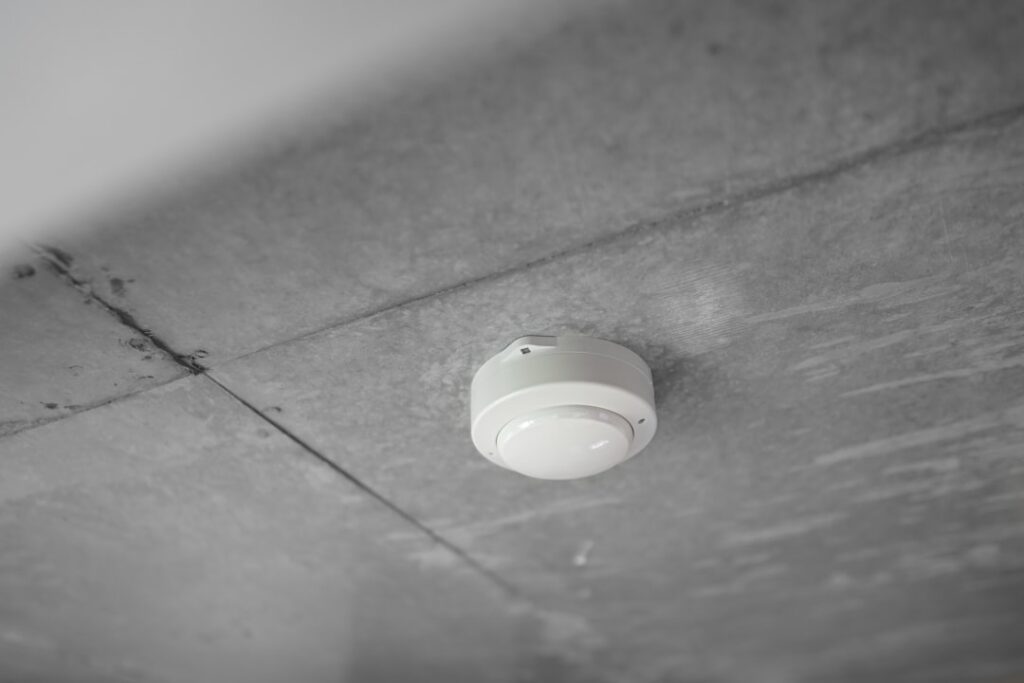
Gas leaks rarely announce themselves clearly, and the human nose is an unreliable safeguard, since odor fatigue and the lack of any natural smell in carbon monoxide leave dangerous gaps. A home gas detector closes those gaps by continuously monitoring the air and alarming before a hazard reaches a dangerous level. Choosing the right one means understanding which gas you are guarding against, because no single device covers every threat. This guide explains the main types of home gas detectors, how they work, where to place them, and what features matter, drawing on safety standards and consumer guidance rather than hands-on testing.
What a Home Gas Detector Does
A home gas detector is a device that senses a specific gas in the air and triggers an audible, and often visual, alarm when the concentration exceeds a set threshold. The key point many homeowners miss is that “gas detector” is a category, not a single product. Different gases require different sensors, and a device built to detect one will not necessarily detect another. The three hazards most relevant to homes are carbon monoxide, combustible fuel gases such as natural gas and propane, and, less commonly, other gases tied to specific equipment.
Carbon monoxide, or CO, is a colorless, odorless gas produced by incomplete combustion in furnaces, water heaters, stoves, fireplaces, and attached garages. It is dangerous because it is undetectable by the senses and interferes with the body’s ability to carry oxygen. Natural gas and propane are the fuels piped or tanked into homes for heating and cooking; they are explosive in the right concentration and, while utilities add an odorant for warning, a detector provides a continuous backstop. Understanding which of these you need to monitor is the first decision.
Types of Home Gas Detectors
Matching the detector to the hazard is the heart of choosing well.
Carbon Monoxide Detectors
CO alarms are the most widely owned home gas detector and, in many jurisdictions, required by code in dwellings with fuel-burning appliances or attached garages. They use electrochemical or other sensors to measure CO over time and sound an alarm at concentrations and exposure durations defined by safety standards. Building codes and standards developed by groups like the National Fire Protection Association address where CO alarms must be installed, and many homeowners pair them with smoke alarms.
Natural Gas and Propane (Combustible Gas) Detectors
These detect methane, the main component of natural gas, or propane, alarming when a flammable gas reaches a fraction of its lower explosive limit. Because natural gas is lighter than air and propane is heavier, placement differs between the two, which we cover below. Homeowners weighing options can review our guides on a methane gas detector and a propane gas leak detector for the fuel-specific details.
Combination and Multi-Gas Units
Some devices combine CO detection with combustible-gas detection, or pair gas sensing with smoke detection, in a single unit. Combination detectors simplify coverage but make it important to confirm exactly which gases the model senses, since marketing language can blur the distinction. A unit labeled broadly as a gas detector may only cover one hazard.
How Gas Sensors Work
Different sensing technologies underlie home gas detectors, and knowing the basics helps interpret a product’s specifications. Electrochemical sensors, common in CO alarms, react chemically with the target gas to produce a measurable signal proportional to concentration. Catalytic and semiconductor sensors are often used for combustible gases, detecting changes when the gas contacts a heated element or a metal-oxide surface. Each technology has a typical lifespan, and sensors degrade over time, which is why detectors carry expiration dates.
That finite lifespan is a practical point homeowners overlook. A CO or gas alarm does not last forever; the sensor element ages whether or not it ever encounters gas. Most units are rated for a service life printed on the device, after which the whole unit should be replaced rather than just the battery. Treating a gas detector as a permanent fixture is a mistake, since an expired sensor may fail to alarm when it matters most.
Where to Place Home Gas Detectors
Placement determines whether a detector works as intended, and it depends on the gas. For carbon monoxide, guidance from fire-safety organizations and manufacturers generally calls for an alarm on each level of the home and near sleeping areas, so a sleeping household is warned. CO mixes throughout a room, so it is not strictly height-dependent, though following the manufacturer’s mounting instructions is essential.
For combustible gas, density drives placement. Natural gas is lighter than air and rises, so a methane detector is mounted high on a wall or near the ceiling, close to potential sources like a furnace or range. Propane is heavier than air and sinks, so a propane detector is mounted low, near the floor, where escaping gas would pool. Installing a detector at the wrong height for its target gas can render it nearly useless. Keep detectors away from spots that cause false readings or sensor stress, such as directly above a stove, beside a bathroom that produces steam, or in dead-air corners, and follow the spacing the manufacturer specifies. Our guide on a gas detector alarm covers alarm behavior and response in more depth.
Understanding Alarm Thresholds and Readings
A common point of confusion is why a gas detector does not alarm the instant it senses any trace of a gas. Detectors are deliberately calibrated to alarm based on both concentration and, for carbon monoxide, duration of exposure, reflecting the way these gases actually affect people and structures. A CO alarm, for instance, responds faster to a high concentration and more slowly to a low one, mirroring how the body accumulates exposure over time; this prevents nuisance alarms from the brief, harmless spikes that occur near a gas stove or an idling vehicle while still catching genuinely dangerous levels. Combustible-gas detectors typically alarm at a fraction of the lower explosive limit, well below the point where the gas could ignite, building in a safety margin.
Detectors with a digital display add useful context by showing the current reading, which helps a homeowner distinguish a transient bump from a sustained climb. A number that appears briefly and falls back to zero after opening a window behaves very differently from one that holds steady or rises, and seeing that pattern can inform how urgently to respond. Even so, the alarm itself is the safety device; the display is an aid to understanding, not a reason to second-guess an alarm that is sounding.
Common Placement and Usage Mistakes
Several recurring errors undermine otherwise good detectors. Mounting a combustible-gas unit at the wrong height for its target gas, low for natural gas or high for propane, defeats the device, since the gas collects where the sensor is not. Installing any detector directly above a stove, beside a steamy shower, near a drafty window, or in a stagnant corner exposes it to conditions that cause false readings or premature sensor wear. Treating a unit as permanent and never checking its age is another frequent mistake, leaving a household relying on an expired sensor that may no longer respond.
Equally common is assuming a single device covers everything. A home with natural gas heat, an attached garage, and a gas range needs to think through each hazard, CO from combustion, methane from the supply, and the placement each requires, rather than trusting one alarm to handle all of them. Mapping the home’s specific fuel sources and matching detectors to each one, at the correct height and on the appropriate level, is what turns a collection of devices into actual coverage.
Features and Standards to Look For
Beyond the gas it detects, several features distinguish a dependable unit. Look for products tested and listed to recognized safety standards; certification marks indicate the device met independent testing for its category. A clear, loud alarm and, ideally, a digital display showing the current concentration help homeowners understand whether a reading is a brief spike or a sustained hazard.
Power source matters. Battery-only units keep working during outages but require battery monitoring; hardwired units with battery backup combine reliability with outage protection; plug-in models are convenient but lose power in an outage unless they have a backup. Some modern detectors add smart-home connectivity that sends alerts to a phone, useful for second homes or for households away during the day. An end-of-life warning that signals when the sensor has expired is valuable, as is an easy test button. The pillar overview in our home inspection tools buyer’s guide places gas detection alongside other safety monitoring devices homeowners consider.
Power Source and Connectivity in Depth
How a detector is powered shapes both its reliability and its upkeep, and the right choice depends on the home. Battery-only units install anywhere and keep working through a power outage, which is valuable since some hazards, like a generator running during an outage, coincide with lost power; their tradeoff is the discipline of monitoring and replacing batteries before they die. Hardwired units with battery backup combine continuous power with outage protection and can be interconnected so that one alarm triggers all of them, a meaningful safety benefit in a larger home where a basement alarm might otherwise go unheard upstairs. Plug-in models are simple but lose protection in an outage unless they include a backup battery, so confirming that feature matters.
Smart, connected detectors add remote alerts to a phone, which is genuinely useful for a second home, a rental, or a household frequently away during the day, since a sounding alarm in an empty house otherwise warns no one. These features supplement rather than replace the basics: the device must still detect the right gas, sit at the correct height, and be within its service life. Connectivity that notifies a phone is only as good as the sensor behind it, so the fundamentals of gas type, placement, and replacement schedule remain the foundation of any choice.
Maintenance and Limitations
A home gas detector is only as good as its upkeep. Test alarms regularly using the test button, replace batteries on schedule or when the low-battery chirp sounds, and replace the entire unit at its end-of-life date. Keep the sensor openings free of dust and do not paint over a detector. Vacuum around it occasionally per the manufacturer’s instructions.
Detectors have real limits worth respecting. A CO alarm does not detect natural gas or propane, and a combustible-gas detector does not detect CO; covering multiple hazards requires either combination units or multiple devices. No detector substitutes for safe appliance maintenance, proper ventilation, and professional servicing of fuel-burning equipment. If any gas alarm sounds, treat it as a genuine emergency: get everyone out, avoid switching electrical devices on or off, and contact the gas utility or emergency services from outside the home rather than investigating yourself. Used correctly and maintained on schedule, a home gas detector is an inexpensive, reliable layer of protection against hazards the senses cannot be trusted to catch.
It also helps to distinguish the different signals a detector can give, since not every chirp is an emergency. A short, intermittent chirp every minute or so usually means a low battery or, on an older unit, the end-of-life warning that the sensor has expired; the manual decodes the specific pattern. A continuous, loud alarm is the genuine gas warning that demands immediate evacuation. Confusing the two leads some homeowners to ignore a real alarm or to disable a chirping unit and forget to replace it, leaving the home unprotected. Keeping each detector’s manual, noting its installation and expiration dates, and learning its particular alarm and trouble patterns turns the device from a mystery on the ceiling into a tool the household actually understands and can act on correctly.
References
- Carbon Monoxide Poisoning Prevention — Centers for Disease Control and Prevention
- Carbon Monoxide Safety — National Fire Protection Association
- Carbon Monoxide Alarms — Federal Trade Commission Consumer Advice
CO & gas detectors
A carbon monoxide alarm is the cheapest life-safety device in the house. Combination CO + explosive-gas units add a layer near furnaces and gas lines.
| Product | Why | Buy |
|---|---|---|
 First Alert CO Alarm First Alert CO Alarm | Plug-in with battery backup. | Amazon — $23.99 |
 Kidde Nighthawk CO + Gas Kidde Nighthawk CO + Gas | Detects CO + natural/propane gas. | Amazon — $57.47 |