HVAC Plenums: Supply and Return Boxes, Leaks, and Sealing
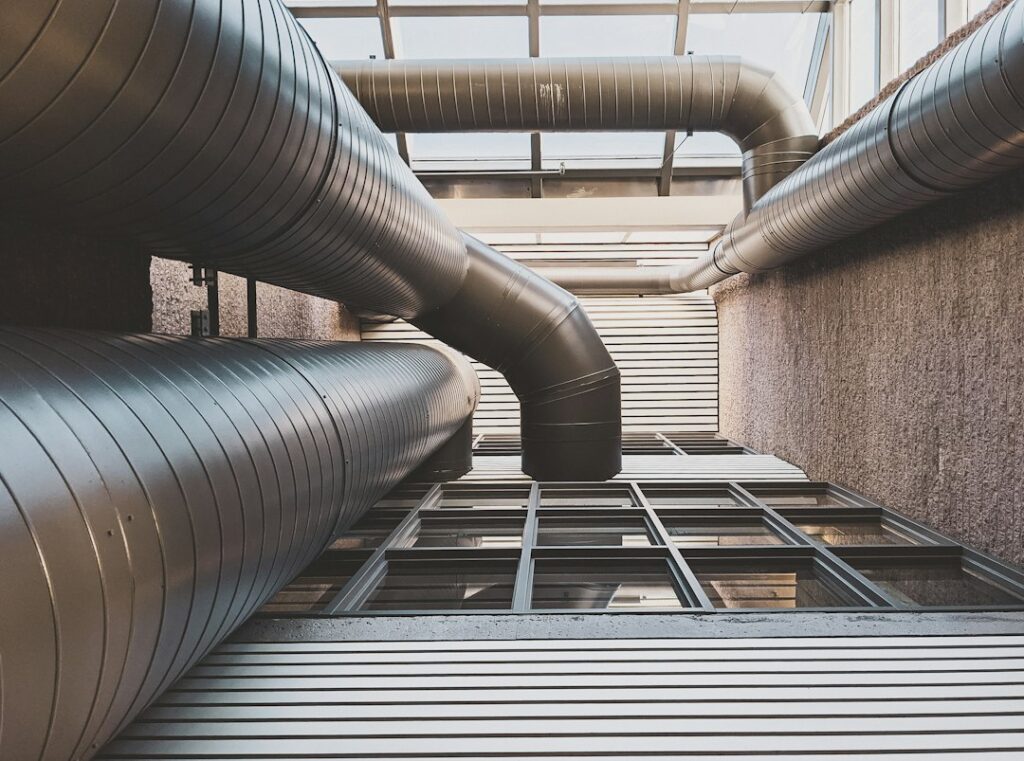
Walk into the mechanical room of a typical Front Range home and the furnace is easy to spot. What sits directly above and beside it gets less attention: a pair of sheet metal boxes that connect the equipment to the rest of the ductwork. Those boxes are the plenums, and they handle every cubic foot of air the system moves. A leak in a single branch duct affects one room. A leak in a plenum affects the whole house. Because plenums sit right next to the blower, the filter and the cooling coil, they are also where dust, moisture and mold problems tend to concentrate. This guide explains what supply and return plenums are, where the filter belongs, the defects inspectors and HVAC technicians commonly find, how plenums are sealed and cleaned and what typical repairs cost.
Part of our Heating, Cooling & Ventilation guide — start there for the full picture →
What an HVAC Plenum Is
In residential forced-air systems, a plenum is an air distribution box attached directly to the air handler or furnace cabinet. There are two:
- The supply plenum connects to the outlet side of the furnace or air handler. Heated or cooled air leaves the equipment, enters the supply plenum and is then distributed into the main trunk lines and branch ducts that feed the registers.
- The return plenum connects to the inlet side. Air pulled back from the house through return grilles and return ducts collects in the return plenum before entering the blower compartment.
The term also has a separate meaning in commercial building codes, where a plenum can be the open space above a drop ceiling used as an air path. In a house, homeowners and contractors almost always mean the sheet metal boxes on the equipment. That residential meaning is the focus here.
Where the plenums sit in common configurations
Plenum location depends on which way air flows through the equipment:
- Upflow furnaces, the most common configuration in Colorado basements, pull return air in at the bottom or side and push supply air out the top. The supply plenum sits on top of the furnace, usually with the cooling coil sandwiched between the two.
- Downflow furnaces push air down into a supply plenum below the unit, often into ductwork under a slab or in a crawl space. The return plenum is on top.
- Horizontal units in attics or crawl spaces have plenums on each end.
In homes with central air conditioning, the evaporator coil is usually housed in a cased box between the furnace and the supply plenum. That placement puts a cold, wet component right at the start of the supply side, which matters for the moisture issues discussed below. Our guide to the evaporator coil explains how that part works and why it needs periodic cleaning.
The return plenum and filter location
The filter belongs on the return side, before air reaches the blower. In many homes it slides into a slot in the return plenum or in a filter rack between the return plenum and the furnace cabinet. Other homes use filter grilles at the return registers in the living space, or a thicker media cabinet attached to the return. Wherever it sits, the filter protects the blower and coil from dust, and ENERGY STAR recommends inspecting, cleaning or changing filters monthly, noting that a dirty filter can raise energy costs and damage equipment. Our guides to furnace filter replacement and MERV ratings cover how often to change filters and how to choose one that does not choke airflow.
A missing filter, a filter slot without a cover, or a filter that does not fit the slot all let unfiltered air bypass into the system. That dust ends up on the blower wheel and the coil, and from there it can affect airflow and efficiency.
Common Plenum Problems
Plenums are usually fabricated from sheet metal, sometimes on site, and their seams and connections are where trouble starts.
Leaks at seams and connections
A plenum has seams along its corners, a connection to the furnace or coil cabinet and openings where trunk lines and takeoffs attach. Each joint is a potential leak. On the supply side, which is under positive pressure, leaks blow conditioned air into the mechanical room, basement or attic. On the return side, which is under suction, leaks pull in air from wherever the plenum sits. A return plenum leaking in a basement mostly recirculates basement air. A return leaking in an attic, a crawl space or a garage pulls in unconditioned air, dust, insulation fibers or, in the worst case, garage pollutants. ENERGY STAR estimates that in a typical house about 20 to 30 percent of the air moving through the duct system is lost to leaks, holes and poorly connected ducts, and the plenum connections are among the places to check first.
Signs of plenum leaks include dust streaks at seams, whistling near the furnace, visible gaps where the plenum meets the cabinet and a mechanical room that is noticeably warmer or cooler than the rest of the basement.
Panned joist returns
Many homes, especially older tract homes, use building cavities as part of the return air path. The most common version is a panned joist return: a piece of sheet metal nailed across the bottom of two floor joists, turning the space between them into a duct. These are inexpensive to build, but they tend to leak because the framing, subfloor and pan edges are rarely sealed airtight. They can also draw air from wall cavities and other connected spaces. Building codes have placed limits on using framing cavities for air distribution, and current practice in many jurisdictions favors sealed ducts, so a panned return that was acceptable when the house was built may not reflect current recommendations. Sealing panned returns can be difficult because access is limited, and replacing them with real ductwork is sometimes the more reliable solution.
Dirty returns and undersized returns
A return plenum that is lined with dust, pet hair or construction debris suggests the filter has been missing, poorly fitted or bypassed at some point. Undersized returns are a separate issue. When the return plenum, return ducts or return grilles are too small, the blower struggles to pull enough air, which can raise noise, reduce airflow and stress the blower. Our return air vent guide covers how returns should be sized and placed in the living space.
Mold in plenums near the coil
The evaporator coil pulls moisture out of the air in cooling season, and that water should drain through the coil’s condensate pan and drain line. When the pan overflows, the drain clogs, the coil is dirty or insulation inside the plenum stays damp, the supply plenum just above or beside the coil can develop microbial growth. Internally insulated plenums, sometimes called duct board or lined plenums, are particularly vulnerable because the insulation holds moisture.
The EPA advises that if insulated air ducts get wet or moldy, the insulation cannot be effectively cleaned and should be removed and replaced. EPA also emphasizes that the conditions causing mold growth must be corrected first, or the growth will return. It notes that although a substance may look like mold, a positive determination requires an expert and may require laboratory analysis. Our guide to mold in ductwork explains how suspected growth is evaluated and remediated.
ENERGY STAR’s maintenance checklist includes checking the condensate drain on central air conditioners, furnaces and heat pumps in cooling mode, noting that a plugged drain can cause water damage in the house and affect indoor humidity. That same check protects the plenum.
Rust, damage and poor transitions
Other plenum findings include rust from long-term condensation, dents or crushed sections that restrict airflow, abrupt transitions where a large plenum connects to a small trunk, takeoffs installed too close to the top of the plenum and old asbestos-containing wrap or tape on plenums in homes built before the 1980s. Suspected asbestos materials should be left undisturbed until tested by an accredited lab.
Sealing, Cleaning and Related Repairs
Most plenum problems are fixed by sealing, cleaning or replacing the plenum. The right approach depends on the condition of the metal and the cause of the problem.
Sealing plenum seams
ENERGY STAR recommends sealing duct leaks with mastic sealant or metal tape and says never to use ordinary duct tape because it does not last. On plenums, contractors typically brush mastic over seams and corners, seal the connection between the plenum and the equipment cabinet, and seal every takeoff collar where trunk and branch ducts attach. Openings in the plenum from old equipment or abandoned ducts should be capped with sheet metal and sealed. Our duct sealing guide covers the materials and how contractors test leakage before and after.
One caution: access panels on the furnace and coil cabinet must remain removable for service. Sealing a service panel shut with mastic makes future maintenance harder.
Cleaning plenums and ducts
The EPA’s position on duct cleaning is measured. It says duct cleaning has never been shown to actually prevent health problems, and it does not recommend routine cleaning, only cleaning as needed. EPA lists circumstances in which cleaning should be considered: substantial visible mold growth inside hard-surface ducts or on other components, vermin infestation, or ducts clogged with excessive dust and debris, or particles released from supply registers. EPA also notes that some research suggests cleaning system components such as cooling coils, fans and heat exchangers may improve efficiency, while little evidence exists that cleaning only the ducts improves efficiency. That is a useful distinction for plenums, because the plenum and coil sit right next to the blower. Our air duct cleaning guide covers how to choose a service provider and what a thorough job looks like.
The blower connection
The blower sits between the return and supply plenums and moves all of the air. Restrictions in either plenum, such as a dirty filter, an undersized return, a crushed takeoff or a blocked coil, make the blower work harder. ENERGY STAR’s checklist includes cleaning and adjusting blower components for proper airflow, and says airflow problems can reduce a system’s efficiency by up to 15 percent. If the blower is noisy, cycling oddly or failing, our furnace blower motor guide explains common symptoms and repairs.
When to replace a plenum
Replacement often makes more sense than repair when the plenum is heavily rusted, internally insulated and contaminated, badly sized for new equipment or physically damaged. Plenums are commonly replaced when a furnace or air conditioner is replaced, because new equipment may have different cabinet dimensions. A replacement is also an opportunity to add a proper filter rack, seal all seams and correct poor transitions.
Plenum Considerations in Front Range Homes
Colorado’s housing stock creates a few specific patterns:
- Basement mechanical rooms. Most Front Range homes put the furnace in the basement with an upflow configuration, so the supply plenum and coil sit just below the floor joists. Plenum leaks here mainly lose air into the basement, which partly stays within the conditioned envelope, but they still reduce delivery to upper floors.
- Finished basements. When basements are finished after construction, plenums and trunk lines are often boxed into soffits, making them hard to inspect and seal later. Sealing before drywall goes up is much easier.
- Attic air handlers. Some homes, particularly additions and homes without basements, have air handlers in the attic. Plenums there face extreme temperature swings, and supply leaks dump conditioned air into an unconditioned space, while return leaks pull in hot or cold attic air along with dust and insulation fibers. Sealing attic plenums is usually one of the more valuable duct improvements in these homes.
- Dry climate. Colorado’s generally low humidity helps limit plenum mold compared with humid regions, but problems still occur where condensate drains clog, pans overflow or the coil is oversized and short-cycles.
- Older homes. Homes built from the 1950s through the 1970s may have panned returns, old duct wraps and plenums that have been modified several times during equipment changes.
What Plenum Repairs Cost
Costs vary with the plenum’s size, access, materials and whether other work is happening at the same time. These rough 2026 ranges for the Front Range are meant as orientation only:
- Sealing plenum seams and connections: often a few hundred dollars when access is good, and sometimes included in a broader duct sealing job.
- Fabricating and installing a new supply or return plenum: commonly several hundred dollars to over a thousand, depending on size, transitions and labor.
- Adding or upgrading a filter rack or media cabinet: frequently a few hundred dollars installed.
- Replacing panned joist returns with sealed ductwork: varies widely; finished ceilings can push the cost much higher.
- Mold remediation on a contaminated plenum: highly variable, and usually includes correcting the moisture source first.
When equipment is being replaced, ask whether the quote includes new plenums, sealing and a proper filter location. Get written quotes that state what is included, and confirm whether a permit is required for the work in your jurisdiction.
What a home inspector checks
The ASHI Standard of Practice directs inspectors to open readily openable access panels and to inspect installed heating and cooling equipment and the distribution systems. In practice, an inspector looks at visible plenums for leaks, rust, damage, missing filters, signs of condensate overflow and suspected microbial growth, and notes when the coil cabinet or plenum shows water staining. The standard does not require inspectors to inspect heat exchangers or to determine distribution balance, and plenums hidden behind finished walls cannot be evaluated. Findings typically lead to a recommendation for a qualified HVAC contractor. Our heating and cooling inspection section covers the rest of the system, and the main home inspector hiring guide explains how to choose an inspector.
References
- Duct Sealing — ENERGY STAR
- Maintenance Checklist — ENERGY STAR
- Should You Have the Air Ducts in Your Home Cleaned? — U.S. Environmental Protection Agency
- ASHI Standard of Practice for Home Inspections — American Society of Home Inspectors
Frequently asked questions
What is a plenum in HVAC?
In a house, a plenum is the sheet metal box attached directly to the furnace or air handler. The supply plenum distributes conditioned air to the trunk lines, and the return plenum collects air coming back from the house before it reaches the blower.
Where should the furnace filter go?
On the return side, before air reaches the blower. It may slide into the return plenum or a filter rack beside the furnace, or sit behind return grilles in the living space.
Can mold grow in a plenum?
Yes, especially in the supply plenum near the cooling coil if the condensate drain clogs or the pan overflows. EPA advises that wet or moldy duct insulation cannot be effectively cleaned and should be replaced, after fixing the moisture source.
How are plenum leaks sealed?
ENERGY STAR recommends mastic sealant or metal tape, not ordinary duct tape. Contractors seal seams, the connection to the equipment and every takeoff, while leaving service panels removable.
How much does a new plenum cost?
Fabricating and installing a new plenum commonly runs several hundred dollars to over a thousand, while sealing an existing one is often a few hundred. These are rough 2026 ranges; get written quotes.
Buying a home with an older furnace and a patched-together plenum? Get in touch and we will connect you with a Front Range inspector who looks at the furnace, coil and plenums as part of the HVAC review.