Asbestos in HVAC Ductwork: Identification, Testing, and Removal in Pre-1990 Homes
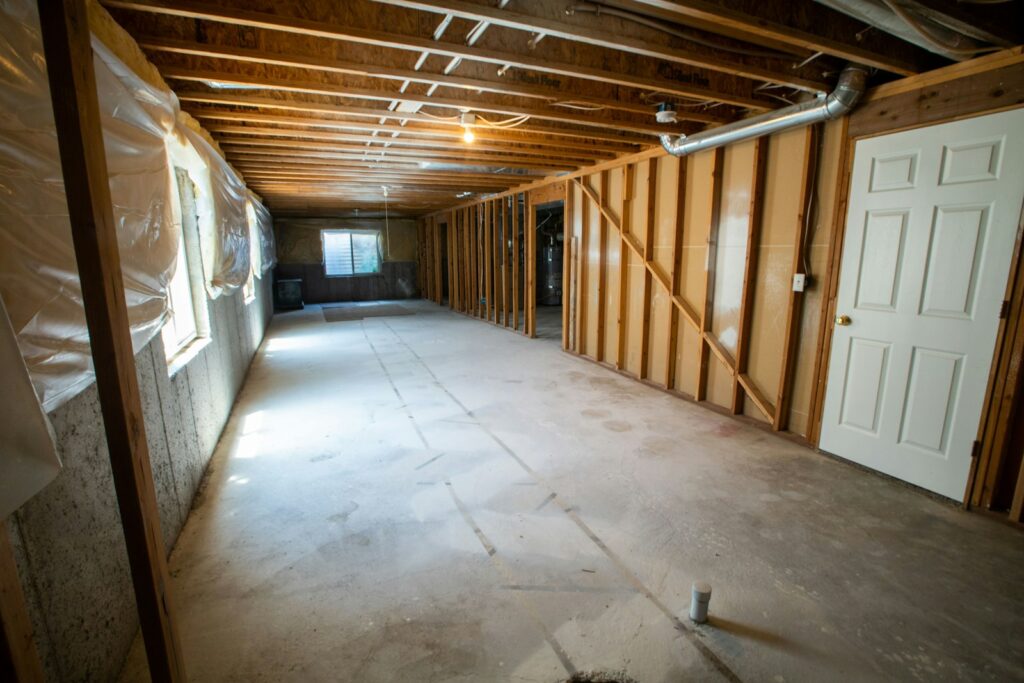
Asbestos in HVAC ductwork is one of the more underestimated residential asbestos exposures. Pre-1990 systems commonly contain asbestos in duct insulation, equipment-specific components, and gaskets – some of which is invisible during normal home use but exposed during HVAC service, equipment replacement, or system renovation. The HVAC industry has well-established protocols for identifying and addressing asbestos discovered during service, but homeowners and DIYers often do not know to look for it. This guide walks through identification, testing, and remediation of HVAC asbestos.
Part of our Asbestos in the Home guide — start there for the full picture →
InspectandTest is an independent editorial team. We are not licensed asbestos abatement contractors or HVAC professionals. This guide synthesizes EPA, OSHA, and HVAC industry training documentation.
Is this mold, asbestos, or water damage? Get a free instant screen
Upload a clear photo of the suspect area. You'll get an instant AI screening opinion and what to do next. This is screening guidance, not a professional determination.
Screening guidance only. AI can be wrong. Confirm asbestos, mold type, or lead with lab testing or a licensed professional before acting.
Where asbestos lives in HVAC systems
Pre-1990 HVAC systems can contain asbestos in several specific locations:
Duct insulation wrapping. Round metal ductwork in pre-1980 homes was often insulated with white or gray paper-like wrapping (Air-Cell-style) that frequently contained asbestos. Modern fiberglass and foam insulation looks visually different.
Duct joint and elbow insulation. Pre-formed sectional insulation at duct joints, elbows, and tees. Often white plaster-like material molded to fit around irregular shapes.
Equipment access door gaskets. Pre-1990 furnaces and boilers commonly used asbestos-containing gaskets at access doors, heat exchanger compartments, and combustion chambers. These are exposed during routine service.
Heat exchanger compartment insulation. Pre-1990 furnaces sometimes have asbestos-containing block insulation inside the heat exchanger compartment to insulate against high temperatures.
Equipment cement and sealant. Pre-1990 systems sometimes used asbestos-containing fiber additives in equipment cement and high-temperature sealants.
Boiler and furnace insulation jackets. Older boilers and gravity furnaces had asbestos jacket material wrapped around the equipment exterior.
Identifying asbestos in your HVAC system
Visual identification clues:
- White or gray paper-like wrapping on round metal ducts in pre-1990 systems
- Pre-formed sectional insulation at duct joints (rather than wrapped fiberglass)
- White plaster-like material on equipment access doors or compartments
- Pre-1990 furnace or boiler equipment that has not been replaced
- “Transite” pipe used as exhaust flue from older equipment
The reliable identification path:
- Note the age of the HVAC equipment (nameplate date)
- Equipment installed before 1990: presume asbestos in components until tested
- Equipment installed 1990-2000: possible asbestos in some components, especially imported parts
- Equipment installed after 2000: very unlikely to contain asbestos
If you have pre-1990 equipment, schedule asbestos testing before any HVAC service that would access the equipment internals. Cost: $250 to $500 for licensed inspector to evaluate the system and collect samples. Results in 1-2 weeks.
The HVAC contractor handling protocol
Most reputable HVAC contractors will not service systems with confirmed or suspected asbestos until it is addressed. The standard protocol:
- HVAC technician arrives, opens equipment for service
- Technician identifies suspected asbestos materials
- Work stops; the area is cleared
- Asbestos abatement contractor is engaged to remove the asbestos under controlled conditions
- Air clearance testing confirms remediation success
- HVAC technician returns to complete the original service work
This protocol adds time (typically 1-3 weeks of delay) and cost (the abatement adds $1,500 to $5,000 depending on scope) but is the correct sequence. Trying to skip it – “just be careful” – typically results in equipment area contamination that is far more expensive to address afterward than the proper abatement up front.
Cost of HVAC asbestos abatement
| Component | Typical cost |
|---|---|
| Pre-abatement assessment by licensed inspector | $250 to $500 |
| Containment setup (negative pressure, plastic, HEPA) | $300 to $800 |
| Duct insulation removal (per linear foot) | $15 to $30 |
| Equipment-specific component removal | $1,000 to $3,000 |
| Disposal at permitted facility | $200 to $500 |
| Post-abatement air clearance testing | $300 to $600 |
| Re-insulation with asbestos-free material | $5 to $15 per linear foot |
| Total residential project (typical basement HVAC) | $2,000 to $8,000 |
Decision considerations: leave in place vs remove
Leave in place: acceptable when asbestos is intact and undamaged, no HVAC work is planned, and the equipment is performing acceptably. The default option for many homeowners not in active renovation.
Encapsulate. Some HVAC asbestos can be encapsulated with sealed jackets or specialized coatings. Less common than removal in HVAC contexts because future service typically requires equipment access.
Remove. Required when HVAC service or replacement is planned, when asbestos materials are damaged or friable, or when the home is being prepared for sale. Most pre-1990 HVAC asbestos eventually needs removal as the equipment ages and requires replacement.
Pre-purchase considerations
For pre-1990 homes during pre-purchase due diligence:
- Note the HVAC equipment age and condition
- If equipment is pre-1990 and has not been modernized, treat as suspected asbestos until tested
- Budget for either testing ($250 to $500) or abatement contingency ($2,000 to $8,000) when negotiating
- Consider whether the equipment is approaching replacement age – if so, the asbestos discussion will become urgent within 5 years regardless of current condition
Frequently asked questions
How do I know if my HVAC ducts contain asbestos?
Several visual indicators in pre-1990 systems. White or gray paper-like wrapping on round metal ductwork (Air-Cell-style insulation), white plaster-like material at duct joints and elbows (block insulation), gray fibrous material wrapped around heating equipment near boilers and furnaces, and asbestos-containing gaskets at access doors and joints. Visual identification is suggestive but not definitive; lab analysis confirms.
Is asbestos in HVAC ducts dangerous if I do not disturb it?
Generally low-risk when intact. Asbestos in ductwork insulation, gaskets, and equipment components is typically non-friable when undisturbed. The danger arises during HVAC service, duct cleaning, demolition, or any work that disturbs the material. The EPA recommendation: do not disturb. The practical implication: have asbestos identified before any HVAC service, and plan to address it before renovation or replacement.
How much does HVAC asbestos removal cost?
$15 to $30 per linear foot for licensed abatement of asbestos duct insulation, with most residential basement projects landing $2,000 to $8,000 depending on system size and access. Equipment-specific abatement (asbestos around boilers, furnaces, heat exchangers) typically runs $1,500 to $4,000. Full HVAC system abatement combined with replacement can run $10,000+ when the equipment also needs replacement.
Will my HVAC contractor handle asbestos removal?
Most HVAC contractors are not licensed for asbestos abatement and will not work on systems with confirmed asbestos until it is addressed by a licensed asbestos contractor. The proper sequence is: asbestos contractor removes the asbestos, then HVAC contractor performs the system work. Trying to negotiate around this requirement typically fails - HVAC contractors who proceed despite asbestos expose themselves to liability and may have their own license suspended.
What about asbestos in HVAC system gaskets?
Pre-1990 furnaces and boilers often have asbestos-containing gaskets at access doors, heat exchanger compartments, and combustion chambers. These are typically discovered only during HVAC service when the technician opens the equipment. If your HVAC contractor finds suspected asbestos gaskets, stop work immediately, clear the area, and arrange for asbestos abatement before continuing. The cost of addressing it correctly is small ($300 to $1,500) compared to the cost of contaminating the equipment area through DIY handling.
References
- U.S. Environmental Protection Agency
- American Society of Home Inspectors (ASHI)
- International Association of Certified Home Inspectors (InterNACHI)
- OSHA
Asbestos test kits
Asbestos can only be confirmed by a lab. A mail-in kit gets you a sealed sample container and accredited analysis — never sand or disturb suspect material first.
| Product | Why | Buy |
|---|---|---|
 Asbestos Test Kit (mail-in lab) Asbestos Test Kit (mail-in lab) | Includes PPE + sealed mailer. | Amazon — $34.99 |
| Pro-Lab Asbestos Test Kit | Widely available; lab fee separate. | Amazon — $34.99 |