HVAC Mold Removal: What Homeowners Need to Know
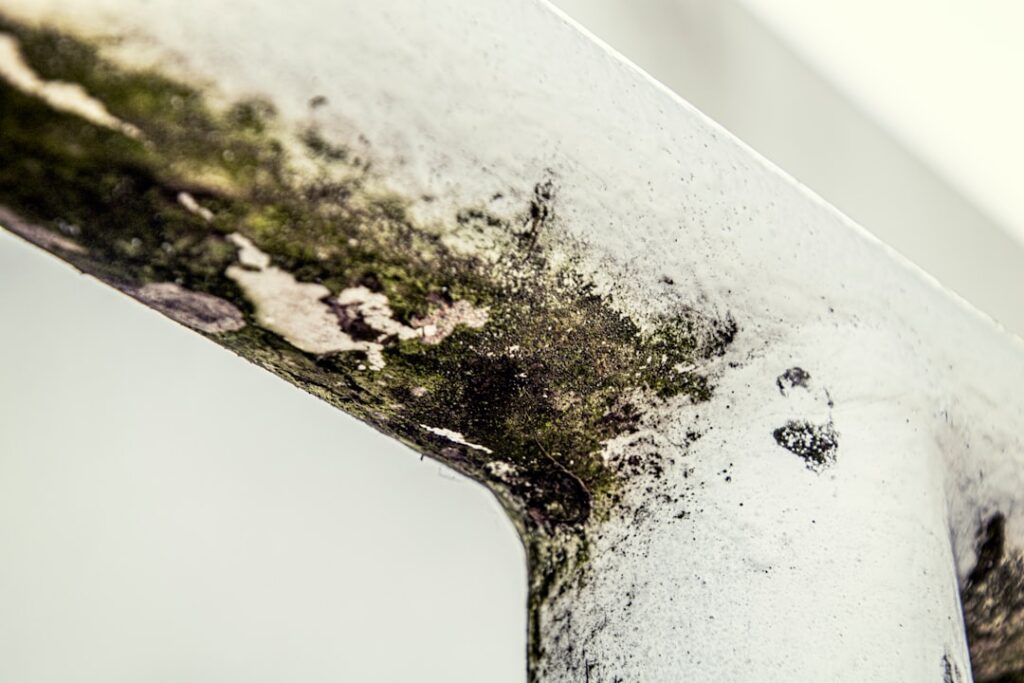
When mold takes hold inside heating and cooling equipment, every cycle can push spores into the living space. HVAC mold removal is the process of cleaning or replacing contaminated system components and, just as importantly, fixing the moisture that let mold grow in the first place. Done right, it stops the spread; done as a quick fog-and-go, it wastes money. This guide summarizes EPA and CDC guidance current as of 2026 and general industry practice; consult your physician about health symptoms and a certified professional before making removal decisions for your specific system.
Is this mold, asbestos, or water damage? Get a free instant screen
Upload a clear photo of the suspect area. You'll get an instant AI screening opinion and what to do next. This is screening guidance, not a professional determination.
Screening guidance only. AI can be wrong. Confirm asbestos, mold type, or lead with lab testing or a licensed professional before acting.
What HVAC Mold Removal Involves
HVAC mold removal is a defined sequence, not a single spray. It starts with inspection, often using a camera to view the inside of ducts and the air handler. The technician identifies how far the mold extends and locates the moisture source. The system is then shut down and the work area contained so spores don’t spread during cleaning. Hard, non-porous components, the air handler housing, coils, and metal duct, are cleaned and HEPA-vacuumed. Porous components that have been colonized, such as fiberglass duct liner or a contaminated filter, are removed and replaced rather than cleaned, because the EPA notes porous materials can’t be reliably decontaminated.
The decisive step is correcting the moisture problem: clearing a blocked condensate drain, sealing duct leaks, or addressing an oversized unit that short-cycles without dehumidifying. Without that, mold returns within days. Reputable contractors verify the system is clean and dry before considering the job finished. For help recognizing the problem before removal, see our guide to black mold in vents.
Why Mold Grows in HVAC Systems
Mold needs moisture, food, and a stable, dark environment, and HVAC systems can supply all three. Air conditioning creates condensation when cold air meets warmer surfaces; the evaporator coil and drain pan are common wet spots. Dust pulled through return ducts feeds growth. A clogged condensate line backs water into the system. An oversized AC cools quickly but doesn’t run long enough to remove humidity, leaving damp surfaces behind. Leaky ducts that draw humid air from crawl spaces or attics add to the load.
Because the blower distributes air everywhere, HVAC mold is a whole-house exposure issue rather than a single-room one. That’s why removal has to pair physical cleaning with moisture control. The broader mold inspection and testing hub explains how assessment fits into the process.
What HVAC Mold Removal Costs
Cost depends on how much of the system is affected and whether components must be replaced. Cleaning a contained area, such as the air handler and a few duct runs, is generally less expensive than replacing colonized duct liner throughout the home. Industry estimates for professional duct and system cleaning with mold treatment commonly range from several hundred to a few thousand dollars, climbing higher when duct sections or insulation must be replaced or when the AC unit needs repair.
Ask for an itemized estimate that separates inspection, containment, cleaning, component replacement, moisture repair, and any follow-up verification. Be skeptical of low “duct cleaning” specials that don’t address mold or moisture, they rarely solve the underlying problem and may just stir spores around.
Why Fogging Alone Isn’t Enough
Some companies pitch antimicrobial fogging or “sanitizing” as a complete fix. The EPA does not recommend routine biocide use as a substitute for physically removing mold and correcting moisture. Fogging may temporarily knock down surface growth, but if the wet conditions remain, the mold comes back. Treat fogging as, at most, a supplement to thorough physical cleaning, not the main event.
Can You Do HVAC Mold Removal Yourself?
You can handle limited, accessible mold yourself, cleaning a moldy register cover, replacing a contaminated filter, or wiping a small spot on an accessible metal surface, while wearing an N95 respirator, gloves, and eye protection with the system off. The EPA’s roughly 10-square-foot guideline is the dividing line. Anything beyond visible surface mold at the register, mold deep in ducts, growth on the coil or inside the air handler, or recurring contamination, calls for a professional with the tools to inspect, contain, and clean the full system.
DIY also can’t substitute for diagnosing why the system is wet. If you clean a register but ignore a clogged condensate drain, you’ll be cleaning it again next month.
The Health Case for Acting Quickly
HVAC mold differs from a contained wall stain in one important way: the system distributes air to every room, so mold inside it can expose the whole household rather than one area. The CDC notes mold exposure can cause nasal congestion, throat irritation, coughing, wheezing, and eye irritation, with stronger reactions in people who have mold allergies or asthma, and more serious effects in those with weakened immune systems or chronic lung disease. When the exposure pathway is the home’s own ventilation, those reactions can be persistent and hard to trace, symptoms that ease when occupants leave the house and return when they come back are a classic clue.
This whole-home exposure is the reason HVAC mold warrants faster action than many other mold problems. A small bathroom mold patch affects one room; mold on the evaporator coil seeds spores into the air supply continuously. Households with infants, older adults, or anyone with respiratory conditions, the groups the CDC identifies as most vulnerable, have the strongest reason to address duct mold promptly and to consult a physician about any symptoms while remediation is arranged.
How Long HVAC Mold Removal Takes
Timelines vary with system size and the extent of contamination. A focused cleaning of the air handler and a few accessible duct runs might be completed in a day. A whole-home job involving multiple duct branches, coil service, blower-wheel cleaning, and replacement of colonized flexible duct can stretch across several days, plus time to address the moisture source, repairing a condensate drain, sealing duct leaks, or scheduling a separate visit to evaluate AC sizing.
Plan for the system to be partly or fully out of service during the work, and ask the contractor for a realistic schedule up front. A rushed single-afternoon “cleaning” of a heavily contaminated system is usually a sign that corners are being cut, particularly the moisture-correction step that prevents regrowth. Proper removal takes the time the scope requires, and a contractor who explains that timeline candidly is more trustworthy than one promising a same-day fix for a large problem.
Preventing HVAC Mold From Returning
Prevention is moisture management plus maintenance. Keep indoor humidity in the 30 to 50 percent range, run the AC and a dehumidifier as needed, and change filters on schedule. Keep the condensate drain line clear and check the drain pan. Seal duct leaks so the system isn’t importing humid air. Schedule annual professional service to catch problems early. If your AC is oversized and short-cycling, a contractor can evaluate whether the equipment is sized correctly for the home.
Along the Front Range, HVAC mold tends to follow summer AC condensation, swamp-cooler humidity, and ducts routed through unconditioned crawl spaces. Colorado’s dry outdoor air doesn’t protect a system generating its own internal moisture, so the fixes are mechanical and consistent year to year.
A practical maintenance calendar helps. Replace filters on the schedule the manufacturer recommends, often every one to three months depending on the filter and household, and inspect the condensate drain and pan at the start of cooling season. Have a technician check refrigerant charge, coil cleanliness, and airflow during annual service, since a dirty coil or restricted airflow promotes condensation. If you run a swamp cooler, balance its humidity output against ventilation so the home doesn’t stay damp. These routine steps cost far less than a remediation, and they catch the small moisture problems before they become the colonized coil or duct liner that forces an expensive cleanup.
Which Components Get Cleaned vs. Replaced
A central decision in HVAC mold removal is what can be saved and what must go. Hard, non-porous components, sheet-metal ducts, the metal housing of the air handler, registers, and the blower wheel, can generally be cleaned, HEPA-vacuumed, and wiped. The evaporator coil can usually be cleaned in place or pulled and cleaned, though heavy biological fouling sometimes warrants replacement. The condensate drain pan and line are cleared and treated to stop the next round of standing water.
Porous components are different. Flexible duct with interior fiberglass liner, fiberglass duct board, and contaminated filters are absorbent, and the EPA notes porous materials with mold generally can’t be reliably decontaminated. Those get replaced rather than cleaned. This distinction is also a budgeting reality: a job that’s mostly cleaning of metal components costs far less than one that requires replacing colonized flex duct throughout the house. A contractor’s estimate should make clear which components fall into which category.
The Role of UV Lights and Filtration
Some homeowners ask about UV-C lights installed near the coil and high-efficiency filters as mold defenses. UV-C systems can help keep the coil surface cleaner by inhibiting growth on that specific spot, and a higher-MERV filter reduces the dust that feeds mold, but neither is a substitute for fixing moisture. Treat them as supporting measures layered on top of proper drainage, humidity control, and duct sealing, not as a standalone cure. A system that’s still generating condensation will grow mold regardless of an added UV bulb.
Choosing the Right Contractor for the Job
HVAC mold removal sits at the intersection of two trades, HVAC service and mold remediation, and the best outcome usually comes from a company that understands both. A pure duct-cleaning outfit may scrub the visible surfaces without diagnosing the coil, drain, or sizing problem feeding the mold. A pure remediation company may clean the system but lack the HVAC expertise to correct the mechanical moisture source. Look for a contractor who can address both, or who coordinates with an HVAC technician as part of the job.
Vet candidates the way you would any remediation contractor: confirm liability insurance and, where applicable, IICRC certification, ask how they’ll contain the system during cleaning, and require an itemized estimate that separates inspection, cleaning, component replacement, and moisture repair. Because Colorado does not license mold remediation statewide, independent verification of credentials matters. The single most telling question is how they’ll find and fix the moisture source, a contractor who answers that clearly understands that cleaning alone is temporary.
When to Call a Professional
Bring in a pro when mold extends into ductwork or onto the coil, when the affected area is large, when mold returns after you clean it, or when a household member has asthma, allergies, or a weakened immune system. The CDC notes those groups face the greatest risk from indoor mold. A qualified contractor inspects the full system, removes or replaces contaminated parts, fixes the moisture source, and verifies the result. If you’re unsure how far the contamination reaches, an independent inspection defines the scope before you authorize cleaning or replacement.
Front Range homeowners should ask a prospective contractor specifically about sizing and condensate drainage, since an oversized AC that short-cycles without dehumidifying and a clogged drain line are the two most common local recurrence causes. A contractor who only quotes “duct cleaning” without examining the coil, pan, and unit sizing is treating the symptom. The lasting fix pairs thorough physical cleaning with the mechanical correction that keeps the system dry.
References
- Should You Have the Air Ducts in Your Home Cleaned? — U.S. Environmental Protection Agency
- Mold Cleanup in Your Home — U.S. Environmental Protection Agency
- About Mold and Your Health — Centers for Disease Control and Prevention
If HVAC mold has you worried about your home’s air, get in touch through our contact page to connect with a vetted Front Range inspector.
Mold removal & cleanup picks
For a small, contained patch (under ~10 sq ft) these EPA-friendly removers handle surface mold. Larger or recurring growth warrants a professional assessment first.
| Product | Why | Buy |
|---|---|---|
 RMR-86 Instant Mold Stain Remover RMR-86 Instant Mold Stain Remover | Fast-acting on stains; ventilate and wear PPE. | Amazon — $18.38 |
 Concrobium Mold Control Concrobium Mold Control | No-bleach formula that also helps prevent regrowth. | Amazon — $13.48 |
 Mold Armor Mold & Mildew Remover Mold Armor Mold & Mildew Remover | Widely stocked bathroom/surface remover. | Amazon — $22.98 |