What Does Harmless Black Mold Look Like?
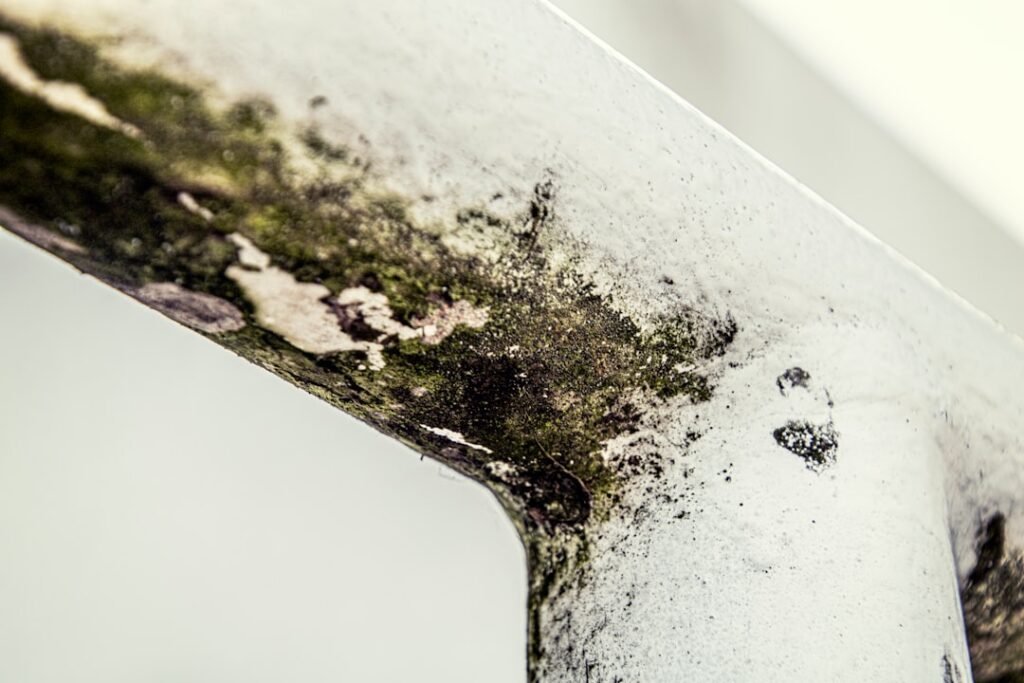
Search results promise photos of “harmless black mold,” as if a glance could separate the safe spots from the dangerous ones. The truth is less convenient: appearance alone cannot confirm whether a black mold is harmless, and the very framing oversimplifies the science. What homeowners can do is learn what different black-appearing molds look like, understand why color is a weak guide to risk, and know when looks are enough versus when a lab is required. This guide summarizes EPA and CDC guidance current as of 2026 and is educational only; consult a physician about symptoms and a certified professional for testing decisions.
Part of our Black Mold & Your Health guide — start there for the full picture →
Is this mold, asbestos, or water damage? Get a free instant screen
Upload a clear photo of the suspect area. You'll get an instant AI screening opinion and what to do next. This is screening guidance, not a professional determination.
Screening guidance only. AI can be wrong. Confirm asbestos, mold type, or lead with lab testing or a licensed professional before acting.
What Does Harmless Black Mold Look Like?
There is no visual signature that reliably marks a black mold as harmless. Many common, generally low-risk molds appear black, gray, or dark green and show up as flat, powdery, or speckled patches — Cladosporium being the most frequent example. These tend to look dry and dusty rather than wet and slimy, and they often appear in small spots on grout, window frames, and cool surfaces with mild condensation.
By contrast, the mold people fear — Stachybotrys chartarum — often looks dark green to black with a wet, slimy sheen when actively growing, and it favors materials that have been soaked for days. But the overlap is real: harmful and harmless molds can look nearly identical, and lighting, surface, and growth stage change the appearance. The honest answer is that “harmless-looking” is not the same as “harmless,” and the EPA’s guidance is to treat all indoor mold the same regardless of color. For a side-by-side of appearances, our gallery-style guide to identifying black mold by sight is the best visual companion, and our mold inspection and testing hub frames how assessment works.
The phrase “harmless black mold” is really a stand-in for a more useful question: is this patch a routine cleanup or a problem that needs more attention? That question is answered not by appearance but by extent, recurrence, moisture, and who lives in the home — the factors covered throughout this guide. A small, dry-looking dark patch in a well-ventilated spot that wipes away and stays gone behaves harmlessly in practice, while the same color on chronically wet drywall behaves very differently. The look is a starting clue, not the answer.
Why Color Can’t Tell You Whether Mold Is Harmful
Color comes from pigments in a mold’s spores and structures, and many unrelated species share the same pigments. Thousands of mold types exist, and a single species can present in different colors depending on its surface, age, and moisture. That is why neither homeowners nor professionals can name a species — let alone judge its toxicity — from a photo.
The CDC reinforces this: it does not recognize a distinct “toxic black mold” diagnosis from typical household exposure, and it notes that all molds should be treated as potential irritants. Whether a mold produces mycotoxins depends on the species, the conditions, and the strain, none of which are visible. The practical implication is that the goal is never to identify which black mold is “safe,” but to remove any indoor mold and fix the moisture that grew it.
Why People Search for “Harmless” Black Mold
The popularity of this question reflects a decade of alarming coverage about “toxic black mold,” much of it overstated. Sensational stories created a fear that any dark spot might be a serious health threat, so homeowners naturally want to know whether what they are seeing is the dangerous kind or a benign one. The instinct is reasonable; the premise — that you can sort safe from dangerous by appearance — is where it goes wrong.
Public-health authorities have worked to correct the record. The CDC explains that mold is everywhere, that exposure to common indoor molds does not cause serious illness in most healthy people, and that there is no recognized “toxic mold” diagnosis from typical household exposure. The agency’s emphasis is on moisture control and cleanup rather than on identifying which mold is which. Understanding this reframes the search: the goal is not to confirm a patch is “harmless” so you can leave it, but to handle any mold sensibly and keep the home dry. The fear that drives the question is largely a product of overblown messaging, not of the actual risk most household mold poses.
Black Mold vs. Things That Aren’t Mold
A more useful distinction than harmless-versus-toxic is mold-versus-not-mold, because many dark stains are not living organisms at all.
Dust and dirt accumulate in flat layers, especially around vents and on horizontal ledges, and wipe away cleanly without returning. Our comparison of black mold versus dust covers the tell-tale differences.
Soot from candles or a fireplace leaves dark, greasy marks near heat sources and around outlets, with no musty smell.
Water stains are flat and brown or yellow, with no texture or odor.
Mold, by contrast, often has texture — fuzzy, raised, or slimy — spreads outward over time, returns after cleaning if moisture remains, and frequently carries a musty smell. If a dark patch has texture, returns, and smells, it is likely mold regardless of whether it looks “harmless.”
A simple at-home check helps distinguish them. Dab the spot with a cotton swab dipped in diluted detergent or a little diluted bleach. If the dark color lightens or lifts after a moment, it is likely mold; dirt and soot wipe away mechanically without the color changing, and a water stain will not respond at all. Combine that with the texture-and-smell test — does it feel raised or slimy, and is there a musty odor? — and you can usually tell mold from a lookalike without a lab. This matters because mistaking dust or efflorescence for mold leads to unnecessary worry and cleanup, while mistaking mold for a harmless stain leaves a moisture problem to grow.
Common Black-Appearing Molds Around the Home
Several dark molds turn up routinely in homes, and most are common species rather than the dreaded toxic variety. Cladosporium is among the most frequent, appearing as olive-green to black speckles on damp walls, window frames, bathroom grout, and fabrics; it is a common allergen but generally low-risk for healthy people. Alternaria shows up dark and somewhat fuzzy in damp spots like showers and under leaky sinks. Aspergillus niger produces black spore heads and is extremely common in the environment.
These appear “black” to the eye but are ordinary household molds, not evidence of a toxic infestation. True Stachybotrys is comparatively less common in everyday homes and requires the sustained heavy moisture described earlier. None of this means any of them should be left in place — all are removed the same way — but it does mean a dark patch is statistically far more likely to be a routine mold than a rare toxic one. The reassurance comes not from confirming a species but from understanding that the response does not depend on which it is. For more on sorting the varieties, see our overview of the types of black mold.
When Looks Are Enough — and When to Test
For most homeowners, the practical answer is that you do not need to identify the species at all. The EPA states that if visible mold is present, sampling is usually unnecessary because the cleanup is the same regardless of type. You see mold, you remove it, you fix the moisture. Spending money to learn whether a visible patch is “harmless” rarely changes what you should do.
Testing earns its cost in narrower situations: a persistent musty smell with no visible source, documenting conditions for a real estate transaction or insurance claim, verifying that remediation worked, or guiding medical decisions when a physician requests it for a sensitive patient. In those cases, use an independent lab or assessor rather than the company doing the cleanup. Our overview of mold detectors and testing options explains what each method can and cannot tell you.
It is also worth setting expectations about what a test result actually delivers. A surface or air sample can tell you which mold genera are present and in roughly what concentration, but it cannot tell you whether your specific patch is making you sick, nor does a “black mold” identification change the cleanup, which is the same regardless. Spending money to learn that a visible patch is Cladosporium rather than Stachybotrys rarely alters the right course of action — remove it and fix the moisture either way. That is why the EPA steers homeowners toward acting on visible mold rather than testing it, and why the search for a “harmless” identification often spends effort where it changes nothing.
What to Do With Any Black Mold You Find
Because color does not settle the safety question, the safe default is to treat any indoor mold as worth removing. For small surface growth on nonporous materials under roughly 10 square feet, homeowners can usually clean it themselves with detergent and water while wearing an N95, gloves, and eye protection, then dry thoroughly.
Call a professional when the area is large, when growth recurs, when it accompanies a known leak or flooding, when it is suspected inside walls or HVAC, or when occupants have asthma, allergies, or weakened immunity — situations where any mold, “harmless-looking” or not, deserves caution. The decisive step in every case is finding and fixing the moisture, because the EPA is clear that controlling moisture is the only durable way to control mold. Judge the situation by extent, recurrence, and moisture rather than by whether a patch looks benign.
One pitfall is worth naming: the assumption that a benign-looking patch can simply be left alone. Because mold growth compounds with continued moisture, a small dark spot that looks harmless today can spread into a larger, more entrenched problem over a season if the underlying dampness persists. “Harmless-looking” is never a reason to ignore mold; at most it is a reason not to panic. The appropriate response to any visible indoor mold is the same measured one — remove it, dry the area, and fix the water — applied promptly rather than postponed because the patch did not look threatening.
The bottom line is freeing in its simplicity. You do not need to become an amateur mycologist or stare at photos trying to match a species. You need to control moisture, remove what grows, and escalate to a professional when the situation is large, recurring, or involves vulnerable occupants. That approach handles the genuinely harmless patches and the genuinely concerning ones alike, without the guesswork that the “harmless black mold” search implies.
References
- Mold Cleanup in Your Home — U.S. Environmental Protection Agency
- About Mold and Your Health — Centers for Disease Control and Prevention
- A Brief Guide to Mold, Moisture and Your Home — U.S. Environmental Protection Agency
Frequently asked questions
What does harmless black mold look like?
There is no visual signature that marks black mold as harmless. Many low-risk molds look black, gray, or dark green and appear flat or powdery, but appearance overlaps with harmful species. The EPA advises treating all indoor mold the same regardless of color.
Can I tell toxic mold from harmless mold by looking?
No. Color and texture cannot reliably identify a species or its toxicity, since many unrelated molds share the same appearance. Only lab analysis can name a species, and even then the practical response is the same: remove it and fix the moisture.
Is black mold always dangerous?
No. Many black-appearing molds are common species that pose limited risk to healthy people, though any mold can trigger symptoms in sensitive individuals. The CDC does not recognize a distinct toxic-mold syndrome from typical household exposure.
Do I need to test black mold to know if it's safe?
Usually not. The EPA says sampling is unnecessary when mold is visible, because cleanup is the same regardless of type. Testing is worth it for hidden suspected mold, real estate or insurance documentation, or verifying remediation worked.
If you’ve found a dark patch and can’t tell what it is or how far it spreads, Front Range homeowners can get in touch through our contact page to connect with a vetted local inspector for an objective look.