Harmless Black Mold on Wood: Cosmetic vs Structural Risks
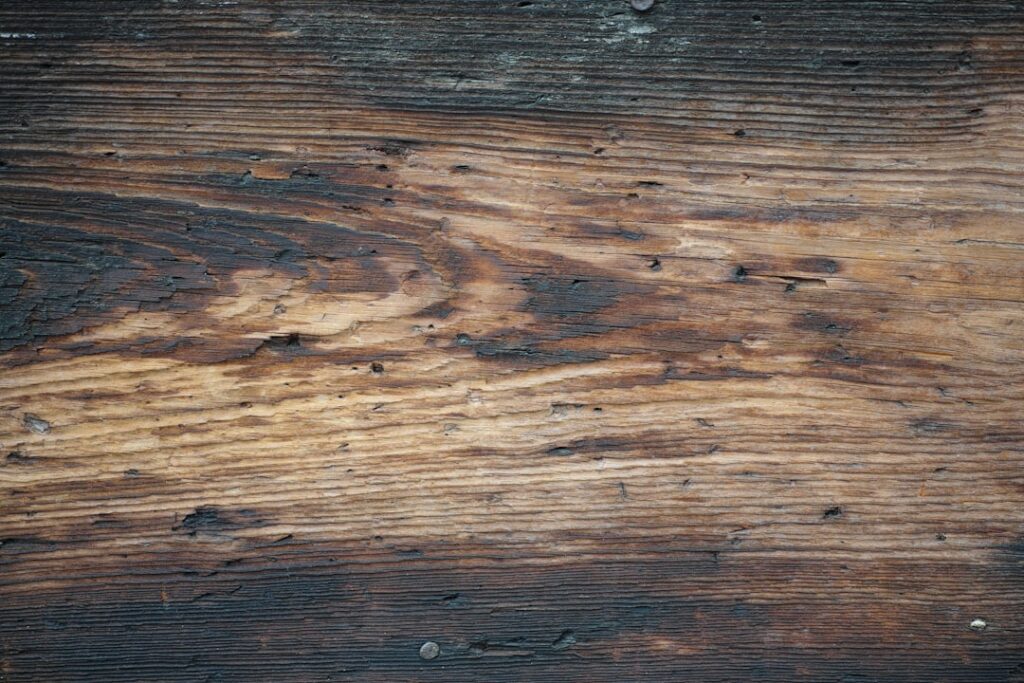
Dark spots and streaks on framing lumber, fence boards, plywood, and reclaimed timber alarm homeowners more often than they should. A surprising amount of black or dark gray staining on wood is cosmetic rather than dangerous — caused by sap-stain fungi, surface mildew, or oxidation rather than mycotoxin-producing species. Identifying which dark wood patch is harmless and which deserves real concern saves both unnecessary remediation costs and the opposite mistake of ignoring something that matters. This guide summarizes EPA and CDC guidance current as of 2026 — consult a certified mold inspector for testing decisions and your physician for symptom evaluation.
Part of our Black Mold & Your Health guide — start there for the full picture →
Is this mold, asbestos, or water damage? Get a free instant screen
Upload a clear photo of the suspect area. You'll get an instant AI screening opinion and what to do next. This is screening guidance, not a professional determination.
Screening guidance only. AI can be wrong. Confirm asbestos, mold type, or lead with lab testing or a licensed professional before acting.
Harmless Black Mold on Wood: The Common Species
Not all dark fungal growth on wood is toxic black mold. Several species commonly found on lumber are either cosmetic-only or pose no significant structural or health risk to occupants. Knowing the cast of characters helps homeowners avoid panic when they see dark wood staining.
Aureobasidium pullulans
A yeast-like fungus that grows on damp wood, painted surfaces, and shower caulk. It appears pink or dark pink in young colonies and turns black as it matures — which is why some “black mold on wood” identifications turn out to be Aureobasidium rather than something more concerning. It’s a major contributor to the gray weathering color of unprotected outdoor wood. It is allergenic for some people but is not classified as a structural threat or a mycotoxin producer at residential concentrations. On exterior wood, it’s essentially a cosmetic issue.
Ophiostoma and Ceratocystis (Blue-Stain Fungi)
Sap-stain fungi that colonize the sapwood of pine, fir, and spruce. The visible result is blue-gray to nearly black streaks in the wood grain — often visible immediately when lumber is milled. Blue-stain fungi feed on the sugars and nutrients in sapwood but do not break down the cellulose or lignin that gives wood structural strength. A piece of blue-stained 2×4 has the same load-bearing capacity as a clean one. It’s strictly cosmetic for construction purposes, though it lowers the market value of finished lumber.
Cladosporium on Milled Wood
Surface Cladosporium colonies on sealed or painted wood often present as small black to dark olive spots scattered across the visible face. Common on damp window frames, exterior trim, and untreated wood in humid conditions. Allergenic for sensitive occupants but not a structural threat. Wipes off with a damp cloth and detergent on sealed surfaces.
Penicillium and Aspergillus Surface Spotting
Damp untreated wood — especially construction lumber stored outside during a wet period — often shows small dark spots from Penicillium or Aspergillus colonization. Once the wood dries out, the colonies become inactive. Surface sanding or planing removes the visible spots. The wood itself remains structurally sound as long as the moisture exposure was brief.
The Key Distinction: Sap-Stain vs. Wood-Decay
The most important distinction for wood with dark staining is whether the fungus is sap-stain or wood-decay. The two categories look superficially similar but have radically different implications.
Sap-stain fungi feed on sugars and nutrients without breaking down the structural components of wood. Affected lumber retains its strength and load-bearing capacity. The color change is permanent but the wood is sound.
Wood-decay fungi — brown rot (Serpula lacrymans, Coniophora puteana, Antrodia), white rot (Phanerochaete, Trametes), and soft rot fungi — break down cellulose, lignin, or both. Affected wood loses strength, becomes punky or crumbly, and may fail structurally. Wood with active decay fungi cannot be sealed and painted; it has to be replaced.
Two simple field tests distinguish the categories. First, jab the wood with a screwdriver or awl. Sound wood resists the point even when stained; decayed wood crumbles or accepts the probe to a depth of an eighth of an inch or more. Second, look at the texture of the wood around the dark patch. Sound wood has its original grain visible; decayed wood often shows cracking perpendicular to the grain (brown rot) or fibrous stringiness (white rot).
When Black on Wood Is Actually Concerning
Not all dark wood staining is harmless. Several scenarios warrant a closer look.
Slimy Black Growth on Wet Wood
Stachybotrys can colonize wet, unsealed wood that has been saturated for an extended period — typically rougher framing lumber rather than finished trim. The classic indicator is slimy black growth on sustained-wet wood, often combined with a strong musty smell. The cellulose-rich substrate plus sustained saturation matches the species profile. This is the scenario where wood mold actually does warrant the toxic-mold caution.
Bright Orange or Red Patches
Bright orange to red patches on framing lumber in crawlspaces, basements, or attics may indicate active wood-decay fungi like Serpula lacrymans (dry rot) or Fusarium. These species damage wood structure and indicate sustained moisture problems. The visible orange-red color is actually the spore-producing structure of an established colony.
Soft or Spongy Wood Around Dark Staining
Wood that gives under firm finger pressure or accepts a screwdriver point easily has lost structural integrity to decay fungi, regardless of the surface color. The cosmetic-vs-structural distinction matters more than the species ID at that point — the wood needs to be removed and replaced.
Mushroom or Bracket Fruiting Bodies
Visible mushrooms, brackets, or shelf-like fruiting bodies on framing lumber indicate established wood-decay fungi. Common in chronically wet crawlspaces and basements. The fruiting structures are usually only the visible tip of much more extensive growth inside the wood.
Where Wood Mold Hides
The dark wood staining homeowners can see is often the visible edge of a larger problem. Wood in framing, sheathing, subflooring, and crawlspace structures is rarely visible during routine living, and decay or sustained mold growth can advance significantly before the visible side shows damage.
Crawlspaces are the most common hidden wood-decay location. Vapor barriers (or the absence of them), foundation vent placement, ground moisture, and standing water all drive crawlspace humidity. Subfloor sheathing, joists, and sill plates are vulnerable. A homeowner inspection with a flashlight should look for darkening, soft spots, and any fruiting bodies on the underside of the floor system above.
Attic decking can show dark staining when roof ventilation is poor and warm humid air from the conditioned space below condenses on the cold underside of the roof deck. Pattern is usually concentrated near the eaves and around penetrations. The staining itself often involves sap-stain or surface mildew rather than structural decay, but the condition driving it warrants attention.
The Cleanup Decision
For cosmetic sap-stain or surface mildew on sound wood, cleanup is usually optional and aesthetic. Sanding or planing removes the visible discoloration on finished wood. Pressure washing and a borate-based cleaner can reduce surface mold on outdoor lumber and decks. Sealing with a quality finish prevents future colonization.
For confirmed wood-decay fungi or slimy black growth on saturated structural lumber, cleanup involves moisture-source correction first, then assessment of structural damage. Decayed sections of framing need replacement, not cleaning. The EPA’s general mold cleanup guidance applies — area over 10 square feet on porous material warrants professional remediation rather than DIY work.
What to Test and When
Visual identification of harmless vs. concerning wood mold is unreliable in ambiguous cases. A credentialed inspector can collect a tape lift directly from the discolored area or, for structural concerns, recommend a structural assessment from a wood-decay specialist or licensed contractor. Sampling is typically more useful when the species ID will affect the cleanup scope, when an insurance or legal claim is involved, or when occupants are experiencing symptoms.
For broader context on the inspection process, see the mold inspection and testing hub, and the related black mold versus mold guide covers species comparison in more depth.
Prevention on Wood Surfaces
Prevention strategy for wood mold focuses on moisture control. Keep crawlspaces dry with vapor barriers, proper ventilation or encapsulation, and grading that directs water away from the foundation. Maintain roof and attic ventilation to prevent condensation on the underside of decking. Seal exterior wood (decks, siding, fencing) with quality finishes that resist water penetration. Inspect framing in basements and crawlspaces annually for darkening, soft spots, or any fungal fruiting bodies.
Pressure-treated lumber resists most decay fungi by design, but the chemical protection wears down over time and is only effective on the treated outer layers — cuts and notches expose untreated interior wood. Borate-based wood preservatives applied during construction provide additional decay resistance and are sometimes specified for crawlspace framing in high-humidity regions.
When to Call a Professional
Three scenarios push wood-mold concerns from DIY to professional. First, any indication of structural decay — soft wood, fruiting bodies, screwdriver test failure. Second, slimy black growth on saturated structural lumber. Third, ongoing moisture problems that have caused mold or decay in wood structures and haven’t been resolved.
Reclaimed and Salvaged Wood
Homeowners working with reclaimed barn wood, salvaged framing, or vintage flooring often encounter dark staining and surface mold from decades of variable moisture exposure. Most of this is harmless surface mildew or sap-stain. Sanding, cleaning, and refinishing typically restores the wood to usable condition. The exceptions are reclaimed materials with visible decay or with fungal fruiting structures, which should be evaluated before being installed in a finished space.
Recent reclaimed-wood sourcing raises one additional consideration: lead paint. Wood salvaged from pre-1978 buildings may carry lead-based paint residue regardless of its mold history. The EPA’s Renovation, Repair and Painting Rule covers proper handling. For a deeper read on the topic, see our companion guide on pre-1978 housing hazards through the asbestos and lead pillar.
How Long Does Dark Wood Staining Take?
The timeline matters when investigating wood staining. Sap-stain fungi colonize fresh-cut lumber within days to weeks under warm humid conditions and stop spreading once the wood dries. Surface mildew develops on wet wood within one to two weeks. Wood-decay fungi typically require sustained moisture over months — sometimes years — to cause measurable structural damage, which is why crawlspace and attic decay is so often advanced by the time it’s discovered.
If a homeowner can date when wood became wet (a specific leak event, a flood, a known roof failure), the timeline helps narrow what fungal activity is likely. A piece of wood that’s been wet for two days probably has surface mildew at most. A piece of wood that’s been wet for six months has had time to support full wood-decay colonization.
Front Range Crawlspace and Attic Considerations
Colorado’s relatively dry climate keeps most home framing in good condition compared to coastal humid regions, but specific failure points still produce wood-mold concerns. Foundation drainage problems in spring during snowmelt can saturate crawlspace floors and sill plates. Bathroom exhaust fans terminated in attic spaces instead of exterior vents create local humidity that condenses on cold roof decking, supporting Cladosporium and Aspergillus surface growth. Ice dams on north-facing roofs can drive meltwater into wall and ceiling cavities, with the wood-staining evidence sometimes appearing months later. Annual visual inspections of crawlspaces in March or April catch the worst of the snowmelt-driven moisture before it has time to colonize.
References
- Mold Cleanup in Your Home — U.S. Environmental Protection Agency
- About Mold, Moisture and Your Home — Centers for Disease Control and Prevention
- Brief Guide to Mold, Moisture and Your Home — U.S. Environmental Protection Agency
- Mold Health Effects — National Institute of Environmental Health Sciences
Frequently asked questions
Is blue-stain in pine wood dangerous?
No. Blue-stain fungi like Ophiostoma feed on sap sugars in pine sapwood without breaking down structural components. Wood with blue-stain has the same load-bearing capacity as clean wood. It's strictly cosmetic, though it lowers the market value of finished lumber.
How can I tell sap-stain from wood-decay?
Use the screwdriver test. Sap-stain wood resists a screwdriver point even when discolored. Decayed wood crumbles or accepts the probe to a depth of an eighth of an inch or more. Wood-decay fungi destroy cellulose and lignin; sap-stain fungi do not.
Is all black mold on wood Stachybotrys?
No. Most dark staining on wood is sap-stain fungi (Ophiostoma, Ceratocystis), Aureobasidium (which turns black with age), or surface Cladosporium. Stachybotrys on wood occurs in sustained-wet conditions on cellulose-rich, unsealed lumber — usually combined with slimy texture and a strong musty smell.
Should I worry about dark stains on framing lumber in my crawlspace?
It depends on whether the wood is sound. If the screwdriver test shows solid wood and there's no visible fruiting body, the staining is usually cosmetic sap-stain or dormant surface mildew. If the wood is soft, spongy, or shows mushrooms or brackets, professional evaluation is warranted.
Front Range homeowners who find unfamiliar dark staining on framing, decking, or crawlspace lumber can reach out through our contact page for a referral to a credentialed local inspector who can distinguish cosmetic from structural concerns.