Harmless Black Mold in Attic: What Homeowners Know
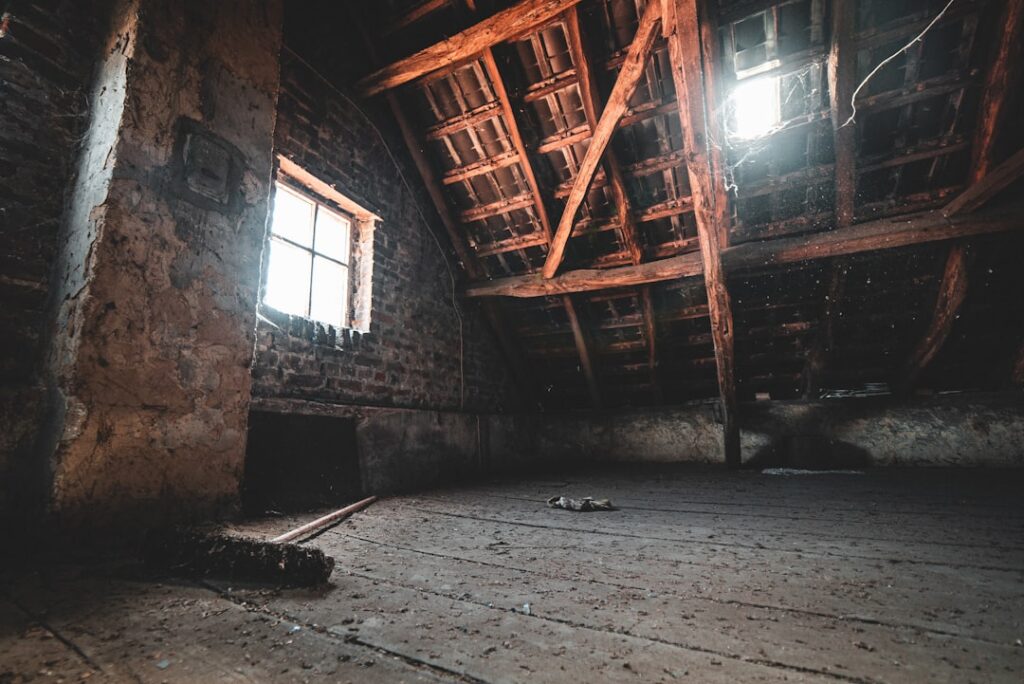
Climb into an attic and dark staining on the roof sheathing is a frequent, alarming sight, especially during a home sale when an inspector flags it. The phrase “harmless black mold in attic” reflects a real nuance: some attic discoloration is largely cosmetic, while some signals an active moisture problem that needs fixing. Telling the two apart, and understanding why mold grows up there at all, keeps you from either overreacting or ignoring a real issue. This guide summarizes EPA and CDC guidance current as of 2026 and general practice; consult your physician about symptoms and a certified professional for assessment of your specific attic.
Is this mold, asbestos, or water damage? Get a free instant screen
Upload a clear photo of the suspect area. You'll get an instant AI screening opinion and what to do next. This is screening guidance, not a professional determination.
Screening guidance only. AI can be wrong. Confirm asbestos, mold type, or lead with lab testing or a licensed professional before acting.
Is Black Mold in the Attic Ever Harmless?
No indoor mold growth is truly “harmless” in the sense of being something to ignore, but attic mold often poses lower direct exposure risk than mold in living spaces, because attics are typically isolated from the air you breathe and sealed off by insulation and ceiling drywall. If the attic is unconditioned and not connected to return ducts, spores have limited pathways into the home. That’s the kernel of truth behind the “harmless” label.
That said, the EPA’s guidance applies everywhere: mold means moisture, and unaddressed moisture damages the structure over time. Color doesn’t determine danger, “black mold” is a colloquial term, not a species or a risk rating. The practical question isn’t “is it harmless?” but “is it active, and what’s the moisture source?” Active mold on roof sheathing usually points to a ventilation or leak problem that, left alone, can rot the roof deck. For how dark mold appears on framing, see our guide to what black mold looks like on wood.
Why Attic Mold Worries Homeowners More Than It Often Should
Attic mold provokes outsized anxiety, and the reasons are understandable. It’s usually discovered suddenly, often by a home inspector during a sale, in a space the homeowner rarely sees, and the dark staining across the roof deck can look dramatic. The word “mold” triggers worst-case thinking. Yet the actual exposure risk from attic mold is frequently lower than from mold in living spaces, precisely because the attic is typically sealed off from the air the household breathes by insulation and the ceiling plane.
That doesn’t make attic mold something to ignore, an active moisture problem can rot the roof structure over time, but it does mean the appropriate response is measured rather than panicked. The questions that matter are whether the growth is active, what moisture or ventilation problem is causing it, and whether the attic connects to the home’s air via ductwork or large ceiling gaps. Answering those calmly, ideally with a professional read, leads to a sensible fix focused on ventilation and moisture, rather than an expensive overreaction driven by the alarming first impression. Framing the problem correctly is half of handling it well.
What Causes Mold to Grow in an Attic
Attic mold almost always traces to moisture from one of a few sources: inadequate ventilation that traps warm, humid air against cold sheathing in winter; bathroom or kitchen exhaust fans vented into the attic instead of outdoors; roof leaks; or missing insulation that lets warm indoor air rise and condense on the underside of the roof. Condensation is the usual culprit in cold climates, when humid indoor air reaches the cold roof deck, it condenses and feeds mold.
On the Front Range, winter brings exactly this scenario: warm indoor air meeting frigid sheathing in poorly ventilated attics, plus ice-dam leaks after heavy snow. Bathroom fans dumping moist air into the attic are a common, overlooked cause. The fix is a ventilation and moisture correction, not just cleaning the stain. The broader mold inspection hub explains how assessment ties findings to a moisture source.
How to Tell Cosmetic Staining From an Active Problem
Several clues distinguish old, dormant discoloration from active growth. Active mold often looks fuzzy or three-dimensional, may feel damp, and is accompanied by other moisture signs: water staining, rusted nail tips, frost on sheathing in winter, or a musty smell. Cosmetic staining tends to be flat, dry, and stable, sometimes from a long-resolved leak or even mineral streaking and tannin bleed from the wood itself, which can mimic mold.
Why a Professional Read Matters
You can’t reliably identify mold species or activity by sight, and lab testing of attic mold is rarely necessary to decide what to do, the EPA notes that if you can see mold and there’s moisture, you address both regardless of species. What a qualified inspector adds is reading the moisture story: checking attic ventilation, locating leaks, measuring sheathing moisture, and judging whether growth is active. That diagnosis determines whether you need a simple ventilation fix or a more involved cleanup.
What Attic Mold Costs to Address
The price to deal with attic mold spans a wide range depending on what the real problem is. If growth is limited and the underlying issue is a ventilation deficiency, the corrective work, clearing soffit baffles, adding ridge or gable venting, rerouting a bathroom fan to vent outdoors, plus cleaning accessible sheathing, often lands in the lower hundreds to low thousands. The ventilation fix is frequently the larger and more valuable part of the bill, because it’s what prevents the mold from returning each winter.
Costs climb when growth is widespread across the roof deck, when the sheathing has rotted and needs structural repair, or when access is poor. Whole-attic remediation with containment, HEPA cleaning, and significant ventilation or insulation upgrades can reach several thousand dollars. Be cautious of bids dominated by expensive “encapsulation” coatings or fogging; the EPA does not recommend biocides as a substitute for moisture control and physical removal, and a coating applied over an unventilated attic just hides the next round of growth. Insist that any estimate itemize the ventilation correction separately from the cleaning, that’s the line item that determines whether the fix lasts.
What to Do About Attic Mold
Start with the moisture source, because cleaning without fixing it guarantees a return. Ensure soffit and ridge vents are open and unobstructed by insulation. Reroute any bathroom or kitchen exhaust fans that terminate in the attic so they vent outside. Repair roof leaks and add insulation where the attic floor is thin. Once moisture is controlled, growth on accessible sheathing can be cleaned, small areas (under about 10 square feet) with detergent and water and proper protection, larger areas by a professional.
Be cautious with companies that push expensive “encapsulation” coatings or fogging without first fixing ventilation. The EPA does not recommend biocides as a substitute for moisture control and physical removal. If the sheathing is structurally compromised by rot, that’s a repair beyond mold cleanup. Our overview of mold removal and remediation covers the cleanup process.
Safety also deserves a note. Attics are cramped, hot, and full of exposed framing, nails, and possibly disturbed insulation, and working overhead while cleaning mold means spores can drop onto your face. If you tackle a small accessible area yourself, wear an N95 respirator, eye protection, and gloves, work on stable footing across the joists rather than the drywall between them, and ensure some ventilation. For anything beyond a small, easily reached patch, the combination of awkward access and overhead spore exposure is a strong argument for letting a professional handle it.
How Attic Mold Affects a Home Sale
Attic mold most often becomes a homeowner’s problem at the worst time, during a real-estate transaction, when a buyer’s inspector flags dark staining on the roof sheathing. Buyers and their agents frequently react to the word “mold” with alarm regardless of whether the growth is active, and the finding can stall negotiations or trigger a demand for remediation. Understanding the nuance matters here: an inspector noting “suspected mold-like staining, recommend evaluation” is not the same as confirmed active growth, but it still needs a credible response.
The most effective response is a documented assessment from a qualified inspector that determines whether growth is active, identifies the moisture or ventilation cause, and recommends a defined corrective scope, typically a ventilation fix plus cleaning of accessible sheathing. A clean written report and proof the ventilation issue was corrected reassures a buyer far more than an emotional argument that “it’s just cosmetic.” Sellers who get ahead of this with documentation, rather than scrambling after an inspection flag, keep transactions on track.
Ventilation Math Behind Attic Mold
Most attic mold traces to a ventilation imbalance. Attics are designed to breathe: intake air enters low at the soffits and exhausts high at the ridge, carrying moisture and heat out. When soffit vents are blocked by insulation, when there’s no ridge or gable exhaust, or when the balance between intake and exhaust is off, humid air stagnates against the cold roof deck in winter and condenses. Adding the moisture from a bathroom fan that dumps into the attic overwhelms the system entirely. Correcting attic mold is therefore often a matter of restoring airflow, clearing soffit baffles, adding ridge venting, and rerouting exhaust fans outdoors, rather than a chemistry problem to be sprayed away.
Preventing Attic Mold From Forming
The durable fix for attic mold is keeping the space dry, which comes down to ventilation, air sealing, and moisture diversion. Balanced ventilation, intake at the soffits and exhaust at the ridge, lets the attic shed the humidity and heat that would otherwise condense on cold sheathing. Make sure insulation isn’t blocking the soffit vents; baffles preserve the airflow channel. Where exhaust is weak, adding a ridge vent or properly sized gable venting restores the balance.
Air sealing the ceiling plane is equally important. Gaps around recessed lights, plumbing penetrations, and the attic hatch let warm, humid indoor air rise into the attic, where it condenses in winter. Sealing those leaks reduces the moisture load at the source. Finally, divert moisture: route every bathroom and kitchen exhaust fan to terminate outdoors, never into the attic, and keep the roof and flashing in good repair to prevent leaks. On the Front Range, where winter condensation and ice dams drive most attic mold, these measures matter most before the first hard freeze. An attic that breathes and stays dry simply won’t grow mold, regardless of the cold outside.
When to Call a Professional
Bring in a professional when growth is widespread across the roof deck, when there’s active condensation or a leak you can’t trace, when the attic connects to HVAC, or when the staining shows up during a real-estate transaction and you need a documented assessment. Households with members who have asthma or weakened immunity, groups the CDC flags as higher-risk, should err toward professional evaluation even when the attic seems isolated. An inspector can confirm whether the growth is active, identify the ventilation deficiency, and recommend a fix that actually solves it rather than masking the stain.
On the Front Range, the seasonal pattern is worth flagging to any professional you call: winter condensation on cold sheathing and ice-dam leaks after heavy snow are the dominant local causes, and both are moisture problems that recur every cold season until the underlying ventilation and insulation are corrected. A contractor who proposes only to spray or coat the sheathing, without addressing soffit airflow, exhaust-fan routing, and attic insulation, is treating the symptom and leaving you to face the same staining next winter.
References
- A Brief Guide to Mold, Moisture and Your Home — U.S. Environmental Protection Agency
- Mold Cleanup in Your Home — U.S. Environmental Protection Agency
- About Mold and Your Health — Centers for Disease Control and Prevention
If attic staining turned up during an inspection and you want to know whether it’s active, reach out through our contact page to connect with a qualified Front Range inspector.