What Does Black Mold Look Like on Wood?
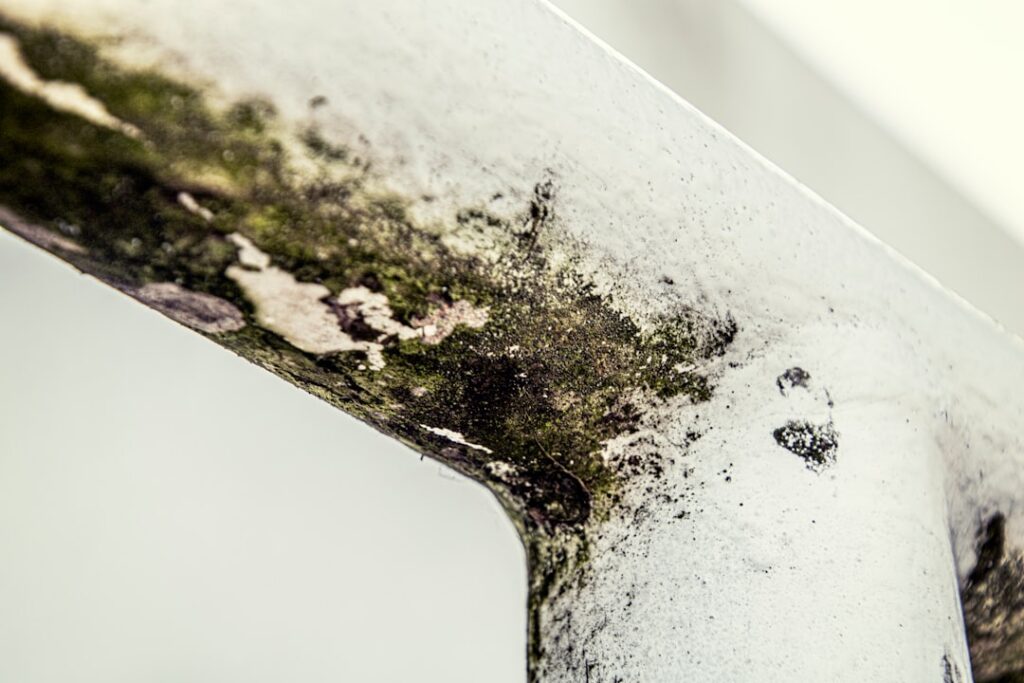
Wood is one of mold’s favorite surfaces. It is porous, it holds moisture, and the cellulose in it is a direct food source, which is why framing, subfloors, and crawlspace beams are common trouble spots in Front Range homes after a roof leak or a wet basement. Knowing what black mold looks like on wood helps you separate a real problem from harmless surface staining or aged timber. This guide summarizes EPA and CDC guidance current as of 2026 — consult a physician about symptoms and a certified professional for testing decisions. The visual cues below cover the most common appearances and the ones people most often confuse with mold.
Is this mold, asbestos, or water damage? Get a free instant screen
Upload a clear photo of the suspect area. You'll get an instant AI screening opinion and what to do next. This is screening guidance, not a professional determination.
Screening guidance only. AI can be wrong. Confirm asbestos, mold type, or lead with lab testing or a licensed professional before acting.
What black mold looks like on wood
On wood, black mold typically appears as clustered dark spots or fuzzy, slightly raised patches ranging from greenish-black to deep charcoal. The texture is the clearest tell. Active mold often looks furry, slimy, or speckled rather than smooth, and it tends to grow in irregular blotches that follow the grain or pool in the lowest, dampest areas of a board.
The species most people mean by “black mold” is Stachybotrys chartarum, which favors constantly wet, cellulose-rich materials like soaked framing or subfloor. It looks dark and often has a greenish or wet, shiny appearance when actively growing. Many other molds also appear black or dark green on wood, and you cannot reliably identify the species by sight — only a lab can do that.
Early growth shows up as small dark pinpoint specks scattered across the surface. As a colony matures, the specks merge into larger patches, the color deepens, and a musty odor usually develops. If the wood feels damp and the dark area is spreading, you are almost certainly looking at active mold rather than an old stain.
How to tell mold from stains, rot, and dirt
Not every dark mark on wood is mold. A few look-alikes trip up homeowners constantly.
Water stains
Old water stains are flat, smooth, and usually brown or yellowish with a defined tide-line edge. They do not feel fuzzy and they do not spread once the wood dries. A stain that stays the same year after year is just a stain.
Wood rot
Rot is decay caused by fungi that have already broken down the wood fibers. Rotted wood is soft, crumbly, or spongy and may be darkened, but the structural damage is the defining feature. Rot and mold often appear together because both need sustained moisture, and finding one is a reason to probe for the other.
Mineral staining and dirt
Iron or tannin staining and ordinary grime sit on the surface and wipe away or stay fixed without spreading. Mold, by contrast, returns after cleaning if the moisture remains and often leaves a faint stain in the grain even after the surface growth is removed.
A simple field check: dab a small amount of diluted bleach on the dark spot. If it lightens within a minute or two, it is likely mold; if the color does not change, it is more likely a stain or dirt. This is a clue, not a diagnosis. For a broader look at distinguishing species and surfaces, our guide to the common types of mold found in homes walks through the colors and textures you will encounter.
Where black mold hides on wood in a home
Mold grows where wood stays wet, so the hot spots follow the water. Crawlspaces and basements top the list, where ground moisture and poor ventilation keep framing damp. Subfloors under bathrooms and kitchens are next, fed by slow plumbing leaks that go unseen for months.
Attic sheathing is a classic Front Range problem when bathroom exhaust fans vent into the attic instead of outside, or when roof ventilation is poor. The underside of the roof deck develops dark staining and mold along the rafters. Wall studs behind drywall hide mold after leaks; you often smell it before you see it, which is why our overview of signs of mold behind drywall is worth reading if a room smells musty.
Window and door framing, hardwood floors near exterior doors, and the wood under sinks round out the list. Anywhere wood meets a moisture source and stays dark and damp is worth a closer look.
Treated, sealed, and raw wood look different
The finish on a piece of wood changes both how mold appears and how deeply it takes hold, which matters for what you see and what you can do about it. The same colony behaves differently on a sealed floor than on a raw crawlspace joist.
On finished or sealed wood — varnished floors, painted trim, polyurethane-coated furniture — the protective layer keeps mold largely on the surface. It shows as dark spots or a film sitting on top of the finish, often wiping away to reveal sound wood beneath, though water that has breached the finish can let growth establish at the edges and seams. On raw or unsealed wood — framing lumber, subfloor, crawlspace beams, the backs of cabinets — there is no barrier, so mold roots directly into the porous fibers. It looks fuzzier and more embedded, and surface cleaning often leaves a stain because the growth penetrated the grain.
Pressure-treated wood resists rot but is not immune to surface mold, which can still grow on the dirt and organic film that collects on it. Engineered products like plywood and OSB are especially vulnerable because their layered, glue-bound construction and exposed edges soak up water readily, and mold on the paper-faced edges of these materials spreads fast. When you find dark growth on wood, noting the finish tells you whether you are likely dealing with a surface film you can clean or rooted growth that may need the section removed.
Confirming whether it is mold or just a stain
Because look-alikes are common, a short confirmation routine saves unnecessary worry and unnecessary work. Start with texture and behavior, then move to a simple test if you are still unsure.
Press a gloved finger or a dry cloth to the dark area. Active mold often feels slightly fuzzy, raised, or damp and may smear, while a stain feels flat and smooth and leaves nothing on the cloth. Smell the spot; a musty, earthy odor strongly suggests active growth, whereas an old stain is odorless. Check whether the mark is spreading over time — mold expands while a stain stays fixed.
If those checks are inconclusive, dab a little diluted bleach on a small area and wait a minute or two. If the dark color lightens noticeably, it is likely mold, since bleach removes the pigment in living growth; if the color does not change, it is more likely a mineral stain, water mark, or dirt. This is a field clue, not a lab result, and it cannot identify the species — only a laboratory can do that. But for the everyday question of “is this mold or just a stain,” the combination of texture, smell, spread, and a spot bleach test answers it well enough to decide whether to clean, dry, or call for an assessment.
Is black mold on wood dangerous?
The health concern with any indoor mold, dark or not, is exposure to spores and the compounds molds release. The CDC notes that mold exposure can cause nasal congestion, throat irritation, coughing, and worsened asthma, and that people with allergies, asthma, or weakened immune systems are most sensitive. The agency emphasizes that the color of mold does not reliably predict its health risk, and that the practical response to any sizable indoor mold is the same: remove it and fix the moisture.
That means you should not panic at the word “black,” but you also should not ignore active growth on structural wood. Mold on framing or subfloor often signals a moisture problem serious enough to threaten the wood’s strength over time, which is a structural issue on top of an air-quality one.
How black mold changes as it ages on wood
Mold on wood does not stay static, and the stage you catch it at shapes how you respond. In the earliest phase, growth appears as scattered pinpoint specks, often barely darker than the wood and easy to mistake for dirt. The wood at this point is usually only lightly damp, and quick drying can stop the colony before it establishes.
As moisture persists, the specks expand into patches, the surface takes on a fuzzy or velvety texture, and a musty odor develops. This is the stage most homeowners notice. Left longer, the colony darkens to deep charcoal or greenish-black, the surface may look wet or slimy when actively feeding, and staining penetrates the grain so that even surface removal leaves a shadow behind.
In advanced cases, the wood itself begins to soften as decay fungi join the mold, both thriving on the same sustained moisture. At that point the concern shifts from cosmetics and air quality to structural integrity. Recognizing which stage you are looking at — surface speckling versus deep, softening growth — is the difference between a quick clean-and-dry and a board that needs replacing.
Black mold on wood and Front Range homes
Colorado’s dry climate gives the impression that mold should be rare, and outdoor humidity is genuinely low most of the year. The trouble comes from the indoor microclimates homes create. Tightly sealed, energy-efficient construction traps moisture from showers, cooking, and breathing, and that moisture finds the coldest wood surfaces.
Crawlspaces over the region’s clay and sandy soils hold ground moisture that condenses on floor framing, especially where vapor barriers are missing or torn. Attic sheathing develops dark staining when bathroom fans dump humid air into the attic instead of venting through the roof. Spring snowmelt and summer monsoon storms push water into basements and against rim joists. Even seasonal swings matter: a warm day after a cold night can condense moisture inside wall cavities on wood that was perfectly dry the week before. The lesson for Front Range owners is that a dry regional climate does not exempt a home from wood mold; it just concentrates the problem at the specific spots where indoor moisture meets cold framing.
How to clean and when to test or call a pro
For a small surface patch on finished or sealed wood, scrub with detergent and water or a wood-safe mold cleaner, then dry the area thoroughly. Sanding may be needed to lift staining that has penetrated the grain, and you should wear an N95 respirator and gloves while doing it.
Raw or structural wood is harder. Mold roots into porous, unsealed wood and surface cleaning may not reach it. If the wood is soft, the patch is larger than about 10 square feet, or the growth keeps returning, the EPA recommends professional remediation rather than DIY.
Testing is worth it when you can smell mold but cannot find it, when growth recurs, or when you need documentation for a real estate transaction. A professional inspection uses moisture meters and sometimes air or surface sampling to map the problem. For the full process and what testing can and cannot tell you, see the mold inspection and testing hub, which connects identification, testing, and cleanup.
References
- About Mold and Your Health — Centers for Disease Control and Prevention
- A Brief Guide to Mold, Moisture and Your Home — U.S. Environmental Protection Agency
- Mold Health Effects Research — National Institute of Environmental Health Sciences
Spotting dark growth on framing, a subfloor, or attic sheathing is a good reason to have it checked before it spreads. Get in touch through our contact page to connect with a qualified Front Range mold inspector.