Signs of Mold Behind Drywall Homeowners Should Know
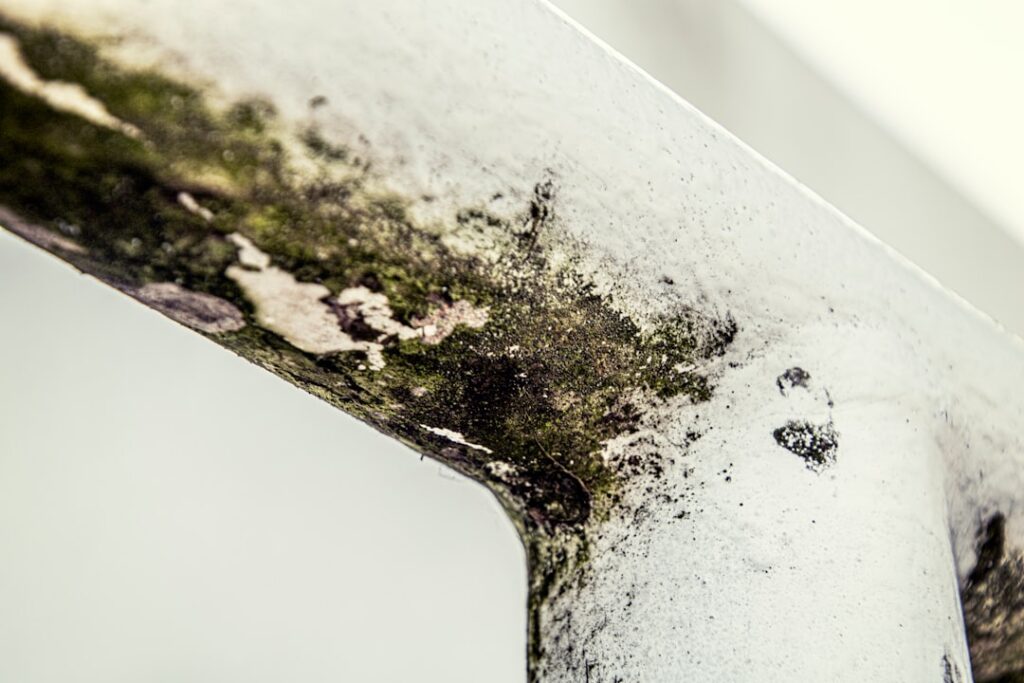
The most troublesome mold is the kind you cannot see. Drywall hides growth inside wall cavities for weeks or months, fed by a slow leak or trapped condensation, while the room looks normal from the outside. Recognizing the signs of mold behind drywall lets you investigate before a small leak becomes a wall-replacement project. This guide summarizes EPA and CDC guidance current as of 2026 — consult a physician about symptoms and a certified professional for testing and removal decisions. The clues below are the ones inspectors rely on, ranked roughly from earliest warning to clearest confirmation.
Is this mold, asbestos, or water damage? Get a free instant screen
Upload a clear photo of the suspect area. You'll get an instant AI screening opinion and what to do next. This is screening guidance, not a professional determination.
Screening guidance only. AI can be wrong. Confirm asbestos, mold type, or lead with lab testing or a licensed professional before acting.
A quick self-inspection routine
Before investing in tools or a professional, a homeowner can run a structured self-inspection that catches most hidden-mold situations. The goal is to combine senses and simple observation rather than guessing from a single clue.
Start with your nose. Walk each room slowly and note where any musty, earthy, or damp smell is strongest, since odor concentration points toward the source. Then look with a flashlight held at a low, raking angle along walls, which reveals subtle bulging, warping, or staining that flat overhead lighting hides. Pay special attention to walls shared with bathrooms and kitchens, exterior walls below windows, and the base of basement walls near the foundation.
Next, touch. Press gently along suspect walls feeling for soft spots, dampness, or areas noticeably cooler than the surrounding surface. Check baseboards and the bottoms of walls for swelling. Look behind and beneath furniture pushed against exterior walls, where still air and condensation encourage growth. Finally, consider timing and history — recent leaks, past flooding, a roof problem, or a season of heavy condensation all raise the odds. Recording where the smell is strongest and where you find dampness or staining gives you a map of the likely problem area, which is exactly what you would hand to a professional. This ten-minute routine, repeated when something feels off, is the most reliable low-cost way to catch hidden mold early.
The clearest signs of mold behind drywall
Hidden mold announces itself through several signals, and the strongest case comes when more than one appears together. The earliest and most reliable is smell. A persistent musty, earthy, or damp odor in a room with no visible source usually means mold is growing somewhere you cannot see, often inside a wall. The odor comes from compounds molds release as they grow, and it tends to be strongest near the affected wall or when a closet is first opened.
Visible staining is the next clue. Yellow, brown, or greenish-black discoloration bleeding through paint, especially in irregular blotches, signals moisture and possible growth behind the surface. Bubbling, peeling, or cracking paint and wallpaper points to moisture pushing outward from inside the wall. Drywall that feels soft, looks bowed, or shows warping has absorbed water, and where there is sustained water in drywall, mold typically follows within a couple of days.
Health reactions are an indirect but important sign. The CDC notes that mold exposure can cause nasal congestion, coughing, throat irritation, and worsened asthma. If symptoms ease when household members leave the home and return indoors, hidden mold is a reasonable suspect.
Why mold grows behind drywall in the first place
Drywall is gypsum sandwiched between paper, and that paper is a cellulose food source mold loves once it gets wet. The back side faces the wall cavity, where moisture collects and air barely moves, creating ideal growth conditions out of sight.
The moisture sources are predictable. Plumbing leaks inside walls — a dripping supply line or a failing drain behind a bathroom or kitchen wall — are the classic cause. Roof and window leaks track water down into wall cavities. Condensation forms inside exterior walls in winter when warm indoor air meets cold sheathing, a common Front Range issue in poorly insulated homes. Foundation seepage wicks up through basement walls. Each of these can wet the back of drywall while the painted face stays dry-looking for a long time.
Where to look first
Concentrate your search where water and walls intersect. Bathrooms top the list, particularly walls shared with showers and behind toilets and vanities. Kitchen walls behind sinks and dishwashers are next. Exterior walls below windows, around the base of walls near the foundation in basements, and ceilings under bathrooms or roof valleys all deserve attention.
Run your hand along suspect walls feeling for soft spots, dampness, or temperature differences. Use a flashlight at a low angle to reveal subtle bulging or staining that flat lighting hides. Bathrooms in particular are worth monitoring because they combine moisture, warmth, and frequent water use; our guide to managing mold in the bathroom covers the ventilation fixes that prevent it. If you smell mold but cannot trace it, the source is often behind a wall rather than on a surface.
How fast hidden mold spreads inside a wall
The timeline matters because it explains why early signs deserve action. Mold begins colonizing wet cellulose — the paper backing of drywall — within 24 to 48 hours of the material getting wet. Inside a wall cavity, conditions are nearly ideal: the paper is a direct food source, the space is dark, and air barely moves, so there is little drying to interrupt growth.
From that first colonization, a slow leak can sustain growth indefinitely. Over weeks the colony expands across the back of the drywall and onto the studs, insulation, and any other organic material in the cavity. By the time staining bleeds through to the painted face or the smell becomes noticeable in the room, the hidden growth is usually larger than what eventually appears on the surface. This lag is exactly why a faint stain or a soft spot is worth investigating immediately rather than monitoring; the visible clue is the tail end of a process that has been underway for some time. Catching it at the first musty whiff, before the drywall warps, keeps the repair small.
Front Range conditions that hide mold in walls
Colorado’s dry air leads many homeowners to assume hidden wall mold is unlikely, but the region’s building patterns create specific traps. Winter condensation is the big one: warm, humid indoor air migrates into exterior wall cavities and condenses on the cold sheathing behind poorly insulated walls, wetting the back of the drywall without any plumbing leak involved.
Finished basements are another hot spot. Drywall installed directly against or close to concrete foundation walls can wick moisture from spring snowmelt or summer storm seepage, and the growth stays hidden behind the finished surface for months. Homes with bathroom exhaust fans that vent into wall cavities or attics instead of outdoors push humid air exactly where it condenses on framing. And the dramatic day-to-night temperature swings common along the Front Range can drive cycles of condensation inside walls on shoulder-season days. None of these require a dramatic flood — just a steady, low-level moisture source that the dry outdoor climate masks. That is why a musty smell in a Colorado home, even one that seems too dry for mold, still warrants a look behind the drywall.
How professionals confirm mold behind drywall
Inspectors use tools that see what the eye cannot. A moisture meter reads the dampness inside drywall without opening it, mapping wet zones that point to a leak. Thermal imaging cameras reveal temperature differences from moisture and air movement inside walls, highlighting cold, wet areas. A borescope — a small camera on a flexible cable — can be slipped through a tiny drilled hole to look directly into the cavity with minimal damage.
For air-quality questions, an inspector may take air samples inside the room and compare spore counts to an outdoor baseline, or cut a small inspection opening for a surface sample. These tools are the reason a professional assessment beats guessing. Our broader look at the types of mold tests and their accuracy explains what sampling can and cannot tell you, and the mold inspection and testing hub connects inspection, testing, and remediation.
Telling hidden mold from other wall problems
Several wall issues mimic the signs of hidden mold, and distinguishing them prevents both false alarms and missed problems. Staining, bubbling paint, and odors each have non-mold explanations worth ruling in or out.
A brown or yellow ceiling stain can come from an old, resolved leak that left a mark but no active growth; if it is dry, has a hard tide-line edge, and never spreads, it may be just a stain. Bubbling or peeling paint sometimes results from poor adhesion or surface prep rather than moisture, though moisture is the more common cause and worth checking with a meter. A musty smell can occasionally trace to a damp crawlspace, a dirty HVAC system, or stored items rather than wall mold, so locating where the odor is strongest helps.
Efflorescence — a white, crystalline, gritty deposit on basement walls — is a salt residue from water moving through masonry, not mold; it dissolves in water, while mold does not. Settling cracks and nail pops are structural, not moisture, issues. The way to separate these is to combine clues: a musty smell plus a damp moisture-meter reading plus staining that spreads is a strong hidden-mold case, while a single dry stain with no odor and no dampness is more likely a relic of a past problem. When the clues point in different directions, a moisture reading is the tiebreaker, since active hidden mold almost always coincides with current dampness in the material.
The risks of waiting and the cost of acting late
Hidden mold behind drywall rewards early action and punishes delay, and the reason is both health and money. Because the growth is concealed, it expands unchecked while the room looks fine, so every week of delay typically means more affected material.
A small, recently wet area caught at the first musty whiff might be resolved by stopping the leak and drying the cavity, with little or no material replaced. The same problem left for months can saturate studs, insulation, and adjacent drywall, turning a minor repair into a multi-stud demolition that the EPA’s guidance would push into professional remediation territory. The cost difference is substantial — the difference between a drying fan and a contractor invoice. On the health side, a growing hidden colony continues releasing spores and odors into the living space, and household members with asthma or allergies may experience worsening symptoms the longer it persists. Acting on the early signs — the faint stain, the soft spot, the smell that will not quit — is consistently cheaper and healthier than waiting for the wall to visibly fail, which is the point at which the problem has already grown well beyond what is visible.
What to do if you suspect hidden mold
Resist the urge to immediately tear open the wall, which releases spores throughout the room. Instead, start by confirming and stopping the moisture source. Check for active leaks, run a moisture meter if you have one, and reduce humidity to below 50 percent with ventilation and a dehumidifier.
If the wall is wet but the suspected area is small and you have stopped the leak, drying may halt growth before it spreads. If staining is extensive, the smell is strong, the drywall is soft over a wide area, or anyone in the home has asthma or immune concerns, bring in a professional. The EPA recommends professional remediation for areas larger than about 10 square feet, and hidden mold in walls often exceeds that once the cavity is opened. A remediator will contain the area, remove affected drywall and insulation, treat and dry the cavity, and verify the result before the wall is rebuilt.
Acting on the early signs — the smell, the faint stain, the soft spot — is what keeps a hidden leak from turning into a multi-stud demolition. Hidden mold rewards homeowners who investigate the first warning rather than wait for the wall to fail.
References
- Mold Cleanup in Your Home — U.S. Environmental Protection Agency
- About Mold and Your Health — Centers for Disease Control and Prevention
- Mold and Your Health — Colorado Department of Public Health and Environment
A musty smell or a soft, stained wall is worth checking before it spreads inside the cavity. Get in touch through our contact page to connect with a Front Range inspector who can confirm hidden mold.
Mold removal & cleanup picks
For a small, contained patch (under ~10 sq ft) these EPA-friendly removers handle surface mold. Larger or recurring growth warrants a professional assessment first.
| Product | Why | Buy |
|---|---|---|
 RMR-86 Instant Mold Stain Remover RMR-86 Instant Mold Stain Remover | Fast-acting on stains; ventilate and wear PPE. | Amazon — $18.38 |
 Concrobium Mold Control Concrobium Mold Control | No-bleach formula that also helps prevent regrowth. | Amazon — $13.48 |
 Mold Armor Mold & Mildew Remover Mold Armor Mold & Mildew Remover | Widely stocked bathroom/surface remover. | Amazon — $22.98 |