10 Warning Signs of Mold Exposure in Toddlers
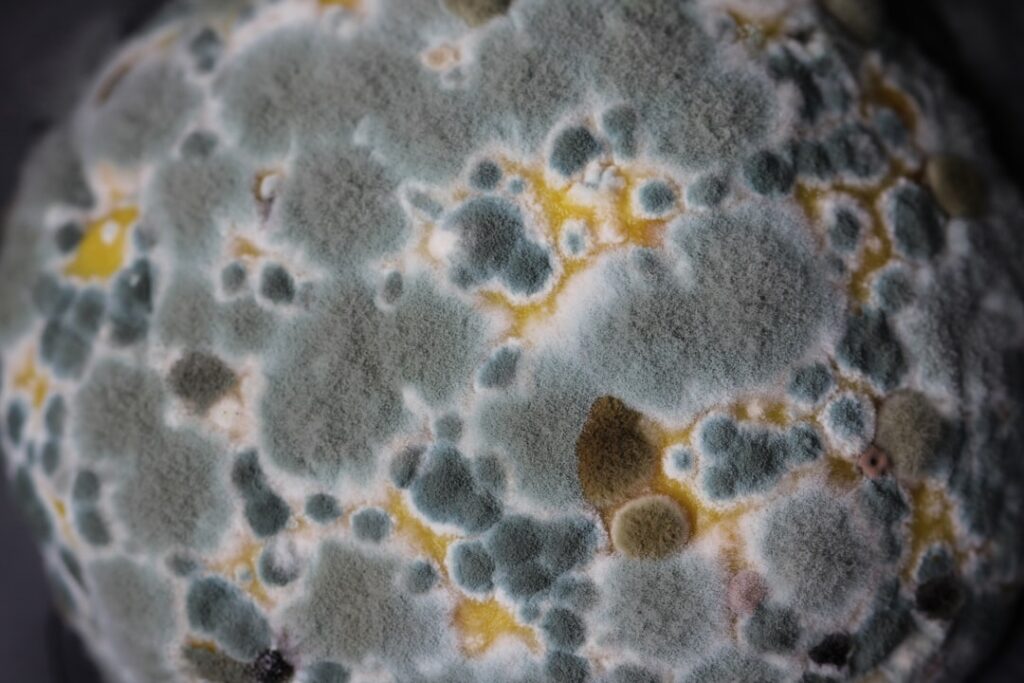
Parents searching for the 10 warning signs of mold toxicity in toddlers are usually worried, and rightly cautious — young children spend more time indoors and breathe faster than adults, so damp homes affect them more. It helps to separate what authoritative health agencies actually document from the more dramatic “toxic mold” claims online. This guide summarizes EPA and CDC guidance current as of 2026 — consult your physician for symptoms and a certified professional for testing decisions.
Is this mold, asbestos, or water damage? Get a free instant screen
Upload a clear photo of the suspect area. You'll get an instant AI screening opinion and what to do next. This is screening guidance, not a professional determination.
Screening guidance only. AI can be wrong. Confirm asbestos, mold type, or lead with lab testing or a licensed professional before acting.
What are the warning signs of mold exposure in toddlers?
The CDC and other health agencies link indoor mold and dampness primarily to respiratory and allergic symptoms, not to a distinct diagnosable “toxicity.” With that framing, here are ten signs parents commonly notice when a toddler is reacting to a moldy environment:
- Persistent nasal congestion or a runny nose with no cold
- Frequent coughing, especially at night or at home
- Wheezing or noisy breathing
- Worsening or new asthma-like symptoms
- Red, itchy, or watery eyes
- Sneezing fits indoors
- Skin irritation or rashes
- Sore or scratchy throat
- Recurrent respiratory or sinus infections
- Symptoms that improve when the child is away from home and return on coming back
That last sign — symptoms that track with being in the house — is one of the most telling clues that the indoor environment is involved. None of these signs is unique to mold, which is why a physician’s evaluation matters. For the household side of the equation, our mold inspection hub explains how to find and confirm a source.
It is worth pausing on how to read these signs together rather than in isolation. A single sneezy afternoon means little. A pattern — congestion plus cough plus eye irritation that all ease during a weekend at grandma’s house and return Sunday night — is the kind of clustered, location-linked picture that points toward the home environment. Parents are often the first to notice this rhythm because they see the child day to day. Keeping a short log of when symptoms appear and where the child was can give a pediatrician genuinely useful information.
Distinguishing mold reactions from colds and allergies
Toddlers catch a lot of colds, and the overlap with mold-related symptoms is real. A few patterns help separate them. Colds typically run a course of a week to ten days and often come with a low fever; mold and allergy reactions tend to persist as long as the exposure continues and usually do not cause fever. Seasonal pollen allergies flare outdoors and in spring or fall; indoor mold reactions can occur year-round and often feel worse inside a damp home.
The clearest differentiator remains the location pattern. If symptoms reliably improve when the child spends a day or two away from home and return on coming back, an environmental trigger inside the house is likely. None of this replaces a doctor’s assessment — a pediatrician can test for specific allergies and rule out infection — but recognizing the pattern helps parents describe the problem accurately and decide whether to investigate the home.
What the science actually says about “mold toxicity”
The phrase “mold toxicity” appears constantly online, but the established medical consensus is more measured. The CDC states that while some molds produce mycotoxins, the common health effects of indoor mold exposure are allergic and respiratory — congestion, coughing, eye and throat irritation, and asthma aggravation. Claims of a broad “toxic mold syndrome” causing memory loss or neurological damage are not well supported by peer-reviewed evidence.
This distinction matters because it shapes the right response. Children with asthma or allergies are genuinely more sensitive to damp, moldy environments, and reducing exposure clearly helps them. But a parent should focus on real, observable symptoms and a doctor’s assessment rather than self-diagnosing a toxic illness from a website. The American Lung Association similarly frames mold as an asthma and allergy trigger to be reduced, not a poison to be feared in mystical terms.
Why toddlers are more vulnerable
Several factors make young children more reactive to indoor mold than adults. Their respiratory systems and immune systems are still developing. Pound for pound, they breathe more air than adults, so they inhale more of whatever is in it. They also spend more time at floor level and indoors, where settled spores and damp materials concentrate.
Research compiled by the National Institute of Environmental Health Sciences links early-life exposure to damp, moldy housing with a higher risk of developing asthma and respiratory problems in children. That is a strong, evidence-backed reason to take indoor dampness seriously in a home with a toddler — not because of exotic toxins, but because of well-documented respiratory effects.
This evidence is also why the response should be proportionate and practical rather than fearful. The goal is not to chase down a mysterious poison but to reduce a child’s exposure to dampness and mold, which the research consistently links to better respiratory outcomes. A dry, well-ventilated home is genuinely protective for a developing child, and that is achievable with ordinary maintenance rather than drastic measures.
Where to look for mold in a child’s environment
If you suspect the home is involved, focus your search where moisture collects and where a toddler spends time. Check the nursery and play areas first, then the rooms above and beside them, since hidden growth can affect adjacent spaces. Look in these common locations:
- Around and beneath windows where condensation forms, especially in winter
- Behind and under cribs, dressers, and toy bins placed against exterior walls
- Bathrooms used for baths — grout, caulk, and around the tub
- Basements and crawl spaces below the living area
- Closets on exterior walls, which stay cool and poorly ventilated
- Anywhere with a musty smell, even without visible growth
Toddlers spend time low to the ground and put things in their mouths, so settled spores and damp materials at floor level matter more for them than for adults. If you find growth or persistent dampness, prioritize fixing it. Our field guide to identifying mold types can help you recognize what you are seeing, though the cleanup approach is the same regardless of species. Pay particular attention to the nursery itself, since that is where the child sleeps for many hours each night; a small patch of mold behind a crib against a cold exterior wall can produce a surprising amount of exposure simply because of how long the child is near it.
What parents should do first
If a toddler shows persistent symptoms, take two parallel paths: medical and environmental.
On the medical side, see a pediatrician. Describe when symptoms appear, whether they ease away from home, and any known dampness. The doctor can evaluate for asthma, allergies, or infection and decide whether allergy testing makes sense. Do not attempt to diagnose mold illness yourself.
On the environmental side, look for moisture and visible mold. Check bathrooms, around windows, the basement, under sinks, and any area with a musty smell. If you find growth or a damp source, the priority is to fix the moisture and clean or remove the affected material. Keeping indoor humidity between 30 and 50 percent helps prevent regrowth. Our guide to professional mold remediation services covers when cleanup needs to go beyond DIY.
How to reduce mold exposure for a child
Lowering a toddler’s exposure comes down to controlling moisture and removing existing growth:
- Run bathroom and kitchen exhaust fans, and confirm they vent outside, not into the attic.
- Use a dehumidifier in damp basements to hold humidity below 50 percent.
- Fix leaks promptly — within 24 to 48 hours dried, materials usually escape mold.
- Clean small hard-surface mold patches while the child is out of the home.
- Remove porous materials like moldy drywall or carpet rather than just cleaning them.
Avoid having the child present during any cleanup, since disturbing mold releases spores. Once the source is fixed and the area cleaned, watch whether symptoms improve.
A few child-specific precautions go beyond general mold cleanup. Move the toddler and any nearby toys, bedding, and soft furnishings out of the room before you disturb mold, and keep the child away until the area is cleaned, dried, and aired out. Soft items like stuffed animals and crib bedding that sat in a moldy area should be laundered on a hot cycle or, if heavily affected, discarded. Run the cleanup when the child can be out of the house for several hours, and use plain detergent and water on hard surfaces rather than harsh chemicals whose fumes could bother small lungs.
Working with your pediatrician
The medical side of this is as important as the home side, and the two work best together. Bring the pediatrician concrete observations: when symptoms appear, whether they ease away from home, any visible mold or dampness you found, and the rough timeline. That detail helps the doctor decide whether the picture fits asthma, allergies, a lingering infection, or an environmental trigger.
The pediatrician may recommend allergy testing, which can confirm a mold sensitivity, or may simply advise reducing exposure and monitoring the response. Resist the pull of online “mold toxicity” panels and unproven treatments; the NIEHS and CDC framing centers on allergic and respiratory effects, and a pediatrician’s evidence-based assessment is far more reliable than a marketed test. If the home is cleaned and dried and symptoms still persist, that is valuable information too, pointing the doctor toward other causes. The partnership — parent observing, home corrected, doctor evaluating — gives a child the best path to feeling better.
When to seek help quickly
Most mold-related symptoms in toddlers are mild and improve once exposure ends. Seek prompt medical care, however, for any breathing difficulty, persistent wheezing, a worsening asthma attack, or symptoms that do not improve after reducing exposure. Children with existing asthma, allergies, or weakened immune systems warrant a lower threshold to call the pediatrician.
For the home itself, if you suspect hidden mold you cannot find, or if growth is widespread, a professional assessment locates the moisture and confirms what needs removal. Pairing a doctor’s evaluation with a clean, dry home gives a toddler the best chance to feel better.
The reassuring takeaway for worried parents is that most mold-related symptoms in young children resolve once the dampness is corrected and exposure ends. The situation calls for prompt, practical action rather than alarm: observe the pattern, check the home for moisture, fix what you find, and let the pediatrician guide the medical side. A dry, ventilated home with humidity held between 30 and 50 percent is a genuinely protective environment for a developing child, and it is well within reach of ordinary household care. Parents do not need to chase exotic diagnoses or expensive specialty tests; they need to reduce a child’s exposure to dampness and mold, which the evidence consistently links to better respiratory health. That is an achievable, concrete goal, and pursuing it calmly serves a toddler far better than reacting to alarming claims online.
References
- About Mold and Your Health — Centers for Disease Control and Prevention
- Mold and Health Research — National Institute of Environmental Health Sciences
- Mold and Health — U.S. Environmental Protection Agency
- Mold and Indoor Air Quality — American Lung Association
If you suspect hidden dampness in a home with young children, a vetted Front Range inspector can locate and confirm the source — connect with one through our contact page.