Early Signs of Mold On Drywall: What to Know
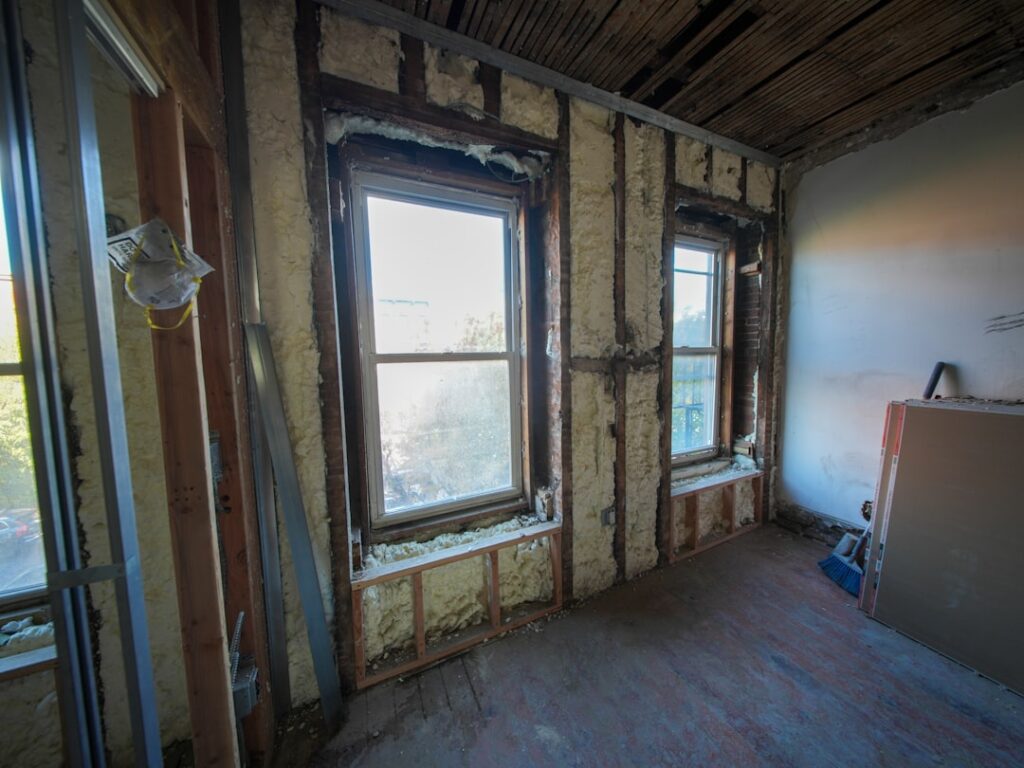
Catching mold on drywall early is the difference between a quick wipe-down and a wall-replacement project. The earliest signs are subtle, easy to mistake for ordinary dirt or shadow, and often appear weeks before obvious black patches show up. Learning the early signs of mold on drywall lets Front Range homeowners act while the growth is still shallow and the gypsum board can still be saved. This guide summarizes EPA and CDC guidance current as of 2026 and focuses on detection rather than treatment. It does not diagnose health conditions; consult a physician about symptoms and a certified professional for testing decisions.
Part of our Mold Around the Home guide — start there for the full picture →
Is this mold, asbestos, or water damage? Get a free instant screen
Upload a clear photo of the suspect area. You'll get an instant AI screening opinion and what to do next. This is screening guidance, not a professional determination.
Screening guidance only. AI can be wrong. Confirm asbestos, mold type, or lead with lab testing or a licensed professional before acting.
The Earliest Visible and Sensory Signs
The first clue is often a smell, not a sight. A persistent musty, earthy, or damp-basement odor in a room signals active mold even when nothing is visible, because growth frequently starts behind the painted surface or near the floor where it is easy to overlook. If a room smells off after being closed up, that odor deserves investigation.
Visually, early mold appears as faint discoloration: small specks or a light haze of gray, green, black, or pinkish staining, usually clustered near a moisture source such as a baseboard, window frame, ceiling corner, or plumbing wall. The spots are often tiny and scattered at first rather than one large patch. Paint changes are another early tell, with bubbling, peeling, cracking, or a slightly raised texture where moisture has gotten behind the film. Because these cues are easy to confuse, our comparison of mold versus mildew on walls helps clarify what you are looking at.
Why Early Detection Matters on Drywall
Drywall is porous, so timing is everything. The EPA notes that mold can begin growing on a damp surface within 24 to 48 hours. On painted, sealed drywall caught at the surface stage, cleaning and drying can resolve the problem. Once mold penetrates the paper facing and gypsum core, the board usually has to be removed because surface treatment cannot reach the roots.
Early growth is also smaller, almost always under the roughly 10-square-foot threshold the EPA cites for homeowner cleanup, which keeps it a DIY-scale task rather than a professional remediation. Spotting it early therefore protects both the wall and your budget. The mold inspection and testing hub outlines how professionals confirm whether material is still salvageable when the call is close.
Where to Look First
Mold follows water, so inspect the spots most likely to get damp. Exterior-facing walls in basements and bedrooms collect condensation, especially behind furniture pushed tight against them where air cannot circulate. Bathroom walls near showers and tubs, kitchen walls behind sinks and dishwashers, and the drywall around window frames all see recurring moisture.
Ceilings below bathrooms and below the roofline reveal leaks as faint brown rings that later host mold. Closets on exterior walls are a frequent hidden site because they stay dark, still, and slightly cooler. Pull furniture away from suspect walls, open closets, and use a flashlight at a low angle, which makes texture changes and faint staining stand out far better than head-on lighting.
Moisture Clues That Precede Visible Mold
Often the moisture is detectable before the mold is. Condensation forming on a wall or window, a wall that feels cool and slightly damp to the touch, or drywall that has a faint water stain are all warnings that conditions favor growth. A moisture meter is the most reliable early-warning tool; elevated readings inside a wall that looks dry on the surface indicate hidden dampness well before any staining appears, which is why it is the instrument professionals reach for first when chasing a suspected moisture problem.
Behavioral clues help too. A room that fogs up the windows, a basement that feels clammy, or relative humidity readings consistently above 50 percent on an inexpensive hygrometer all point to an environment where mold on drywall is likely to start. The EPA recommends keeping indoor humidity below that 50 percent mark for this reason.
Certain locations practically advertise their moisture risk before any mold appears. Walls below a bathroom or roofline that show faint brown rings are catching water from above. Drywall around a window that collects condensation each cold morning stays damp at the sill and lower frame. The base of an exterior wall in a finished basement, where warm room air meets a cold below-grade surface, is a perennial condensation zone. Recognizing these patterns lets you check the highest-risk spots first and act on the moisture before the staining ever shows.
Distinguishing Early Mold From Look-Alikes
Not every mark on drywall is mold, and misreading the signs leads to wasted effort or false alarm. Ordinary dust and dirt collect in films near vents and along baseboards but wipe away cleanly and do not return on a dry wall. Scuffs and smudges from furniture or hands are localized and do not have the speckled, spreading pattern of early growth. Efflorescence, the white powdery mineral deposit that appears where water moves through masonry, can show on drywall near a foundation but is crystalline and brushes off as powder rather than smearing.
Mildew, a surface form of mold, looks similar to early drywall mold and is treated much the same way; both signal moisture. Soot and nicotine staining tend to be uniform and yellow-brown rather than speckled. The reliable tells for early mold are the combination of a musty odor, a fuzzy or slightly raised texture, irregular spreading patches, and proximity to a moisture source. When a mark wipes off and does not come back on a dry surface, it was probably dirt. When it returns, smells musty, or sits where a wall stays damp, treat it as mold and investigate the moisture.
How Fast Early Mold Spreads on Drywall
The window for easy action is short. The EPA notes mold can begin growing on a damp surface within 24 to 48 hours, and on porous drywall a faint surface patch can darken and thicken noticeably over the following days and weeks if the moisture persists. Early growth that is shallow today may root into the paper facing within a couple of weeks of continued dampness, at which point cleaning no longer works and the board must be cut out.
Speed depends on conditions. Warmth, sustained humidity above 50 percent, poor airflow, and a steady moisture source accelerate growth, while a wall that dries out between wetting events slows or halts it. This is why a single overlooked leak over a weekend, or a closet that never gets airflow, can produce visible growth so quickly. The practical lesson is to treat the earliest signs as time-sensitive: the difference between a wipe-down and a wall repair is often just a matter of how long the moisture was allowed to linger.
Health Cues That May Accompany Early Mold
Sometimes the body notices before the eyes do. The CDC reports that exposure to damp, moldy environments can cause nasal stuffiness, throat irritation, coughing, wheezing, and eye irritation, and that people with asthma or mold allergies may react more strongly. If household members develop these symptoms that improve when they leave the house and return when they come back, that pattern can hint at an indoor mold or moisture problem worth investigating. These are general associations, not a diagnosis; anyone with persistent symptoms should consult a physician.
Pay particular attention if symptoms cluster in one room, such as a bedroom against an exterior wall or a basement office, since that points toward a localized source. Children, older adults, and anyone with a compromised immune system or chronic respiratory condition tend to be more sensitive, and their reactions can be an earlier warning than visible growth. Still, symptoms alone do not confirm mold, and many other things cause the same complaints. Treat them as one more reason to inspect the drywall and moisture, not as a diagnosis in themselves. Keeping a simple note of when and where symptoms appear can help you and a physician spot a pattern that lines up with a particular room or season.
What to Do When You Spot Early Signs
Confirm before you scrub. Verify the area is actually mold and not just dirt or staining, find and stop the moisture source, and assess whether the drywall is still firm or has gone soft. Small, surface-level growth on sound, painted drywall can usually be cleaned with detergent and water followed by thorough drying, while wearing an N95 respirator, gloves, and eye protection. Our guide on how to get rid of mold covers the cleanup steps in detail.
If the area is larger than about 10 square feet, if the drywall is soft or stained through, if mold keeps returning, or if you smell mold but cannot locate it, bring in a qualified professional who can perform moisture mapping and, where appropriate, sampling to find hidden growth.
One judgment matters most at the early stage: is the drywall still firm, or has it softened? Press gently on the discolored area. Firm board with only surface staining is a strong candidate for cleaning. Spongy, bulging, or crumbling drywall has absorbed water, which usually means the mold has gone deeper than the surface and that section will need to be cut out. Catching the problem while the board is still firm is exactly the advantage that early detection provides, and it is why the cues in this guide are worth checking before staining becomes obvious.
A Simple Self-Inspection Routine
You do not need professional equipment to stay ahead of drywall mold. A periodic walk-through, every couple of months and after any leak or heavy storm, catches the earliest signs. Start in the highest-risk rooms: bathrooms, the kitchen, the laundry area, and the basement. Use a flashlight held at a low, raking angle along each wall, which throws faint texture changes and discoloration into relief far better than overhead light.
Pull furniture a few inches off exterior walls and open closet doors to check the corners that stay dark and still. Run your hand along suspect areas to feel for dampness, softness, or a cool clammy surface. Note any musty odor and try to trace it to a wall or corner. An inexpensive hygrometer in chronically humid rooms, and a basic moisture meter for spot-checking suspicious walls, add objective data to what your eyes and nose tell you. Logging what you find, even mentally, helps you notice whether a faint mark is new or growing over time.
Preventing Early Mold From Taking Hold
The same conditions that produce early signs are the ones to control. Run bathroom and kitchen exhaust fans, keep humidity below 50 percent, repair leaks within a day or two, and improve air circulation around exterior walls and closets. Pull furniture a few inches off cold exterior walls so air can move. In Front Range basements, a dehumidifier during humid stretches keeps gypsum board dry. Periodic low-angle flashlight checks of the high-risk spots catch new staining while it is still a wipeable patch rather than a board you have to cut out.
Seasonal habits help on the Front Range specifically. Winter brings condensation as warm indoor air meets cold exterior walls and windows, so that is the time to watch sills, north-facing walls, and basement perimeters most closely. Spring snowmelt and summer thunderstorms test foundation drainage, so check basement walls and any spot below grade after heavy water. Running a dehumidifier during humid stretches, keeping gutters clear so roof water moves away from the house, and improving airflow in closed-off rooms all reduce the dampness that lets early mold start. Because the region’s outdoor air is dry, controlling these indoor and below-grade moisture sources is usually enough to keep faint growth from ever progressing past the easy-to-clean stage.
References
- A Brief Guide to Mold, Moisture and Your Home — U.S. Environmental Protection Agency
- About Mold and Your Health — Centers for Disease Control and Prevention
- Mold Cleanup in Your Home — U.S. Environmental Protection Agency
Frequently asked questions
What does early mold on drywall look like?
Early mold usually shows as faint specks or a light haze of gray, green, black, or pink near a moisture source, often with a musty odor and sometimes bubbling or peeling paint. It tends to be small and scattered before it forms one obvious dark patch.
Can I smell mold before I can see it on drywall?
Often yes. A persistent musty, earthy odor in a room frequently appears before visible staining because growth can start behind the paint or near the floor. A musty smell with no obvious source warrants a closer inspection with a flashlight.
Does early mold on drywall mean I have to replace the wall?
Not necessarily. Shallow surface growth on firm, painted drywall can often be cleaned and dried. The board usually needs replacing only once mold penetrates the paper or core, or the gypsum has gone soft from water damage.
If you’ve noticed early signs of mold on a wall and want a clear assessment, Front Range homeowners can reach out through our contact page to be connected with a vetted local inspector.
Mold removal & cleanup picks
For a small, contained patch (under ~10 sq ft) these EPA-friendly removers handle surface mold. Larger or recurring growth warrants a professional assessment first.
| Product | Why | Buy |
|---|---|---|
 RMR-86 Instant Mold Stain Remover RMR-86 Instant Mold Stain Remover | Fast-acting on stains; ventilate and wear PPE. | Amazon — $29.99 |
 Concrobium Mold Control Concrobium Mold Control | No-bleach formula that also helps prevent regrowth. | Amazon — $34.27 |
 Mold Armor Mold & Mildew Remover Mold Armor Mold & Mildew Remover | Widely stocked bathroom/surface remover. | Amazon — $22.98 |