Is White Mold on Wood Dangerous? What to Know
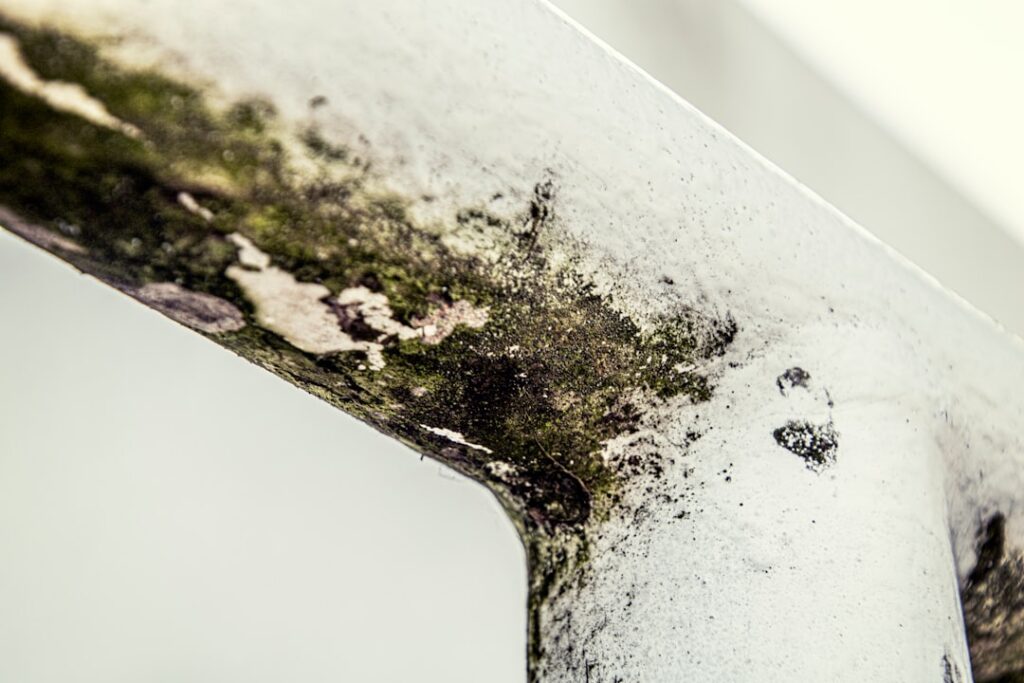
Spotting a fuzzy white film on floor joists, furniture, or framing raises an immediate concern, and homeowners reasonably ask: is white mold on wood dangerous? White mold is a real fungal growth, not a different species category, and like any indoor mold it can affect health and signals a moisture problem worth solving. Color is not a reliable measure of toxicity, so the more useful questions are how much is present, where, and why. This guide summarizes EPA and CDC guidance current as of 2026 — consult your physician about symptoms and a certified professional for testing and remediation decisions.
Is this mold, asbestos, or water damage? Get a free instant screen
Upload a clear photo of the suspect area. You'll get an instant AI screening opinion and what to do next. This is screening guidance, not a professional determination.
Screening guidance only. AI can be wrong. Confirm asbestos, mold type, or lead with lab testing or a licensed professional before acting.
Is White Mold on Wood Dangerous?
White mold on wood can be a health concern, though “dangerous” depends on the amount, the people exposed, and how long it has been growing. The CDC explains that mold exposure can cause allergic symptoms — sneezing, congestion, itchy eyes, and skin irritation — and can worsen asthma. People with allergies, asthma, or weakened immune systems are more sensitive. The CDC also notes that color alone does not tell you how hazardous a mold is; many species appear white when young and may darken as they mature.
The practical takeaway is that any visible indoor mold growth should be removed and the moisture behind it corrected, regardless of color. White mold on wood is not automatically more or less harmful than dark mold; the response is the same. For a broader look at how color relates to risk, the comparison guide on green mold versus black mold is useful context, and the mold inspection hub covers when testing makes sense.
It helps to separate two kinds of risk. There is the health question — whether the growth affects the people in the home — and the structural question — whether it threatens the wood itself. White mold raises both, and the answers depend on different factors. A small patch on a sealed piece of furniture is mostly a cleaning task; widespread growth on damp framing is a more serious situation on both counts.
What White Mold Actually Is
White mold is a general description rather than one organism. Several common indoor molds — including species of Penicillium, Aspergillus, and Cladosporium — can appear white, gray, or pale before maturing. On wood, it often looks powdery, fuzzy, or stringy. Because identifying species requires lab analysis, the visible color should not be used to judge severity.
Wood is an organic, porous material, which makes it a ready food source for mold when moisture is present. Basement framing, crawl-space joists, subfloors, and stored wooden furniture are common sites. The growth feeds on the cellulose in the wood while drawing moisture from damp air or a leak. Left alone, it can spread and, over long periods, contribute to wood decay.
The fact that white mold often appears on newly damp wood is itself informative. A colony that is still pale and fuzzy is frequently young and actively growing, which means the moisture source is current rather than historical. That is useful for diagnosis: pale, spreading growth points you toward a live leak or recent humidity spike, not a problem that resolved itself years ago.
White Mold vs. Efflorescence and Mildew
Not every white deposit is mold. Two look-alikes cause frequent confusion, and telling them apart changes how you respond.
Efflorescence
Efflorescence is a white, crystalline salt deposit that appears on concrete, brick, and masonry — not on wood. It forms when water moves through masonry and leaves mineral salts behind as it evaporates. It is not a living organism, feels gritty, and often dissolves in water. If the white substance is on a basement wall rather than the wood itself, efflorescence is a likely candidate, and it still points to a moisture issue.
Mildew
Mildew is a surface-level mold, often flat and powdery, that tends to stay on the surface rather than penetrate. The distinction matters because surface mildew on finished wood is easier to clean than mold that has rooted into bare framing. The guide on mold or mildew on wood walks through telling them apart in practice.
A quick field check: dab the spot with a little water. Mold and mildew are organic and usually stay put or smear; efflorescence often dissolves. Mold also tends to have a faintly fibrous or fuzzy texture under close inspection, while efflorescence looks crystalline and feels gritty. When in doubt, treat it as mold and address the moisture, since both outcomes point to water you want to control.
Health Effects to Watch For
The CDC and EPA describe a consistent set of potential effects from indoor mold exposure: nasal congestion, throat irritation, coughing or wheezing, eye irritation, and, in sensitive individuals, more serious respiratory responses. People with mold allergies, asthma, or compromised immune systems face higher risk and may react to lower exposure.
There is no specific “white mold disease,” and reactions vary widely from person to person. Some occupants notice nothing; others develop persistent symptoms that improve when they leave the home. Because the science on mold and health continues to develop, the responsible approach is to limit exposure and remove growth rather than self-diagnose. Anyone with ongoing respiratory symptoms should consult a physician, especially if symptoms track with time spent at home.
A useful pattern to watch is correlation with location and time. If symptoms flare in a damp basement where the white mold is visible and ease elsewhere, that connection strengthens the case for both medical advice and mold removal. The growth does not have to be extensive to affect a sensitive person, which is why even a modest patch deserves attention rather than a wait-and-see approach.
Does White Mold Damage the Wood Itself?
Beyond health, white mold raises a structural question, and the answer depends on how long the wood has stayed wet. Mold alone feeds on the surface cellulose and discolors the wood, but it does not necessarily destroy its strength. The greater concern is what often accompanies persistent moisture: wood-decay fungi, sometimes called rot, which break down the wood fibers and genuinely weaken framing, joists, and subflooring.
White surface mold is frequently the early visible sign that a wood member is staying damp. If that moisture continues, decay fungi can follow, and at that point the issue shifts from cleaning to repair or replacement. A practical field check is to probe the wood with a screwdriver: sound wood resists, while wood that the tool sinks into easily has likely begun to decay. Soft, spongy, or crumbling wood should be evaluated by a professional, because a compromised joist or beam is a structural matter, not a cosmetic one. Catching white mold while the wood is still firm is what keeps a cleaning task from becoming a carpentry project.
How to Clean White Mold From Wood
For a small area of surface mold on sound wood — under roughly ten square feet — homeowners can often handle cleanup. Protect yourself with an N95 respirator, gloves, and goggles. Contain the area with plastic sheeting and shut off the HVAC so spores are not pulled into the duct system. Lightly mist the growth to keep it from going airborne.
Scrub the surface with detergent and water. On finished or sealed wood, mold that has not penetrated usually comes off with scrubbing. Wipe clean and dry the wood thoroughly. The EPA does not recommend bleach as a routine step, and on bare wood it adds water without reaching mold that has soaked in. After cleaning, run fans and a dehumidifier until the wood is fully dry. If the wood is soft, deeply stained, or structurally weakened, or if growth keeps returning, the material may need replacement and a professional should assess it.
Bare framing and joists deserve extra care. Because raw wood is more absorbent than a sealed surface, mold can root more deeply, and scrubbing the face may not reach it. Sanding lightly after cleaning can remove shallow staining on structural wood, but if the discoloration runs deep or the wood feels soft, that is a sign the material is compromised. Once clean and fully dry, a sealing primer can help resist future growth, but sealing damp or still-moldy wood only traps the problem.
Preventing White Mold From Coming Back
Mold returns whenever moisture returns, so prevention centers on keeping wood dry. The EPA’s guidance is consistent across mold types: control humidity, fix leaks promptly, and ventilate damp spaces. Keep indoor relative humidity below about 50 percent, which often requires a dehumidifier in Front Range basements and crawl spaces during humid stretches.
Address standing water within 24 to 48 hours, improve airflow around stored furniture, and seal crawl spaces where ground moisture rises into framing. Inspect for plumbing leaks, roof issues, and condensation on cold surfaces. Catching moisture early on wood is far easier than removing established growth, and a related read on black mold on plywood shows how the same principles apply to sheathing and subfloors.
Storage habits matter more than people expect. Wooden furniture, boxes, and lumber stored directly against cold basement walls or on bare concrete absorb ambient moisture and become mold sites. Raising stored items off the floor, leaving air gaps around them, and avoiding packing them tight against exterior walls all reduce the risk. In a crawl space, a sound vapor barrier over bare earth is one of the most effective single measures for keeping framing dry.
Where White Mold Shows Up Most in Front Range Homes
Knowing the usual hiding spots helps you check the right places before growth spreads. In Colorado homes, crawl spaces top the list: bare earth or a thin vapor barrier lets ground moisture rise into floor joists and subflooring, and the poor ventilation traps humidity. Unfinished basements are next, where framing along cool foundation walls picks up condensation, and stored wooden furniture or boxes sitting against those walls become secondary sites.
Attic sheathing can grow white mold when bathroom or kitchen exhaust fans vent into the attic instead of outside, or when roof ventilation is inadequate and warm, moist air condenses on the cold underside of the roof deck in winter. Behind and beneath cabinets near plumbing, around poorly sealed windows that sweat in cold weather, and on the back of furniture pushed tight against exterior walls round out the common locations. The shared thread is cool surfaces plus trapped moisture. Checking these spots seasonally — especially after winter, when condensation peaks — lets you catch white mold while it is still a wipeable patch rather than an established colony on structural wood.
When to Call a Professional
Bring in a remediation professional when the affected area is large, when mold has penetrated structural wood, when it recurs after cleaning, or when occupants have health conditions that raise their risk. A pro can identify whether the wood can be saved, locate hidden moisture, and contain the work so spores do not migrate through the home.
Professional assessment is also wise when you cannot find the moisture source. Mold on framing or joists frequently signals a hidden leak or chronic humidity that a visual-plus-moisture inspection can pinpoint. Solving the cause is what keeps the wood dry for good, and an independent assessment can also tell you whether structural wood has merely been stained or genuinely weakened.
References
- About Mold and Health — Centers for Disease Control and Prevention
- Mold Cleanup in Your Home — U.S. Environmental Protection Agency
- Mold and Health — National Institute of Environmental Health Sciences
- Mold and Your Health — Colorado Department of Public Health and Environment
If you have found white mold on framing or joists in a Front Range home and want help tracing the moisture behind it, connect with a vetted local inspector through our contact page.