Black Mold on Wood: What Homeowners Need to Know
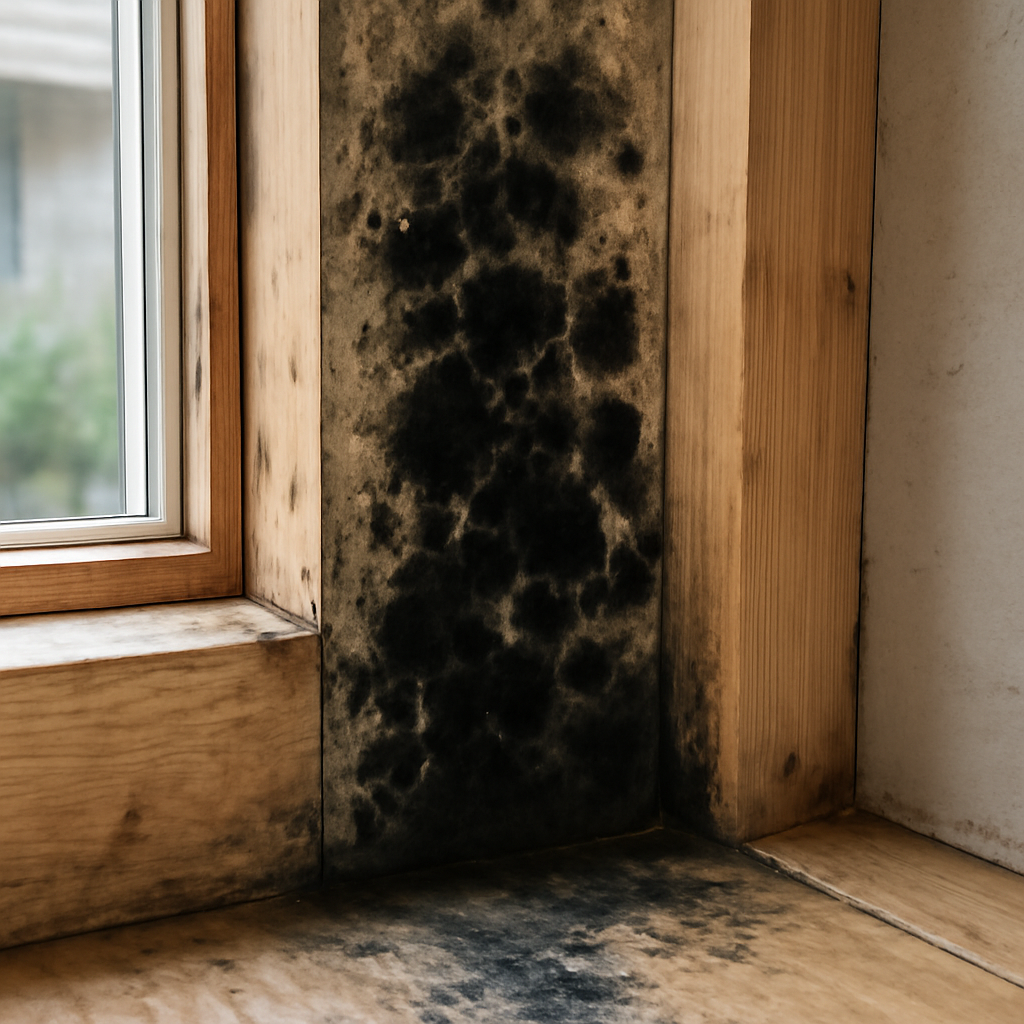
Finding dark mold on framing, subfloor, or a wooden surface raises an immediate question: can the wood be saved, or does it need to come out? Black mold on wood behaves differently than mold on tile or glass, because wood is porous and growth can root into the grain. This guide explains how to clean wood safely, when replacement is the smarter call, and how to tell mold apart from harmless staining. It summarizes EPA and CDC guidance current as of 2026; consult a physician about symptoms and a certified professional for testing decisions.
Part of our Black Mold & Your Health guide — start there for the full picture →
Is this mold, asbestos, or water damage? Get a free instant screen
Upload a clear photo of the suspect area. You'll get an instant AI screening opinion and what to do next. This is screening guidance, not a professional determination.
Screening guidance only. AI can be wrong. Confirm asbestos, mold type, or lead with lab testing or a licensed professional before acting.
Can wood with black mold be saved?
It depends on how deep the growth has gone and whether the wood is structurally sound. Surface mold on solid, dry framing can usually be cleaned and saved. Wood that is soft, spongy, crumbling, or delaminated has likely suffered rot and often needs replacement. The EPA notes that structurally damaged porous materials generally cannot be salvaged by cleaning alone.
Press the wood with a tool. If it feels firm, cleaning is realistic. If it gives way, you are dealing with decay, not just surface mold.
Mold versus stain versus rot
Not every dark mark on wood is active mold. Water staining leaves a discoloration but no texture. Mold often has a fuzzy or speckled appearance and may smell musty. Rot is a structural breakdown of the wood fibers, sometimes accompanied by mold but a separate, more serious problem.
Telling these apart guides your response. Staining may only need cosmetic attention, while mold needs removal and rot needs structural repair.
Where black mold on wood shows up
Common spots include crawl space joists, attic sheathing and rafters, basement framing, the underside of subfloors, and wooden window sills. These areas combine moisture exposure with limited airflow. Our guides on crawl space mold removal and finding mold cover the locations where wood growth concentrates.
How to clean black mold off wood
Protect yourself
Wear gloves, eye protection, and an N95 respirator. Ventilate the area and contain it so spores do not spread to clean rooms.
Scrub with detergent
For sealed or painted wood, detergent and water with a stiff brush removes surface mold. The EPA recommends physical removal over chemical killing, since dead spores still cause reactions.
Sand if needed
On bare wood where mold has penetrated the grain, light sanding after cleaning can remove embedded growth. Wear protection, since sanding releases spores and dust.
Dry thoroughly
Dry the wood completely with fans and a dehumidifier until moisture content is low. Wood that stays damp will grow mold again.
Does bleach work on wood?
Bleach is a poor choice for wood. It does not penetrate the porous grain, adds moisture, and can damage the surface. Detergent and scrubbing, or sanding for deeper growth, works better. Our guide on whether bleach kills black mold explains why bleach underperforms on porous materials.
When wood must be replaced
Replace wood when it is structurally compromised, when mold has penetrated deeply into framing that bears load, or when rot is present. Cleaning a rotted joist does nothing for its strength. In these cases, a contractor should assess the structural impact and replace the affected members. Removing colonized wood also releases spores, so containment matters.
Why wood grows mold in the first place
Wood is organic, so it is a ready food source whenever moisture is present. The trigger is almost always a water problem: a leak, condensation, ground moisture in a crawl space, or poor ventilation in an attic. Along the Front Range, clay soils and seasonal snowmelt can keep crawl space and basement wood damp.
Cleaning the wood without fixing the moisture source guarantees the mold returns.
Sealing and prevention
After cleaning and drying, keeping wood dry is what prevents regrowth. Control humidity below about 50 percent, improve ventilation, add a vapor barrier in crawl spaces, and repair leaks promptly. Some pros apply a clear sealant to cleaned framing, though this is secondary to moisture control. Our guide on how to prevent mold growth covers the fundamentals.
When to call a professional
Call a specialist if the mold covers a large area, if wood is soft or structurally damaged, if growth is in framing or subfloor you cannot fully access, or if there is an active moisture source you cannot find. A pro can remediate safely and coordinate any structural repair. For broader guidance on testing and inspection, see our mold inspection hub for homeowners.
Testing whether the wood is still sound
Before deciding to clean or replace moldy wood, test its structural integrity. Press a screwdriver or awl into the suspect area; sound wood resists, while decayed wood gives way or crumbles. Tap along a joist or beam, listening for the dull thud of rot versus the solid ring of healthy wood. Probe several spots, since decay is often uneven.
This simple assessment guides everything that follows. Wood that stays firm under pressure is a candidate for cleaning. Wood that is soft, spongy, or flakes apart has lost strength and needs replacement, because no cleaning restores compromised fibers. When the wood in question carries structural load, a contractor or engineer should evaluate it before you proceed.
Sanding moldy wood the right way
When mold has penetrated bare wood beyond what surface cleaning removes, light sanding can lift the embedded growth. Clean the surface first with detergent and let it dry, then sand the affected area to expose fresh wood. Sanding releases a burst of spores and fine dust, so an N95 respirator, eye protection, and containment are essential during this step.
Sand only as much as needed to remove visible growth, and vacuum the dust with a HEPA filter rather than letting it settle around the room. After sanding, wipe the surface, let it dry fully, and inspect to confirm the mold is gone. If sanding reveals that the discoloration runs deep into the wood, the piece may be past saving and replacement becomes the better option.
Black mold on structural framing
Mold on joists, studs, beams, and roof rafters deserves extra care because these members hold the house up. Surface growth on sound framing can usually be cleaned with HEPA vacuuming and scrubbing, and the wood saved. But framing that has stayed wet long enough to grow heavy mold may also be developing rot, which is a structural concern rather than a cosmetic one.
This is common in crawl spaces, attics, and basements where moisture lingers. Cleaning the framing addresses the mold, but the underlying water problem and any loss of strength must be evaluated separately. Our guides on crawl space mold removal and attic remediation cover the framing-heavy spaces where this comes up most.
Why bleach fails on wood specifically
Bleach is a particularly poor match for wood. The porous grain absorbs the water in the bleach solution while the disinfecting hypochlorite stays on the surface, so the active ingredient never reaches mold rooted in the grain. The added moisture can even feed the growth. Bleach also raises the grain and can discolor the wood, leaving a worse-looking surface.
Detergent and scrubbing, followed by sanding for deeper growth, removes mold from wood far more effectively. For disinfection without the drawbacks of bleach, a vinegar or three percent hydrogen peroxide treatment penetrates the grain somewhat better. Our guide on whether bleach kills black mold explains the broader penetration problem.
Sealing and protecting cleaned wood
Once moldy wood is cleaned, dried, and confirmed sound, sealing it can add protection, though it is secondary to moisture control. A clear sealant or primer over cleaned framing helps lock down residual staining and creates a less hospitable surface. Some products marketed for attic and crawl space wood are designed for exactly this purpose.
None of this substitutes for keeping the wood dry. A sealed surface still grows mold if the moisture source returns, so the sealant is a finishing touch after the water problem is solved, not a replacement for it. Maintaining low humidity and good ventilation around the wood is what truly keeps it clear over the long term.
Mold on furniture and wooden belongings
Wooden furniture, cabinets, and stored items can grow mold when kept in damp basements, garages, or humid rooms. Finished and sealed furniture usually cleans up well, since the finish blocks penetration, and a gentle detergent wipe followed by drying often restores it. Unfinished or antique pieces are more vulnerable, because bare wood lets mold root into the grain.
For a valued piece, move it to a dry, well-ventilated area and clean it carefully, sanding lightly if surface cleaning leaves embedded growth. Severely affected porous furniture may not be fully salvageable. The broader lesson is that storage conditions matter: keeping wooden belongings in a dry space with humidity below about 50 percent prevents most furniture mold before it starts.
Mold on subflooring and decking
Subfloor sheathing and exterior decking are wood surfaces that face frequent moisture exposure. A subfloor wetted by a plumbing leak or a chronically damp crawl space can grow mold on its underside, often discovered only when flooring above starts to cup or smell musty. The fix combines cleaning or replacing the affected sheathing with resolving the water source.
Exterior wood decking weathers and can develop surface mold and mildew from rain and shade, though this is usually a maintenance issue rather than an indoor health concern. Cleaning, drying, and sealing exterior wood manages it. For interior subfloor mold tied to crawl space moisture, our guide on crawl space mold removal covers the moisture controls that protect the wood above.
Keeping wood mold-free for good
Because wood is an organic food source, the only durable defense is denying mold the moisture it needs. Keep indoor humidity below about 50 percent, improve ventilation in crawl spaces and attics, install a vapor barrier over bare soil, and repair leaks promptly. Storing firewood and lumber off the ground and away from the foundation also helps.
Periodic checks of the damp, low-airflow areas where wood mold concentrates, such as crawl space joists and attic sheathing, catch problems early while the wood is still sound. Acting before rot develops keeps a simple cleaning from becoming a structural repair. Our guide on how to prevent mold growth covers the moisture fundamentals.
Front Range moisture and wood mold
Wood mold along the Front Range often tracks the region’s seasonal moisture swings. Spring snowmelt raises groundwater into crawl spaces and basements where framing sits, summer storms expose drainage weaknesses, and tightly sealed homes trap winter humidity against cold wood. Clay soils common in Douglas and Elbert counties hold water against foundations longer than sandy soils.
These conditions keep crawl space joists and basement framing damp enough to grow mold if moisture is not managed. Anticipating the seasonal pattern helps homeowners address vapor barriers, drainage, and ventilation before wood mold and the rot that can follow take hold.
References
- Mold Cleanup in Your Home — U.S. Environmental Protection Agency
- A Brief Guide to Mold, Moisture and Your Home — U.S. Environmental Protection Agency
- About Mold and Your Health — Centers for Disease Control and Prevention
- Mold Inspection Basics — InterNACHI
Frequently asked questions
Can you save wood with black mold on it?
Solid, dry wood with surface mold can usually be cleaned and saved. Wood that is soft, spongy, or rotted has lost structural integrity and typically needs replacement, since cleaning does not restore strength.
How do you remove black mold from wood?
Wearing protection, scrub sealed wood with detergent and water. For bare wood where mold has penetrated, light sanding after cleaning helps. Dry the wood completely, since lingering moisture causes regrowth.
Is black mold on wood dangerous?
The CDC notes any mold can trigger allergy and asthma symptoms in sensitive people, and color does not identify toxicity. The bigger concern is the moisture and possible rot behind it. Consult a physician about any symptoms.
Should I use bleach on moldy wood?
Bleach is a poor choice for wood because it does not penetrate the porous grain and adds moisture. Detergent and scrubbing, or sanding for deeper growth, works better, followed by thorough drying.
If you find black mold on framing or subfloor in your Front Range home and are unsure whether the wood is sound, a vetted inspector can assess it. Reach out through our contact page for a qualified local referral.