Toxic Black Mold On Wood: A Risk Conditions Guide
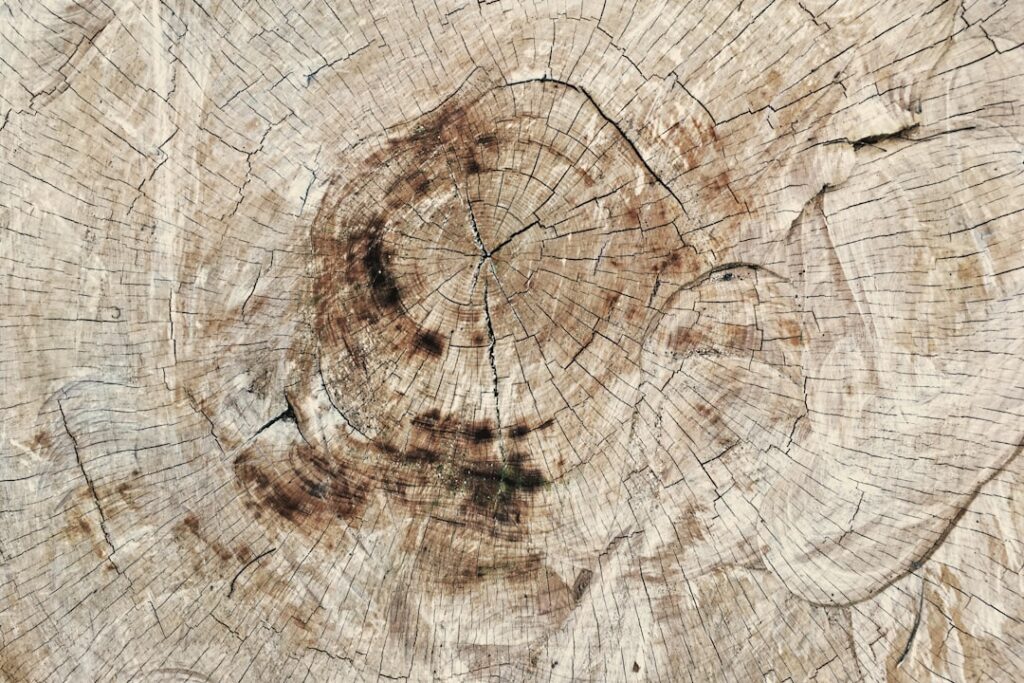
Wood is one of the cellulose-rich substrates that Stachybotrys chartarum can colonize when conditions support sustained moisture. The combination of “toxic black mold on wood” therefore raises two related concerns: the mycotoxin-producing colony itself, and the structural integrity of the underlying wood. Mold on wet wood often signals advanced decay developing alongside the visible mold growth. This guide walks through the conditions that produce toxigenic colonies on wood, how to distinguish them from other dark wood-surface fungi, and the decision framework for whether the wood can be treated or must be discarded. This guide summarizes EPA and CDC guidance current as of 2026 — consult a certified mold inspector for testing decisions and your physician for symptom evaluation.
Part of our Black Mold & Your Health guide — start there for the full picture →
Is this mold, asbestos, or water damage? Get a free instant screen
Upload a clear photo of the suspect area. You'll get an instant AI screening opinion and what to do next. This is screening guidance, not a professional determination.
Screening guidance only. AI can be wrong. Confirm asbestos, mold type, or lead with lab testing or a licensed professional before acting.
When wood + sustained moisture supports Stachybotrys
Stachybotrys chartarum requires cellulose-rich substrate with sustained moisture content above approximately 25 percent for at least 48 hours, plus temperature in the 60 to 90 degree Fahrenheit range. Wood meets the cellulose requirement intrinsically. Wood becomes Stachybotrys-favorable when its moisture content stays elevated for extended periods, typically because of a continuous leak, chronic condensation, or unaddressed flood damage. Once colonized, Stachybotrys produces trichothecene mycotoxins under specific substrate and moisture conditions.
Not all wet wood produces Stachybotrys. The species competes with many other indoor mold organisms, and the actual species mix depends on substrate composition, surrounding microenvironment, and time. Wood that has been wet for a few days often hosts a wider community of species (Cladosporium, Penicillium, Aspergillus, Trichoderma) before any one species dominates. Wood that has been chronically wet for weeks or months more often shows Stachybotrys as the dominant or co-dominant species, particularly on paper-faced engineered wood products like OSB and particleboard.
The substrate distinction within “wood”
“Wood” in residential construction covers several substrate types with different mold susceptibility. Solid framing lumber (dimensional 2×4, 2×6, 2×10 in walls, floors, ceilings) is dense and slow to absorb moisture but can support mold growth once saturated. Plywood is layered and absorbs moisture readily along edges and through unsealed surfaces. OSB (oriented strand board) absorbs moisture through its many cut edges and is among the most mold-favorable wood-based substrates indoors. Particleboard is the most mold-favorable of all because the binding adhesives degrade with moisture and the substrate loses structural integrity along with developing visible colonies. Engineered wood products like glulam and LVL have variable response depending on adhesives and density.
Mold on wood versus wood-decay fungi
Two distinct microbial communities can produce dark stains on wood: surface mold (including Stachybotrys, Cladosporium, Aspergillus) and wood-decay fungi (including white rot, brown rot, and dry rot organisms). The two communities have overlapping appearance but different biology and different implications.
Surface mold grows on the wood surface, on paper backing, on dust accumulation, or in the immediate surface layer of the wood. Visible removal is possible because the biomass sits at or near the surface. Wood-decay fungi penetrate deeply into the wood, breaking down lignin and cellulose within the wood structure itself. The wood loses density, becomes spongy or brittle, and structural integrity declines significantly. Wood-decay fungi often show less dramatic visible mold compared to the structural change in the wood.
The presence of mold on wood often indicates that wood-decay fungi are also developing on the same substrate because the moisture conditions supporting one community typically support the other. Inspect for soft spots, depressed surfaces, hollow sounds under tapping, and any structural deformation in addition to looking at the visible mold colony.
Identifying Stachybotrys-favorable conditions on wood
Conditions favoring Stachybotrys on wood include sustained substrate moisture content above 25 percent for at least 48 hours (and typically days to weeks for visible establishment), temperature in the 60 to 90 degree range, cellulose-rich substrate composition (OSB, particleboard, paper-faced sheathing, plywood with paper backing all favor Stachybotrys), and limited air movement that prevents drying.
Common Front Range locations where these conditions occur include attic sheathing under failed bath-fan terminations, subfloor framing in crawlspaces with chronic ground moisture, sheathing behind exterior cladding where flashing has failed, framing inside wall cavities downstream of slow plumbing leaks, basement framing where chronic seepage has wet the wood, and roof sheathing under ice-dam meltwater zones.
How to inspect wood for mold and decay together
Visual inspection identifies obvious mold patches and visible water staining. Press the wood with a screwdriver or awl in suspect areas — soft penetration indicates structural decay. Tap the wood with a knuckle or small mallet — hollow sound indicates internal decay. Use a moisture meter to confirm current substrate moisture; readings above 20 percent indicate wood that will continue supporting growth and decay until dried.
Infrared thermography in the hands of a certified inspector identifies temperature anomalies that indicate hidden wetness behind cladding or inside cavities. A combination of visual, mechanical, moisture-meter, and thermographic assessment provides a more complete picture than any single method. The InterNACHI mold inspection standard includes wood-substrate inspection as part of comprehensive assessment.
When wood can be saved versus discarded
Surface mold on the visible face of solid dimensional lumber can typically be treated by HEPA vacuuming followed by damp wiping with detergent solution. If the underlying wood is still structurally sound (no soft penetration, no hollow sound, moisture content under 20 percent after drying), the framing can usually be retained. Some remediation contractors apply a borate-based wood preservative after cleaning to inhibit future growth, though this is supplemental rather than required.
Wood with structural decay should be replaced. Soft, spongy, or hollow-sounding wood has lost the structural properties that made it suitable for its application. A framing member with rot is no longer reliable load-bearing material regardless of whether the visible mold can be cleaned off the surface. The decay continues even after the mold is treated unless the wood is replaced or until the wood eventually fails. Replacement is the durable answer.
OSB and particleboard with significant mold colonies usually require replacement rather than cleaning. The substrate’s binding adhesives have typically degraded along with the visible mold, and the structural properties are compromised. Cutting back to clean, dry, structurally intact material and installing new sheathing or sub-substrate is the standard approach. The dangerous black mold on wood guide covers the risk conditions in more depth.
Health considerations for occupants near moldy wood
Stachybotrys-confirmed colonies on wood produce the same mycotoxin and allergen exposures as Stachybotrys on drywall. Occupants in homes with significant wood-substrate mold colonies should follow the same precautions: vulnerable populations avoid the area during disturbance, asthma and allergy sufferers stay out of the affected room until cleanup is complete, persistent symptoms warrant physician evaluation. The American Lung Association classifies mold and dampness among the top indoor air quality concerns for vulnerable groups regardless of which substrate hosts the growth.
For homeowners with confirmed Stachybotrys colonies on structural wood, the timeline matters. Continued exposure during the planning phase before remediation begins is not without consequence. Move vulnerable occupants out of the affected portion of the home if possible during the planning, scoping, and remediation phases. The mold inspection and testing hub covers occupant safety considerations during remediation planning.
What homeowners should not do with moldy wood
Do not sand visible mold off structural wood as a cleaning approach. Sanding aerosolizes spores massively and damages the wood surface without addressing the underlying decay. Do not paint or seal moldy wood as a hiding measure. The colony continues under the paint and the structural decay continues underneath. Do not spray bleach as a stand-alone treatment. The EPA notes that bleach does not reliably reach hyphae embedded in porous substrate and provides limited durable effect on wood.
Do not assume that visible mold removal means the wood is now safe. Structural assessment is a separate question from mold removal. A piece of framing that has been visibly cleaned still needs evaluation for structural integrity, particularly load-bearing members like joists, rafters, and studs. Engineered wood products with significant mold history typically warrant replacement regardless of how thoroughly the surface mold appears to have been cleaned.
Remediation workflow for wood-substrate mold
Professional remediation of wood-substrate mold follows the IICRC S520 standard with attention to the wood-specific considerations above. The workflow begins with inspection and moisture mapping that identifies the extent of both visible mold and substrate decay. Containment of the work area follows, typically with plastic sheeting and negative-pressure HEPA filtration if the affected area is significant.
The moisture source is corrected before substrate removal begins. Affected sheathing, framing, or other wood products are removed back to clean, structurally sound, dry material. Surrounding wood that shows mold but retains structural integrity is HEPA vacuumed and damp wiped with detergent solution. Treated wood is then dried using dehumidifiers and air movers to specified moisture content targets before any replacement material is installed. Post-remediation verification confirms moisture content, visible cleanup, and air quality before the area is returned to service.
Distinguishing common mold on wood from Stachybotrys
Not every dark mold patch on wood is Stachybotrys. Cladosporium, Aspergillus, Penicillium, Trichoderma, and several other species commonly appear on damp wood and can be hard to distinguish visually from Stachybotrys. The substrate context provides clues: paper-faced engineered products that have been wet for weeks more often host Stachybotrys, while solid framing wet for only a few days more often hosts a wider community of species without Stachybotrys dominance.
Laboratory confirmation through tape lift, swab culture, or bulk sampling identifies the species when species matters for the response. For most cleanup decisions on wood, species confirmation is not necessary because the cleanup action is the same: address the moisture source, remove or treat the affected material, and verify structural integrity afterward. Species testing adds value for insurance documentation, real estate disclosure, or medical exposure investigation.
Front Range patterns for moldy wood
Colorado homes have specific wood-substrate mold patterns tied to climate and construction practices. Crawlspace subfloor framing develops mold from chronic ground moisture rising through unvented or poorly vented spaces. Attic sheathing develops mold under bath fans that terminate into the attic rather than to outside, particularly noticeable after winter humidity drives condensation onto cold sheathing. Roof sheathing near ice dam zones develops mold from meltwater backup under shingles during prolonged cold spells.
Each pattern has a specific diagnostic and remediation approach. Crawlspace mold typically resolves with ground vapor barriers, perimeter dehumidification, and conditioning the crawlspace as semi-conditioned space. Attic bath-fan mold resolves with proper exhaust ducting to outside through roof or soffit terminations. Ice dam sheathing mold resolves with improved attic insulation, ventilation, and ice-and-water shield in vulnerable areas during reroofing. Identifying the pattern guides both the cleanup scope and the prevention measures.
More Questions About Black Mold on Wood
Will mold on framing fail a home inspection?
A home inspection does not pass or fail a house, but visible mold or staining on framing will usually be noted as a defect with a recommendation for further evaluation. The inspector will also look for the moisture source, such as a roof leak, plumbing leak or poor attic ventilation.
Buyers often ask for a mold assessment, remediation by a qualified contractor, or a price credit. Old, dry staining from a past leak that has been fixed is treated differently from active growth on damp wood, so documentation of past repairs helps.
Does moldy subfloor need to be replaced?
Moldy subfloor does not always need replacing. Surface mold on solid, dry plywood or OSB can often be cleaned, dried and sealed. Replacement is usually needed when the subfloor is soft, delaminating, rotted, or has been wet long enough for decay fungi to weaken it.
A screwdriver probe test helps: if the tip sinks easily, the wood is likely decayed. Subfloor under toilets, tubs and dishwashers is a common trouble spot. A contractor should check the joists below, since moisture often reaches them too.
Does sanding remove mold from wood?
Sanding can remove surface mold and staining from solid wood, but it also releases spores and dust into the air, so containment and protection matter. Sanding is usually done after cleaning and drying, and it works best on hard, solid wood where growth has not penetrated deeply.
Use a HEPA vacuum on sanding dust and wear an N95 respirator or better. Sanding should be done with the work area sealed off from the rest of the home. Large areas or mold on structural framing are best handled by a professional remediation contractor.
Can mold grow on pressure-treated wood?
Yes, mold can grow on pressure-treated wood. Preservative treatments are designed mainly to resist rot fungi and insects, not surface mold. Pressure-treated lumber is often wet when shipped and stored, which can produce surface mold before it is installed.
Surface mold on treated lumber is common and is usually cleaned off before or after installation. Persistent mold on treated wood indoors, such as sill plates on a basement slab, points to ongoing moisture that should be addressed through drainage, vapor barriers or dehumidification.
References
- Mold Remediation in Schools and Commercial Buildings — U.S. Environmental Protection Agency
- About Mold — Centers for Disease Control and Prevention
- InterNACHI Mold Inspection Standard — International Association of Certified Home Inspectors
- Mold and Dampness — American Lung Association
Frequently asked questions
Can toxic black mold grow on dry wood?
No. Stachybotrys chartarum requires sustained substrate moisture above approximately 25 percent for at least 48 hours, plus appropriate temperature. Wood that has been kept dry does not develop Stachybotrys colonies regardless of species exposure or surrounding spore loads.
Can I save wood that has visible black mold?
Often yes for solid dimensional framing if structural integrity is intact. HEPA vacuum, damp wipe with detergent, allow to dry completely, and verify moisture content under 20 percent. OSB and particleboard with significant mold colonies typically require replacement because the substrate adhesives have likely degraded alongside the visible mold.
How do I tell mold from wood rot?
Mold sits at the surface and is removable by cleaning. Wood rot penetrates the wood and degrades its structural properties. Test by pressing with a screwdriver — soft penetration indicates rot. Tap the wood — hollow sound indicates internal decay. Wood with rot needs replacement regardless of how the visible mold is treated.
Does bleach kill mold on wood effectively?
Limited. The EPA notes that bleach is largely surface-active and water-diluted in residential use. It does not reliably reach hyphae embedded in porous substrate like wood. Physical removal of contaminated material plus moisture source correction is the standard approach for wood-substrate mold.
What moisture content allows mold to grow on wood?
Mold generally needs wood moisture content above about 20 percent to grow, while dry framing usually sits around 8 to 15 percent indoors. A pin moisture meter can check framing. Readings that stay above 20 percent point to an ongoing water source that needs fixing.
Can black mold on wood furniture be saved?
Solid wood furniture with surface mold can often be saved by cleaning outdoors, drying it fully and refinishing it if staining remains. Upholstered furniture and particleboard pieces with mold are much harder to salvage. People with mold sensitivities should avoid handling moldy items.
Can borate treatments prevent mold on wood?
Borate treatments can help protect wood against mold, decay fungi and insects when applied to bare, unfinished wood. They are often used on framing during construction or after remediation. Borates can wash out in wet exterior conditions, so they suit protected indoor framing best.
If toxic black mold on structural wood has exceeded what feels safe to handle directly, Front Range homeowners can connect with a vetted local inspector through our contact page.