HVAC Mold Removal Near Me: A Homeowner Hiring Guide
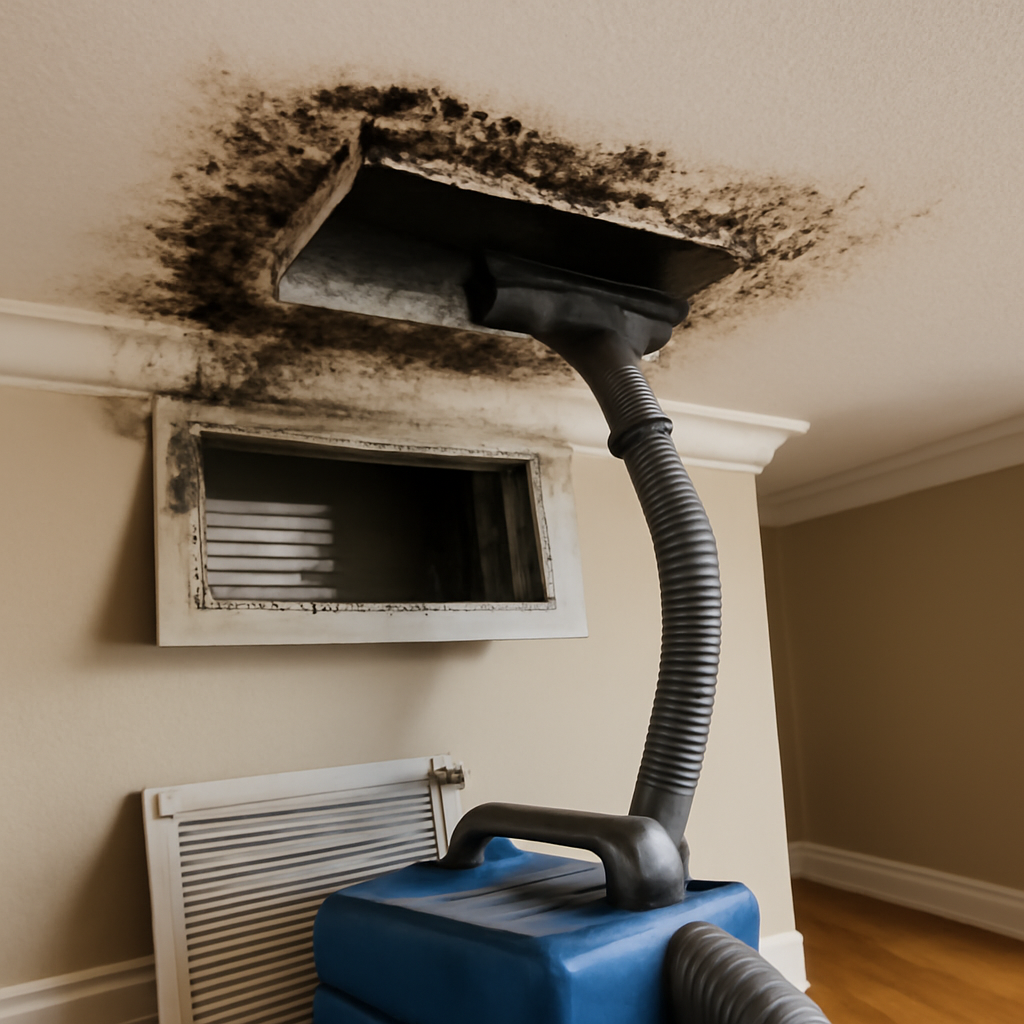
A musty smell that hits hardest when the air conditioning kicks on usually points to one place: the HVAC system. Mold growing on a cooling coil, inside ductwork, or around an air handler gets blown through the whole house every time the blower runs, which is why so many homeowners end up searching for HVAC mold removal near me. Choosing the right company matters because this is a job where upselling and overpromising are common. This guide summarizes EPA and CDC guidance current as of 2026 for educational purposes; it is not a substitute for a certified professional or for medical advice from your physician.
Part of our Mold Removal & Remediation guide — start there for the full picture →
Is this mold, asbestos, or water damage? Get a free instant screen
Upload a clear photo of the suspect area. You'll get an instant AI screening opinion and what to do next. This is screening guidance, not a professional determination.
Screening guidance only. AI can be wrong. Confirm asbestos, mold type, or lead with lab testing or a licensed professional before acting.
How to choose HVAC mold removal near you
The right contractor combines two skill sets: HVAC knowledge and mold-remediation discipline. A duct-cleaning outfit that does not understand moisture sources will clean the symptom and leave the cause, and the mold returns. A remediation firm that ignores the mechanical system may miss the coil and condensate problems feeding it.
Look for a company that follows recognized standards, identifies the moisture source before quoting, and explains how it will contain spores during the work. The EPA’s guidance on duct cleaning is cautious: it recommends cleaning only when there is visible mold, an infestation, or contamination, not as routine maintenance. A trustworthy local company will tell you the same thing rather than selling cleaning you do not need.
How mold gets into an HVAC system
HVAC systems create ideal mold conditions in specific spots. The evaporator coil is the prime location: it is cold, it produces condensation by design, and dust settling on it provides food. When the condensate drain clogs and the pan overflows, that standing water feeds growth that the blower then distributes.
Ductwork itself collects dust and, if humidity is high or a leak introduces moisture, can grow mold along the interior surfaces. Air handlers, blower compartments, and the area around poorly sealed returns are other common sites. In Colorado’s generally dry climate, the trouble usually traces to a specific moisture event: a clogged drain, oversized equipment that short-cycles and never dehumidifies, or a duct running through a damp crawl space. Our guide to black mold in air ducts covers how growth establishes inside the duct runs.
Signs your HVAC system has mold
A few signals point to HVAC-borne mold rather than mold on a wall. A musty odor that intensifies when the system runs is the classic clue. Visible dark growth around supply registers, on the vent louvers, or on the coil when you open the air handler is another. Some households notice allergy-type symptoms, congestion, or coughing that ease when they leave the house and worsen indoors.
The CDC connects mold exposure to nasal and throat irritation, coughing, and wheezing, with stronger effects for people who have asthma, allergies, or compromised immune systems. Because an HVAC system spreads spores throughout the home, even a contained colony on a coil can affect every room. If you mainly see growth at the registers, our look at black mold around air vents helps you tell surface condensation from a deeper system problem.
What HVAC mold removal involves
A proper job is more than running a brush through the ducts. It follows the same assess-contain-remove-clean-dry-verify logic the EPA and CDC apply to all mold work, adapted to mechanical equipment.
Assessment and source diagnosis
The technician should inspect the coil, blower, drain pan, condensate line, and accessible ductwork, and identify why moisture is present. Skipping this step is the single biggest reason HVAC mold comes back.
Coil and component cleaning
The evaporator coil, drain pan, and blower are cleaned, and the condensate drain is cleared or treated so it stops overflowing. This is often the real fix, because the coil is the most common growth site.
Duct cleaning when warranted
If ductwork is contaminated, it is cleaned with appropriate equipment and containment. The EPA notes that porous duct components, such as insulated flex duct or duct board with mold growth, often cannot be cleaned effectively and may need replacement rather than cleaning.
Containment and verification
The work area is contained so spores do not spread, materials are HEPA-vacuumed, and surfaces are dried. For significant jobs, a post-work check confirms the problem is resolved. The mold inspection and testing hub explains why keeping assessment independent from remediation protects you.
What HVAC mold removal costs
Pricing varies widely with the scope, and any figure should be treated as a general range rather than a quote. A basic coil cleaning and condensate-drain service is the least expensive piece. Whole-system duct cleaning costs more, and a full remediation that includes replacing contaminated flex duct or insulation costs the most.
Several factors push the number up: the number of supply and return runs, the size of the home, whether porous duct components must be replaced, the severity of growth, and whether the air handler or coil needs major attention. Because cost scales with scope, the most useful thing you can do is get itemized estimates from two or three local companies and compare what each includes. Beware quotes that are dramatically cheaper, which often skip the source repair, and quotes that are dramatically higher without a clear reason.
Breaking down the cost by component
Because HVAC mold jobs vary so widely, it helps to think about cost as a set of stacked line items rather than a single figure. Each component a company touches carries its own labor and materials, and an itemized estimate should make those pieces visible.
Coil and condensate service
Cleaning the evaporator coil, clearing or replacing the condensate drain line, and treating the drain pan is usually the least expensive and most important piece, because the coil is the most common growth site. A job that stops here, when the coil is the only contaminated area, is often the right and most economical fix.
Duct cleaning
Cleaning the supply and return runs scales with the number of registers, the length of the duct system, and the size of the home. A single-zone bungalow costs less than a multi-story home with two systems and dozens of runs. The EPA cautions that cleaning is warranted only when there is visible contamination, not as routine maintenance, so a high duct-cleaning line item should correspond to documented growth.
Component replacement
The most expensive piece is replacing materials that cannot be cleaned. The EPA notes that porous duct components, such as insulated flex duct or fiberglass duct board with mold growth, often cannot be cleaned effectively and need replacement. Replacing flex runs, a contaminated blower wheel, or a section of duct board adds materials and labor that can dwarf the cleaning cost. An estimate that proposes replacement should say specifically which components and why.
Why the diagnosis step is the one you pay for
The single line item that separates a lasting fix from a repeat problem is the moisture diagnosis, and it is the easiest one for a cut-rate company to skip. Mold in an HVAC system is always a downstream symptom of water that should not be there. A clogged condensate drain overflowing into the pan, an oversized air conditioner that short-cycles and never runs long enough to dehumidify, a duct sweating inside a damp crawl space, or a return pulling humid air from an unconditioned area, each is a distinct cause with a distinct fix.
A company that cleans the coil and ducts but never identifies why moisture was present is selling you a temporary result. The growth returns once the same water reappears, and you pay again. This is why the most useful question you can ask any bidder is simply, “What is making it wet, and how will you fix that?” A thorough answer tied to a specific component is worth more than the lowest cleaning price, because it addresses the cause rather than scrubbing the effect.
Comparing local HVAC mold companies
When you collect estimates, evaluate them on more than price. Use these criteria to separate a thorough company from a quick upsell.
Credentials and approach
Favor companies that hold recognized mold-remediation or air-systems-cleaning credentials and that describe a standards-based process. Ask whether the same firm both assesses and remediates, and how they keep that from biasing their recommendations. An honest company can explain when duct cleaning is and is not appropriate, echoing the EPA’s restraint.
Scope clarity
A strong estimate names the moisture source, lists exactly what will be cleaned or replaced, and explains containment. A weak one says “clean the ducts” with no diagnosis. The company that talks about your condensate drain and coil understands the actual problem.
Reviews and references
Local reviews, references you can call, and verifiable licensing matter more than a flashy ad. The local angle in your “near me” search is genuinely useful here: a nearby company can respond quickly and is accountable to its local reputation.
Red flags to avoid
HVAC mold removal attracts aggressive marketing, so watch for warning signs. Be wary of unsolicited offers, coupon-driven “whole house duct cleaning” for a suspiciously low flat fee, and heavy reliance on the phrase “toxic black mold.” The CDC is clear that mold color does not reliably indicate type or health risk, so scare-based selling is a flag.
Other red flags include refusing to identify the moisture source, recommending chemical “foggers” or sealants as a substitute for removing growth, pressure to sign same-day, and reluctance to provide itemized pricing or proof of insurance. The EPA cautions against relying on biocides and sealants in place of proper cleanup and moisture control. Our guide to choosing a mold remediation company details the questions that expose these tactics.
What a standards-based job looks like
Reputable HVAC mold work follows recognized industry standards rather than improvising. Air-systems cleaning has its own established practices for how ducts and components should be cleaned and verified, and mold remediation has its own framework for containment and material handling. A company that can describe which standards it works to, and how it documents the result, is signaling discipline that a coupon-driven outfit usually cannot match.
In practice that means the technician contains the work so spores are not spread through the rest of the home while the system is opened, uses HEPA filtration during cleaning, removes rather than merely sprays porous materials that cannot be salvaged, and dries everything before the system is sealed and returned to service. For a larger job, an independent check at the end confirms the work succeeded, which is most credible when the party verifying the result is not the party that performed it. Asking a bidder how they keep assessment and remediation from biasing each other, and how they prove the system is clean when they leave, separates a professional process from a quick pass with a brush.
What you can do before and after the job
A few homeowner steps support a successful outcome. Before the visit, note when the smell is strongest and any symptoms, and locate your condensate drain. After remediation, prevention keeps mold from returning: change filters on schedule, keep the condensate drain clear, address any humidity problem, and have the coil checked periodically.
Correctly sized equipment matters too. An oversized air conditioner short-cycles, cools fast without removing humidity, and leaves the coil and ducts damp. If mold keeps returning despite cleaning, an HVAC professional should evaluate whether the system itself is contributing. A load calculation can confirm whether the equipment is matched to the home, and correcting an oversizing problem may do more to stop recurrence than any amount of repeated cleaning. Keeping a simple log of filter changes and seasonal coil checks also helps a technician spot a recurring pattern early, before it grows into another full cleaning.
A maintenance schedule that prevents recurrence
Once a system is clean, a modest routine keeps it that way and protects the money you spent. The aim is simple: deny the coil and ducts the standing moisture that growth requires.
Change air filters on the manufacturer’s schedule, typically every one to three months, since a clogged filter lets dust settle on the coil where it becomes mold food. Keep the condensate drain clear; flushing the line periodically and checking that the pan drains fully prevents the overflow that feeds the most common colonies. Have the evaporator coil inspected during routine seasonal service, and ask the technician to confirm the pan and drain are dry. Watch indoor humidity, and address any space that runs persistently above roughly 60 percent, the level the EPA links to mold growth. If a swamp cooler is in use during Front Range summers, maintain it and limit runtime when indoor air feels damp, because evaporative cooling adds moisture by design. None of this is elaborate, but skipping it is how a freshly cleaned system grows mold again within a season or two.
HVAC mold removal in the Front Range context
Colorado’s dry climate means HVAC mold is usually a sign of a specific defect rather than chronic ambient humidity. Common local triggers include condensate drains that clog with dust, ducts routed through unconditioned crawl spaces, and swamp coolers that add humidity in summer. Because the cause is often pinpointable, a competent local technician can frequently fix the source rather than just cleaning repeatedly.
That makes the diagnosis step especially valuable in this region. A company that tells you exactly which component is wet and why is worth more than one offering the lowest cleaning price. For the broader picture of how HVAC mold fits into household mold problems, the mold inspection hub ties the pieces together.
When to call a professional
Call a professional when you have visible mold inside the air handler or ducts, a persistent musty odor tied to system operation, or symptoms that worsen indoors. The EPA specifically recommends professional involvement when mold is in the HVAC system, because cleaning it safely requires the right equipment and containment, and because contaminated porous components may need replacement.
Get itemized estimates from two or three vetted local companies, confirm they will address the moisture source, and avoid anyone selling fear or routine cleaning you do not need. The right choice fixes the cause, cleans what can be cleaned, replaces what cannot, and leaves you with documentation that the problem is resolved.
References
- Should You Have the Air Ducts in Your Home Cleaned? — U.S. Environmental Protection Agency
- About Mold and Your Health — Centers for Disease Control and Prevention
- Mold Cleanup in Your Home — U.S. Environmental Protection Agency
Frequently asked questions
How do I know if mold is in my HVAC system?
The clearest sign is a musty odor that strengthens when the system runs, often with visible dark growth at registers or on the coil. Allergy-type symptoms that worsen indoors and ease away from home are another clue.
Is HVAC duct cleaning always necessary for mold?
No. The EPA recommends duct cleaning only when there is visible mold, an infestation, or contamination, not as routine maintenance. Often the real fix is cleaning the coil and clearing the condensate drain, where moisture actually collects.
Can moldy ductwork always be cleaned?
Not always. Porous components like insulated flex duct or duct board with mold growth often cannot be cleaned effectively and may need replacement. Metal ducts and non-porous parts can usually be cleaned.
What are red flags when hiring an HVAC mold company?
Watch for very cheap flat-fee whole-house cleaning offers, heavy use of toxic-black-mold scare language, refusal to identify the moisture source, reliance on foggers or sealants instead of removal, and pressure to sign the same day.
What does HVAC mold removal cost?
Cost scales with scope, from a basic coil and drain cleaning to full duct replacement. Because the range is wide, get itemized estimates from two or three local companies and compare exactly what each includes rather than relying on a single average.
If a musty HVAC system in your Denver-area or Front Range home has you comparing local options, get in touch through our contact page to connect with a vetted local inspector who can help you scope the problem before you hire.
Mold removal & cleanup picks
For a small, contained patch (under ~10 sq ft) these EPA-friendly removers handle surface mold. Larger or recurring growth warrants a professional assessment first.
| Product | Why | Buy |
|---|---|---|
 RMR-86 Instant Mold Stain Remover RMR-86 Instant Mold Stain Remover | Fast-acting on stains; ventilate and wear PPE. | Amazon — $29.99 |
 Concrobium Mold Control Concrobium Mold Control | No-bleach formula that also helps prevent regrowth. | Amazon — $11.26 |
 Mold Armor Mold & Mildew Remover Mold Armor Mold & Mildew Remover | Widely stocked bathroom/surface remover. | Amazon — $22.98 |