What Is a Hygrometer? A Plain-Language Guide
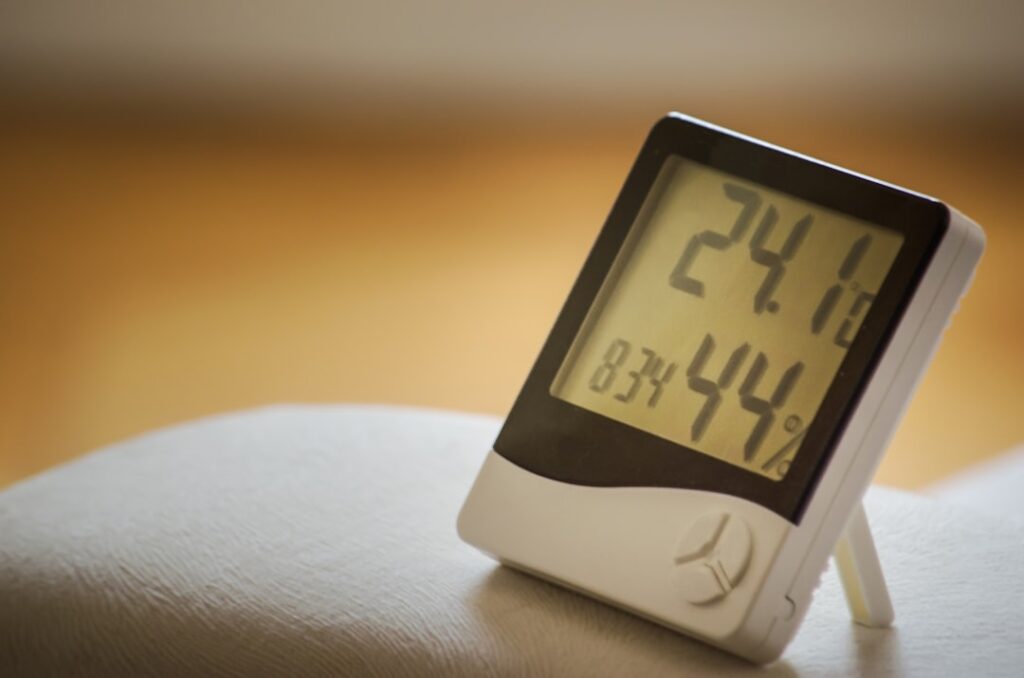
Humidity affects comfort, health, and the condition of your home, yet most people cannot judge it accurately by feel. A room can sit at a mold-friendly 65 percent humidity and still seem fine until damage appears. A hygrometer takes the guesswork out by giving you a number. So what is a hygrometer, how does it work, and why should a homeowner own one? This guide answers those questions in plain language and shows how the readings help you control moisture before it causes problems. The humidity ranges here follow EPA and CDC guidance current as of 2026.
Part of our Home Inspection Tools guide — start there for the full picture →
What a Hygrometer Is
A hygrometer is an instrument that measures the amount of moisture in the air, reported as relative humidity, or RH, a percentage. Relative humidity is the share of water vapor the air holds compared to the maximum it could hold at that temperature. At 50 percent RH, the air contains half the moisture it could carry before condensation forms.
Most home hygrometers are small digital units that show humidity and temperature on a screen. They cost little, run on a coin battery, and sit on a shelf or mount on a wall. Some are built into thermostats, weather stations, and indoor air quality monitors. Whatever the format, the core job is the same: turn invisible humidity into a number you can act on.
Types of Hygrometers
Several technologies measure humidity. Capacitive digital hygrometers, the most common home type, use a sensor whose electrical properties change with moisture. Older analog dial hygrometers use a coiled material that expands and contracts with humidity to move a needle; they are less precise and drift over time. Laboratory and industrial settings sometimes use chilled-mirror or psychrometer methods for high accuracy. For household use, a quality digital unit is accurate enough and far easier to read. Our guide to the digital hygrometer compares features worth looking for.
How a Hygrometer Works
A capacitive digital hygrometer contains a thin polymer film between two electrodes. As humidity rises, the film absorbs water and its electrical capacitance changes. The device measures that change and converts it to a relative humidity percentage, updating every few seconds. Because the sensor responds to moisture in the surrounding air, it gives a near-live reading of conditions where it sits.
Temperature matters because relative humidity depends on it. The same amount of water vapor reads as higher RH in cool air and lower RH in warm air, which is why most hygrometers display temperature alongside humidity. Understanding that link helps explain why a basement feels damp in summer even when the absolute moisture is similar to upstairs.
What the Readings Mean
The EPA recommends keeping indoor relative humidity between 30 and 50 percent, with 60 percent as a practical upper limit before mold risk climbs sharply. Within that band, readings tell a story.
Below about 30 percent, the air is dry. Occupants may notice chapped skin, static electricity, and irritated sinuses, and wood furniture and flooring can crack. Above 50 to 60 percent, the air is humid enough to feed mold, dust mites, and condensation on windows and cold walls. The CDC and EPA both link high indoor humidity to mold growth and to worsened allergy and asthma symptoms. The sweet spot of 30 to 50 percent keeps occupants comfortable and discourages both extremes.
Why Humidity Numbers Drive Action
Seeing the number lets you respond. A persistent reading above 55 to 60 percent in a basement signals you need a dehumidifier or better drainage. A bathroom that spikes after showers shows the exhaust fan is undersized or underused. A bedroom that drops below 30 percent in winter may call for a humidifier. Without a hygrometer, you are guessing; with one, you have a clear trigger for each fix.
Where to Use a Hygrometer at Home
Humidity varies room to room, so placement matters. Basements and crawl spaces are prime spots because they trap moisture and host most home mold problems. Bathrooms reveal whether ventilation is keeping up after showers. Bedrooms affect sleep comfort, and a hygrometer there helps you tune a humidifier or dehumidifier.
Storage areas, closets, and rooms holding instruments, electronics, or important documents also benefit. For tight, sealed containers like camera cases or safes, homeowners often pair a small hygrometer with humidity control packs to confirm the packs are holding their target. Placing a hygrometer at roughly chest height, away from direct sunlight, vents, and exterior doors, gives the most representative reading for the room.
Hygrometers and Mold Prevention
Controlling moisture is the single most effective way to prevent mold, and a hygrometer is how you watch that line. The EPA and CDC stress that mold needs moisture to grow and that keeping indoor humidity below 60 percent removes its main fuel. A hygrometer turns that guidance into a daily practice: glance at the number, and if it is creeping up, take action before mold has a chance to establish.
This makes the humble hygrometer a frontline tool in any moisture strategy. If readings stay high despite ventilation and dehumidification, that often signals a deeper water-intrusion problem worth investigating. Our hub on mold inspection and testing covers when persistent dampness warrants a professional assessment.
Choosing and Maintaining a Hygrometer
When buying, look for a digital unit that lists an accuracy spec, often plus or minus 2 to 5 percent RH, and a clear display. Models that log highs and lows, show trends, or send readings to a phone are useful for tracking problem rooms over time. Inexpensive analog dials work in a pinch but drift and are harder to read precisely.
Hygrometers can drift, so calibration is worth knowing. A common DIY check is the salt test: seal the unit in a container with a damp salt-and-water paste for several hours, where it should read about 75 percent RH; many digital units allow a calibration offset. Keep the sensor clean and dry, replace the battery when readings get erratic, and replace the unit if it no longer holds calibration.
When a Reading Means Take Action
Treat the hygrometer as an early-warning gauge. Sustained readings above 60 percent call for dehumidification and a look at moisture sources. Readings below 30 percent in winter call for added humidity. Window condensation alongside high readings points to ventilation or insulation issues. If you cannot bring a chronically damp space into the 30-to-50 percent range with ordinary measures, a professional can help trace the water source before it leads to mold and structural damage.
Relative Humidity Versus Absolute Humidity
Hygrometers report relative humidity, but understanding the difference from absolute humidity clears up some common confusion. Absolute humidity is the actual amount of water vapor in the air, measured by weight per volume. Relative humidity expresses that amount as a percentage of the maximum the air could hold at its current temperature. Because warm air holds far more moisture than cold air, the same absolute amount of water reads as a low relative humidity when warm and a high one when cold.
This explains everyday observations. A basement that feels clammy in summer may hold the same absolute moisture as the warm upstairs, but because the basement is cooler, its relative humidity is higher and condensation forms more easily. It also explains winter dryness: cold outdoor air brought inside and heated has its relative humidity drop sharply, which is why heated homes feel dry and static-prone in winter. Reading the temperature alongside humidity on your hygrometer helps you interpret what the number really means for comfort and mold risk.
Using a Hygrometer Through the Seasons
Humidity management changes with the calendar, and a hygrometer guides the response in each season. In humid summer months, the goal is keeping readings under 60 percent, often with a dehumidifier in basements and good ventilation elsewhere. Watch for readings that climb after rain or on muggy days, and act before they sit high long enough to feed mold.
In dry winters, especially across the arid Front Range, the challenge flips. Heated indoor air can fall below 30 percent, drying skin and sinuses, cracking wood furniture and flooring, and worsening static. A hygrometer tells you when to run a humidifier and how much, so you raise humidity into the comfortable 30-to-50 percent band without overshooting into condensation on cold windows. Checking readings in different rooms reveals that humidity varies widely within a single home, so each space may need its own approach.
Spotting Hidden Moisture Problems
Beyond comfort, a hygrometer helps detect problems before they become visible. A room that stays stubbornly above 60 percent despite ventilation may have a hidden leak, poor drainage, or a crawl space pushing moisture upward. A sudden rise in a normally stable room can signal a new plumbing leak or water intrusion. By establishing what normal looks like for each space, you can notice when something changes and investigate before mold or rot sets in. This early-warning role makes a hygrometer one of the cheapest preventive tools a homeowner can own.
Hygrometers Alongside Other Home Tools
A hygrometer works best as part of a small kit of moisture and air tools. Pair it with a moisture meter, which reads dampness directly in walls, wood, and other materials rather than in the air, so you can pinpoint where moisture is concentrating. Add a dehumidifier or humidifier to act on out-of-range readings, and an indoor air quality monitor if you want to track particulates and carbon dioxide alongside humidity.
This combination turns vague impressions about a “damp” or “dry” home into specific, measured conditions you can manage. The hygrometer tells you the air’s humidity, the moisture meter tells you which materials are wet, and together they guide where to ventilate, dehumidify, or repair. For homeowners serious about preventing mold and protecting their home’s structure, a quality digital hygrometer is the inexpensive starting point of that toolkit.
References
- Mold and Health — U.S. Environmental Protection Agency
- About Mold — Centers for Disease Control and Prevention
- Introduction to Indoor Air Quality — U.S. Environmental Protection Agency
Frequently asked questions
What is a hygrometer and what does it measure?
A hygrometer is an instrument that measures the moisture in the air, reported as relative humidity, a percentage. Most home models are small digital units that show humidity and temperature, letting you turn invisible moisture into a number you can act on.
What is a good indoor humidity level?
The EPA recommends keeping indoor relative humidity between 30 and 50 percent, with 60 percent as the upper limit before mold risk climbs. Below 30 percent the air is too dry, and above 60 percent it feeds mold, dust mites, and condensation.
How does a digital hygrometer work?
Most use a thin polymer film whose electrical capacitance changes as it absorbs moisture from the air. The device measures that change and converts it to a relative humidity percentage, updating every few seconds based on the conditions where the sensor sits.
How does a hygrometer help prevent mold?
Mold needs moisture to grow, and keeping humidity below 60 percent removes its main fuel. A hygrometer lets you watch that line daily, so when the number creeps up in a basement or bathroom you can run a dehumidifier or fan before mold establishes.