Where Is Mold: A Plain-Language Guide
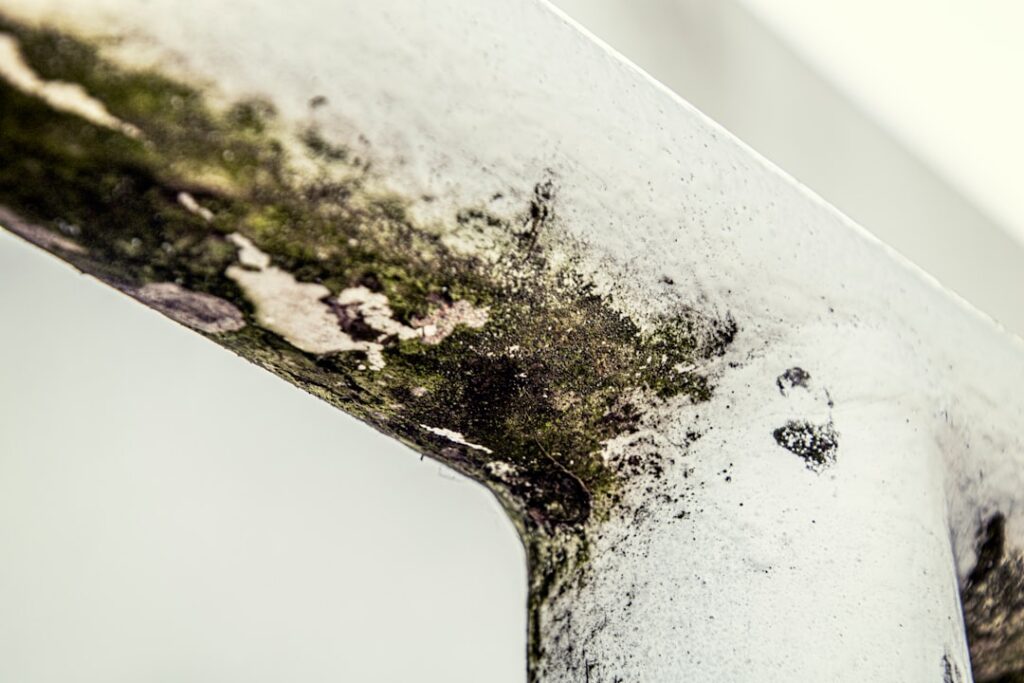
Asking where is mold most likely growing in a typical home turns out to be a more useful question than asking whether mold is present. Mold exists in every indoor environment. The question is whether it has found a sustained-moisture surface to colonize. This guide walks room by room through the high-probability zones, the cavities that hide growth from casual inspection, and the order of priority for a homeowner doing a serious look. This guide summarizes EPA and CDC guidance current as of 2026 — consult a certified mold inspector for testing decisions and your physician for symptom evaluation.
Part of our Types of Mold guide — start there for the full picture →
Is this mold, asbestos, or water damage? Get a free instant screen
Upload a clear photo of the suspect area. You'll get an instant AI screening opinion and what to do next. This is screening guidance, not a professional determination.
Screening guidance only. AI can be wrong. Confirm asbestos, mold type, or lead with lab testing or a licensed professional before acting.
The General Rule: Follow the Water
Mold needs sustained moisture above roughly 60 percent relative humidity for at least 48 hours to establish. Every high-risk zone in a home shares one of three water sources — plumbing fixtures, exterior water intrusion, or condensation on cool surfaces. Once a homeowner understands those three categories, the room-by-room search becomes systematic rather than random. The parent mold inspection and testing hub covers diagnostic sequencing in more depth.
Bathrooms
Tub and Shower Surround
Silicone caulk at the tub-wall interface, grout lines, and the back side of the surround panel are the most common visible-mold zones. Look for black staining at corner caulk, pink slime on the lower wall, and any soft spots in the wall at floor level.
Under Vanity
Open every bathroom cabinet and shine a light at the cabinet floor where the drain trap passes through. Water marks, swollen particleboard, and white mineral deposits at the fitting point to a slow leak that has been feeding mold for months.
Behind the Toilet
Toilet supply lines and wax-ring seals leak slowly. Run a hand along the drywall behind the tank and along the floor at the base. Soft or stained drywall there is one of the most common findings during pre-sale inspections.
Exhaust Fan
Look up at the bath fan grille. Black-edged dust on the louvers means moisture is condensing in the duct on its way to the roof. A recirculating or short-ducted fan often shows growth above ceiling drywall.
Kitchen
Under the Sink
The same drain-trap zone applies. Dishwasher supply and drain connections also live in this cavity and leak intermittently. Pull cleaning supplies out and inspect the cabinet base every six months.
Refrigerator
Door gaskets harbor mold inside the seal folds. Drip pans under refrigerators collect defrost water and become a mold reservoir when never cleaned. Ice-maker supply lines puncture flooring and cause hidden subfloor mold.
Range Hood and Wall Behind Cooktop
Recirculating range hoods dump moisture-laden cooking air back into the room. The wall behind the cooktop, especially on exterior walls in colder climates, can show condensation staining.
Laundry Room
Washing machine connections leak slowly. The wall behind a top-load washer is a frequent hidden-mold site because no one moves the appliance to look. Front-load washers harbor mold inside the door gasket and detergent dispenser. The room-map guide covers the inspection sequence for utility spaces.
Dryer vents that exit improperly — or are crushed against a wall — dump humid exhaust into wall cavities or behind the dryer itself.
Basement
Basements concentrate three risk factors: lower air temperature creating condensation, foundation-wall water seepage, and limited ventilation. Walk-down inspection priorities:
- Foundation walls, especially the corners and below windows.
- Around the floor drain and sump pit.
- Behind boxes and stored items piled against exterior walls — air doesn’t move, condensation accumulates.
- Rim joist at the top of the foundation wall.
- Furnace and water-heater closets, where small leaks and combustion-air condensation collect.
In Colorado’s Front Range, basement mold is most often condensation-driven rather than seepage-driven — cool concrete meets warm humid summer air and produces dew-point wetting on the inside face of the wall.
Attic
Attic mold is one of the most common findings in pre-purchase home inspections. Causes include bathroom exhaust ducts that terminate in the attic instead of through the roof, undersized ridge or soffit ventilation, missing or compressed insulation, and roof leaks at flashing or valleys. Mold typically appears on the underside of roof sheathing in a north-side or wind-shadow pattern.
HVAC System
Mold in HVAC is serious because the system distributes spores throughout the house. Check:
- Evaporator coil drain pan — should be clean, no biofilm.
- Condensate drain line — clog leads to overflow and cabinet mold.
- Return-air boots, especially in basement returns.
- Duct interiors — visible only with a borescope or by removing register grilles.
- Air-handler interior, especially the blower and downstream cabinet.
Wall Cavities and Hidden Zones
The hardest mold to find is the mold inside walls, under floors, and above ceilings. Indicators that warrant cavity inspection:
Musty Odor Without Visible Growth
A persistent musty smell in one room — especially after rain or humid weather — points to hidden growth. A trained nose is one of the most reliable mold-detection instruments available. The wall-cavity check guide covers borescope and moisture-mapping techniques.
Staining at Baseboards or Ceilings
Brown or yellow water staining is a moisture signature even when mold is not yet visible. Trace upward — staining at the ceiling-wall corner often comes from a roof or upper-floor source.
Warped Flooring or Lifted Paint
Cupped wood floors, lifted vinyl seams, and bubbled paint on a wall all indicate moisture that’s likely supporting growth out of sight.
Outdoor and Garage
Attached garages share walls with conditioned space. Vehicles drip water and snow indoors. Moisture in the garage moves to interior walls. Check the garage wall that adjoins living space, especially at the floor.
Crawl spaces — common in older Front Range homes — combine ground moisture, no insulation, and limited airflow. Encapsulated crawl spaces with vapor barriers and dehumidifiers are the modern standard.
Priority Order for a Real Inspection
If a homeowner has 90 minutes to do a serious mold scan, sequence:
- Bathrooms — visible inspection plus under-vanity flashlight check.
- Kitchen and laundry plumbing fixtures.
- Basement walls and floor drains.
- Attic visual from the access hatch.
- HVAC return grilles and evaporator coil pan if accessible.
- Any room with persistent musty odor — investigate the wall cavity.
Less Obvious Hiding Spots
Beyond the room-by-room priorities, several non-obvious locations regularly yield findings during professional inspections:
Front-Load Washer Door Gasket
The rubber gasket at the door has folds that hold water after every cycle. Mold grows in those folds within months unless wiped dry weekly and the door left open between uses.
Detergent Drawer
The detergent dispenser drawer on front-load washers retains residual detergent and water that supports mold growth. Remove the drawer monthly and clean the cavity behind it.
Window Air Conditioner Drain Tray
Window AC units collect condensate in an internal tray. Without regular cleaning, biofilm and mold colonize the tray and aerosolize spores through the unit fan.
Humidifier Reservoirs
Cool-mist and warm-mist humidifiers harbor mold in their water tanks and wicking elements. Daily emptying and weekly cleaning with vinegar reduces the risk.
Christmas Tree Storage and Holiday Decorations
Boxes stored in damp basements or garages accumulate mold on cardboard surfaces. Replace cardboard with sealed plastic bins. Inspect contents before bringing into the home for the season.
Less Obvious Hiding Spots: Extended List
Several additional locations regularly yield findings during thorough inspections:
Under Bath Mats
Rubber-backed bath mats trap moisture against tile or vinyl floors. Wash mats weekly and lift them to dry the floor underneath.
Behind Headboards Against Exterior Walls
Headboards pressed against cold exterior walls reduce airflow and create condensation surfaces. Pull beds 2 inches off exterior walls in winter.
Inside Sliding-Door Tracks
Sliding glass doors and pet doors have tracks that collect water and dust. The corners hold mold colonies invisible from the room side.
Pet Water and Food Bowl Areas
Splashed water around bowls feeds mold on baseboards and flooring. Use a mat under bowls and clean it weekly.
Indoor Plant Saucers
Drip saucers under potted plants hold standing water and accumulate mold. Empty after watering; rotate plants to avoid persistent damp spots on flooring.
Air Vents and Register Grilles
Look up at every supply and return register. Black-edged dust on louvers indicates moisture problems in the duct, evaporator coil, or surrounding cavity.
Cardboard Storage Boxes in Damp Areas
Cardboard absorbs ambient humidity and feeds mold on its surface. Replace cardboard storage with sealed plastic bins in basements and garages.
Reading the Moisture Pattern
Beyond location, the shape of moisture staining reveals the water source. Horizontal staining along a baseboard suggests ground-level intrusion or a slow leak below. Vertical streaks suggest water running down from above — roof leak, upper-floor plumbing, or condensation on a cold pipe. A circular stain on a ceiling suggests a single leak point above. Crescent staining at the corner of a window indicates flashing or sill failure. Reading the pattern shortcuts the trace-back search.
Tools That Find What Eyes Miss
Three inexpensive tools surface hidden growth:
- Pinless moisture meter ($40 to $80) reads moisture content through drywall without leaving holes.
- Infrared thermometer ($30 to $50) identifies cold spots in walls and ceilings where condensation likely occurs.
- Borescope camera ($40 to $150) inserts through a small drilled hole into wall cavities for visual inspection without major demolition.
An inexpensive home toolkit covers the same ground that professional inspectors charge $300 to $500 to assess — at the cost of homeowner time and a willingness to interpret findings critically.
Building a Room-by-Room Inspection Routine
For homeowners committed to early detection, a structured monthly routine catches most issues before they become structural. A practical 30-minute monthly walk-through:
- Open every cabinet under sinks. Run a flashlight along the cabinet floor.
- Check behind every toilet for staining at the floor and rear wall.
- Pull the refrigerator out a few inches and look at the floor and back wall.
- Lift bath mats and shower curtains; check for moisture trapped beneath.
- Walk the basement perimeter with a flashlight.
- Open the attic hatch and shine a flashlight at roof sheathing.
- Read hygrometers in every zone and log values.
The routine takes 30 to 45 minutes once familiar. After 6 to 12 months of monthly checks, baseline patterns emerge — which zones consistently run higher, which seasons hit hardest, which appliances correlate with humidity changes.
What to Do When Suspicion Appears
When the routine surfaces something suspect — a stain, an odor, an elevated reading — the response sequence:
- Photograph the finding with a date stamp.
- Run a moisture-meter spot check on adjacent substrate.
- Investigate the most likely water source — plumbing above, exterior wall, condensation.
- Fix the source first.
- Dry and clean small visible patches; replace larger porous areas.
- Document the work.
- Re-check the area at 30 and 60 days.
References
- Brief Guide to Mold, Moisture, and Your Home — U.S. Environmental Protection Agency
- Mold and Dampness FAQ — Centers for Disease Control and Prevention
- Mold Resource Guide — InterNACHI
- Healthy Homes Mold Information — U.S. Department of Housing and Urban Development
Frequently asked questions
Where is mold most commonly found in homes?
Bathrooms, under kitchen sinks, behind washing machines, around basement floor drains, attic roof sheathing near vents, and HVAC evaporator coils. Each shares sustained moisture from plumbing, condensation, or exterior intrusion.
How can I tell if mold is hidden in walls?
Persistent musty odor, staining at baseboards or ceilings, warped flooring, lifted paint, and elevated moisture readings on a meter. A borescope inserted through a small hole can confirm growth without major demolition.
Is mold in the attic dangerous?
Attic mold rarely affects indoor air directly because attics are vented to outdoors. The hazard is structural — extended exposure rots roof sheathing. It also flags a moisture source that often signals the same problem inside conditioned space.
Should I check my crawl space for mold?
Yes. Crawl spaces in older Front Range homes combine ground moisture, limited airflow, and uninsulated joists. A flashlight check during a dry day catches surface growth. Encapsulation with vapor barrier and dehumidifier is the long-term fix.
Homeowners who find suspect staining or persistent odor and want a second set of eyes can reach a vetted Front Range inspector through our contact page for an on-site visual and moisture-mapping walk-through.