Electronic Gas Leak Detector: What to Know
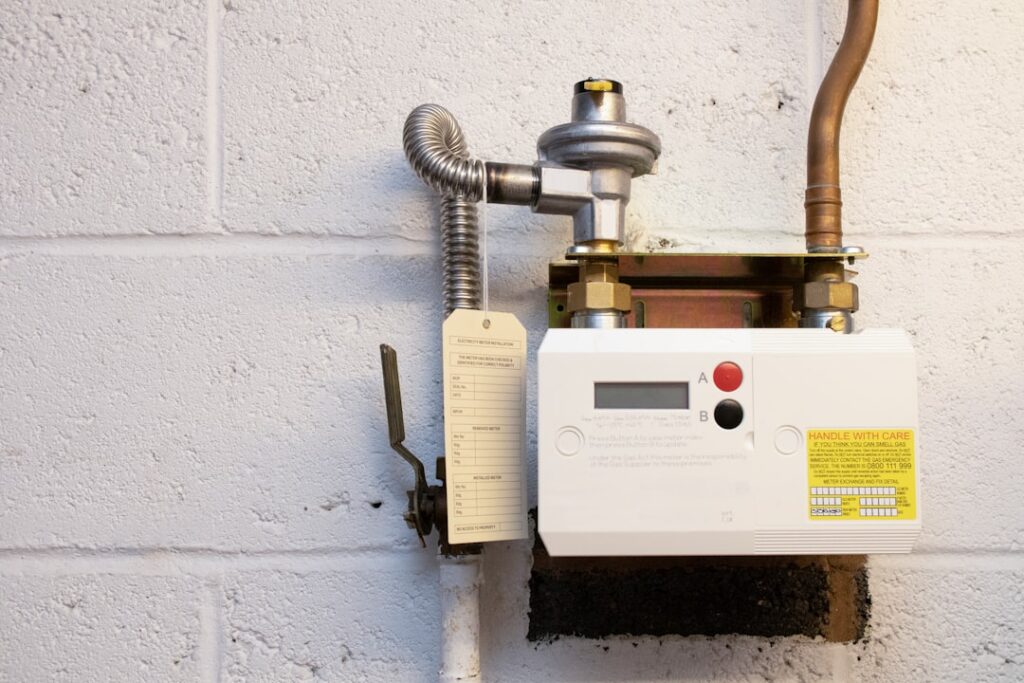
A faint hiss near the furnace, a rotten-egg smell by the stove, or a gas bill that crept up without explanation, any of these can send a homeowner searching for the source of a suspected leak. An electronic gas leak detector is the tool that turns guesswork into a pinpoint, using a sensor at the tip of a flexible probe to find exactly where combustible gas is escaping. These handheld instruments are inexpensive, widely available, and genuinely useful, but they are easy to misuse and easy to over-trust. This guide explains how they sense gas, how to sweep an appliance correctly, and the important difference between a portable sniffer and a fixed alarm that guards a room around the clock.
What an electronic gas leak detector is and how it works
An electronic gas leak detector is a handheld instrument that draws air across a gas-sensitive element and signals, through rising tones, a meter, or an LED bar, when it encounters combustible gas. You move the probe slowly along pipe joints, valves, regulators, and appliance connections, and the device alerts you as it crosses a plume of escaping gas, letting you trace the leak to its origin.
Most consumer and many professional sniffers detect a range of combustible gases, including natural gas (methane) and propane, because both share the combustible chemistry the sensor responds to. The detector tells you that gas is present and roughly how concentrated it is at the probe tip; it is a locating tool, not a quantitative meter calibrated to a regulatory standard. That distinction shapes how much weight to put on its readings.
Sensor technologies and what they mean for you
The sensor at the probe tip determines how the detector behaves, how fast it responds, and what can fool it.
Semiconductor (metal-oxide) sensors
The most common type in affordable units, a semiconductor sensor uses a heated metal-oxide element whose electrical resistance changes in the presence of combustible gas. These respond quickly and cost little, but they can react to non-target vapors like alcohol, solvents, and aerosols, producing false alerts if you are sweeping near cleaning supplies or a freshly painted surface.
Catalytic and infrared sensors
Catalytic-bead sensors oxidize the gas on a coated filament and measure the resulting heat; they track concentration near the explosive limit well and appear in more capable instruments. Infrared sensors detect gas by how it absorbs specific light wavelengths, resist many of the cross-sensitivities that trip up semiconductor units, and tend to last longer, though they cost more. For a focused look at how the underlying element governs accuracy and drift, our guide to the gas detector sensor and how it ages goes into the mechanics.
How to sweep an appliance the right way
Technique matters more than the price of the device. A careful sweep follows a few rules:
- Zero it in clean air. Turn the detector on away from any gas source so it establishes a clean baseline; many units auto-calibrate on startup.
- Move slowly. Gas escapes in a narrow plume. Pass the probe along joints at a few inches per second, not in a fast wave, or you will sweep right past a small leak.
- Probe the likely points. Threaded fittings, shutoff valves, regulators, flex connectors, and the union where a supply line meets an appliance are the usual culprits.
- Confirm with soap solution. When the electronic detector flags a spot, brushing on a soapy-water solution will bubble at an actual leak, giving you visual confirmation.
Never use a flame to look for a leak, and never rely on smell alone, because the mercaptan odorant added to gas can fade in certain conditions. If you confirm a real leak, the response is the same as any gas emergency: leave, avoid anything that could spark, and call your utility or 911 from outside.
Sniffer versus fixed alarm: two different jobs
A handheld electronic gas leak detector and a mounted gas alarm are not substitutes for each other. The sniffer is an active tool you use to locate a leak you already suspect. A fixed alarm is passive protection that monitors a room continuously and wakes you if gas accumulates while you sleep. A home that burns gas needs the fixed protection; the handheld is for diagnosis.
Mounting height illustrates the point. A natural-gas alarm goes high because methane rises, while a propane alarm goes low because LP gas sinks. A handheld sniffer ignores this entirely because you bring the probe to the suspected source. Homeowners deciding between the two categories can read our overview of the gas leak detector for the home, which compares fixed and portable options side by side. For propane-specific homes common in Colorado’s exurban counties, the propane gas leak detector placement rules are worth a separate read.
Signs you may have a gas leak worth investigating
An electronic detector is most useful when you already suspect a problem, so recognizing the warning signs tells you when to reach for one. Several clues point toward a possible leak.
- The rotten-egg odor: Utilities add a sulfur-like odorant to natural gas and propane precisely so leaks are noticeable. Any persistent rotten-egg smell deserves immediate attention.
- A hissing sound: Escaping gas under pressure can hiss near a fitting, valve, or appliance connection.
- Dead vegetation or bubbling: Outdoors, a buried-line leak can kill grass in a patch or cause bubbling in standing water above the line.
- Unexplained bills or pilot problems: A creeping gas bill or a pilot light that keeps going out can hint at a slow leak.
- Physical symptoms: In an enclosed space, a gas leak can displace oxygen and cause dizziness or headaches, which is a reason to leave first and investigate from outside.
When any of these appear, the safe sequence is to ventilate, avoid ignition sources, and, if the smell is strong, leave and call the utility before doing anything else. A handheld detector is for confirming and locating a suspected small leak once the immediate danger is managed, not for deciding whether to evacuate a gas-filled house.
How methane and propane differ for detection
While many sniffers detect both fuels, the gases behave differently, and that affects where leaks pool and where you sweep. Natural gas is mostly methane and is lighter than air, so it rises and accumulates near ceilings and in upper spaces. Propane is heavier than air and sinks, pooling in basements, floor drains, and low corners.
For a handheld sweep this matters because you bring the probe to the source, but it shapes where to look first. With a methane appliance, check upward-facing joints and overhead fittings; with propane, pay attention to low connections and the spaces gas would drain into. It also explains why fixed alarms for the two fuels mount at opposite heights, methane high and propane low, a contrast covered in our guides to the propane gas leak detector and to fixed home gas alarms. A homeowner who understands the gas’s density will sweep more effectively and interpret the detector’s response with better judgment.
Choosing a handheld gas leak detector
Several features separate a dependable sniffer from a toy, and knowing them helps you spend wisely.
- Adjustable sensitivity: A unit that lets you tune sensitivity helps you find small leaks without being overwhelmed by background gas near a normally operating appliance.
- A flexible gooseneck probe: Reaching fittings behind and beneath appliances is far easier with a bendable probe than a fixed wand.
- Clear alert feedback: Rising-tone audio plus a visual bar graph lets you home in on the strongest reading and pinpoint the source.
- Warm-up and auto-zero: A proper warm-up and automatic baseline in clean air reduce false readings.
- A stated sensor type: Knowing whether the unit uses a semiconductor, catalytic, or infrared sensor tells you what to expect for cross-sensitivity and longevity.
For occasional homeowner use, an affordable semiconductor sniffer with a flexible probe is usually adequate, provided you confirm any alert with soapy water. Professionals who rely on the tool daily lean toward catalytic or infrared instruments for their accuracy and resistance to false alerts. Either way, technique and confirmation matter more than the price tag.
Limits, maintenance, and when to call a pro
Even a good sniffer has limits. The sensor degrades over years of use, response can drift, and a cheap unit may struggle with very small leaks or in drafty, ventilated spaces where gas disperses before it reaches the probe. Cross-sensitivity to household vapors means a single beep near the cleaning cabinet is not proof of a gas leak. Treat the detector as a screening aid that points you toward a spot to confirm, not as the final word.
Keep the probe clean, replace batteries before they sag, and store the unit away from solvent fumes that can poison some sensors. Test it occasionally against a known small source, such as a briefly opened unlit lighter held at the probe tip in a ventilated space, to confirm it still responds. When you find a confirmed leak, especially at a meter, regulator, or buried line, that is a job for the utility or a licensed gas fitter, not a DIY repair. The detector earns its keep by finding the problem fast; the fix belongs to a professional. For context on where this tool sits among other diagnostic instruments, see our home inspection tools buyer’s guide.
Combining a sniffer with confirmation and good practice
An electronic gas leak detector works best as one step in a disciplined process rather than as a single verdict. The most reliable workflow combines the electronic sweep with a second confirmation method and sound safety habits, because no consumer sensor is precise enough to bet a home on by itself.
The classic confirmation is soapy water. After the detector flags a spot, brushing a soap-and-water solution onto the fitting will produce bubbles at an actual leak, giving a visual confirmation the sniffer’s beep cannot. This two-step approach, electronic location followed by soap-bubble confirmation, weeds out the false alerts that semiconductor sensors can produce near aerosols or solvents. It also pinpoints the precise joint, which matters when calling a professional for the repair.
Good practice around the sweep matters as much as the tools. Ventilate before and during the search rather than working in a sealed, gas-rich space. Keep ignition sources away, no flames, no flipping switches if a strong odor is present. And treat a strong, persistent odor as a reason to leave and call the utility first, reserving the handheld for confirming and locating smaller, suspected leaks once immediate danger is managed. Used this way, the detector becomes a precise diagnostic aid that speeds a repair, while the fixed alarms in the home continue providing the around-the-clock protection a sniffer in a drawer cannot. The division of labor is clear: the sniffer finds, the fixed alarm guards, and a licensed gas fitter repairs.
For Front Range homeowners, this layered approach fits the realities of local housing. Natural gas heats most Denver-area homes, while propane serves many properties in the rural counties beyond the gas grid, so a household may need detection for one fuel or both. A handheld electronic detector covers the occasional diagnostic need, fixed alarms provide the continuous protection, and professional service keeps the appliances and connections sound. Each piece does a job the others cannot, and together they close the gaps that any single tool would leave open.
The broader takeaway is that an electronic gas leak detector rewards understanding more than it rewards spending. A modestly priced sniffer used with patience, a slow sweep, a clean-air baseline, and soap-bubble confirmation, will outperform an expensive unit waved carelessly past a fitting. The instrument finds the leak; the homeowner’s technique and judgment determine whether that finding is accurate; and a licensed professional makes the repair. Respecting that chain keeps a useful tool from becoming a false comfort.
References
- Combustion Gas Hazards and Home Safety — Centers for Disease Control and Prevention
- Fuel Gas Safety Guidance — National Fire Protection Association
- Natural Gas and Propane Home Systems — U.S. Department of Energy