Gas Detectors: What Homeowners Need to Know
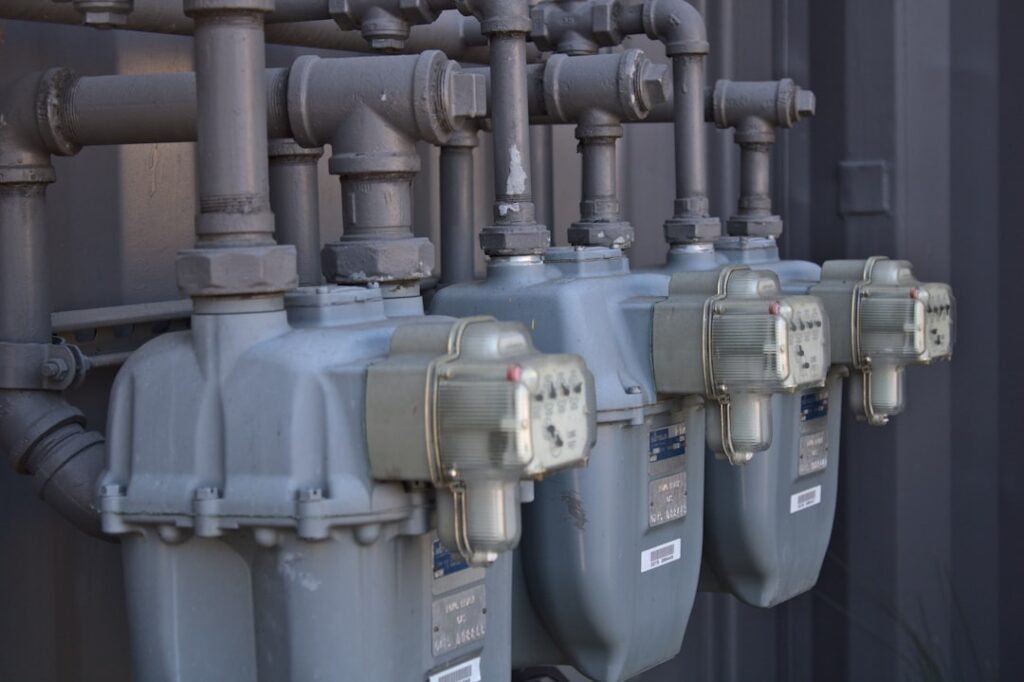
Gas detectors are the household alarms most people never think about until something goes wrong. They watch the air for invisible, often odorless threats: natural gas, propane, and carbon monoxide. A working detector buys the seconds a family needs to get out and call for help, which is exactly why building codes increasingly require them. Front Range homes, with their gas furnaces, water heaters, fireplaces, and tightly sealed modern envelopes, are a textbook case for taking these devices seriously. This guide explains the main types of gas detectors, how they work, where to put them, and how to keep them reliable.
What Are Gas Detectors and What Do They Detect?
A gas detector is a device that senses a target gas in the air and sounds an alarm when the concentration crosses a set threshold. In a home, three gases matter most. Natural gas, mostly methane, fuels furnaces, ranges, and water heaters; it is lighter than air and has a sulfur odorant added so leaks can be smelled. Propane, common in rural Front Range properties without a gas main, is heavier than air and pools low. Carbon monoxide, or CO, is a colorless, odorless byproduct of incomplete combustion and is the deadliest of the three because nothing warns the nose.
Different detectors target different gases, and no single sensor catches all of them perfectly. A combustible-gas detector watches for methane or propane; a CO alarm watches for carbon monoxide; some combination units cover both. Understanding which threat a given device addresses is the first step to protecting a household, and our broader review of CO detectors drills into the carbon-monoxide side in detail.
How Do Gas Detectors Work?
The sensing technology depends on the gas. Combustible-gas detectors commonly use a catalytic bead or a semiconductor sensor. A catalytic bead burns a tiny amount of any flammable gas that reaches it; the resulting heat changes an electrical resistance, and the circuit reads that change as a concentration. Semiconductor sensors use a metal-oxide surface whose conductivity shifts when gas molecules land on it. Both respond to a rising level of flammable gas before it reaches an explosive concentration.
Carbon monoxide alarms most often use an electrochemical sensor. CO molecules trigger a small chemical reaction inside a sealed cell, producing a current proportional to the gas level. This design is accurate, sips power, and lasts for years, which is why it dominates residential CO alarms. Because CO is cumulative in the body, these alarms are tuned to respond both to high concentrations quickly and to lower concentrations over a longer exposure window, mirroring how the gas harms people.
Why Sensors Have Expiration Dates
Every gas sensor degrades. Electrochemical CO cells dry out and lose sensitivity, and catalytic beads can be poisoned by certain household chemicals. Manufacturers therefore stamp an end-of-life date on the unit, typically five to ten years from production. A detector past that date may look fine and even chirp on test, yet fail to alarm during a real leak. Replacing on schedule is not optional maintenance; it is the difference between a working alarm and a decoration.
Types of Gas Detectors for the Home
Homeowners encounter several categories. Carbon monoxide alarms are the most common and, in many jurisdictions, legally required near sleeping areas. Natural-gas and propane alarms detect combustible fuel leaks and are wise additions in homes with gas appliances, especially propane setups where the gas pools low. Combination smoke and CO alarms bundle fire and carbon-monoxide protection into one ceiling-mounted unit. Plug-in detectors offer easy installation and often include a digital readout, while hardwired interconnected systems sound every alarm in the house when one trips, the gold standard for larger homes.
For occasional diagnostic work rather than permanent monitoring, handheld gas sniffers let a technician trace a suspected leak to its source. Those are a different tool from the fixed alarms that guard a home around the clock, and our guide to the natural gas detector for home use compares the permanent options. Choosing among them comes down to which fuels a house uses and where the risk zones sit.
Where to Place Gas Detectors
Placement follows the physics of each gas. Carbon monoxide mixes evenly with air, so CO alarms go on every level of the home and within earshot of every sleeping area, generally on a wall or ceiling. Natural gas rises, so methane detectors belong higher on the wall or near the ceiling, close to gas appliances like the furnace, range, or water heater. Propane sinks, so propane detectors mount low, within a foot or so of the floor, and near propane-burning equipment.
Avoid spots that cause false alarms or dead zones: directly above a stove, inside a humid bathroom, beside an exterior door with drafts, or in dead-air corners. Manufacturers print specific placement guidance, and following it matters because a detector in the wrong location can miss a real leak. In a multi-level Front Range home with a basement furnace and an upstairs kitchen range, that usually means several units placed deliberately rather than one device covering everything. A whole-house plan is part of any thorough look at home inspection tools and safety equipment.
What to Do When a Gas Detector Alarms
The response depends on the gas, but the instinct should be the same: treat it as real. If a carbon monoxide alarm sounds, get everyone, including pets, into fresh air immediately, then call 911 or the fire department from outside. Do not re-enter until responders clear the home. CO poisoning starts with headache, dizziness, and nausea, symptoms easily mistaken for the flu, so anyone feeling ill should seek medical care.
If a natural-gas or propane alarm sounds, or you smell the rotten-egg odorant, leave the home without flipping switches or using anything that could spark, including phones, until you are outside. From a safe distance, call the gas utility’s emergency line or 911. Do not try to find the leak yourself with a flame. These steps mirror guidance from fire-safety authorities and apply whether the home is in Denver, Boulder, or a rural propane-served property in Elbert County. Our walkthrough of a carbon monoxide detector going off covers the CO scenario step by step.
How Gas Detectors Differ From Smoke Alarms
Homeowners often lump gas detectors and smoke alarms together, but they guard against different threats and work on different principles. A smoke alarm senses the particles or light-scattering produced by combustion, fire, and reacts to a fire that has already started. A gas detector senses a specific gas in the air before any fire occurs, giving warning of a leak or of carbon monoxide that produces no smoke at all. A house can be full of dangerous carbon monoxide with no smoke whatsoever, which is exactly why a smoke alarm alone leaves a fatal gap.
The placement logic differs as well. Smoke rises, so smoke alarms go high on walls or on ceilings. Gas detectors follow the behavior of their target gas, high for methane, low for propane, and spread evenly for carbon monoxide. Combination smoke-and-CO units bridge part of this gap by covering both fire and carbon monoxide in one device, but even those do not detect a natural-gas or propane fuel leak. A complete home safety plan therefore layers the devices: smoke alarms for fire, CO alarms for carbon monoxide, and combustible-gas detectors matched to whatever fuels the home burns. Treating any one of these as a substitute for the others misreads what each device actually senses.
False Alarms and Common Nuisance Triggers
A gas detector that cries wolf gets ignored or unplugged, which defeats its purpose, so understanding nuisance triggers helps homeowners place and maintain units correctly. Carbon monoxide alarms can trip on brief, harmless emissions from a fireplace startup, a nearby idling vehicle, or even heavy tobacco smoke, especially if mounted too close to the source. Combustible-gas detectors can react to aerosol sprays, cleaning solvents, alcohol vapors, and the brief gas puff when a pilot or burner lights. None of these means the device is faulty; it means the sensor is doing its job and reacting to something in the air.
The fix is rarely to dismiss the alarm and usually to investigate and then adjust placement. A CO alarm that nuisance-trips near an attached garage may simply need to be moved a few feet, or it may be revealing that exhaust is seeping into the home, a genuine finding worth confirming. Repeated alarms in the absence of any obvious trigger should never be assumed false; the safer assumption is a real low-level source. Sensor degradation can also cause erratic readings as a unit nears end of life, which is one more reason to honor the replacement date. When in doubt, the responsible response is to treat the alarm as real, ventilate, get fresh air, and call for help, then sort out the cause afterward rather than silencing a device that may be warning of a true hazard.
Maintaining Gas Detectors
A detector only protects a home if it stays in working order. Test each unit monthly using the test button, which checks the alarm and circuitry. Replace batteries on schedule, or once a year as a default for battery units, and switch to a sealed ten-year-battery model to avoid the dead-battery chirp at 3 a.m. Vacuum dust from the vents periodically, since buildup can blind the sensor.
Most important, honor the expiration date. Note the manufacture or replace-by date on each device and swap it out before that date passes. A CO alarm bought in 2020 with a seven-year life should be replaced by 2027 regardless of how good it looks. Keeping a small log on the inside of a utility-closet door helps a household track which unit is due. For homeowners buying or selling along the Front Range, confirming that working, in-date gas detectors are present is a routine part of a safety-minded inspection and a cheap form of insurance against an invisible hazard.
Building a Layered Gas-Safety Plan at Home
The most reliable protection comes from layering devices rather than relying on a single unit. A complete plan starts with carbon monoxide alarms on every level and near every sleeping area, since CO is the silent, smoke-free threat that gives no warning to the senses. To that, a home with gas appliances adds combustible-gas detection appropriate to its fuel, methane sensors mounted high near gas appliances, or propane sensors mounted low for properties on propane. Smoke alarms cover the separate hazard of fire. Together these form overlapping coverage so that no single failure leaves the household exposed.
Interconnection strengthens the plan further. In larger or multi-level Front Range homes, alarms that sound together when any one trips ensure a basement detector can wake someone asleep upstairs, a meaningful advantage when seconds matter. Beyond hardware, the plan includes a household routine: monthly testing, scheduled battery changes or sealed-battery units, periodic dusting, and replacement of each device by its end-of-life date. An escape and response plan rounds it out, so everyone knows to get to fresh air and call for help rather than investigate. Layering devices, interconnecting them where possible, and maintaining them on a schedule is what turns a scattering of alarms into genuine, dependable protection against the invisible gas hazards a fuel-burning home carries.
For Front Range homeowners, the seasonal rhythm reinforces the value of this layered plan. Heating season is when gas appliances run hardest and homes are sealed tightest, concentrating both fire and carbon-monoxide risk in the same months. A pre-winter check, testing every detector, confirming none has passed its expiration date, and having a technician service the furnace and water heater, lines the protection up with the time of greatest exposure. Treating that fall checkup as a fixed annual habit, the way many households change clocks and smoke-alarm batteries together, keeps the whole system ready before the first hard freeze rather than discovering a dead detector during a January cold snap.
References
- Carbon monoxide poisoning prevention — CDC
- Carbon monoxide alarm safety — NFPA
- Home heating and combustion safety — U.S. Department of Energy