Sensit Gas Detector: What Homeowners Need to Know
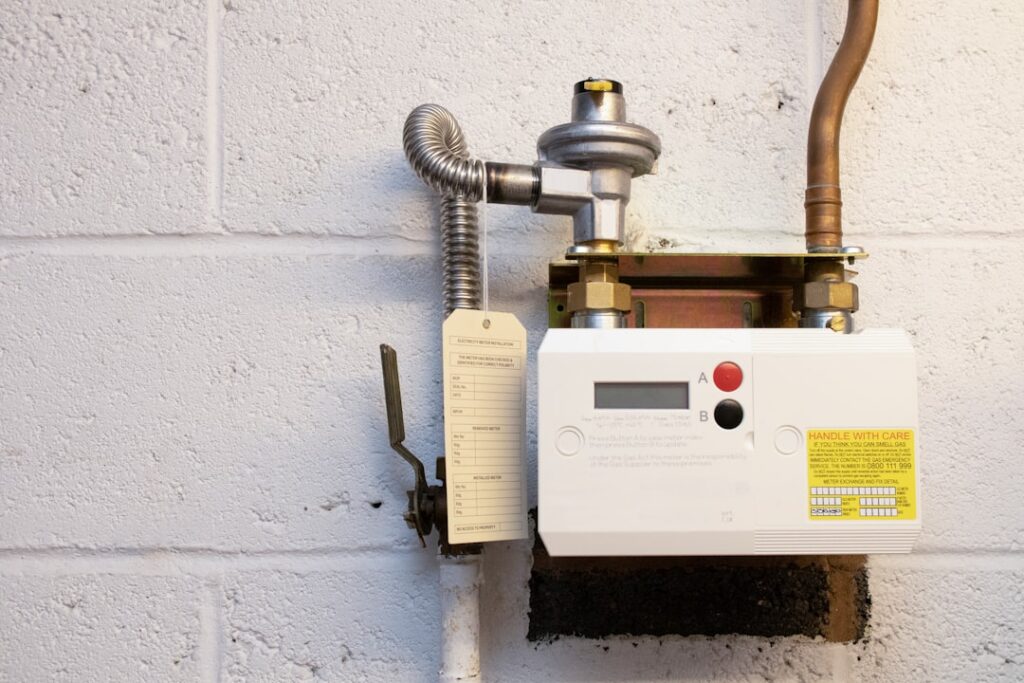
Walk alongside a utility technician checking a gas meter, or a home inspector tracing a faint odor near a furnace, and there is a fair chance the instrument in their hand carries the Sensit name. A sensit gas detector is a professional combustible-gas and multi-gas instrument made by Sensit Technologies, a manufacturer that supplies utilities, first responders, and trade contractors across the country, including the propane-heavy rural pockets of Colorado’s Front Range. Homeowners rarely buy one outright, but understanding what these tools measure, how they differ from a hardware-store detector, and when they get used helps anyone make sense of a gas-leak situation. The sections below break down the product line, the sensor science, and the practical question of whether a homeowner ever needs this class of device.
What a Sensit Gas Detector Is
Sensit Technologies builds portable instruments designed to find and measure flammable and toxic gases. The lineup ranges from a simple combustible-gas leak pen that clicks faster as it nears a leak, up to multi-gas confined-space monitors that track methane, carbon monoxide, hydrogen sulfide, and oxygen at once. The common thread is precision and durability for repeated professional use, not the set-and-forget convenience of a wall-mounted home alarm.
The most familiar models for residential work are the handheld combustible-gas detectors. These pinpoint the source of a leak by reading the concentration of flammable gas in parts per million or as a percentage of the lower explosive limit, the point at which a gas-air mixture can ignite. A technician sweeps the probe along a pipe joint or appliance fitting and watches the reading climb as the sensor nears the leak. That pinpointing ability is what separates an instrument from a simple alarm: an alarm tells you gas is present, while an instrument tells you where and how much.
Sensit also makes the kind of bar-hole and underground-leak survey equipment that gas utilities use to locate buried-line leaks. That gear is far outside the homeowner realm, but it explains why the brand carries a professional reputation.
How the Sensors Work
Combustible-gas models commonly pair two sensing technologies. A catalytic bead sensor handles higher concentrations near the lower explosive limit; gas oxidizes on a heated catalytic element, warms it, and shifts its resistance in proportion to the gas present. For trace detection at low parts-per-million levels, many units add a semiconductor or thermal-conductivity sensor that responds to tiny quantities a catalytic bead would miss. Switching between modes lets one tool both hunt a faint leak and gauge an explosive hazard.
Multi-gas monitors add electrochemical sensors for toxic gases. A carbon monoxide cell, for instance, generates a small current proportional to the CO concentration as the gas reacts at an internal electrode. An oxygen sensor works similarly, warning of both depletion and enrichment. Each sensor targets one gas, which is why a four-gas monitor carries four distinct cells behind its single display.
Professional instruments live or die by calibration. Sensors drift over time, so technicians bump-test the unit against a known gas concentration before a shift and run a full calibration on a schedule the manufacturer specifies. A consumer wall alarm never gets calibrated; a Sensit instrument is expected to, and that discipline is part of what makes its readings trustworthy in court, insurance, and safety contexts.
Sensit Versus a Home Gas Alarm
The gap between a professional instrument and a residential alarm is wide, and confusing the two leads to poor decisions. A home gas alarm is a fixed device that watches one location continuously and screams when gas crosses a threshold. It costs a fraction of a professional tool, needs almost no upkeep beyond a periodic test, and is exactly right for protecting a sleeping household. Homeowners comparing fixed options can review our guide to the home gas detector category for that use case.
A Sensit handheld, by contrast, is mobile, quantitative, and meant for active investigation. It does not stand guard overnight. It earns its keep when someone needs to trace a leak to its source, verify that a repair sealed the problem, or document gas levels during an inspection. The reading on its screen is a number a technician can act on, not just an on-or-off warning.
For most households, the right answer is a fixed alarm plus a phone call to a professional who owns the instrument. Buying a calibrated handheld for occasional personal use rarely pencils out, both because of cost and because an uncalibrated instrument gives readings no more reliable than the cheap alarm it was meant to outperform.
Where Inspectors and Technicians Use One
During a home inspection, an inspector may run a combustible-gas instrument along visible gas piping, around furnace and water-heater connections, and near the range to flag leaks that warrant a licensed plumber’s attention. The inspector documents findings but does not repair gas systems. Plumbers and HVAC techs carry similar tools to confirm tight joints after service. Utility crews use the survey-grade gear to walk a street and find a buried-line leak before it becomes an emergency. Each of these jobs benefits from the kind of leak-tracing covered in our overview of gas line leak detection.
Choosing and Using a Professional Instrument
For the contractor or serious DIYer who does decide to buy one, a few factors matter most. Confirm the unit is intrinsically safe and rated for use in potentially explosive atmospheres, indicated by a hazardous-location certification, so the tool itself cannot become an ignition source. Match the sensor set to the work: a single combustible-gas detector suits propane and natural-gas leak hunting, while confined-space work demands a four-gas monitor with oxygen and toxic cells.
Budget for the ongoing cost, not just the purchase. Electrochemical sensors have a service life of one to three years, calibration gas and a regulator are recurring expenses, and the unit needs regular bump testing to stay reliable. A neglected professional instrument is worse than a cheap alarm, because its precise-looking display lends false confidence.
Whatever the tool, the response to a confirmed leak stays the same. Stop using anything that could spark, ventilate, leave, shut off the supply if it is safe to reach, and call the gas provider or fire department from a safe distance. The instrument finds the problem; trained people fix it. Front Range homeowners weighing which detection tools fit their property can start with the broader home inspection tools guide to see how fixed alarms and handheld instruments complement each other.
Maintenance and Reliability
A professional instrument rewards routine. Bump-test before each use to confirm every sensor responds and the alarms trigger. Run a full calibration on the manufacturer’s schedule, logging the date so the next one is not missed. Replace sensors at the end of their rated life rather than waiting for failure, and store the unit away from the very solvents and gases that can poison its sensors over time.
Keep the instrument’s firmware current if the model supports updates, charge or replace its power source on schedule, and protect the sensor inlet from dust and moisture. These habits are second nature to a utility crew and unfamiliar to most homeowners, which is the clearest sign that this class of tool belongs in professional hands. For the household that simply wants protection, the fixed alarm and the trained responder remain the dependable pairing.
The Sensit Product Line at a Glance
Understanding where a given Sensit model fits helps make sense of why a technician carries the one they do. At the simplest end sit the combustible-gas leak detectors, often pen-style or pistol-grip tools with a flexible probe. These give a fast audible tick-rate that quickens as the probe nears a leak, ideal for pinpointing a loose fitting on a gas line. They report concentration in parts per million or as a percentage of the lower explosive limit, and they are the models most relevant to residential gas work.
A step up are the portable multi-gas monitors built for confined-space entry. These carry four or more sensors at once, typically combustible gas, oxygen, carbon monoxide, and hydrogen sulfide, and they alarm if any reading crosses a preset threshold. A worker entering a crawl space, a vault, or any poorly ventilated void clips one on to confirm the atmosphere is safe to breathe and free of explosive hazard before going in. This is occupational equipment, not a homeowner tool.
At the specialized end are the gas-survey instruments utilities use to locate buried-line leaks. These tools draw air samples through a probe pushed into the soil or swept along a curb line, mapping leak concentrations across a neighborhood. The breadth of that lineup, from a pocket leak pen to street-survey gear, is what gives the brand its standing among utilities and first responders, and it explains why the name shows up in professional hands far more often than in a homeowner’s toolbox.
What a Reading Actually Tells You
The value of a professional instrument lies in the number on its screen, but that number means different things depending on the scale in use. A reading in parts per million is a trace measurement, useful for confirming a small leak exists and tracing it to a source. A reading expressed as a percentage of the lower explosive limit speaks to immediate fire and explosion danger: at 100 percent of the lower explosive limit, the gas-air mixture is fully capable of igniting, so any reading approaching that figure signals an urgent hazard.
This dual scale is why a technician switches modes during an investigation. The trace mode hunts a faint leak that a homeowner might have smelled but could not locate; the explosive-limit mode gauges whether the accumulated gas has reached a dangerous concentration. A wall alarm collapses all of this into a single on-or-off decision, which is appropriate for its job but useless for diagnosis. The instrument’s job is to quantify, and the quantification is what lets a professional decide whether to ventilate, evacuate, or simply tighten a fitting.
For a homeowner watching a technician work, the practical lesson is that the precise reading is only as good as the calibration behind it. A number on a screen carries an authority that an alarm chirp does not, and that authority is earned through routine bump-testing and calibration. An instrument that has drifted out of calibration can display a confident, precise, and wrong figure, which is more dangerous than a cheap alarm precisely because it invites trust it has not earned.
When a Homeowner Encounters One
Most homeowners meet a Sensit-class instrument not as a buyer but as a bystander, watching a professional use it during a service call or inspection. Understanding what is happening in those moments helps a homeowner interpret the visit. When a utility responder arrives after a reported gas smell, the handheld instrument is how they confirm whether gas is actually present and how concentrated it is, turning a subjective odor complaint into an objective measurement that guides their next steps.
During a home inspection, an inspector may sweep a combustible-gas instrument along visible gas piping and around appliance connections, flagging any reading that suggests a leak for a licensed plumber to address. The inspector documents the finding but does not repair the system, a boundary worth understanding when reading an inspection report. A note that the inspector detected elevated combustible gas at a particular fitting is a prompt to bring in a qualified contractor, not a finished diagnosis.
For the rare homeowner who genuinely needs ongoing leak-detection capability, perhaps someone managing several rural propane-heated properties, the honest assessment is that owning a professional instrument means committing to its upkeep. Calibration gas, periodic sensor replacement, and the discipline of bump-testing are not optional extras; they are what keep the readings meaningful. Without that commitment, the money is better spent on quality fixed alarms in each building and a relationship with a contractor who maintains the instruments professionally.
References
- Gas Monitoring in the Workplace — Occupational Safety and Health Administration
- LP-Gas Safety Information — National Fire Protection Association
- Carbon Monoxide and Combustion Gas FAQs — Centers for Disease Control and Prevention
CO & gas detectors
A carbon monoxide alarm is the cheapest life-safety device in the house. Combination CO + explosive-gas units add a layer near furnaces and gas lines.
| Product | Why | Buy |
|---|---|---|
 First Alert CO Alarm First Alert CO Alarm | Plug-in with battery backup. | Amazon — $23.99 |
 Kidde Nighthawk CO + Gas Kidde Nighthawk CO + Gas | Detects CO + natural/propane gas. | Amazon — $57.47 |