Gas Line Leak Detection: What Homeowners Need to Know
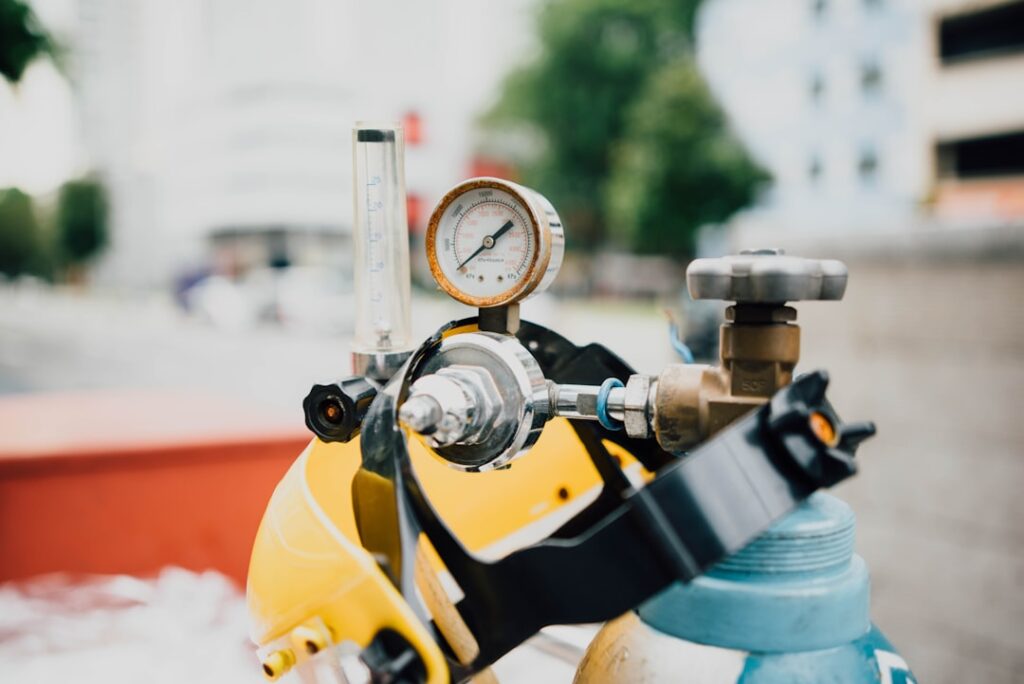
Gas line leak detection is the process of finding where natural gas or propane is escaping from supply piping, fittings, or appliance connections before that gas reaches a dangerous concentration. A leak can be a slow seep at a fitting or a sudden release from a damaged line, and the consequences range from wasted fuel to fire, explosion, and carbon monoxide exposure. For Front Range homeowners heating with gas through long Colorado winters, knowing the warning signs and the right tools is genuinely important. This guide covers how leaks are found, what equipment is used, and when to drop everything and leave.
How gas line leak detection works
Leak detection combines your senses, electronic instruments, and a simple chemical test. Utilities add a sulfur-like odorant called mercaptan to natural gas and propane specifically so people can smell an otherwise odorless gas. That rotten-egg smell is the first and most reliable detector most homeowners have.
Beyond smell, electronic combustible-gas detectors sense the presence of methane or propane in the air and signal with a tone or a numeric reading. Professionals use handheld instruments that can pinpoint a leak down to a specific fitting by sweeping the sensor along a line and watching the reading climb. A classic low-tech confirmation is the soap-bubble test: brushing a soapy solution over a suspect joint and watching for bubbles that grow where gas escapes.
Pressure testing is the formal method for verifying a line’s integrity. A section of pipe is isolated, pressurized with air, and watched over time. If pressure drops, the line leaks somewhere. Pressure testing is how plumbers and gas fitters certify new or repaired lines, and it is the gold standard the trade relies on.
Warning signs of a gas leak in your home
The strongest signal is the odorant smell, often described as rotten eggs or sulfur. If you notice it, treat it as real even if it seems faint. A hissing or whistling sound near a gas line or appliance can indicate gas escaping under pressure. Near an outdoor line, you might see dirt or dust blowing from a spot in the ground or bubbling in standing water.
Vegetation can betray a buried leak. A patch of dead or discolored grass over a gas line, when surrounding plants are healthy, sometimes marks gas seeping into the soil and displacing oxygen at the roots. This is more common with underground service lines in older neighborhoods.
Physical symptoms matter too. Headaches, dizziness, nausea, or fatigue that improve when you leave the house can point to a gas problem, though those symptoms overlap with carbon monoxide exposure from incomplete combustion. Higher-than-normal gas bills with no change in usage can hint at a slow leak. None of these signs alone is proof, but any of them warrants attention.
Tools used for gas line leak detection
Homeowner-grade combustible gas detectors are inexpensive handheld wands that beep faster as they near a leak. They are useful for spot-checking a connection behind a stove or near a water heater. Plug-in and battery alarm units mount permanently and sound when gas reaches a set threshold, similar to how a smoke alarm works.
Professional gas fitters carry more sensitive instruments. These can quantify gas concentration in the air, distinguish between gas types, and locate a leak with precision. Many also use electronic manometers to measure line pressure during a formal test. Our overview of gas leak detectors for the home compares the consumer options, and the electronic gas leak detector guide goes deeper on how the sensors work.
One tool worth distinguishing is the carbon monoxide alarm. A CO alarm does not detect a raw natural gas leak, because it senses the byproduct of incomplete combustion rather than methane itself. The two devices serve different purposes, and a complete home needs both. For the broader instrument set inspectors carry, see our home inspection tools guide.
Where leaks tend to start
Threaded fittings and unions are common leak points because they depend on a proper seal and can loosen over time or with temperature cycling. Flexible appliance connectors behind ranges and dryers can crack or corrode, especially older, uncoated brass connectors. Outdoor and buried lines are vulnerable to corrosion and to physical damage from digging. On the Front Range, freeze-thaw soil movement and the occasional careless shovel during a landscaping project both put underground lines at risk.
What to do if you suspect a gas leak
If the smell is strong or you hear gas escaping, leave immediately. Get everyone, including pets, out of the house and move well away. Do not flip light switches, unplug anything, use a phone indoors, or do anything that could create a spark. Do not light matches or candles. Leave doors open as you go if it is quick, but do not delay to open windows throughout the house.
Once you are safely outside and away from the building, call your gas utility’s emergency line or 911. Utilities respond to suspected leaks at no charge and will shut off service and check the lines. Do not return until the utility or emergency responders say it is safe.
For faint, intermittent odors with no other symptoms, you still should not investigate with an open flame. A handheld detector or a careful soap-bubble check at accessible fittings can help confirm, but the safe move is to call a licensed plumber or your utility. Leak repair on gas piping is regulated work; in most jurisdictions only licensed professionals may repair or alter gas lines, and a permit and pressure test follow the repair.
Prevention and routine checks
Schedule periodic inspection of gas appliances and connections as part of annual heating-system maintenance. A technician can check connectors, fittings, and appliance valves and run a combustion analysis at the same time. Replace old, uncoated brass flex connectors when an appliance is moved or serviced, since flexing an aged connector can crack it.
Install combustible-gas alarms near gas appliances and a separate carbon monoxide alarm on each level and near sleeping areas, following the alarm manufacturer’s placement guidance. Keep the area around a furnace and water heater clear so leaks are not hidden behind stored boxes. Before any digging project, call 811 to have buried utility lines marked, which prevents the most damaging type of leak entirely.
Gas line leak detection is part instrument, part habit. The instruments find what your nose might miss, but the habits, annual service, working alarms, and a clear-headed emergency plan, are what keep a small leak from becoming a disaster.
How the sensors inside a detector work
Combustible-gas detectors rely on a handful of sensor technologies, and understanding them clarifies why some detectors behave differently than others. Catalytic-bead sensors burn a tiny amount of the target gas on a heated element and measure the resulting temperature change, which is proportional to gas concentration. They respond to a broad range of combustible gases and are common in professional instruments, though they need oxygen to work and can be affected by certain contaminants.
Semiconductor sensors, often called metal-oxide sensors, change electrical resistance when gas molecules adsorb onto a heated sensing surface. They are inexpensive and widely used in consumer detectors and alarms, sensitive but somewhat less specific, which is why a semiconductor detector may react to fumes other than the target gas. Infrared sensors detect gas by how it absorbs specific wavelengths of light and are used in higher-end instruments for stable, drift-resistant readings.
Each technology has trade-offs in sensitivity, selectivity, lifespan, and cost. For a homeowner, the practical point is that a cheap handheld sniffer and a professional gas-fitter’s instrument are not equivalent tools. The professional unit is more selective, better calibrated, and capable of quantifying a leak, while the consumer wand is a useful spot-check that tells you “something is here” near a fitting. Knowing the difference helps set expectations about what a given device can actually confirm.
The pressure test in detail
When a gas line is installed, modified, or repaired, code generally requires a pressure test to prove the piping holds. The procedure isolates a section of pipe, removes or caps the appliances, and pressurizes the line with air or inert gas to a specified pressure for a specified time. A gauge or manometer monitors the pressure, and any measurable drop over the test period indicates a leak somewhere in the tested section.
Pressure testing is the gold standard because it checks the entire isolated system at once rather than sniffing fitting by fitting. It catches leaks that are too small to smell and confirms the integrity of joints, threads, and connections throughout. The required test pressures and durations are set by code and by the authority having jurisdiction, and the test is typically witnessed or documented for the permit. This is precisely the kind of work that belongs to licensed plumbers and gas fitters, both because of the skill involved and because altering gas piping is regulated.
After any repair, a re-test verifies the fix held. A line that passes its pressure test, paired with a soap-bubble confirmation at accessible fittings, gives strong assurance that the system is tight. For homeowners, the lesson is to insist on proper testing after gas work rather than accepting a quick visual once-over, and to keep the documentation for future reference and resale.
Gas safety habits for Front Range homes
Colorado’s long heating season means gas appliances run hard for many months, and the Front Range mix of natural gas in the metro core and propane in outlying areas calls for slightly different awareness. Propane is heavier than air and pools low, so a propane leak in a basement or crawl space behaves differently than a natural gas leak, which rises. Homeowners on propane should be especially mindful of low spaces, and propane detectors belong near the floor.
Seasonal habits help. Before the heating season, having a technician inspect and test gas appliances and connections catches problems before the furnace runs constantly. Keeping the area around furnaces and water heaters clear, rather than using mechanical rooms for storage, means a developing leak is not hidden behind boxes and a detector is not blocked. Knowing where the main gas shutoff is, and keeping a wrench nearby if your shutoff requires one, turns a panic moment into a controlled response.
Finally, call 811 before any digging project. Underground service lines are vulnerable to shovels and equipment, and a struck line is among the most dangerous leak scenarios. Having lines marked is free, fast, and prevents the most damaging kind of gas-line incident entirely. These habits, combined with the right detectors and a clear emergency plan, form the practical core of gas line leak detection for a household.
It is also worth distinguishing the slow seep from the sudden release, because they call for different responses. A slow seep at an aged fitting may produce a faint, intermittent odor, a slightly higher gas bill, or a detector that beeps only when held close to one spot. These warrant prompt but calm investigation by a professional. A sudden release, from a broken line, a struck service, or a failed connector, produces a strong smell, an audible hiss, or rapidly rising detector readings, and demands immediate evacuation and an emergency call. Teaching everyone in the household to recognize the difference, and to default to leaving and calling when in doubt, turns gas safety from a vague worry into a clear plan. The instruments and the annual service catch the slow problems early; the household’s trained response handles the sudden ones safely. Keeping the gas utility’s emergency number stored in every household member’s phone, and walking through the evacuation plan once a year the same way families practice fire drills, turns that trained response from an abstract idea into a reflex that holds up under the stress of a real alarm.
References
- Natural Gas Leaks and Safety — Centers for Disease Control and Prevention
- Oil and Gas Hazard Guidance — Occupational Safety and Health Administration
- Natural Gas and Propane Safety — National Fire Protection Association